What Is a Sewing Thimble?
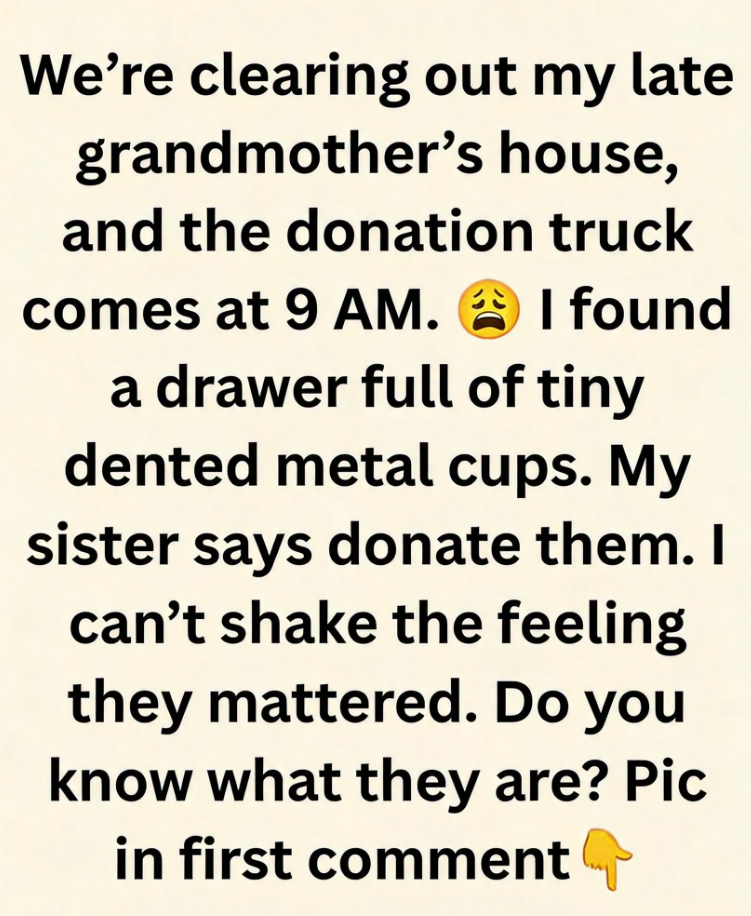
A small metal cup with tiny dimples found in an old sewing box is most likely a sewing thimble. Although it may seem like a mysterious object to people who do not sew by hand regularly, the thimble has been an important practical tool for generations. Its simple purpose is to protect a finger while helping the sewer push a needle safely and efficiently through fabric.
Sewing thimbles have been used in homes, workshops, and textile trades for centuries. They are associated with traditional mending and dressmaking, but they still have a place in modern sewing, quilting, embroidery, leatherwork, and garment repair. Whether someone is attaching a button, repairing a seam, making a costume, or working with several layers of fabric, a well-fitted thimble can improve comfort and control.
What Is a Sewing Thimble Used For?
A sewing thimble is a protective cap or shield worn on a finger during hand sewing. It creates a barrier between the finger and the blunt end of a needle. Instead of pressing directly against the needle with bare skin, the sewer uses the thimble to apply controlled pressure.
This function is especially useful when working with thicker or densely woven materials. Fabrics such as denim, canvas, upholstery cloth, wool, multiple quilt layers, and some leather projects can require more force than lightweight cotton or silk. Repeatedly pushing a needle through resistant material without protection may lead to soreness, skin irritation, or accidental punctures. A thimble reduces that pressure on the finger and can make longer sewing sessions more manageable.
The familiar small dents on many metal thimbles are not merely decorative. They are called dimples or pits, and they help keep the needle from sliding sideways when pressure is applied. The needle can rest in one of these shallow indentations, allowing the user to push it forward with greater stability. This design supports accurate stitching and helps reduce the chance of a needle slipping unexpectedly.
How to Use a Thimble for Hand Sewing
Most people wear a conventional thimble on the middle finger of their dominant hand. The needle is usually held between the thumb and index finger, while the middle finger rests behind the needle and pushes it through the fabric. However, there is no single correct position for every sewer. Some people prefer to use a thimble on the index finger, thumb, or another finger depending on their stitching technique and the type of project.
To use a thimble, begin by placing it securely on the chosen finger. Hold the needle close to its middle or eye end, position its point where the stitch should begin, and guide it through the fabric with the thumb and index finger. Once the needle has entered the material, use the thimble-covered finger to press against its end. The thimble transfers pressure from the finger to the needle while protecting the skin.
For beginners, using a thimble may feel unfamiliar at first. It can take practice to find a natural rhythm and to avoid gripping the needle too tightly. Starting with a medium-weight woven fabric and a standard hand-sewing needle is often easier than beginning with very thick materials. With regular use, many sewers find that a thimble becomes an intuitive part of hand stitching.
Why Thimble Size and Fit Matter
The right fit is one of the most important factors in choosing a sewing thimble. A thimble should remain stable when the finger moves, but it should not feel painfully tight or restrict circulation. If it is too loose, it can rotate, slip off, or fail to provide a firm surface for pushing the needle. If it is too tight, it may become uncomfortable after only a short period of sewing.
Metal thimbles are commonly sold in numbered sizes, though sizing can vary by manufacturer. Trying one on before purchasing is helpful whenever possible. The thimble should cover the part of the finger that naturally pushes the needle, usually the fingertip or upper section of the middle finger. A person who sews frequently may also benefit from owning more than one type of thimble for different projects.
Comfort is personal. A sewer who dislikes the closed feeling of a traditional metal cap may prefer an open-sided style, an adjustable ring thimble, or a flexible silicone model. The best thimble is not necessarily the most traditional one; it is the one that fits the user’s hand and supports safe, accurate work.
Common Types of Sewing Thimbles
Modern sewing supplies include a wide range of thimbles, each designed for particular preferences and materials. The classic metal thimble remains widely recognized, but it is only one option.
Metal Thimbles
Metal thimbles are durable, firm, and often covered with small dimples. They are commonly made from brass, steel, aluminum, or other metal alloys. Traditional metal designs are effective for pushing needles through several layers of fabric because they provide a hard, stable surface. They are particularly useful for quilting, tailoring, repairs, and other work that requires repeated pressure.
Some metal thimbles are plain and practical, while others are ornate. Decorative examples may feature engraved patterns, enamel, commemorative motifs, or precious-metal construction. Their usefulness and visual appeal have made them popular with both sewers and collectors.
Leather Thimbles
Leather thimbles are softer than metal versions and can gradually conform to the wearer’s finger. They are often valued by people who find rigid thimbles uncomfortable. A leather thimble may include a reinforced tip or a small metal disc to provide extra resistance where the needle presses.
Because leather is flexible, it can be a comfortable option for general mending and hand quilting. However, it may not provide the same level of protection as a hard metal thimble when working with extremely stiff materials or heavy needles.
Plastic and Silicone Thimbles
Plastic thimbles are lightweight, inexpensive, and commonly included in beginner sewing kits. They are suitable for basic household repairs and light sewing tasks. Their durability can vary, particularly if they are used with heavy fabric or strong needles.
Silicone thimbles offer flexibility and grip. Many have textured or reinforced areas that help hold the needle in place. They can be useful for people who want a softer fit, though the level of puncture resistance depends on the product’s construction. When choosing a silicone model, it is sensible to check that it is designed specifically for sewing rather than as a general finger protector.
Open-Sided and Adjustable Thimbles
Open-sided thimbles, sometimes called open-top or adjustable thimbles, are designed for users who dislike a fully enclosed fingertip. These styles can accommodate different finger sizes and may allow more airflow. Adjustable metal ring thimbles are also useful when a conventional sized thimble does not fit comfortably.
Some specialized versions have a flat plate instead of a rounded cap. These are often favored by quilters who use a rocking motion to guide the needle through layers. The variety available today reflects the fact that hand sewing techniques differ widely between individuals and crafts.
The History of Sewing Thimbles
Thimbles have a long history connected to the everyday importance of hand sewing. Before industrially produced clothing became widely available and affordable, households relied heavily on sewing skills. People made garments, altered clothing for growing children, repaired worn textiles, hemmed household linens, and replaced missing buttons. A small protective tool that made this work easier was therefore highly practical.
Archaeological and museum collections show that finger guards and thimble-like tools have existed in various forms for many centuries. The Victoria and Albert Museum in London holds examples of historic thimbles and textile-related objects, illustrating how these practical items also developed into decorative and collectible pieces. Over time, manufacturers produced thimbles in many materials, including brass, silver, porcelain, glass, ivory, and later plastics. Historical objects should be assessed carefully in context, particularly where older materials may raise ethical or legal concerns today.
During the nineteenth and early twentieth centuries, thimbles were common household possessions in many countries. They were also sometimes given as gifts, souvenirs, or commemorative items. Their small size made them suitable for decorative engraving, and some carried the names of towns, exhibitions, charities, organizations, or important events.
Why Sewing Thimbles Became Less Common in Homes
The growth of ready-made clothing changed how often many people needed to sew by hand. As mass-produced garments became more accessible, fewer households depended on making most clothing from scratch. Sewing machines also reduced the amount of hand stitching required for many tasks.
Still, hand sewing never disappeared. It remains important for repairs, finishing work, visible mending, tailoring, embroidery, quilting, and crafts. Interest in repairing clothing has also grown alongside broader conversations about reducing textile waste. Extending the usable life of a garment through simple repairs can be one practical part of a more resource-conscious approach to clothing.
Organizations including the United Nations Environment Programme have highlighted the environmental pressures associated with the fashion and textile sector. While a thimble alone does not solve those challenges, basic repair skills can help individuals keep clothes in use longer. A thimble is a small but useful companion for anyone learning to mend a loose hem, reinforce a seam, or replace a button.
Collecting Antique and Vintage Thimbles
Older thimbles can hold historical, artistic, or sentimental interest. Collectors may look for examples made from silver, unusual materials, or pieces produced by recognized manufacturers. Engraved thimbles, souvenir designs, advertising examples, and thimbles in their original cases may also attract attention.
The potential value of an old thimble depends on several factors, including its material, condition, age, maker’s marks, rarity, craftsmanship, and documented provenance. A tarnished silver thimble may be valuable because of its age or maker, while a common metal example may primarily have personal rather than financial value. It is important not to assume that every old thimble is rare or expensive.
Anyone considering selling or insuring a potentially valuable antique should seek an assessment from a qualified antiques specialist or reputable auction house. Avoid harsh cleaning methods, especially on older pieces, because aggressive polishing can damage surfaces, remove patina, or reduce collector interest. For family heirlooms, preserving the object’s history may be as meaningful as determining its market value.
How to Care for a Sewing Thimble
Most modern thimbles require very little maintenance. After use, wipe a metal thimble with a soft dry cloth and store it in a sewing box or small container. Keeping it dry can help reduce tarnish or corrosion. Leather thimbles should be kept away from excessive moisture and heat, while silicone and plastic thimbles can generally be cleaned gently with mild soap and water if needed.
Inspect a thimble occasionally for cracks, sharp edges, loose components, or punctures. A damaged thimble may not protect the finger properly. If the goal is safety during heavy-duty sewing, replace a worn tool rather than relying on one that no longer provides reliable coverage.
A Small Tool That Still Has a Useful Place
A sewing thimble is a modest object, but its design reflects generations of practical knowledge. The protective cap, textured dimples, and carefully shaped fit all serve a clear purpose: helping people guide a needle through fabric with greater control and less strain.
For experienced quilters, tailors, embroiderers, and repair enthusiasts, a thimble remains an essential hand-sewing tool. For beginners, it can make the process of mending and crafting feel more comfortable and secure. And for anyone discovering one in an inherited sewing box, it offers a tangible connection to everyday skills that supported households for centuries.
Whether it is a plain metal model used to repair a favorite shirt or an engraved vintage piece kept as a family keepsake, the sewing thimble continues to combine utility, craftsmanship, and history in one very small object.
Sources
- Victoria and Albert Museum — Collections and historical context for textiles, sewing tools, and decorative arts.
- Smithsonian Institution — Museum resources on material culture, domestic life, and historic objects.
- United Nations Environment Programme — Information on sustainability and environmental issues related to textiles and fashion.
- U.S. National Park Service — Educational resources on preserving historic objects and cultural heritage.
Disclaimer: This content is intended for entertainment purposes only and is not based on real events.