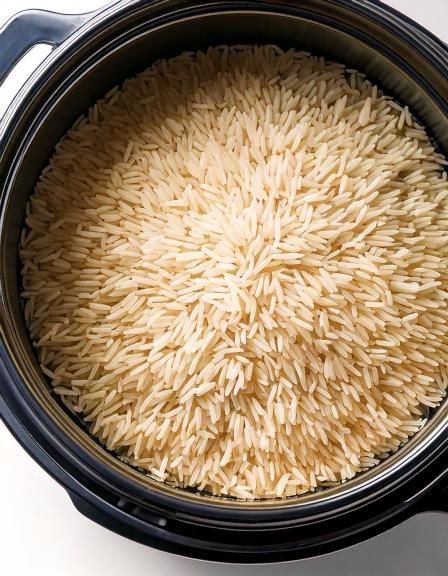
Rice pudding is a simple, comforting dish made by gently cooking rice in milk with sugar and warm flavorings. This slow cooker version uses five everyday ingredients and offers a hands-off way to prepare a creamy dessert or satisfying breakfast. With a little attention to stirring and temperature, the result can be a soft, lightly sweet pudding that is easy to adapt for different tastes.
Why Make Rice Pudding in a Slow Cooker?

Rice pudding has appeared in many food traditions around the world, from European milk rice desserts to South Asian kheer and Latin American arroz con leche. The basic idea is straightforward: rice absorbs liquid as it cooks, releasing starch that helps create a thick and creamy texture. Slow cooking is particularly well suited to this process because it uses gentle, steady heat over several hours.
A slow cooker can make rice pudding convenient for busy households. Rather than standing over a saucepan and stirring constantly, cooks can combine the ingredients, cover the appliance, and return periodically to check the consistency. The extended cooking time encourages the rice to become tender while the milk mixture develops a richer texture.
Results can vary by slow cooker model, rice variety, and the temperature of the ingredients. Some appliances run hotter than others, so checking the pudding before the end of the suggested cooking window is important. Regular stirring also helps reduce the chance of rice settling on the bottom or milk solids sticking around the edges.
Slow Cooker 5-Ingredient Rice Pudding Recipe
This recipe is intentionally simple. It relies on white rice, milk, sugar, vanilla, and cinnamon for a familiar, mild flavor. It can be served warm immediately after cooking or chilled for a firmer, make-ahead dessert.
Ingredients
- 1 cup raw white rice
- 4 cups milk
- 1/2 cup sugar
- 1 teaspoon vanilla extract
- 1/2 teaspoon ground cinnamon
Long-grain white rice is a practical choice for this recipe, but medium-grain or short-grain white rice may produce a creamier finish because those varieties typically release more starch during cooking. Avoid assuming that all rice types will cook at the same rate. Brown rice, for example, generally requires more time and liquid, so it is not a direct substitute without testing and adjustments.
Equipment
- A slow cooker with a lid
- A fine-mesh strainer or colander for rinsing rice
- A heat-safe spoon for stirring
- Measuring cups and spoons
How to Make Creamy Slow Cooker Rice Pudding
1. Rinse the Rice
Place the raw white rice in a fine-mesh strainer and rinse it under cool running water until the water looks clearer. Rinsing removes some loose surface starch and any small particles that may be present from packaging. It does not eliminate all starch, which is useful here because starch contributes to the pudding’s body and creamy texture.
2. Combine the Five Ingredients
Add the rinsed rice, milk, sugar, vanilla extract, and ground cinnamon to the slow cooker. Stir thoroughly so that the sugar begins to dissolve and the cinnamon is distributed throughout the milk. Make sure the rice is mostly submerged before placing the lid on the cooker.
3. Cook Slowly and Stir Periodically
Cover and cook on low for approximately 4 to 5 hours, or until the rice is tender and the mixture has thickened into a pudding-like consistency. Stir the mixture occasionally, especially during the final part of cooking. If possible, check it after about 3 hours, then continue monitoring as it thickens.
The pudding may appear somewhat loose while it is hot. It often thickens further as it cools because the rice continues to absorb liquid and the starches set. If it becomes thicker than desired, stir in a small amount of milk after cooking until it reaches the texture you prefer.
4. Stir and Serve
When the rice is soft and the pudding is creamy, turn off the slow cooker and give the mixture a thorough final stir. Serve it warm in small bowls, or transfer it to shallow containers and refrigerate it for a chilled rice pudding. A light additional sprinkle of cinnamon can add aroma and visual appeal.
Tips for the Best Slow Cooker Rice Pudding
Rice pudding is forgiving, but a few careful steps can improve consistency and flavor. First, use a cooker that is large enough to hold the ingredients comfortably. A fuller slow cooker may heat differently from a nearly empty one, and leaving sufficient room reduces the likelihood of bubbling milk reaching the lid.
Second, avoid opening the lid more often than necessary. Every time the lid is lifted, heat escapes and the cooking time may increase. Checking and stirring occasionally is helpful, but frequent opening can slow the process. A reasonable approach is to stir once partway through cooking and then more closely monitor the pudding near the end.
Third, use fresh milk and keep it refrigerated until it is time to cook. Milk-based dishes require sensible food handling. If rice pudding is not being served immediately, it should not be left at room temperature for extended periods. Divide leftovers into shallow containers so they cool more quickly, then refrigerate them promptly.
Finally, taste before serving. Cinnamon and vanilla are gentle flavorings, and personal preferences differ. If a stronger spice note is desired, add a small extra pinch of cinnamon after cooking rather than adding too much at the beginning. This makes it easier to control the final flavor.
Understanding Texture: Why Rice Pudding Thickens
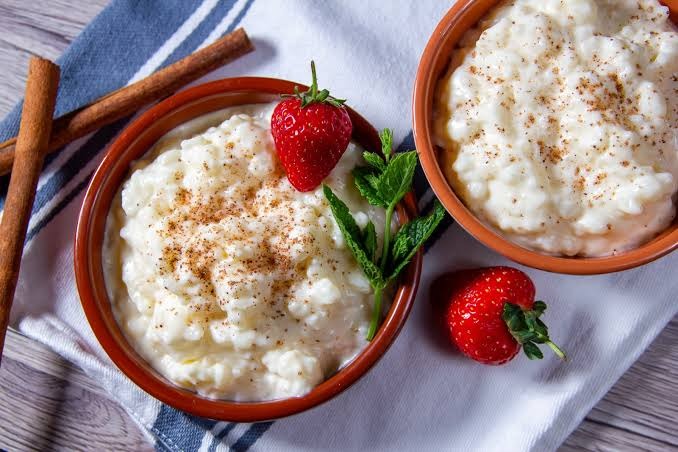
The creamy quality of rice pudding comes from a combination of tender rice grains, milk solids, and starch. As rice cooks in liquid, its starch granules absorb water and swell. With enough heat and time, they help thicken the surrounding milk. Sugar also affects texture by adding sweetness and influencing how moisture is retained in the mixture.
Different types of rice contain different proportions of starch components, including amylose and amylopectin. In practical cooking terms, shorter-grain rice often creates a softer, more cohesive pudding, while long-grain rice can remain more separate and distinct. Neither result is inherently better; the preferred style depends on whether you enjoy a thick, spoonable pudding or a looser dessert with noticeable rice grains.
Milk choice matters as well. Whole milk will generally provide a fuller mouthfeel than lower-fat milk because of its higher fat content. However, the five-ingredient recipe can still work with other dairy milks, although the final richness and thickness may differ. If using a milk alternative, check its label for added sweeteners or thickeners, as these ingredients can affect the outcome.
Serving Ideas for Rice Pudding
This classic rice pudding is flavorful on its own, but it can also be presented in a range of simple ways. For a breakfast-style bowl, serve it warm with sliced banana, berries, chopped apple, or a spoonful of unsweetened fruit purée. Fresh fruit can bring brightness that balances the sweetness of the milk and sugar.
For dessert, consider a small topping of raisins, toasted nuts, or a little citrus zest, taking account of individual dietary needs and allergies. A spoonful of stewed fruit can also work well, particularly apples, pears, or berries. These additions are optional and are best added at serving time so the base recipe remains simple.
Chilled rice pudding has a firmer, more set texture. Before serving leftovers cold, stir the pudding gently. If it has become too dense in the refrigerator, a splash of milk can restore a softer consistency. Serve in individual bowls or jars for a convenient prepared snack or dessert.
Food Safety and Storage Guidance
Because this recipe contains cooked rice and milk, careful storage is important. The U.S. Department of Agriculture advises refrigerating perishable foods promptly and keeping refrigerators at 40°F (4°C) or below. Do not leave cooked rice pudding out at room temperature for more than two hours; in very warm conditions, food should be refrigerated sooner.
For faster cooling, transfer the pudding from the slow cooker into smaller, shallow containers. Cover and refrigerate once it has cooled appropriately. Refrigerated leftovers are generally best enjoyed within several days. Before eating, inspect the pudding for any unusual odor, appearance, or signs of spoilage. When in doubt, discard it.
If reheating, warm only the portion you plan to eat and stir in a little milk if needed. Reheat until steaming hot, stirring to promote even heating. Repeatedly cooling and reheating the entire batch can reduce quality and complicate safe storage, so single-serving portions are a practical option.
Simple Variations to Try
Once you are comfortable with the basic method, you can adapt the recipe without losing its approachable character. For a warmer spice profile, add a small pinch of nutmeg or cardamom alongside the cinnamon. For a more pronounced vanilla flavor, use vanilla bean paste or a split vanilla bean, though that changes the five-ingredient format.
Fruit variations can be added after cooking for more predictable texture. Raisins are a traditional option in many rice pudding recipes, while diced cooked apples or berry compote offer a fresher alternative. A small amount of lemon or orange zest can brighten the dish without making it overly sweet.
Those reducing added sugar may choose to use less than the stated amount, then rely on fruit toppings for additional sweetness. Keep in mind that reducing sugar can change more than flavor: it may also slightly affect the pudding’s final moisture and body. Make adjustments gradually and taste before serving.
Frequently Asked Questions About Slow Cooker Rice Pudding
Do I need to rinse rice before making rice pudding?
Rinsing is recommended in this recipe to remove loose surface starch and debris. The pudding will still thicken because the rice naturally releases starch as it cooks in milk.
Why is my rice pudding still thin?
It may need more cooking time, particularly if your slow cooker runs at a lower temperature. The pudding also thickens as it cools. Continue cooking until the rice is tender, then allow it to sit briefly before judging the final consistency.
Why did my rice pudding become too thick?
Rice continues to absorb liquid during and after cooking. Stir in milk a little at a time until the pudding reaches your preferred texture. Refrigerated leftovers commonly need a small amount of milk before serving.
Can I make this recipe ahead of time?
Yes. Prepare the pudding, cool it promptly in shallow containers, and refrigerate it. Serve chilled or reheat individual portions carefully. Follow standard food safety guidance for storing dairy- and rice-based leftovers.
A Comforting Recipe with Everyday Ingredients
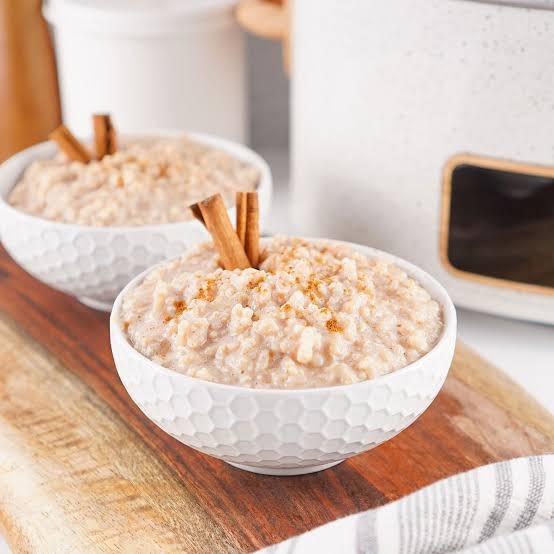
Slow cooker 5-ingredient rice pudding demonstrates how a few pantry and refrigerator staples can become a versatile meal or dessert. The recipe is uncomplicated, but it also invites thoughtful adjustments based on the rice available, the desired texture, and the way the finished pudding will be served.
Whether enjoyed warm on a cool morning or chilled as a simple after-dinner dessert, this rice pudding offers familiar flavor with minimal preparation. Pay attention to cooking time, stir as needed, and refrigerate leftovers promptly. Those small steps help produce a creamy, satisfying dish that can fit comfortably into everyday cooking.

Sources
Disclaimer: This content is intended for entertainment purposes only and is not based on real events.