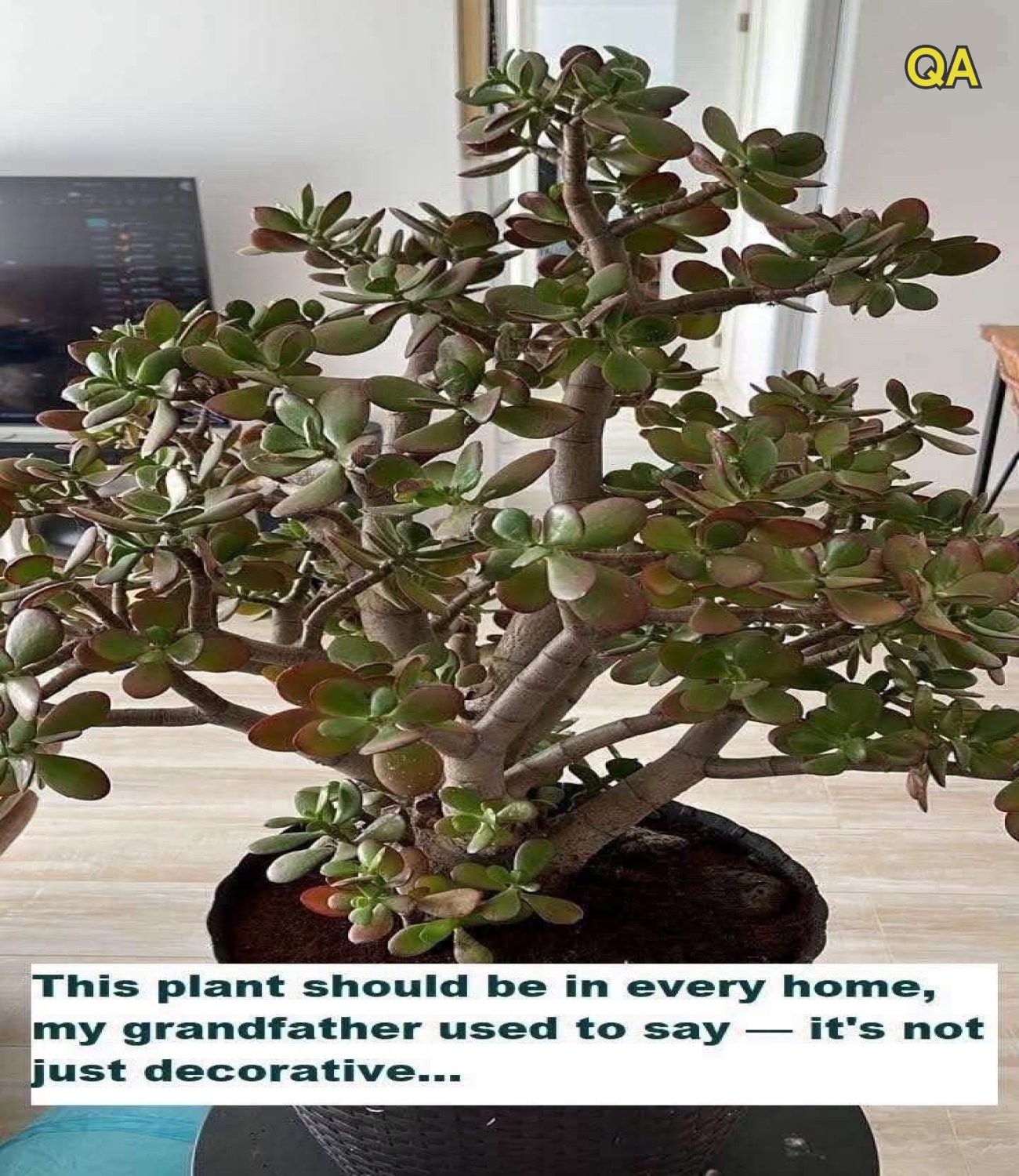
My Grandfather Said Every Home Should Have This Plant …And It’s More Than Just Decoration
Many houseplants carry stories that stretch far beyond a windowsill or a decorative pot. They may remind people of a grandparent’s garden, a first home, a business opening, or a family tradition passed from one generation to the next. Among the most recognizable of these plants is Crassula ovata, widely known as the jade plant, lucky plant, friendship tree, or money plant.
With its smooth, thick leaves and compact, branching form, the jade plant is valued for its appearance as much as for its reputation as a symbol of prosperity. It is also a practical choice for many homes because, as a succulent, it can tolerate periods without watering better than many leafy tropical houseplants. Still, the jade plant is often surrounded by claims about health, healing, and household energy that deserve careful examination.
The real appeal of this familiar plant does not depend on extraordinary promises. Jade plants can be long-lived, visually distinctive, and meaningful gifts. They can encourage a simple plant-care routine and bring a natural focal point to a home or workplace. Understanding what the plant can and cannot do helps owners enjoy it safely and responsibly.
What Is a Jade Plant?
Crassula ovata is a succulent native to parts of southern Africa. In its natural environment, it grows in conditions where water may not be consistently available. Its fleshy leaves hold moisture, allowing the plant to withstand dry intervals. This adaptation is why jade plants generally need far less water than many common indoor plants.
Healthy jade plants typically have rounded or oval green leaves, although some cultivated varieties develop red-edged foliage when grown in bright light. Over time, the stems become woody and can take on a miniature tree-like appearance. Mature plants may produce small star-shaped flowers under suitable seasonal conditions, though flowering indoors is not guaranteed.
The jade plant’s slow growth and sculptural structure make it popular for desks, bright living rooms, conservatories, and sunny windows. It can also live for many years when its basic needs are met. Some families keep a single jade plant through moves, milestones, and changing generations, adding to its role as a plant with personal history.
Why Jade Plants Are Associated With Luck and Prosperity
Jade plants have a prominent place in cultural traditions connected with prosperity and new beginnings. In Feng Shui, the plant is commonly associated with abundance, growth, and good fortune. Its rounded leaves are often compared with coins, while its upright, branching habit may represent steady development over time.
For this reason, jade plants are frequently given as gifts for housewarmings, weddings, new jobs, and business openings. In some homes and workplaces, they are placed near entrances or in shared spaces as a symbolic welcome to positive opportunity. These customs are meaningful cultural practices, but they should not be confused with scientific evidence that a plant can influence finances, health, or future events.
Symbolism can still matter. A gifted plant can express encouragement, continuity, and care. For someone starting a new chapter, a jade plant may serve as a small, living reminder to be patient and consistent. Its gradual growth reflects a message that many people find valuable: meaningful progress often develops over time rather than overnight.
Can a Jade Plant Detect Illness in a Household?
A recurring story claims that jade plants wilt when a person in the home becomes ill and recover when that person feels better. This idea may be memorable, especially when connected to family anecdotes, but there is no reliable scientific evidence that jade plants can sense human illness or respond to a person’s medical condition.
Plants do respond to changes in their environment. A jade plant may lose leaves, soften, wrinkle, or develop discoloration when its light, watering pattern, temperature, or root conditions change. For example, frequent watering during a period when household routines have been disrupted can create overly wet soil. Reduced sunlight in winter, cold drafts near windows, or a pot without adequate drainage can also affect the plant’s appearance.
When a jade plant seems unhealthy, it is best to assess practical causes rather than interpret it as a medical sign. Check whether the potting mix remains wet for too long, whether the plant receives enough bright light, and whether the container has drainage holes. A plant’s condition can be useful information about its own care needs, but it should never replace medical advice, testing, or professional care for a person who feels unwell.
Jade Plant Health Claims: What the Evidence Supports
Houseplants are often linked to broad wellness claims. Some people say jade plants purify indoor air, improve sleep, detect disease, or provide natural treatments for skin problems. While caring for plants can be an enjoyable and calming activity, these specific claims should be approached carefully.
There is not sufficient clinical evidence to show that jade plant leaves treat infections, inflammation, anxiety, dry skin, or other health conditions in people. Traditional plant use can be part of cultural knowledge, but tradition alone does not establish safety, correct dosage, or medical effectiveness. A home remedy that appears harmless may still cause skin irritation, allergic reactions, or delayed treatment for an underlying problem.
Similarly, ordinary houseplants should not be relied on as a primary method of improving indoor air quality. Indoor air quality depends on many factors, including ventilation, outdoor pollution, cleaning products, tobacco smoke, cooking emissions, mold, and building materials. Public-health agencies generally emphasize reducing pollution sources and improving ventilation where possible. A jade plant may make a room feel more welcoming, but it is not a substitute for appropriate ventilation, cleaning, or professional assessment of indoor environmental concerns.
The strongest wellness benefit of a jade plant may be indirect and personal. Tending a plant can create a regular pause in the day, encourage observation, and add greenery to a space. For some people, this routine supports a sense of comfort and connection with nature. These experiences can be valuable without making unsupported medical claims.
Are Jade Plants Safe for People and Pets?
Jade plants should be treated as ornamental plants, not food or medicine. The American Society for the Prevention of Cruelty to Animals lists jade plants as toxic to cats and dogs. The exact compounds responsible are not fully established, but ingestion may lead to signs such as vomiting, lethargy, or loss of coordination in pets. Pet owners should contact a veterinarian or a poison-control resource if they believe an animal has eaten part of the plant.
It is also sensible to discourage children from chewing the leaves. Although serious outcomes in people are not commonly associated with simply touching the plant, consuming houseplant material is never a good general practice. Plants can contain naturally occurring compounds, residues from fertilizers or pesticides, or contaminants from soil and containers.
Claims that jade leaves can be crushed and used on dry, irritated, or damaged skin are not supported by strong evidence. Applying plant sap or homemade preparations directly to the skin can cause irritation in some individuals, especially when skin is already broken or inflamed. For dry skin, established options such as fragrance-free moisturizers containing glycerin, petrolatum, or ceramides are more reliable choices. Persistent, painful, cracked, swollen, or itchy skin should be assessed by a pharmacist, dermatologist, or other qualified healthcare professional.
How to Care for a Jade Plant Indoors
Jade plants are often described as easy to care for, but “low maintenance” does not mean “no maintenance.” Their most common problem indoors is overwatering. Because their leaves retain water, jade plants need time for the growing medium to dry between waterings.
Provide Bright Light
Place a jade plant in a bright location. A sunny windowsill can work well, although plants moved from low light into intense direct sun may develop leaf scorch. Introduce stronger sunlight gradually over several days or weeks. Rotating the pot occasionally can help encourage more even growth.
Water Carefully and Infrequently
Water thoroughly only when the potting mix has dried sufficiently, then allow excess water to drain away. The exact schedule depends on the season, light level, pot size, humidity, and soil type. Jade plants typically need less water during cooler, darker months. Leaves that look wrinkled may suggest the plant needs water, while yellowing leaves or soft stems can be signs of excess moisture.
Use Fast-Draining Soil and a Suitable Pot
A cactus or succulent potting mix is generally appropriate because it drains more freely than dense garden soil. Choose a container with drainage holes. A decorative outer pot can be used, but the inner pot should not sit in standing water after watering. Soggy soil can contribute to root problems and decline.
Keep Temperatures Moderate
Jade plants prefer relatively warm conditions and should be protected from frost. Avoid placing them directly beside cold windows in winter or near heating vents that create sudden temperature changes. Stable indoor conditions are usually best.
Prune and Repot When Needed
Light pruning can help shape a mature jade plant and encourage branching. Use clean tools and avoid removing too much growth at once. Repotting is usually only necessary when roots become crowded or when the old potting mix no longer drains well. Moving to a slightly larger pot is generally safer than choosing one that is dramatically oversized.
Common Jade Plant Problems and What They May Mean
Observing a jade plant can be rewarding because its leaves often give visible clues about its condition. Leaf drop may occur after a sudden change in light, temperature, or watering. Soft leaves may point to excess moisture, while wrinkled leaves can occur when the plant has gone too long without water. Stretched, sparse growth often suggests insufficient light.
Pests such as mealybugs may occasionally appear, especially around leaf joints and stems. These small insects can be removed carefully with an appropriate method recommended for houseplants. Isolating an affected plant from other indoor plants can help prevent pests from spreading. If a plant’s condition declines rapidly, checking the roots and soil moisture is often a useful first step.
Patience is important. Jade plants are not fast-growing, and they may take time to respond after a change in care. Avoid reacting to every concern with extra water or fertilizer. A measured approach, based on light, soil dryness, and plant appearance, is more likely to support recovery.
A Meaningful Plant Without Extraordinary Promises
The enduring popularity of the jade plant is easy to understand. It is attractive, adaptable, and associated with generosity and good wishes in many communities. It can fit into modern apartments, family homes, and office spaces while still carrying the familiar feeling of an older family tradition.
Perhaps the best reason to keep a jade plant is not that it promises wealth, predicts illness, or replaces medical treatment. Its value lies in more ordinary and dependable qualities: its resilient form, its long life, its connection to cultural traditions, and the quiet satisfaction of helping a living thing grow.
If a grandfather once said every home should have this plant, the advice may have been less about superstition than about making room for nature in everyday life. A jade plant can be a thoughtful gift, a conversation piece, and a small reminder that care and patience can create something lasting.
Sources
Disclaimer: This content is intended for entertainment purposes only and is not based on real events.