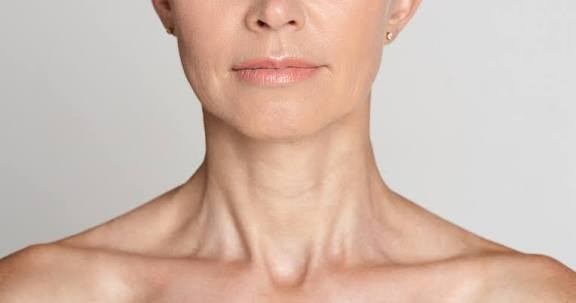
Changes in the appearance of the neck are a common part of getting older. Skin may gradually look less firm, horizontal lines can become more visible, and the area beneath the chin may develop a softer or looser appearance. People sometimes call this “turkey neck,” but the medical factors behind neck skin sagging are more complex than a single label suggests.
Neck aging can be influenced by the natural decline of collagen and elastin, long-term sun exposure, genetics, body-weight changes, posture, smoking, and changes in the muscles and fat beneath the skin. While no topical product or exercise can completely remove substantial excess skin, evidence-based skin care and healthy habits may improve texture, hydration, and the appearance of fine lines. For people seeking more noticeable changes, qualified dermatology and plastic surgery professionals can explain the potential benefits and limitations of medical treatments.
This guide explains why neck skin sags, what can realistically help, and how to make informed choices without relying on dramatic online claims or unrealistic promises.
Why Does Neck Skin Sag With Age?
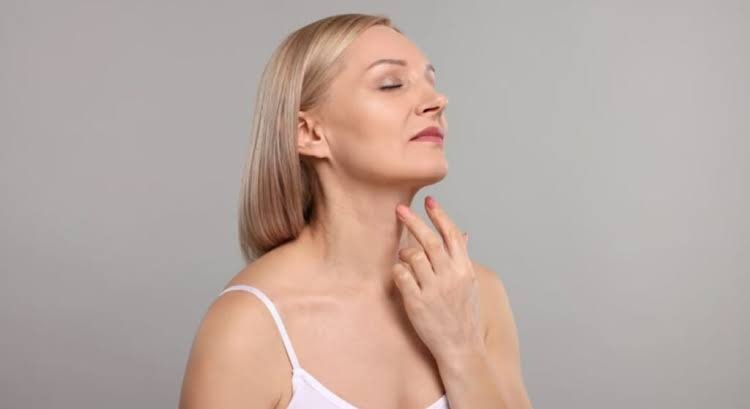
Skin changes over time because its structure gradually evolves. Collagen is a protein that provides strength and support, while elastin helps skin stretch and return toward its original shape. With aging, the body produces less collagen and elastin, and existing fibers can become less organized. This contributes to thinner skin, fine lines, and reduced firmness.
The neck can show these changes prominently. Compared with some facial areas, neck skin is relatively thin and is frequently exposed to daylight, movement, and friction from clothing. Many people also focus their skin-care routine on the face and unintentionally overlook the neck and upper chest.
Changes below the skin also matter. The platysma, a broad muscle extending from the chest toward the jawline, can become more visible or separate into vertical bands as people age. Fat distribution can change beneath the chin and along the jaw. Together, these changes may affect the contour of the neck even when the skin itself is healthy.
It is important to recognize that these changes are normal. A sagging neck is not a sign that someone has failed to care for themselves. Aging affects every person differently, and the goal of skin care should be protection, comfort, and informed decision-making rather than an impossible standard of permanent youthfulness.
How Sun Exposure Affects Neck Skin Elasticity
Ultraviolet radiation is one of the most important preventable contributors to visible skin aging. The American Academy of Dermatology and other health organizations describe how ultraviolet, or UV, exposure can damage collagen and elastin over time. This process is often called photoaging.
Photoaging may contribute to wrinkles, uneven tone, rougher texture, and reduced elasticity. The neck and upper chest are especially vulnerable because they are often exposed while wearing open collars, sleeveless clothing, or swimwear. Even people who use sunscreen regularly on their faces may forget to apply it below the jawline.
Daily sun protection cannot erase all existing signs of aging, but it can reduce ongoing UV damage. Broad-spectrum sunscreen protects against both UVA and UVB rays. Dermatology guidance commonly recommends a broad-spectrum, water-resistant sunscreen with an SPF of 30 or higher for exposed skin. Reapplication is important during extended time outdoors, particularly after sweating or swimming.
- Apply sunscreen to the neck, ears, upper chest, and any other exposed skin.
- Use enough product to cover the area evenly, following the label instructions.
- Wear a wide-brimmed hat, protective clothing, or a collar when practical.
- Seek shade during periods of strong sunlight, especially during prolonged outdoor activity.
Sun protection is also relevant to skin cancer prevention. If a mole, spot, or patch of skin on the neck changes in color, size, shape, or sensation, it is sensible to seek medical advice.
The Role of Genetics in Neck Aging
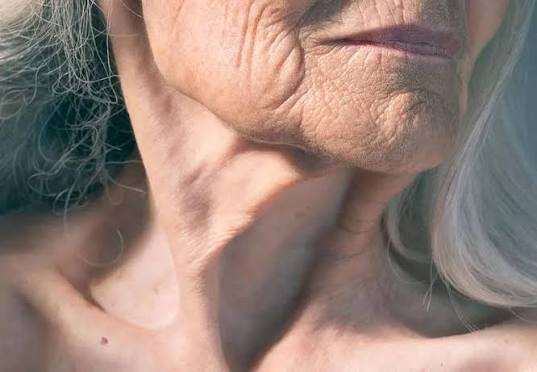
Genetics can influence the timing and pattern of visible aging. Some people naturally have thicker skin, more resilient connective tissue, or a jawline and neck structure that makes laxity less noticeable. Others may notice fine lines, loss of firmness, or changes beneath the chin earlier in adulthood.
Inherited factors can affect skin thickness, collagen organization, facial structure, and the way fat is distributed. Family patterns may offer clues, but they do not determine every outcome. Environmental exposures, health behaviors, medical history, and individual skin-care habits also influence how the neck changes over time.
Genetics cannot be changed, but preventable damage can often be reduced. Consistent sun protection, gentle skin care, avoiding smoking, maintaining overall health, and seeking professional guidance when needed are practical ways to support skin quality regardless of inherited traits.
Weight Changes and Loose Neck Skin
Weight changes may affect the neck and jawline. After substantial weight loss, skin that was stretched for a long period may not fully contract. The degree of looseness varies widely and can depend on age, genetics, the amount and pace of weight loss, the duration of higher body weight, and the skin’s underlying elasticity.
Repeated weight cycling may also change the appearance of skin over time, although body shape and skin response differ greatly between individuals. Maintaining a stable weight that is appropriate for a person’s health can help minimize repeated stretching. However, it cannot guarantee that loose skin will be prevented or reversed.
People who lose weight for health reasons should not view loose skin as a failure. It is a common physical outcome after major changes in body size. Gradual, sustainable approaches to nutrition and activity are usually more supportive of long-term health than extreme dieting. Anyone considering significant weight changes should seek individualized advice from a qualified healthcare professional, particularly if they have an underlying health condition.
Hydration, Moisturizer, and Skin Barrier Support
Well-hydrated skin often looks smoother and feels more comfortable. When the outer skin barrier is dry or irritated, fine lines and rough texture may appear more noticeable. Moisturizers can improve the appearance of dryness and temporarily make skin look more supple.
However, hydration has limits. Drinking large amounts of water does not directly tighten loose skin caused by reduced collagen, aging, or substantial weight loss. Fluid needs vary according to climate, activity level, diet, medications, and health status. Rather than following a rigid number of glasses each day, most people can focus on drinking regularly and responding to thirst, unless a clinician has provided specific guidance.
For topical skin care, useful moisturizing ingredients may include glycerin, hyaluronic acid, and ceramides. Glycerin and hyaluronic acid attract water to the outer layers of skin, while ceramides help support the skin barrier. Applying moisturizer after bathing can help reduce moisture loss.
A gentle cleanser is also helpful. Very hot water, harsh scrubs, and strongly fragranced products can irritate sensitive neck skin. Because the neck may react more easily than the face, it is wise to introduce new products slowly and stop using a product if it causes persistent burning, rash, or swelling.
Do Neck Exercises, Facial Yoga, and Viral Hacks Work?
Social media often promotes facial exercises, massage tools, ice rolling, gua sha, and home-made masks as ways to “lift” loose neck skin. Some techniques may feel relaxing or temporarily reduce puffiness. Gentle massage can also encourage a person to slow down and maintain a regular self-care routine.
But there is limited high-quality evidence that these methods can create lasting improvement in significant skin laxity. A roller or massage tool cannot rebuild lost collagen, remove excess skin, or alter deeper muscle changes. Similarly, a moisturizing mask may make skin look temporarily smoother without producing a true lifting effect.
Neck exercises can support posture and muscle function. Chin tucks, gentle stretches, and exercises recommended by a physiotherapist may be useful for people whose forward-head posture contributes to the appearance of a less defined jawline. Still, stronger muscles do not necessarily mean tighter skin.
Anyone trying neck exercises should avoid painful or forceful movements. Stop if dizziness, pain, numbness, or unusual discomfort occurs. People with neck injuries, arthritis, neurological conditions, or persistent pain should consult a healthcare professional before beginning a new exercise routine.
Skincare Ingredients That May Improve the Appearance of the Neck
A practical neck skin-care routine does not need to be expensive. Daily sunscreen, a moisturizer that suits the skin, and carefully selected active ingredients may improve texture, uneven tone, and fine lines over time. Results tend to be gradual, and consistency matters more than a large collection of products.
- Retinoids: Retinol and prescription retinoids are vitamin A derivatives. They can help improve fine lines and photoaging in some people, but may cause dryness and irritation. Start slowly, use a small amount, and follow product or clinician instructions.
- Vitamin C: This antioxidant is commonly used in morning skin-care routines. It may help address the appearance of uneven pigmentation and support protection against environmental stress when used alongside sunscreen.
- Hyaluronic acid: This ingredient can help draw moisture into the outer skin layer, creating a more hydrated and temporarily plumper appearance.
- Ceramides and glycerin: These ingredients support hydration and the skin barrier, making them useful choices for dry or sensitive neck skin.
- Peptides: Peptides are common in “firming” products. Some formulations may support skin quality, but evidence that they create substantial lifting of loose skin remains limited.
Retinoids should be used with care because the neck can be sensitive. They may not be appropriate during pregnancy, and people who are pregnant, breastfeeding, managing a skin condition, or using prescription treatments should ask a doctor or pharmacist before use. Sunscreen is particularly important when using products that may increase sensitivity to sunlight.
Professional Treatments for Sagging Neck Skin
When home skin care does not provide the desired result, a board-certified dermatologist or qualified plastic surgeon can assess the causes of neck aging. A professional consultation should consider skin laxity, sun damage, fat distribution, muscle bands, medical history, and the person’s priorities.
Non-surgical treatments may include radiofrequency, ultrasound-based devices, and certain laser procedures. These technologies are designed to deliver energy to targeted layers of tissue and may stimulate collagen remodeling or improve skin texture. Results are variable, often modest, and may require multiple sessions. They are generally more effective for mild to moderate laxity than for large amounts of excess skin.
All procedures carry potential risks. Depending on the treatment, these may include discomfort, temporary redness or swelling, pigment changes, burns, scarring, or uneven results. The safety and effectiveness of a procedure depend on the technology, the practitioner’s training, the patient’s skin type, and appropriate aftercare.
A surgical neck lift may be considered for more pronounced loose skin, excess fat, or changes in the underlying neck muscles. Surgery can create more substantial and longer-lasting contour changes than non-surgical treatments, but it involves anesthesia or sedation, healing time, expense, and possible complications. A reputable surgeon will explain realistic outcomes, recovery expectations, and alternatives before any decision is made.
Be cautious about providers who promise guaranteed results, advertise a procedure as entirely risk-free, or pressure people to book immediately. Ask about professional credentials, the device or procedure being used, expected results, possible side effects, and what follow-up care is available.
Everyday Habits That Support Healthier-Looking Neck Skin
Healthy habits cannot stop the aging process, but they can support overall skin health and reduce avoidable damage. A balanced eating pattern that includes fruits, vegetables, protein foods, whole grains, and healthy fats provides nutrients needed throughout the body. Vitamin C is involved in collagen formation, while protein provides amino acids used in normal tissue maintenance.
Regular physical activity supports cardiovascular health, mobility, mood, and weight management. Adequate sleep is also important for general well-being and the body’s normal restorative processes. Managing stress through realistic routines, social connection, relaxation, or exercise may support overall health, even though stress reduction alone will not tighten loose skin.
Avoiding smoking is especially important. Smoking is associated with premature skin aging and can damage structures that help skin remain resilient. Limiting alcohol intake in line with health guidance may also support better overall health and reduce behaviors that contribute to dehydration or poor sleep.
A Realistic Approach to a Firmer-Looking Neck
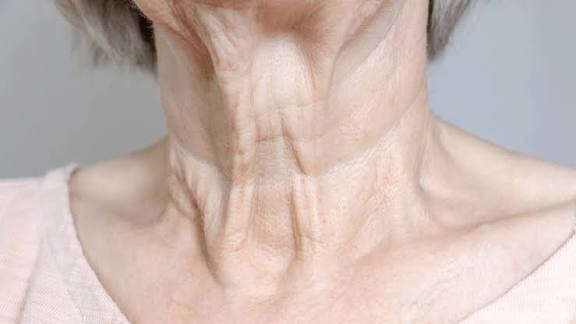
Neck skin sagging is usually the result of normal aging combined with factors such as sun exposure, genetics, weight changes, and changes in deeper tissue. There is no single cream, exercise, or viral device that can reliably remove substantial loose skin. Yet simple measures can make a meaningful difference to skin health: use sunscreen consistently, moisturize, avoid smoking, maintain sustainable habits, and treat active skin-care ingredients with patience.
If neck changes are affecting confidence or comfort, a consultation with a qualified medical professional can provide individualized options. The most useful approach is one based on accurate information, realistic expectations, and respect for the fact that every person’s skin changes differently over time.
Sources
Disclaimer: This content is intended for entertainment purposes only and is not based on real events.