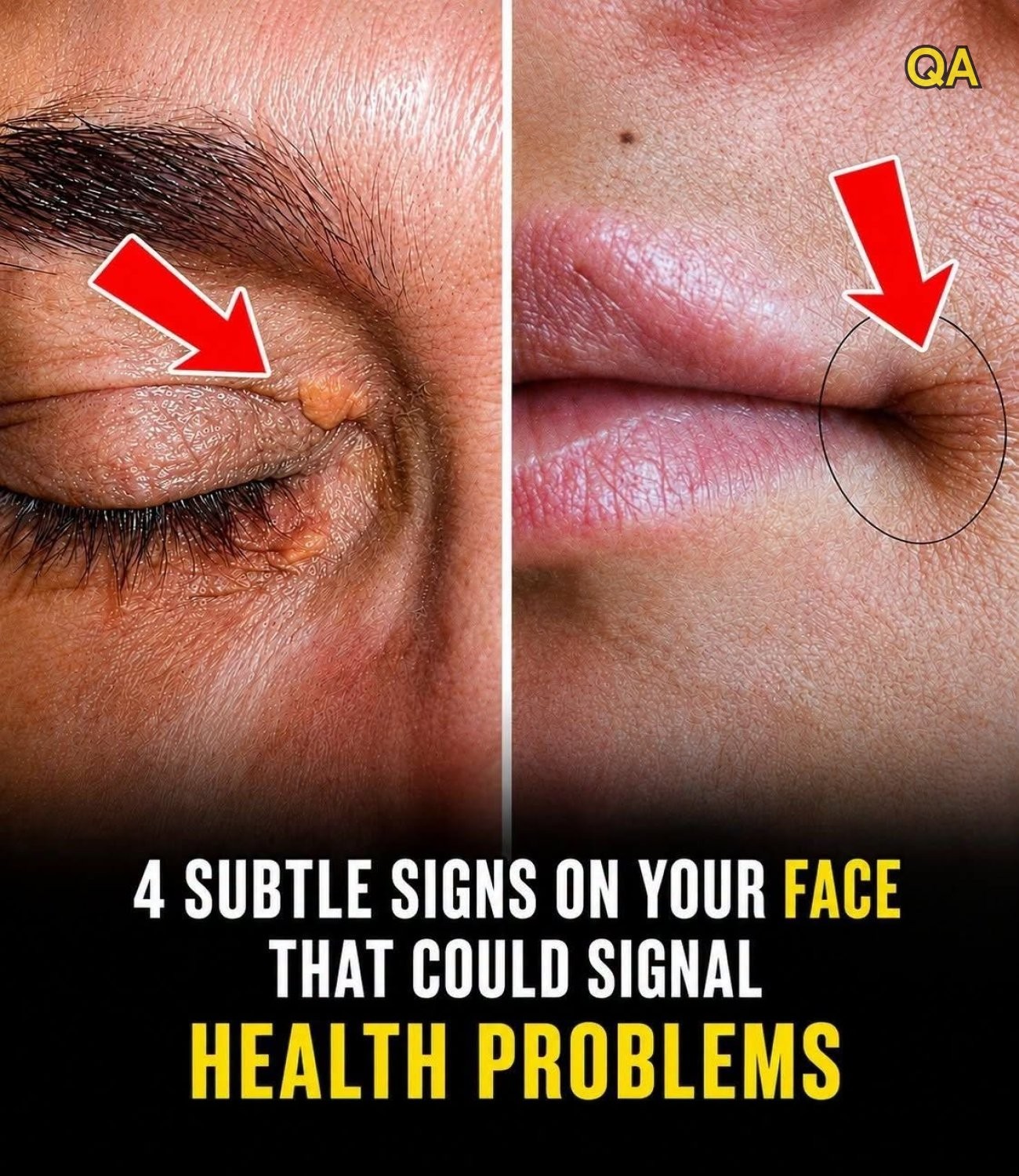
Changes in the face are often dismissed as cosmetic concerns, especially when they involve the delicate skin around the eyes and mouth. A yellow patch near an eyelid, repeated cracking at the corners of the lips, an unusually pale appearance, or persistent facial puffiness may have harmless explanations. Sleep, seasonal allergies, skin irritation, dehydration, aging, and changes in diet can all affect how the face looks from day to day.
However, some visible changes can also be useful prompts to consider overall health. Clinicians routinely observe the skin, eyes, mouth, and face during physical examinations because these areas may provide information about circulation, nutrition, inflammation, allergies, and other body systems. Appearance alone cannot diagnose a medical condition, but a new or persistent change can be worth discussing with a qualified healthcare professional.
The key is to avoid self-diagnosis. Many signs have several possible causes, and the correct explanation depends on symptoms, medical history, examination findings, and sometimes laboratory testing. Here are five changes around the eyes and mouth that may offer useful health clues, along with practical guidance on when to seek care.

1. Small Yellow Bumps or Patches Around the Eyes
Soft yellowish patches, plaques, or slightly raised bumps near the eyelids—often close to the inner corners of the eyes—may be xanthelasma. These deposits contain cholesterol and are found beneath the skin. They are usually painless, do not affect vision, and may gradually become more noticeable over time.
Xanthelasma can occur in people with normal cholesterol levels, but it may also be associated with elevated blood lipids, including cholesterol and triglycerides. For this reason, clinicians may recommend a lipid panel for someone who develops these deposits, particularly if they have a family history of high cholesterol, early heart disease, diabetes, high blood pressure, or other cardiovascular risk factors.
High cholesterol generally has no obvious symptoms. A blood test remains the reliable way to measure it. According to major heart-health organizations, managing cholesterol is based on an individual’s overall cardiovascular risk, rather than a single visible feature. Age, smoking status, blood pressure, diabetes, family history, and laboratory results can all influence the discussion about lifestyle measures or medication.
What to do about yellow eyelid deposits
If you notice new yellow patches around your eyelids, arrange a routine medical appointment. A healthcare professional can determine whether they are consistent with xanthelasma and whether blood tests are appropriate. The patches themselves are typically not dangerous, although some people may choose to discuss cosmetic treatment with a dermatologist or eye specialist.
It is important not to try to remove eyelid lesions at home. The skin around the eyes is thin and sensitive, and home removal methods can lead to irritation, scarring, or injury. Assessment is especially important if a bump changes quickly, becomes painful, affects the eye, or has an uncertain appearance.
2. Cracks at the Corners of the Mouth
Persistent redness, splitting, soreness, or crusting at the corners of the mouth may be caused by angular cheilitis. This common condition can make eating, talking, smiling, or opening the mouth uncomfortable. The skin may look dry or inflamed, and repeated stretching can make the cracks return.
Angular cheilitis has several possible causes. Saliva can collect at the mouth corners and repeatedly irritate the skin, particularly overnight. This is more likely when dentures do not fit well, when the bite has changed, or when skin folds around the mouth retain moisture. Yeast, including Candida, or bacterial infection may contribute in some cases. Contact irritation from lip products, toothpaste, or cosmetics can also play a role.
Nutritional deficiencies are another consideration, although they are not the explanation for every case. Iron deficiency and deficiencies involving B vitamins, including vitamin B12, have been associated with mouth and tongue changes. A clinician may consider testing when angular cheilitis is recurrent, severe, or accompanied by fatigue, tongue soreness, weight changes, digestive symptoms, or other signs of possible deficiency.
Protecting irritated mouth corners
Simple care can be helpful while the area heals. Avoid licking the lips and corners of the mouth, because saliva can worsen irritation as it evaporates. A bland protective ointment, such as petroleum jelly, may reduce moisture-related irritation for some people. Gentle, fragrance-free products are generally less likely to aggravate sensitive skin.
If symptoms persist for roughly two weeks, return frequently, spread, or become increasingly painful, seek professional advice. Treatment depends on the cause and may include addressing irritation, reviewing dentures, treating an infection when confirmed or strongly suspected, or investigating a possible nutritional issue. Taking iron or vitamin supplements without evaluation is not always appropriate and may delay identification of the real cause.
3. Unusual Paleness and the Possibility of Anemia
Skin tone naturally varies widely, and a person’s complexion can appear different depending on lighting, temperature, sun exposure, or fatigue. Yet a noticeable change from someone’s normal appearance—especially paleness involving the lips, gums, nail beds, or inner lower eyelids—can sometimes occur with anemia.
Anemia develops when the blood does not have enough healthy red blood cells or enough hemoglobin to carry oxygen efficiently. Iron deficiency is a common cause worldwide, but anemia can also result from vitamin B12 or folate deficiency, chronic inflammatory conditions, kidney disease, inherited blood disorders, or blood loss. Because there are multiple types of anemia, it should not be assumed that iron is always the answer.
Possible symptoms include persistent tiredness, weakness, headaches, dizziness, reduced exercise tolerance, shortness of breath during activity, cold hands and feet, or a fast heartbeat. Symptoms vary depending on the cause, severity, and how quickly anemia develops. Some people with mild anemia may have few noticeable symptoms.
Why testing matters
A complete blood count and other targeted tests can help a clinician determine whether anemia is present. If it is, further evaluation can identify the likely cause and guide treatment. This distinction matters because treating iron deficiency differs from treating vitamin B12 deficiency, chronic disease-related anemia, or anemia linked to blood loss.
Anyone with unexplained paleness combined with ongoing fatigue, dizziness, shortness of breath, chest discomfort, fainting, or a racing heartbeat should seek medical advice. More urgent assessment may be needed for severe symptoms, sudden worsening, or signs of significant illness. Do not rely on facial appearance alone to judge whether anemia is present.
4. Persistent Facial Puffiness or Swelling
Mild puffiness around the eyes after waking is common and often temporary. Poor sleep, crying, a salty meal, alcohol, seasonal allergies, sinus congestion, or sleeping face-down can contribute to short-lived fluid retention. In many cases, the swelling improves as the day goes on.
Facial puffiness that persists, repeatedly returns, or appears with other symptoms deserves more attention. Allergic reactions can cause swelling around the eyes, lips, or face. Some thyroid conditions, including hypothyroidism, may be associated with puffiness as well as fatigue, dry skin, constipation, or increased sensitivity to cold. Kidney conditions can sometimes contribute to fluid retention, including swelling around the eyes and elsewhere in the body.
Medication effects, dental problems, sinus conditions, skin inflammation, and infections are other possible explanations. The presence of pain, warmth, redness, fever, tooth pain, rash, leg swelling, changes in urination, or unexplained weight changes can help a clinician narrow down the cause.
When facial swelling is an emergency
Sudden swelling of the lips, tongue, mouth, or throat can be a sign of a serious allergic reaction, particularly when it occurs with trouble breathing, wheezing, difficulty swallowing, dizziness, or widespread hives. These symptoms require emergency medical help immediately. They should not be managed solely with home remedies or delayed while waiting to see if swelling improves.
For non-emergency puffiness that lasts for days, keeps returning without an obvious trigger, or occurs with other unexplained symptoms, arrange a medical evaluation. Keeping a brief record of when swelling occurs, recent foods or medicines, skin products, and accompanying symptoms may help during the appointment.
5. Persistent Skin Changes Around the Eyes and Mouth
The skin around the eyes and mouth is especially vulnerable to dryness and irritation. It is regularly exposed to saliva, food, cosmetics, shaving products, sunscreen, eye makeup, and environmental factors. As a result, redness, flaking, itching, or mild swelling in these areas is often caused by common skin conditions rather than a serious internal health problem.
Contact dermatitis can occur when the skin reacts to an ingredient in skincare, makeup, fragrance, toothpaste, or another product. Eczema can cause dry, itchy, inflamed patches. Perioral dermatitis may produce a rash around the mouth and sometimes around the nose or eyes. Allergies can also contribute to itchy or swollen eyelids.
New skin growths, sores that do not heal, recurring bleeding, or lesions that change in size, color, shape, or texture should be examined by a healthcare professional. These changes do not automatically indicate a serious condition, but they should not be assumed to be ordinary irritation without assessment.
Gentle skincare and sensible monitoring
For sensitive facial skin, use mild, fragrance-free cleansers and moisturizers where possible. Introduce only one new skincare or cosmetic product at a time, making it easier to recognize a potential trigger. Avoid scrubbing, picking, or repeatedly rubbing affected areas, which can prolong inflammation.
Sun protection is also important. Broad-spectrum sunscreen, protective clothing, and shade can help reduce sun-related skin damage. If a rash persists, spreads, becomes painful, or does not respond to simple measures, consult a clinician or dermatologist rather than continuing to experiment with multiple products.
Why Facial Changes Need Context
Visible signs can be helpful, but they are rarely specific enough to confirm a diagnosis. Yellow eyelid deposits do not prove that cholesterol is high. A pale appearance does not establish anemia. Puffy eyes do not necessarily mean a thyroid or kidney condition. Likewise, mouth-corner cracks may result from local irritation rather than a vitamin deficiency.
Healthcare professionals consider the full picture: the timing of the change, personal and family medical history, medicines, diet, symptoms elsewhere in the body, physical examination, and relevant tests. This approach reduces the risk of overlooking important conditions while also preventing unnecessary anxiety about harmless changes.
Paying attention to your usual appearance can still be valuable. A change that is new, persistent, unexplained, or accompanied by other symptoms is more meaningful than a minor fluctuation after a poor night’s sleep or a new cosmetic product. Taking a photograph over time can sometimes help document whether a visible feature is changing, but it is not a substitute for clinical evaluation.
When to Speak With a Healthcare Professional
Consider booking an appointment if you notice new yellow deposits around the eyelids, recurring cracks at the mouth corners, unexplained paleness with fatigue or breathlessness, persistent facial swelling, or a skin lesion that fails to heal. A primary care clinician, dentist, dermatologist, or eye specialist may be appropriate depending on the symptom.
Seek urgent or emergency care for facial swelling with breathing or swallowing difficulty, sudden severe symptoms, fainting, chest pain, or rapidly worsening illness. Prompt care is particularly important when symptoms affect the airway or develop quickly.
Final Thoughts
Small changes around the eyes and mouth can sometimes provide clues about general health, but they should be interpreted carefully. Many have everyday explanations, while others may point to issues worth investigating, such as abnormal cholesterol levels, anemia, allergies, skin conditions, or fluid retention.
The most useful approach is calm observation rather than alarm. Notice what is new, how long it lasts, whether it is changing, and whether other symptoms are present. Professional assessment, rather than appearance alone, is the best way to distinguish a temporary cosmetic issue from a health concern that may need treatment.
Sources
Disclaimer: This content is intended for entertainment purposes only and is not based on real events.