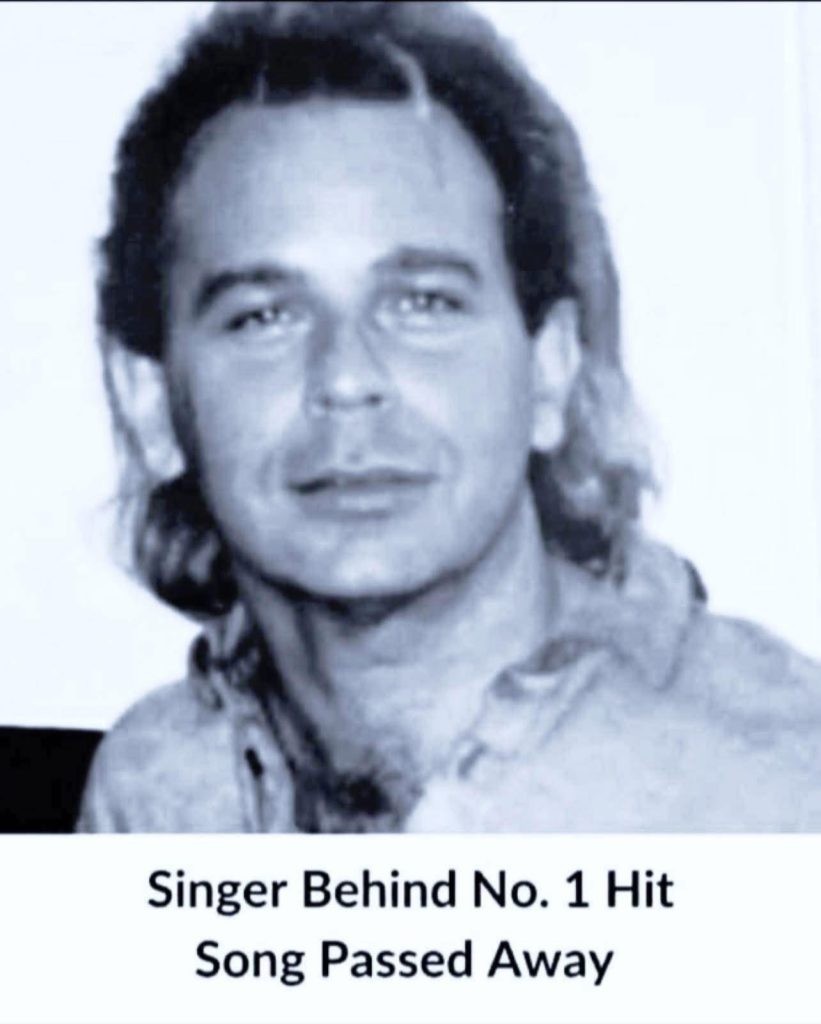
The news of Lou Christie’s passing carried a quiet sadness for generations of music fans.
For listeners who grew up with the sound of 1960s pop, his voice was more than simply distinctive. It was instantly recognizable—a soaring falsetto that could turn youthful emotion into something dramatic, energetic, and unforgettable.
Christie, born Lugee Alfredo Giovanni Sacco, built a remarkable career around that extraordinary voice. From his early success with “The Gypsy Cried” and “Two Faces Have I” to his signature hit “Lightnin’ Strikes,” he became one of the most recognizable pop singers of his era.
When Christie died in June 2025 at age 82, following a short illness at his home in Pittsburgh, the music world lost an artist whose work had already become part of the soundtrack of another generation.
Yet the remarkable thing about a voice like his is that it does not disappear when the performer leaves the stage.
It remains in the recordings.
It remains in memories.
And for longtime listeners, it can return instantly the moment the first notes of a familiar song begin to play.
From Lugee Sacco to Lou Christie
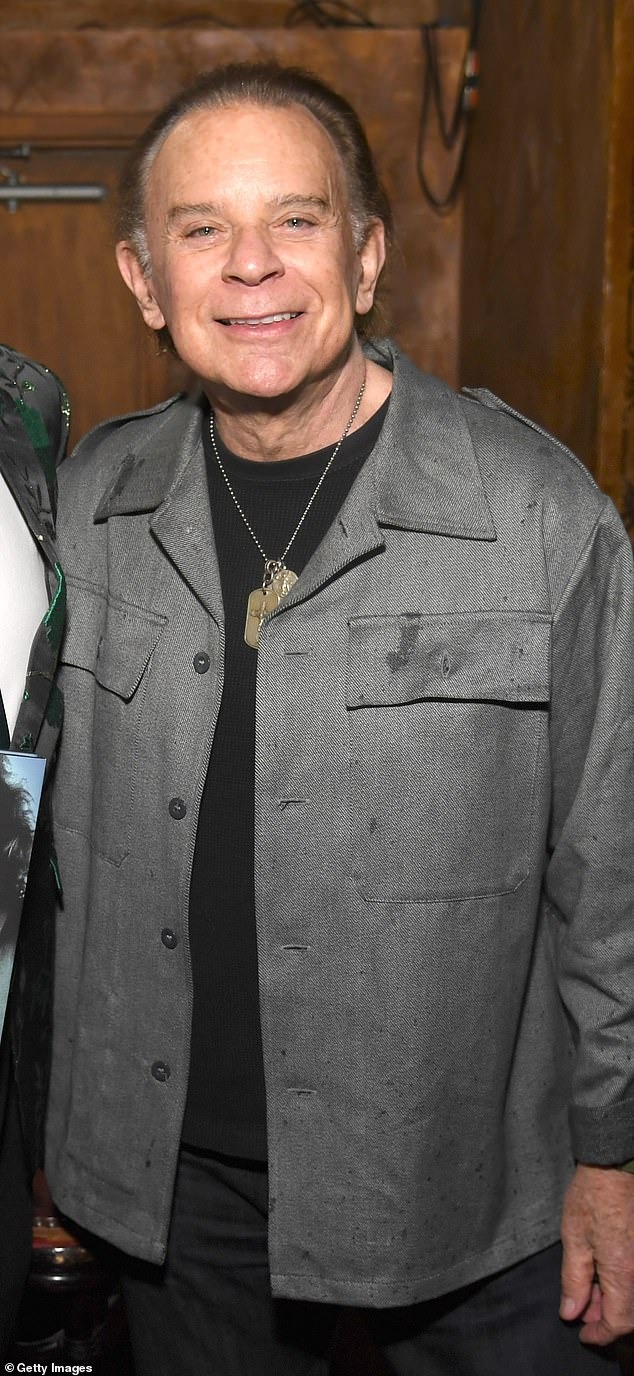
Lou Christie was born on February 19, 1943, in Glenwillard, Pennsylvania, near Pittsburgh.
Music was already an important part of his life when he was young. He sang in school and developed an interest in performing, eventually becoming involved with local vocal groups.
His original name, Lugee Alfredo Giovanni Sacco, was eventually replaced professionally by the name Lou Christie. A local record producer helped establish the stage name during the early years of his recording career.
What followed was a career that would take him from the Pittsburgh area to the national charts.
But one of the most important relationships in that journey began when Christie was still a teenager.
The Songwriting Partnership That Shaped His Career
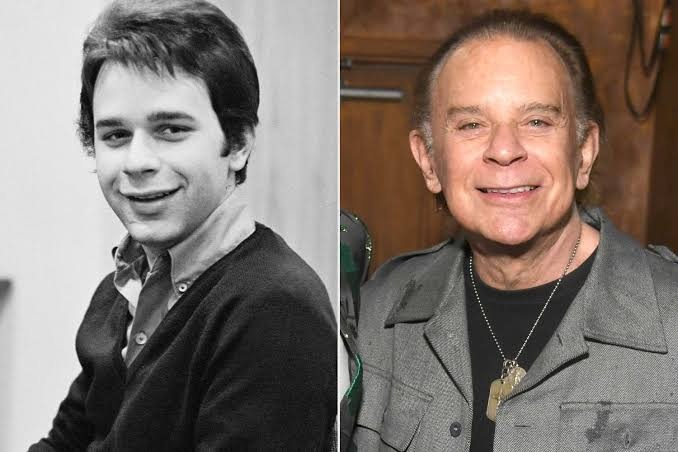
When Christie was about 15, he met songwriter and musician Twyla Herbert.
The two would go on to form one of the most unusual and productive songwriting partnerships of his career.
Herbert was a classically trained pianist and songwriter, and together they developed a creative relationship that produced many of Christie’s best-known songs.
Their collaborations included “The Gypsy Cried,” “Two Faces Have I,” “Lightnin’ Strikes,” and “Rhapsody in the Rain.”
Christie later described Herbert as an extraordinary creative partner. Their approach to songwriting often began with an idea or title and developed from there.
Their work demonstrated something that became central to Christie’s identity: his songs were not simply vehicles for his voice. They were written and arranged to take advantage of his remarkable vocal range.
“Lightnin’ Strikes” Became His Signature Song
If one song is most closely associated with Lou Christie, it is undoubtedly “Lightnin’ Strikes.”
Released in 1965 and becoming a major hit in 1966, the song climbed to No. 1 on the Billboard Hot 100. It was written by Christie and Herbert and produced by Charles Calello.
The song stood out immediately.
Its arrangement was energetic and dramatic, while Christie’s soaring vocals gave it an intensity that separated it from much of the pop music surrounding it.
For many listeners, that combination became the defining sound of an era.
“Lightnin’ Strikes” was not simply another successful single. It became the song most closely associated with Christie’s name.
Decades later, it remains the recording most likely to introduce new listeners to his music.
A Voice That Was Impossible to Mistake
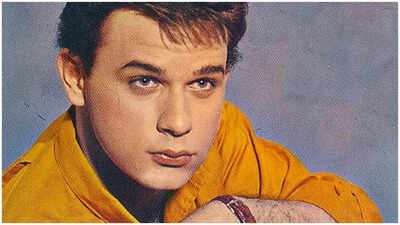
Christie’s greatest musical trademark was his extraordinary falsetto.
At a time when many pop singers had recognizable styles, his high register immediately distinguished him from his contemporaries.
The voice could sound youthful, emotional, theatrical, and almost otherworldly.
It was a quality that helped songs such as “Two Faces Have I” and “Lightnin’ Strikes” stand out on the radio.
His vocal range also sometimes surprised listeners who heard him without knowing what he looked like. His voice was so high that some early listeners were reportedly unsure who was actually singing.
That unusual vocal identity became one of his greatest strengths.
Instead of trying to sound like everyone else, Christie built his career around the sound that made him different.
More Than One Hit
It would be easy to remember Christie only for “Lightnin’ Strikes.”
But his career was considerably broader.
“The Gypsy Cried” became his breakthrough hit, reaching the national charts in 1963. “Two Faces Have I” followed and became another major success.
Later came “Rhapsody in the Rain,” another Christie-Herbert composition that attracted considerable attention.
By the end of the 1960s, Christie had entered another successful period with “I’m Gonna Make You Mine,” written by Tony Romeo. The song became one of his biggest international successes and reached No. 2 in the United Kingdom.
His career did not remain confined to one musical formula, either.
Over the years, Christie explored different styles and continued recording and performing beyond the period when he was best known as a 1960s pop star. AllMusic describes his career as extending from the 1960s into the 2020s.
The Man Behind the Voice
The public image of a pop star can sometimes overshadow the person behind the microphone.
Christie’s story, however, was also one of persistence.
He entered the music business as a young performer from Pennsylvania and spent decades navigating the changing music industry.
He resisted attempts to fit him neatly into the conventional teen-idol mold and continued pursuing his own musical interests.
That determination became an important part of his career.
The Pittsburgh Post-Gazette recalled Christie describing his early musical ambitions in terms of determination, desire, and passion for creating a career in music.
Those qualities help explain why his career lasted far beyond his initial chart successes.
A Partnership That Left a Musical Legacy
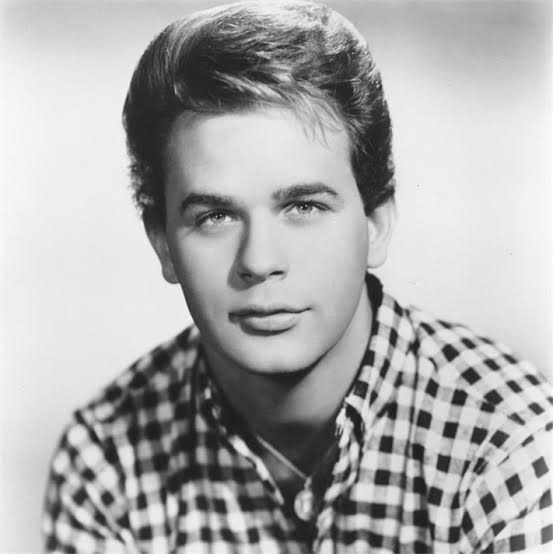
Twyla Herbert’s role in Christie’s career deserves special recognition.
Their songwriting partnership produced many of the songs that defined his early success.
Herbert died in 2009, but the songs they created together remain part of Christie’s musical legacy.
Their collaboration is particularly interesting because it began when Christie was still a teenager and continued across decades.
Together, they developed a sound that combined dramatic songwriting, memorable melodies, unusual vocal arrangements, and Christie’s extraordinary range.
“Lightnin’ Strikes” remains perhaps the clearest example of what that partnership could produce.
Why “Lightnin’ Strikes” Still Matters
Music from the 1960s can sometimes feel separated from modern audiences by decades of changing styles.
Yet certain recordings remain surprisingly timeless.
“Lightnin’ Strikes” is one of them.
Part of its staying power comes from the song itself. But Christie’s performance is equally important.
The soaring vocal delivery gives the recording an emotional immediacy that does not require listeners to have lived through the 1960s to appreciate it.
That is the mark of a memorable performance.
A song can belong to one era while still speaking to another.
Remembering Lou Christie
Lou Christie died on June 18, 2025, at his home in Pittsburgh, according to multiple reports. He was 82. His family said he had been dealing with a short illness.
His death marked the end of a life that had taken him from a Pennsylvania school choir to the top of the American pop charts.
But his musical story does not end there.
Every time “Lightnin’ Strikes” plays on an oldies station, a streaming service, a classic-pop playlist, or a personal record collection, a piece of that story begins again.
The voice is still there.
The falsetto still rises above the arrangement.
The emotion still comes through.
And listeners who remember hearing Christie during his greatest years can be transported back to another time with just a few notes.
Some Voices Never Really Fade
There is something special about music that becomes attached to memories.
A song can remind someone of a particular year, a first romance, a family road trip, a dance, a summer evening, or simply the sound of a radio playing in the background while life was happening.
That may be part of why the passing of an artist like Lou Christie feels personal even to people who never met him.
His recordings became part of people’s lives.
Christie gave audiences a voice unlike almost any other in popular music. His partnership with Twyla Herbert produced songs that became enduring pop classics, while his unmistakable falsetto gave those songs their identity.
He may no longer be able to step onto a stage and deliver those songs himself.
But the recordings remain.
And as long as someone presses play and hears that extraordinary voice rise into the air, Lou Christie remains part of the moment.
Some performers are remembered for awards.
Others are remembered for chart positions.
And a rare few are remembered because, decades later, you can hear one note and immediately know who it is.
Lou Christie was one of those voices.
SEO Information
Focus Keyword: Lou Christie
Secondary Keywords:
Lou Christie death, Lou Christie biography, Lightnin’ Strikes, Lou Christie Lightnin’ Strikes, Lou Christie songs, Twyla Herbert, 1960s pop singers, Lou Christie falsetto, Lou Christie music legacy, Lou Christie hits
SEO Title:
Lou Christie: Remembering the Voice Behind “Lightnin’ Strikes”
Meta Description:
Remembering Lou Christie, the distinctive 1960s pop singer behind “Lightnin’ Strikes,” his songwriting partnership with Twyla Herbert, and his lasting musical legacy.
Suggested Slug:lou-christie-lightnin-strikes-legacy
Sources