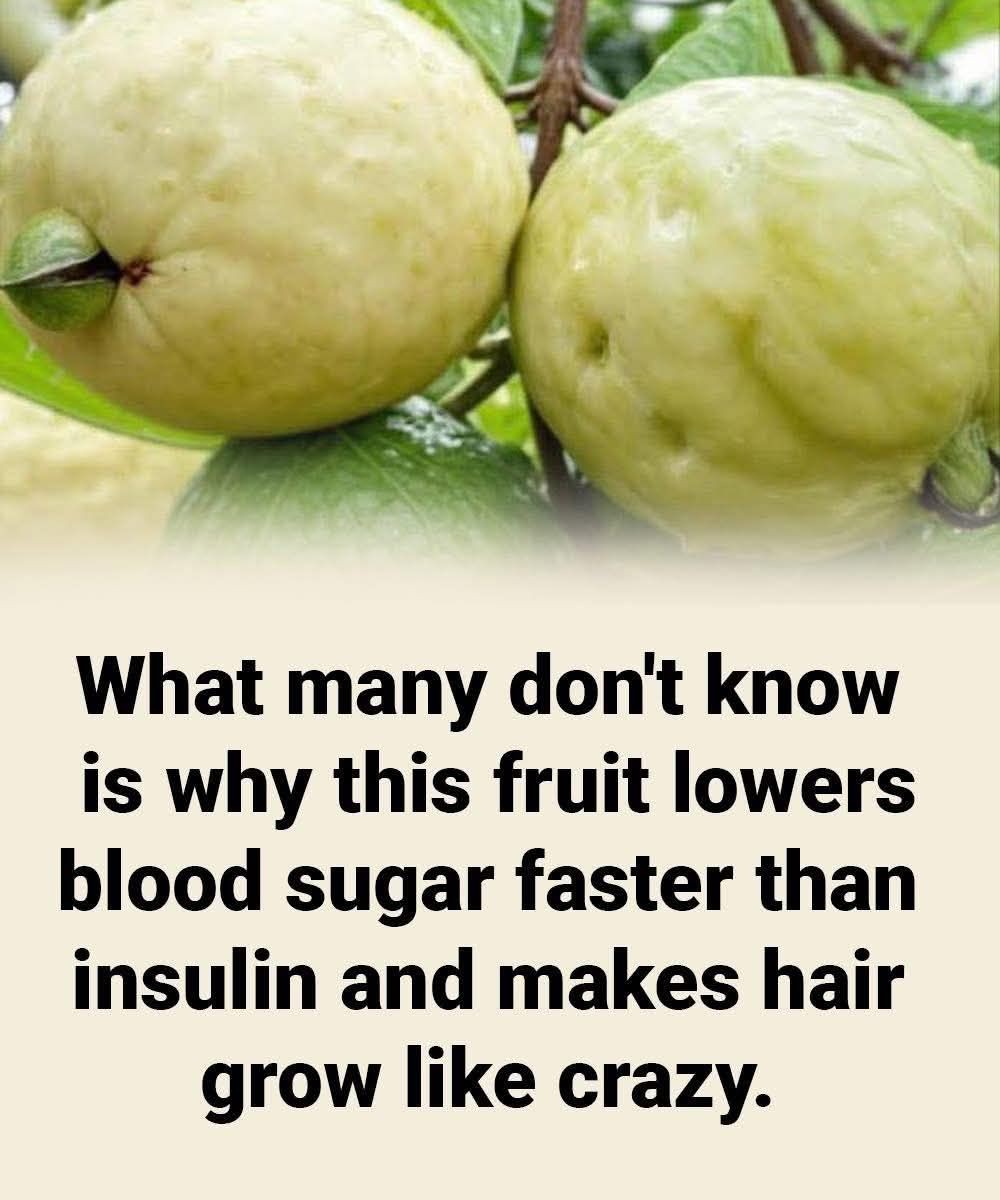
Guava is a tropical fruit valued for its fragrant flavor, crisp texture, and impressive nutritional profile. It is also often discussed as a potentially useful fruit for people who are managing diabetes, prediabetes, or general blood sugar health. While no single food can prevent or treat diabetes on its own, guava can fit well into a balanced eating pattern because it provides fiber, vitamin C, potassium, and other plant compounds with relatively modest amounts of carbohydrate per serving.
For people monitoring glucose levels, the most important question is not whether a fruit is “good” or “bad,” but how its carbohydrate content, fiber, serving size, and preparation method affect the overall meal. Fresh guava may be a satisfying option when eaten in appropriate portions, especially when compared with sweetened fruit drinks, desserts, or heavily processed snacks. However, individual blood sugar responses differ, and anyone using insulin or glucose-lowering medication should discuss meaningful diet changes with a qualified healthcare professional.
Why Blood Sugar Management Matters
Blood glucose, commonly called blood sugar, is the body’s main source of energy. After eating carbohydrate-containing foods, the digestive system breaks them down into glucose, which enters the bloodstream. Insulin, a hormone produced by the pancreas, helps cells take up glucose for energy or storage.
In type 2 diabetes, the body may not respond to insulin as effectively as it should, a condition known as insulin resistance. Over time, the pancreas may also struggle to make enough insulin. Type 1 diabetes is an autoimmune condition in which the body produces little or no insulin. In both cases, ongoing blood glucose management is important for overall health.
Nutrition is one part of diabetes care alongside physical activity, prescribed medication when needed, sleep, stress management, and regular medical follow-up. Health authorities generally encourage people to choose high-fiber foods, vegetables, fruits, whole grains, legumes, and lean sources of protein while limiting sugary drinks and highly refined carbohydrates.
Guava Nutrition: Fiber, Vitamin C, and Key Micronutrients
Fresh guava is nutrient-dense. According to the United States Department of Agriculture food data, guava contains carbohydrate but also supplies dietary fiber, which can help slow digestion and promote fullness. It is particularly notable for vitamin C, an essential nutrient involved in immune function, collagen production, and antioxidant activity. Guava also contributes potassium, folate, and smaller amounts of other vitamins and minerals.
Fiber is especially relevant for people concerned about blood sugar. Soluble fiber forms a gel-like substance in the digestive tract and can slow the absorption of carbohydrates. Insoluble fiber supports regular bowel function and adds bulk to the diet. Foods containing fiber generally produce a more gradual rise in blood glucose than similarly sized portions of refined, low-fiber carbohydrate foods.
That does not mean fiber eliminates the effect of carbohydrates. Guava still contains naturally occurring sugars, and the total amount eaten matters. A whole fruit is generally a more balanced choice than a sweetened smoothie, fruit syrup, candy, or bottled juice because whole fruit retains its fiber and requires chewing, which may help people feel satisfied with a reasonable portion.
Guava, Glycemic Index, and Glycemic Load
Guava is frequently described as a lower-glycemic fruit. The glycemic index, or GI, is a measure of how quickly a carbohydrate-containing food raises blood glucose compared with a reference food. Foods with lower GI values tend to cause a slower increase in blood sugar, although GI results can vary depending on ripeness, variety, growing conditions, food preparation, and the way a person’s body responds.
Glycemic load is also useful because it considers both the quality and quantity of carbohydrate in a typical serving. In practical terms, even foods with a relatively low GI can raise blood sugar if eaten in very large portions. Conversely, a moderate amount of fruit consumed with protein, healthy fat, or a balanced meal may have a different effect than the same fruit eaten alone.
For this reason, it is more accurate to view guava as one possible component of a blood sugar-conscious diet rather than as a guaranteed glucose-lowering food. People who use a glucose meter or continuous glucose monitor may notice that their response depends on portion size, meal timing, medication, exercise, and overall carbohydrate intake.
Potential Benefits of Fresh Guava for People With Diabetes
Fresh guava may offer several practical advantages for people trying to make nutritious food choices. Its fiber content can support satiety, which may help with weight management when it replaces less nutritious snack foods. Weight management is often relevant in type 2 diabetes care, although healthy body size and treatment goals should always be individualized.
Guava’s vitamin C and naturally occurring plant compounds also contribute to its nutritional value. Fruits and vegetables contain a broad range of phytochemicals, including polyphenols and flavonoids. These compounds are being studied for their possible roles in inflammation, oxidative stress, and metabolic health. Laboratory and early clinical research is promising in some areas, but it does not establish that eating guava will directly improve insulin sensitivity or prevent diabetes complications.
Nutrition experts generally focus on dietary patterns rather than isolated “superfoods.” A varied intake of fruit, vegetables, beans, whole grains, nuts, seeds, and protein-rich foods is more strongly supported by evidence than relying on any one fruit or herbal product. Guava can be a flavorful way to add variety to that pattern.
How to Include Guava in a Balanced Meal Plan
Portion awareness is the most useful starting point. A small or medium fresh guava can be eaten as a snack, added to a fruit salad, or served with foods that provide protein or healthy fat. Pairing fruit with plain Greek yogurt, unsweetened cottage cheese, a handful of nuts, or a meal containing eggs, tofu, fish, or legumes may help create a more balanced snack or meal.
Choose guava that is fresh and ripe but not overly soft. Wash the fruit thoroughly under running water before cutting it. The skin is edible for many people and contains fiber, though some may prefer to peel it because of personal taste or digestive comfort. The seeds are also edible, but individuals with chewing difficulties or digestive concerns may prefer to remove them.
Fresh guava is usually preferable to guava juice for blood sugar management. Juicing removes much of the fruit’s fiber and can make it easy to consume a larger amount of carbohydrate quickly. Commercial guava nectars, fruit beverages, sweetened dried guava, jams, and candies may contain added sugar and should be checked carefully on the nutrition label.
A practical approach is to treat guava as one fruit serving within an overall eating plan. A registered dietitian, certified diabetes care and education specialist, or physician can help determine carbohydrate targets that match a person’s medical history, medication, activity level, and health goals.
What Does Research Say About Guava Leaves and Guava Leaf Tea?
Guava leaves have a long history of traditional use in several regions of the world. They are commonly brewed as tea and are sometimes promoted online for glucose control. Scientific interest has focused on compounds in the leaves, including polyphenols and flavonoids, which may influence carbohydrate digestion or metabolic pathways in laboratory settings.
However, the evidence in humans remains limited and is not strong enough to recommend guava leaf tea as a treatment for diabetes. Small studies and experimental research may suggest possible effects on post-meal glucose, but products, doses, preparation methods, and study designs vary considerably. More large, high-quality clinical trials are needed to determine effectiveness, appropriate dosing, and long-term safety.
People should not replace prescribed diabetes medication, insulin, or professional care with guava leaf tea or any herbal remedy. Combining herbal products with glucose-lowering medication could potentially contribute to low blood sugar in some circumstances. Herbal supplements may also vary in purity and strength, and they are not regulated in the same way as prescription medicines in many countries.

Safety Considerations and When to Seek Professional Advice
For most people, eating fresh guava in normal food amounts is generally considered safe. Still, dietary choices should be tailored to the individual. Someone with diabetes who is adjusting medication, experiencing frequent high or low glucose readings, or managing kidney disease should seek personalized guidance from a healthcare professional.
People with kidney disease may need to monitor potassium intake depending on the stage of disease and their treatment plan. Since guava contains potassium, it is sensible to ask a renal dietitian or clinician whether a specific portion is suitable. Anyone with a known fruit allergy should avoid guava and seek medical advice if they experience symptoms of an allergic reaction.
It is also important to be cautious about health claims on social media. Statements that guava “cures” diabetes, reverses the condition quickly, or can replace medical treatment are not supported by credible evidence. Diabetes is a complex medical condition, and safe management requires evidence-based care.
International Interest in Fruit, Fiber, and Diabetes Prevention
Diabetes is a major public health concern worldwide. The World Health Organization reports that the number of people living with diabetes has risen substantially over recent decades, with type 2 diabetes accounting for the majority of cases. This growing burden has increased interest in accessible, culturally familiar foods that can support healthier diets.
Guava is widely available in tropical and subtropical regions, including parts of Asia, Latin America, Africa, and the Caribbean. Its local availability can make it an appealing alternative to more processed snack foods. At the same time, public health guidance consistently emphasizes that food access, affordability, education, medical care, and social conditions all influence diabetes prevention and management.
For communities and individuals alike, the most sustainable approach is not to rely on a single ingredient. Rather, it is to build meals around minimally processed foods, drink water instead of sugar-sweetened beverages, stay physically active within personal ability, attend regular health checks, and follow treatment plans developed with health professionals.
The Bottom Line on Guava and Blood Sugar
Guava can be a nutritious addition to a balanced diet for many people, including those who are monitoring blood sugar. Its fiber, vitamin C, potassium, and naturally occurring plant compounds make it a more nutrient-rich choice than many processed sweet snacks. Eating fresh guava in moderate portions is generally more beneficial than drinking sweetened guava beverages or consuming heavily processed guava products.
Although guava and guava leaves are the subject of ongoing research, they should not be presented as a cure or standalone therapy for diabetes. The strongest evidence supports an overall pattern of balanced eating, appropriate portions, regular physical activity, medication adherence where prescribed, and individualized medical guidance. For anyone managing diabetes or prediabetes, discussing fruit intake and herbal products with a healthcare professional is the safest way to make informed choices.
Sources
- World Health Organization: Diabetes Fact Sheet
- Centers for Disease Control and Prevention: About Diabetes
- USDA FoodData Central: Guava Nutrition Data
- Diabetes UK: Fruit and Diabetes
- Mayo Clinic: Diabetes Diet and Healthy Eating
- National Center for Complementary and Integrative Health: Diabetes and Dietary Supplements
Disclaimer: This content is intended for entertainment purposes only and is not based on real events.