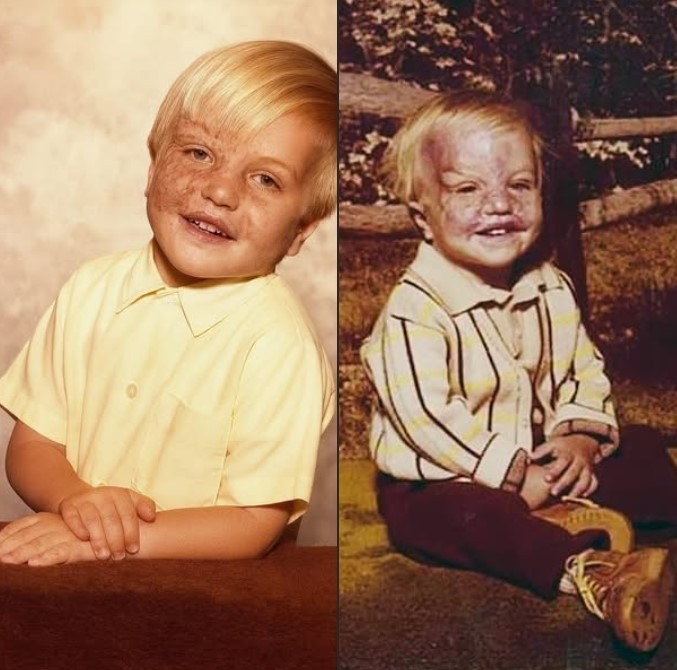
Keith Edmonds’ Journey of Survival and Recovery
Keith Edmonds’ reported life story is one of survival, long-term recovery, and the difficult work of rebuilding after childhood trauma. Accounts of his experience describe a serious burn injury when he was a toddler in Flint, Michigan, followed by extensive medical treatment, time in foster care, emotional hardship, substance use, and eventually a commitment to sobriety.
Stories involving childhood injury and family trauma require care. Behind the broad themes of resilience are experiences that can affect a person’s physical health, mental wellbeing, relationships, and sense of identity for years. They also raise wider questions about child protection, access to specialist medical care, support for foster children, and the importance of effective addiction treatment.
While individual details of personal cases should be understood through reliable records and first-person testimony, the wider issues reflected in Edmonds’ reported journey are well documented by public-health agencies and medical experts. Severe burns can require years of treatment. Childhood adversity can have lasting effects. Recovery from alcohol use disorder is possible, particularly when people can access compassionate, evidence-based support.
A Childhood Burn Injury and the Importance of Specialist Care
According to the original account, Edmonds was 14 months old when he sustained serious facial burns in November 1978. He was treated in hospital and later received reconstructive care at the Shriners Burn Institute in Cincinnati. For a young child, a major burn injury can be medically complex, with care extending far beyond emergency treatment.
Burns are classified by their depth and severity, but clinicians also consider their location, total body surface area, risk of infection, potential impact on movement, and the age and overall health of the patient. Injuries involving the face can require particular attention because they may affect appearance, skin growth, mobility, vision, breathing, nutrition, speech, and social confidence. Treatment plans are individualized and may include wound care, pain management, reconstructive surgery, scar management, physical therapy, occupational therapy, and psychological support.
Children who survive serious burns often need follow-up care as they grow. Scar tissue does not always develop in the same way as surrounding skin, and a child’s physical development can create new clinical needs over time. Medical teams may assess whether scars limit movement or whether additional procedures could improve function. The American Burn Association emphasizes the value of specialized burn centers, which bring together surgeons, nurses, rehabilitation professionals, social workers, and mental-health specialists.
Modern burn care has advanced considerably through improvements in emergency medicine, infection prevention, surgical techniques, rehabilitation, and multidisciplinary support. Yet the goal of treatment is not only survival. It is also to help patients regain comfort, function, independence, and quality of life. For children and families, that process can be long and emotionally demanding.
The Emotional Effects of Childhood Trauma
A serious injury in early childhood can affect more than the body. Young children may not be able to describe fear, grief, confusion, or pain in the way adults do. Their responses can appear later through anxiety, sleep difficulties, changes in behavior, problems at school, social withdrawal, or challenges with trust and relationships.
The U.S. Centers for Disease Control and Prevention describes adverse childhood experiences, often called ACEs, as potentially traumatic events occurring before age 18. These can include abuse, neglect, household instability, and other forms of adversity. ACEs do not determine a person’s future, and many people show extraordinary resilience. However, research has found that accumulated adversity may be associated with increased health and social risks later in life.
Protective factors matter greatly. A stable relationship with a caring adult, consistent housing, access to healthcare, school support, counseling, and community connection can all help a child recover and develop a sense of security. Foster care systems, child welfare agencies, schools, and healthcare providers can play important roles when children are separated from their families or are coping with traumatic events.
For burn survivors, concerns about visible scars can add another layer to recovery. Stigma, unwanted attention, and bullying may undermine self-esteem, especially during adolescence. Experts in trauma-informed care encourage adults to avoid defining a person by their injury or appearance. Respectful language, privacy, and inclusion can make a meaningful difference.
Foster Care, Stability, and Supportive Relationships
The original account states that Edmonds entered foster care after his injury. Children in foster care may have experienced loss, uncertainty, disrupted routines, or multiple transitions. Every child’s circumstances are different, but research and child-welfare practice consistently point to the importance of stability and continuity of care.
Supportive foster families, relatives, mentors, teachers, and healthcare professionals can provide reassurance during a period of upheaval. Trauma-informed systems aim to recognize that behavior which may look difficult or defiant can sometimes be a response to stress, fear, or unmet needs. Rather than relying only on punishment, trauma-informed approaches emphasize safety, predictability, connection, and appropriate therapeutic services.
For children with significant medical needs, coordination is especially important. Caregivers may need help attending appointments, understanding treatment plans, managing medication, communicating with schools, and advocating for specialized services. When systems work together, children are more likely to receive consistent care that addresses both physical recovery and emotional wellbeing.
Adolescence, Alcohol Use, and Mental Health
Edmonds’ story describes alcohol use beginning during adolescence and continuing for many years. This pattern reflects a broader public-health concern. Adolescence is a period of rapid brain development, identity formation, and heightened sensitivity to peer influence. For some young people, alcohol may become a way to cope with distress, loneliness, anxiety, depression, or traumatic memories.
Using alcohol to manage emotional pain can provide temporary relief while increasing longer-term problems. It may interfere with sleep, mood, decision-making, relationships, employment, education, and physical health. It can also make it harder to receive treatment for depression, anxiety, or trauma-related symptoms. Importantly, substance use disorders are recognized medical conditions, not moral failings.
Healthcare professionals increasingly recommend integrated care for people who experience both mental-health concerns and substance use problems. This may include screening, counseling, peer support, medication where appropriate, family support, and referrals to community services. Treatment should be personalized because no single pathway works for everyone.
The Substance Abuse and Mental Health Services Administration notes that recovery is a process of change through which people improve health and wellness, live self-directed lives, and work toward their full potential. Recovery can include formal treatment, mutual-support groups, peer recovery coaching, therapy, supportive housing, and trusted relationships. Relapse can occur, but it does not erase progress or mean that recovery is impossible.
A Turning Point and the Meaning of Sobriety
In the account provided, Edmonds identified his 35th birthday in 2012 as a personal turning point. He reportedly decided to stop drinking and pursue a different future. Such moments are often described as sudden, but lasting change usually involves continued effort: recognizing a problem, seeking help, building new routines, and learning healthier ways to respond to stress.
Sobriety can mean different things to different people. For many, it includes avoiding alcohol and other substances, but recovery also involves repairing relationships, caring for physical and mental health, managing triggers, and finding purpose. Some people rely on outpatient counseling, residential programs, medication-assisted treatment for relevant substance use disorders, or recovery communities. Others combine professional care with spiritual practices, exercise, education, creative work, or service to others.
Experts encourage people who are concerned about their drinking to speak with a qualified healthcare professional. A clinician can assess alcohol use, discuss treatment options, and help develop a safe plan. People who drink heavily or regularly should not assume they can stop abruptly without medical guidance, as alcohol withdrawal can sometimes be dangerous. Urgent symptoms require immediate medical attention.
Why Stories of Recovery Matter
Stories such as Keith Edmonds’ can be meaningful because they challenge the assumption that a painful beginning must dictate the rest of a person’s life. They also highlight the value of looking beyond a visible injury or a difficult period of addiction. A person is more than their trauma, their scars, or the mistakes they made while struggling.
At the same time, resilience should never be used to minimize the need for prevention and support. Society has a responsibility to protect children, respond appropriately when harm is suspected, provide accessible medical and mental-health care, and make recovery services available without shame. Survivors should not have to prove their worthiness for help through extraordinary achievements.
Public discussion can also reduce stigma. When people understand that trauma and addiction are health issues with social dimensions, they may be more likely to support policies that expand prevention, early intervention, child welfare resources, treatment access, and long-term rehabilitation. Compassionate communities can help individuals move from isolation toward connection.
Support for Burn Survivors and People Seeking Recovery
People affected by burn injuries may benefit from care at a verified burn center, rehabilitation programs, mental-health counseling, and survivor support networks. Families and caregivers can ask medical teams about scar care, physical therapy, pain management, school accommodations, and psychological services. Connecting with others who understand the experience can reduce isolation.
For people concerned about alcohol use, a primary-care clinician, mental-health provider, or local treatment service can be an important first point of contact. In the United States, SAMHSA’s National Helpline provides confidential treatment referral and information. Outside the United States, national health services and local public-health agencies can help identify appropriate resources.
Keith Edmonds’ reported journey underscores a central truth: recovery is rarely simple, but it remains possible. With medical care, safety, supportive relationships, and access to treatment, people who have experienced profound hardship can pursue healthier and more hopeful lives.

Sources
- Centers for Disease Control and Prevention: Adverse Childhood Experiences
- Substance Abuse and Mental Health Services Administration: National Helpline
- Substance Abuse and Mental Health Services Administration: Recovery Resources
- American Burn Association
- World Health Organization: Burns Fact Sheet
- Mayo Clinic: Alcohol Use Disorder
Disclaimer: This content is intended for entertainment purposes only and is not based on real events.