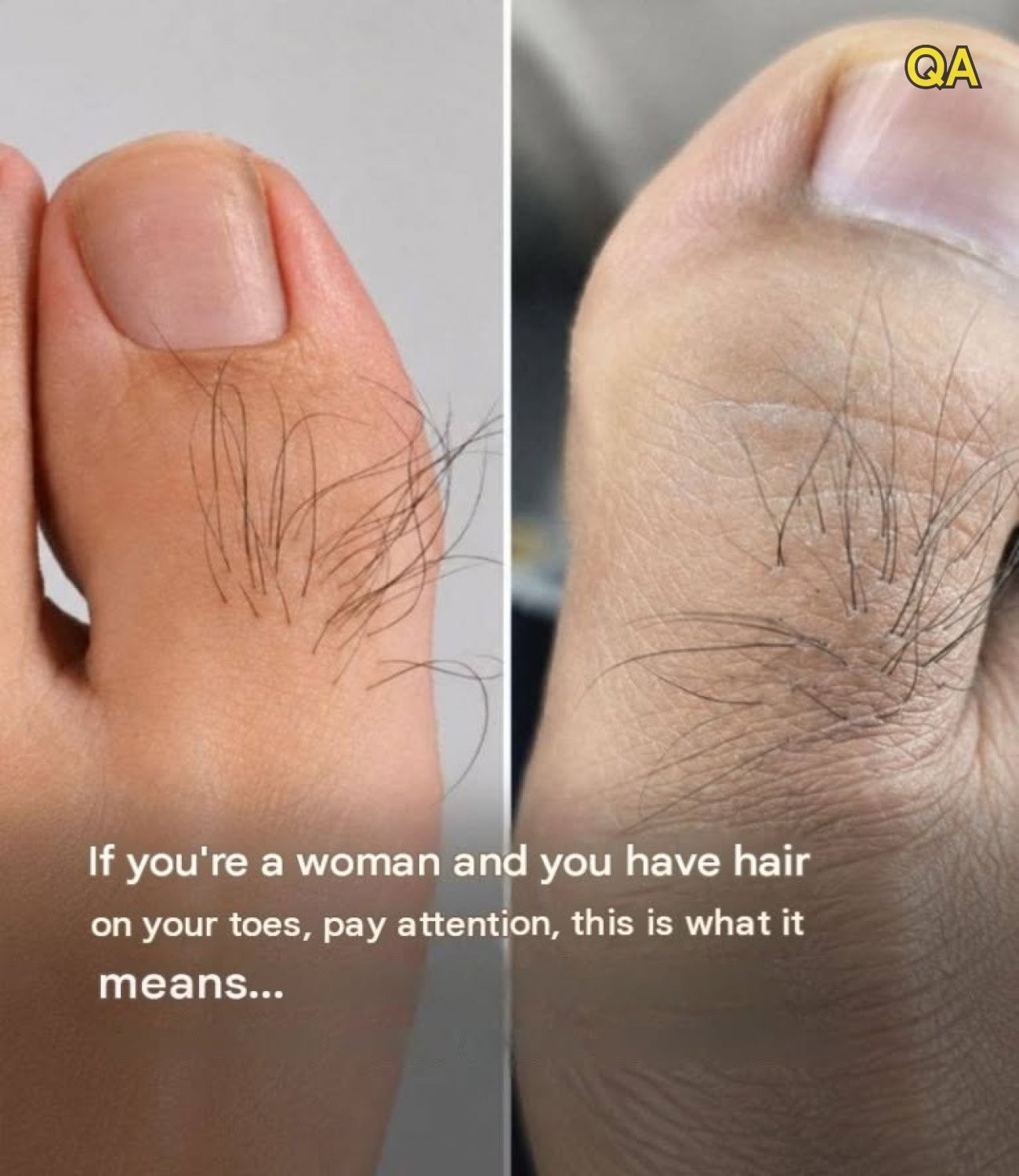
Hair on the toes is a normal feature of human skin, yet it is something many people barely notice. Some women have dark or visible toe hair, while others have hair that is fine, pale, sparse, or seemingly absent. In most cases, this difference is simply part of normal variation. Genetics, age, hormones, skin tone, natural hair color, and personal grooming habits all influence how much hair is visible on the feet.
However, a change in the amount of hair growing on the toes or lower legs can occasionally be one small clue that deserves attention, especially when it appears alongside other changes in the feet or legs. Reduced hair growth may occur when blood flow to the lower limbs is reduced, including in people with peripheral artery disease, often called PAD. This condition involves narrowing of arteries that carry blood to the legs and feet.
It is important to keep this observation in perspective. Toe hair alone cannot diagnose poor circulation or any medical condition. Naturally hairless toes are common and are not automatically a reason for concern. The more useful question is whether there has been a noticeable, ongoing change from what is normal for you, particularly if it is accompanied by pain, skin changes, numbness, wounds that heal slowly, or a difference in temperature between the feet.
Why Do People Have Hair on Their Toes?
Hair follicles are present across much of the body, including the feet and toes. The amount of hair that grows from those follicles differs widely from person to person. Some people have coarse, darker hair on the tops of their toes; others have only soft, nearly invisible hairs. Both patterns can be completely healthy.
Genetics are a major influence. Family traits can affect the density, texture, and color of body hair. Hormones also play a role. Androgens, a group of hormones present in people of all sexes, can influence body-hair patterns. Age can matter as well, because hair may become finer, lighter, or less dense over time. Menopause and other hormonal changes may affect hair growth patterns for some women, although individual experiences differ considerably.
Hair visibility is not the same as hair quantity. Light-colored hair may be difficult to see, particularly in certain lighting. Regular shaving, waxing, epilation, depilatory creams, or laser hair reduction can also make it difficult to know what a person’s untreated hair-growth pattern would be. For these reasons, there is no “correct” amount of toe hair and no visual standard that someone should try to meet.
Can Toe Hair Be Related to Blood Circulation?
Hair follicles need oxygen and nutrients, which are delivered through the bloodstream. When circulation to the legs and feet is significantly reduced, the body may have more difficulty supporting normal tissue functions in the affected area. Over time, this can contribute to changes such as slower hair growth, loss of hair on the lower legs, slower-growing toenails, and skin that appears thin or shiny.
One possible cause of reduced circulation is peripheral artery disease. PAD usually develops when fatty deposits build up in the walls of arteries, narrowing the vessels and limiting blood flow. The condition most often affects the legs. According to the American Heart Association and the U.S. Centers for Disease Control and Prevention, PAD can raise the risk of heart attack and stroke because it is associated with atherosclerosis in other parts of the body as well.
Although reduced leg or toe hair can be seen in some people with PAD, it is considered a possible physical sign rather than a stand-alone test. Many people with little toe hair do not have PAD, and some people with PAD may have no obvious change in hair growth. Clinicians look at the full picture: symptoms, medical history, pulse checks, skin and nail changes, risk factors, and diagnostic testing when appropriate.
Understanding Peripheral Artery Disease
Peripheral artery disease is a circulatory condition in which narrowed arteries reduce blood flow outside the heart and brain. It is most commonly linked with atherosclerosis, the gradual buildup of plaque in artery walls. PAD becomes more common with age, but it can affect adults at different stages of life.
Several factors can increase the likelihood of PAD. These include smoking or past tobacco use, diabetes, high blood pressure, high cholesterol, chronic kidney disease, older age, and a personal or family history of cardiovascular disease. People with diabetes should be especially attentive to foot health because diabetes can affect both blood vessels and nerves, sometimes making it harder to notice injuries or infections early.
Not everyone with PAD develops classic symptoms. Some people have no symptoms or may assume that leg discomfort is a normal part of aging. Others experience a pattern called intermittent claudication: aching, cramping, heaviness, or fatigue in the calf, thigh, hip, or buttock during walking or other activity. The discomfort often improves after a short rest because the muscles no longer require as much oxygen-rich blood.
Leg pain can have many causes, including muscle strain, joint conditions, spinal problems, and nerve-related symptoms. That is why self-diagnosis based on one symptom, including toe hair loss, is not reliable. A healthcare professional can help determine whether circulation may be involved.
Signs That May Be Worth Discussing With a Clinician
A naturally smooth toe is not a medical emergency. But a new or progressive change in hair growth may be worth mentioning during a routine appointment, particularly when it occurs with other symptoms. Possible signs associated with reduced blood flow to the legs and feet can include:
- A colder foot or leg: One foot may feel noticeably cooler than the other, although room temperature and other factors can also affect this.
- Leg discomfort during activity: Cramping, aching, or fatigue that occurs with walking and improves after rest may need evaluation.
- Skin-color changes: The foot may look unusually pale, bluish, reddish, or darker than usual. Skin changes have many possible causes and should be assessed in context.
- Slow-healing sores: A cut, blister, or sore on the foot that does not heal as expected should receive medical attention, especially for people with diabetes.
- Changes in skin texture: Skin on the lower leg or foot may appear unusually shiny, thin, dry, or fragile.
- Toenail changes: Toenails may grow slowly, become brittle, or change in appearance for a range of reasons, including circulation issues, fungal infection, aging, and trauma.
- Reduced hair growth: Hair that was once present on the lower legs or toes may become noticeably thinner over time.
- Numbness, weakness, or foot pain at rest: These symptoms should not be ignored, particularly if they are new or worsening.
These signs are not specific to PAD. For example, cold feet may be related to environmental exposure, thyroid conditions, Raynaud’s phenomenon, or normal temperature sensitivity. Slow healing can be affected by diabetes, pressure, infection, poor nutrition, or certain medications. The purpose of noticing changes is not to assume the worst, but to provide useful information to a qualified clinician.
When to Seek Prompt Medical Care
People should seek prompt medical advice for a new foot wound, a wound that is not healing, sudden major color changes, new severe pain, or a foot that becomes much colder or weaker than the other. Urgent evaluation is particularly important if symptoms begin suddenly or are accompanied by a loss of sensation or movement.
Individuals with diabetes, known cardiovascular disease, or a history of smoking should discuss regular foot checks with their healthcare provider. The CDC advises people with diabetes to examine their feet every day for cuts, redness, swelling, blisters, or other changes. A clinician or podiatrist can advise on an individualized foot-care routine.
How Healthcare Professionals Check for Circulation Problems
Healthcare professionals do not diagnose PAD by looking at toe hair alone. An evaluation generally starts with questions about symptoms, walking ability, medical conditions, medications, smoking history, and family history. During the physical examination, a clinician may inspect the skin, check the feet for wounds, compare temperature and color, and feel pulses at several locations in the legs and feet.
One commonly used test is the ankle-brachial index, or ABI. This noninvasive test compares blood pressure measurements at the ankle with blood pressure in the arm. A lower-than-expected ankle reading can suggest reduced blood flow in the leg arteries. The test is generally quick and does not involve needles.
Depending on a person’s symptoms and test results, clinicians may recommend other examinations. These can include an ultrasound study of blood flow, exercise testing, toe pressure measurements, CT angiography, or magnetic resonance angiography. The choice of test depends on the individual situation and whether treatment planning is needed.
Other Reasons Toe Hair May Change
Changes in toe hair do not always point to circulation. Hair removal is one of the most straightforward explanations. Shaving cuts hair at the surface, while waxing, tweezing, and epilation remove hair from the root. Laser hair reduction can lead to a longer-term decrease in hair growth, although results vary.
Normal aging can also alter the hair cycle. As people get older, some body hair becomes thinner, less pigmented, or less dense. Hormonal shifts may affect the pattern and amount of body hair, and certain medical treatments or medications can influence hair growth. Skin irritation, scarring, and local skin conditions may also alter follicles in a small area.
Because hair growth is gradual, it may be difficult to identify exactly when a change began. Comparing both feet and considering the broader pattern can be more helpful than focusing on a single toe. If there is no pain, no skin change, no wound, and no new difference in how the feet feel or function, sparse toe hair is usually just a normal physical trait.
Supporting Healthy Legs and Feet
Healthy lifestyle habits can support cardiovascular health and may lower the risk of conditions associated with impaired circulation. Avoiding tobacco is among the most important steps because smoking damages blood vessels and is a major risk factor for PAD. If quitting feels difficult, healthcare professionals can recommend counseling, medication, nicotine-replacement options, and support programs.
Regular physical activity is also beneficial for many people. Walking programs are often recommended for people with PAD under professional guidance, as structured exercise can improve walking ability and symptoms. A balanced eating pattern, management of blood pressure and cholesterol, good diabetes care, and taking prescribed medications as directed are important aspects of vascular health.
Everyday foot care matters as well. Wear shoes that fit properly, keep feet clean and dry, trim toenails carefully, and check for new blisters, cuts, or areas of irritation. Avoid using heating pads or hot water bottles on numb feet, as reduced sensation can increase the risk of burns. Anyone with diabetes or reduced sensation should ask a clinician for specific guidance before treating corns, calluses, or ingrown nails at home.
The Key Takeaway About Hair on Your Toes
Toe hair is not a reliable health test, and women should not be alarmed by naturally sparse or absent hair on the toes. The amount of body hair varies greatly and is often determined by genetics, hormones, age, and grooming preferences.
Still, a gradual loss of hair that was previously present, especially on the lower legs and feet, can be useful information when it occurs alongside other symptoms of reduced circulation. Cold feet, activity-related leg pain, unusual skin color, slow-healing wounds, and changes in nail growth are all reasons to discuss foot and leg health with a medical professional.
The most practical approach is to pay attention to changes rather than comparing your feet with someone else’s. Your feet can offer clues about your overall health, but those clues are most meaningful when interpreted by a clinician using a complete medical assessment.
Sources
Disclaimer: This content is intended for entertainment purposes only and is not based on real events.