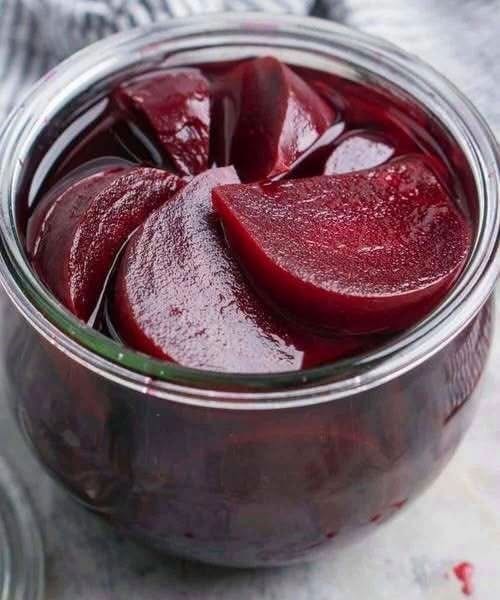
Beets are colorful root vegetables valued for their earthy flavor, deep red or golden pigments, and broad nutritional profile. They contain fiber, folate, potassium, manganese, vitamin C, and naturally occurring compounds called dietary nitrates. While beets are not a cure for disease, research suggests that including them in a varied diet may support cardiovascular health, digestive health, and exercise performance for some people.
What Makes Beets Nutritionally Valuable?
Beets, also known as beetroot, are the edible roots of the plant Beta vulgaris. They can be eaten roasted, boiled, steamed, pickled, juiced, or grated raw into salads. Beet greens are edible as well and provide additional vitamins and minerals.
A serving of cooked beets is relatively low in calories while contributing several nutrients needed for normal body function. Folate, also called vitamin B9, is particularly notable. It supports cell division and the formation of red blood cells, and it is important before and during pregnancy because adequate folate intake helps support normal fetal development. Beets also supply manganese, which is involved in metabolism and bone development, and potassium, a mineral that contributes to normal nerve, muscle, and heart function.
Like other vegetables, beets contain water and naturally occurring carbohydrates. Their sweetness comes from natural sugars, but whole beets also provide fiber, which helps slow digestion and can make meals more satisfying. This is an important distinction between whole beets and many beet-based drinks: juicing can concentrate sugars and remove much of the fiber found in the intact vegetable.
The bright color of red and purple beets comes largely from betalains, a group of plant pigments. Golden beets contain related pigments but have a milder yellow-orange appearance. Betalains have antioxidant activity in laboratory research, although this does not mean that eating beets alone can prevent or treat chronic illness. Nutrition research generally supports eating a diverse range of plant foods rather than relying on one ingredient for a specific health outcome.
Dietary Nitrates and Blood Flow
One of the most studied features of beets is their concentration of dietary nitrates. These naturally occurring compounds are also found in leafy green vegetables such as spinach, arugula, and lettuce. After consumption, nitrates can be converted by bacteria in the mouth and processes in the body into nitric oxide, a signaling molecule that helps blood vessels relax and widen.
This nitrate-to-nitric-oxide pathway has attracted scientific interest because blood vessel function is closely related to circulation and blood pressure regulation. When blood vessels are able to widen appropriately, blood can flow with less resistance. Researchers have therefore examined beetroot juice and nitrate-rich vegetables as dietary approaches that may modestly support healthy blood pressure.
Several clinical studies and reviews have reported small reductions in blood pressure after people consumed beetroot juice or nitrate-rich beet products, especially in the short term. The results, however, are not identical across all studies. Effects can vary according to the amount consumed, the nitrate concentration of the product, a person’s usual diet, age, health status, medication use, and the timing of blood pressure measurement.
For people with high blood pressure, beets may be a useful addition to an overall heart-healthy eating pattern, but they are not a substitute for prescribed treatment. The American Heart Association emphasizes lifestyle habits such as eating plenty of fruits and vegetables, limiting excess sodium, staying physically active, avoiding tobacco, and working with a qualified health professional when blood pressure is elevated. Anyone taking blood pressure medication should speak with a clinician before using concentrated beetroot supplements or large amounts of beet juice regularly.
Can Beets Improve Exercise Performance?
Beetroot has become popular among endurance athletes because dietary nitrates may influence how efficiently the body uses oxygen during physical activity. Nitric oxide is involved in blood flow and muscle function, leading researchers to investigate whether nitrate-rich beetroot juice could reduce the oxygen cost of exercise or improve performance during certain activities.
Some trials have found modest improvements in time-trial performance, endurance, or exercise efficiency after participants consumed beetroot juice before activity. These findings are most often seen in recreationally active adults and in exercises involving sustained moderate-to-high intensity effort. Evidence in highly trained athletes is less consistent, and not everyone responds in the same way.
The practical impact should be kept in perspective. Beets are not a replacement for training, sleep, hydration, adequate energy intake, or sport-specific coaching. Studies also frequently use standardized beetroot juice products with measured nitrate levels, which may not be comparable to a typical serving of cooked beets. The nitrate content of fresh vegetables can differ based on growing conditions, storage, and preparation.
People who want to include beets around exercise can choose food-based options such as roasted beets in a grain bowl, beet juice with a meal, or a smoothie containing cooked beetroot. It is sensible to try any new food strategy during normal training rather than on the day of an important competition, particularly because beet juice may cause digestive discomfort in some individuals.
Beets, Brain Health and Cognitive Function
Because nitric oxide helps regulate blood flow, scientists have also explored whether dietary nitrates could affect circulation in the brain. Some small studies have examined blood flow changes after consuming nitrate-rich foods, including beetroot. This area of research is promising but still developing.
At present, there is not enough strong evidence to conclude that beets directly improve memory, concentration, learning, or prevent cognitive decline. Brain health is influenced by many factors, including blood pressure management, regular physical activity, sleep, social connection, education, management of diabetes and cholesterol, and a balanced dietary pattern. Foods such as beets can fit into that broader pattern, but they should not be promoted as a stand-alone solution for cognitive concerns.
For anyone experiencing persistent memory problems, confusion, or changes in thinking, seeking medical advice is more appropriate than relying on dietary supplements or individual foods. A clinician can help identify possible causes and recommend suitable evaluation or support.
Antioxidants, Betalains and Inflammation Research
Red beets contain betalains, including betacyanins that give the vegetable its characteristic crimson color. In laboratory settings, betalains can act as antioxidants, meaning they may help neutralize unstable molecules known as free radicals. Oxidative stress is a normal biological process, but it is also studied in relation to aging and chronic disease.
Beet compounds have also been investigated for possible anti-inflammatory effects. While early research and small human studies are of interest, they do not establish that beet consumption can treat inflammatory conditions. Inflammation is a complex immune response, and chronic inflammatory diseases require proper medical assessment and evidence-based care.
The most reliable dietary message is that regularly eating vegetables of different colors provides a wide range of beneficial nutrients and plant compounds. Beets can contribute to this variety alongside leafy greens, beans, berries, tomatoes, cruciferous vegetables, whole grains, nuts, and other minimally processed foods.
Digestive Health Benefits of Beet Fiber
Whole beets are a useful source of dietary fiber. Fiber supports regular bowel movements by adding bulk to stool and helping food move through the digestive system. Diets containing adequate fiber are also associated with a healthier balance of gut microorganisms, although each person’s digestive response can differ.
Fiber may also help people feel full after meals and can support healthy cholesterol and blood sugar management as part of an overall nutritious eating pattern. The benefits are strongest when fiber comes from a variety of foods, including vegetables, fruits, legumes, whole grains, nuts, and seeds.
People who currently eat little fiber should increase intake gradually and drink enough fluids. Adding large amounts of fiber too quickly may contribute to bloating, gas, or abdominal discomfort. Cooking beets can make them softer and easier to incorporate into meals for people who prefer a gentler texture.
How to Add Beets to a Balanced Diet
Beets are versatile and can be prepared in ways that suit different tastes and budgets. Roasting brings out their natural sweetness, while steaming or boiling creates a softer texture for soups, dips, and purees. Pre-cooked vacuum-packed beets can be a convenient option, though shoppers may wish to check labels for added salt, sugar, or sauces.
Simple ways to eat more beets include:
- Adding roasted beet cubes to salads with leafy greens, beans, citrus, and nuts.
- Blending cooked beetroot into hummus or yogurt-based dips.
- Mixing grated raw beet into cabbage slaw or grain salads.
- Serving beets as a side dish with lentils, fish, poultry, tofu, or whole grains.
- Using beet greens in place of other leafy greens in sautés, soups, or omelets.
- Combining beetroot with fruit, yogurt, and protein-rich ingredients in a smoothie.
Beetroot juice can be included occasionally, but whole beets are often the more filling choice because they retain fiber. People monitoring carbohydrate intake or blood sugar may find it helpful to have beets with a meal that includes protein, healthy fats, and other fiber-rich foods.
Potential Side Effects and Safety Considerations
Beets are safe for most people when eaten as part of a normal diet. A harmless and temporary effect known as beeturia can occur after eating red beets: urine or stool may appear pink or reddish. This color change is usually due to beet pigments rather than bleeding. However, anyone who notices unexplained or persistent blood-colored urine or stool should seek medical advice rather than assuming beets are the cause.
Beets contain oxalates, naturally occurring compounds found in many plant foods. People with a history of calcium oxalate kidney stones may be advised to moderate high-oxalate foods, depending on their individual medical history and dietary guidance. A registered dietitian or healthcare professional can offer personalized advice.
Concentrated beetroot juice and supplements deserve additional caution. Their nitrate content may be much higher or more predictable than that of ordinary cooked beets, and supplement quality can vary. People with kidney disease, low blood pressure, cardiovascular conditions, or those taking prescription medicines should consult a healthcare professional before making concentrated beet products part of a regular routine.
The Bottom Line on Beet Health Benefits
Beets are nutrient-dense vegetables that can support a balanced, plant-rich diet. Their dietary nitrates may modestly support blood pressure and exercise efficiency in some people, while their fiber, folate, potassium, manganese, and plant pigments add further nutritional value. Current evidence does not support treating beets as a miracle food or as a replacement for medical care.
For most people, the best approach is simple: enjoy beets in forms you like, include a wide range of vegetables and whole foods, and use evidence-based medical guidance for health conditions. This practical approach allows beets to be appreciated for what they are—a flavorful, colorful, and nutritious component of everyday meals.
Sources
- U.S. Department of Agriculture FoodData Central — nutrition information for beets and other foods.
- National Institutes of Health Office of Dietary Supplements: Folate — evidence-based information on folate and health.
- American Heart Association: High Blood Pressure — guidance on blood pressure and heart-healthy lifestyle habits.
- Centers for Disease Control and Prevention: Healthy Eating — public health guidance on building a nutritious eating pattern.
- National Institute of Diabetes and Digestive and Kidney Diseases: Diet and Kidney Stones — information on dietary considerations for kidney stone prevention.
- Mayo Clinic: Dietary Fiber — overview of fiber, digestion, and practical intake advice.
Disclaimer: This content is intended for entertainment purposes only and is not based on real events.