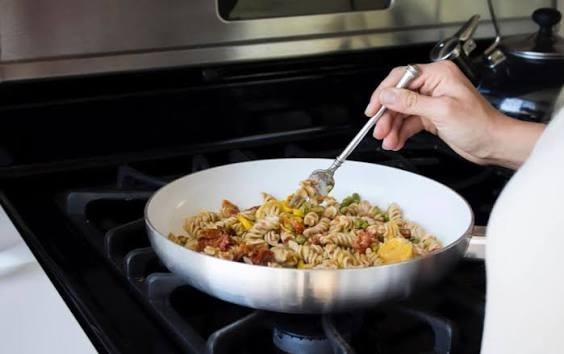
Reheating leftovers can save time, reduce household food waste and make meal planning easier. A microwave, oven, air fryer or stovetop can all be useful tools for warming cooked food. However, safe reheating starts well before food goes back into the microwave. The most important factors are how quickly leftovers are cooled, how they are stored and whether they are heated evenly before serving.
Food safety authorities including the United States Department of Agriculture (USDA), the UK Food Standards Agency and the World Health Organization advise keeping cooked food out of the temperature range where bacteria multiply quickly. In general, perishable leftovers should be refrigerated within two hours of cooking, or within one hour when the surrounding temperature is above 32°C (90°F). Refrigerators should be kept at or below 4°C (40°F), while reheated leftovers should reach 74°C (165°F).
Some foods have particular storage or reheating concerns. Rice can carry heat-resistant bacterial spores, chicken may heat unevenly in a microwave, and foil-wrapped baked potatoes require careful handling. Other foods, including mushrooms, spinach and eggs, are often surrounded by misleading claims. They are not automatically unsafe merely because they are reheated; proper refrigeration and thorough heating are what matter most.
Food Safety Basics Before Reheating Leftovers
Cooking kills many harmful germs, but it does not necessarily solve problems caused by poor storage after cooking. Certain bacteria can grow when food is held at room temperature, and some bacteria can produce toxins that are not reliably eliminated by ordinary reheating. This is why time and temperature control are central to leftover safety.
To handle leftovers responsibly, divide large quantities into shallow containers so they cool faster, cover them, and refrigerate them promptly. USDA guidance generally recommends using refrigerated leftovers within three to four days. If that will not be possible, freeze them. When reheating, warm only the portion that will be eaten, rather than repeatedly cooling and reheating the entire dish.
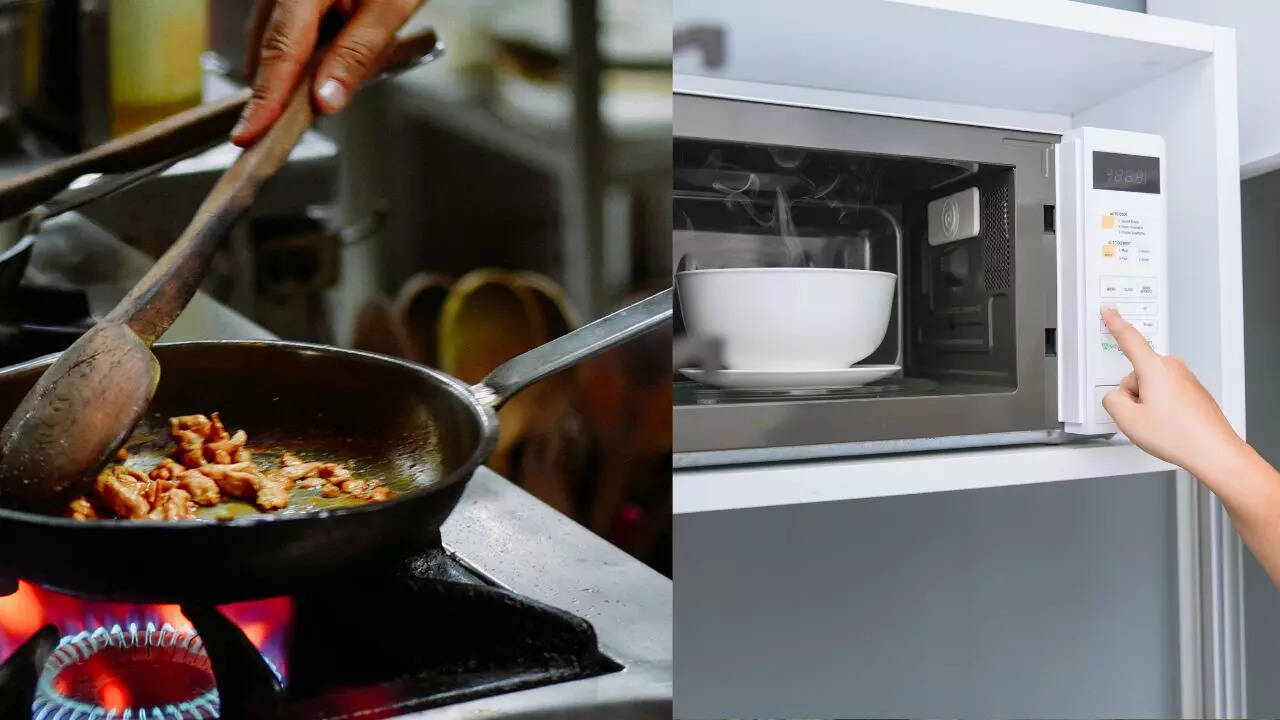
Microwaves need additional care because they can produce hot and cold spots. Cover food with a microwave-safe lid or vented wrap, stir liquids and sauces, rotate dishes if the appliance does not have a turntable, and allow food to stand briefly after heating. Checking the center of the food with a food thermometer is the most dependable way to confirm that it has reached 74°C (165°F).
1. Rice Requires Fast Cooling and Proper Storage
Rice is one of the best-known examples of a leftover that needs careful handling. Uncooked rice can contain spores of Bacillus cereus, a bacterium commonly found in the environment. These spores may survive cooking. If cooked rice is left warm or at room temperature for too long, the spores can grow and, in some cases, produce toxins associated with foodborne illness.
The risk is not caused by reheating rice itself. Rather, it comes from holding cooked rice at an unsafe temperature before reheating. Some toxins linked to Bacillus cereus may remain even after food is heated again, so a microwave cannot reliably make rice safe if it has been left out for hours.
Cool rice promptly, refrigerate it in a covered shallow container, and use it within a few days in line with general leftover guidance. When warming rice, add a small amount of water if needed, cover it to retain steam, stir midway through heating and ensure it is hot throughout. Avoid reheating the same batch multiple times.
2. Spinach, Beetroot and Other Leafy Vegetables
Spinach, beetroot, celery and several leafy vegetables naturally contain nitrates. Online advice sometimes claims that reheating these foods makes them poisonous. That claim is too broad and is not supported by mainstream food-safety guidance for healthy adults.
Nitrates occur naturally in vegetables and are part of a normal diet. The main food-safety issue with cooked vegetables is the same as with other leftovers: bacteria can grow if food is left at room temperature for too long. Reheating may change the flavor, color or texture of leafy vegetables and can reduce some heat-sensitive nutrients, but properly cooked, promptly refrigerated vegetables can generally be reheated safely.
Store cooked vegetables in a clean covered container, reheat only the amount needed and make sure they are thoroughly hot before serving. For the best quality, use gentle heat and avoid repeatedly warming the same portion.
3. Chicken Must Be Heated Evenly
Chicken is nutritious and versatile, but poultry requires close attention from preparation through storage. Raw chicken can carry bacteria such as Salmonella and Campylobacter. Thorough initial cooking is essential, and cooked chicken must also be cooled and refrigerated promptly to limit bacterial growth.
Reheated chicken does not become harmful simply because it is warmed a second time. The concern is underheating, uneven heating or leaving cooked chicken unrefrigerated for too long. Microwave cold spots can be especially problematic with thick breasts, bone-in pieces, casseroles and layered dishes.
For safer results, cut large pieces into smaller portions where practical. Cover the food, turn or stir it during reheating and let it stand after microwaving so the heat can distribute more evenly. Use a food thermometer to confirm that the thickest part reaches 74°C (165°F). If chicken has been sitting out for more than two hours, it is generally safer to discard it rather than attempt to rescue it by reheating.
4. Potatoes and the Importance of Foil Storage
Mashed, roasted and baked potatoes can all be safely enjoyed as leftovers when they are handled correctly. A special concern applies to baked potatoes cooked or held in aluminum foil. Foil can create a low-oxygen environment, and if a potato is kept at room temperature for an extended period, conditions may allow Clostridium botulinum to grow and produce toxin.
Botulism is rare, but it is serious, which is why prevention matters. Do not leave foil-wrapped baked potatoes on the counter for long periods or hold them at room temperature. Remove foil before refrigerating cooked potatoes, cool them promptly and store them in the refrigerator.
When reheating potatoes, heat them thoroughly. However, reheating is not a substitute for safe storage, particularly if a toxin has already formed. If there is uncertainty about how long foil-wrapped potatoes were left out, discard them.
5. Fish Needs Care for Both Safety and Quality
Cooked fish can be reheated safely, but it is more delicate than many other proteins. High microwave heat can dry it out, make it rubbery or create strong odors. These quality changes do not automatically mean that fish is unsafe, but they can make leftovers less appealing.
As with chicken and other perishable foods, the key issue is refrigeration. Cooked fish should be chilled promptly, stored in a covered container and generally used within three to four days. Refrigeration slows bacterial growth but does not stop it completely, which is why leftovers should not be kept indefinitely.
For a better result, warm fish gently in a covered skillet over low heat or in a low oven. If using a microwave, use medium or lower power in short intervals. Check that the thickest section is fully hot before eating. Fish that has an unusual odor, appearance or storage history should not be tasted to “check” whether it is safe.
6. Eggs and Microwave Pressure Risks
Eggs are another food surrounded by unnecessary myths. There is no reliable evidence that reheating cooked eggs automatically makes their proteins toxic. Scrambled eggs, omelettes, breakfast sandwiches and egg-based casseroles can be refrigerated and reheated safely when standard leftover practices are followed.
The main microwave hazard involves whole eggs, particularly hard-boiled eggs. Steam can build pressure inside an intact egg, causing it to burst during heating or shortly afterward. This can create a burn risk and a messy cleanup.
Do not microwave whole hard-boiled eggs in their shells. If warming a peeled boiled egg, cut it into pieces first or use another method, such as gently warming it in hot food. Reheat scrambled eggs and omelettes in short intervals, stirring when possible, until they are steaming hot throughout.
7. Mushrooms Are Not Unsafe Simply Because They Are Reheated
Mushrooms are frequently included on lists of foods that supposedly should never be reheated. This is misleading. Cooked mushrooms do not become poisonous just because they are warmed again. Like other prepared foods, their safety depends primarily on safe cooling, refrigeration and adequate reheating.
Mushrooms may lose some of their firm texture when stored or reheated, especially in soups, sauces and pasta dishes. To preserve quality, reheat them only once where possible and use the amount needed for the meal. A frying pan, oven or microwave can all be appropriate, provided the food is heated evenly and thoroughly.
Prompt refrigeration remains essential. If a mushroom dish has been left out for an extended period, the concern is potential bacterial growth, not the mushrooms themselves.
8. Creamy Sauces and Milk-Based Dishes
Cream sauces, dairy-based soups, macaroni and cheese, curries and similar dishes can separate when reheated. Oil may rise to the surface, cheese sauces may look grainy, and thick soups can develop an uneven consistency. These changes are usually quality issues rather than proof that the food is unsafe.
Because dairy-based dishes are perishable, they should be refrigerated promptly after the meal. Reheat them slowly, stirring often to distribute heat and reduce scorching. In the microwave, use short intervals and stir between each one. A small splash of milk, stock or water can help restore a smoother consistency, although it will not correct food that has been stored unsafely.
As with all leftovers, ensure the center of the dish reaches 74°C (165°F). Take particular care with thick soups and casseroles, which may be hot around the edges while remaining cool in the middle.
9. Reused Cooking Oil Is Different From Reheating Leftovers
Reheating a prepared meal is not the same as repeatedly using frying oil at very high temperatures. Oils can degrade when heated for long periods or reused many times. Heat, oxygen, moisture and food particles contribute to chemical changes that may affect flavor, stability and quality.
Oil that has become very dark, thick, foamy, sticky or unpleasant-smelling should be discarded. Avoid heating oil until it smokes heavily, as smoking indicates that the oil is breaking down. Filtering cooled oil and storing it appropriately may extend its usable life in some home-cooking situations, but frequent deep-frying is best done with fresh oil.
It is also important to distinguish this issue from acrylamide. Acrylamide can form in certain carbohydrate-rich foods, such as potatoes, when cooked at high temperatures. It is not formed merely because cooking oil has been reheated.
Practical Tips for Reheating Food Safely
- Refrigerate promptly: Put perishable leftovers in the refrigerator within two hours, or within one hour in very hot conditions.
- Keep the refrigerator cold: Maintain a refrigerator temperature of 4°C (40°F) or below.
- Use shallow containers: Smaller portions cool faster and more evenly than a large, deep container.
- Reheat to 74°C (165°F): A food thermometer is the most accurate way to verify the temperature.
- Stir, rotate and cover: These simple steps reduce microwave cold spots and improve even heating.
- Reheat only what you need: This limits repeated temperature changes and helps preserve food quality.
- Do not rely on smell alone: Harmful bacteria may not alter the smell, taste or appearance of food.
- When in doubt, throw it out: If the storage time or temperature is unknown, discarding the food is the safer choice.
Final Thoughts on Safe Food Reheating
Microwaves and leftovers can be part of a safe, practical routine. Rice, chicken, fish, eggs, mushrooms, potatoes, vegetables and creamy dishes do not need to be avoided altogether. The most reliable approach is to treat leftovers as a food-storage issue first and a reheating issue second.
Cool food quickly, refrigerate it promptly, use it within a sensible time frame and heat it thoroughly. Be especially cautious with rice held at room temperature, foil-wrapped baked potatoes, thick poultry dishes and any leftover with an uncertain history. These habits can help reduce food waste while supporting safer everyday meals.
This article provides general educational information and does not replace advice from public health authorities. People who are pregnant, older, immunocompromised or caring for young children may wish to take extra precautions with refrigerated foods and leftovers.
Sources
Disclaimer: This content is intended for entertainment purposes only and is not based on real events.