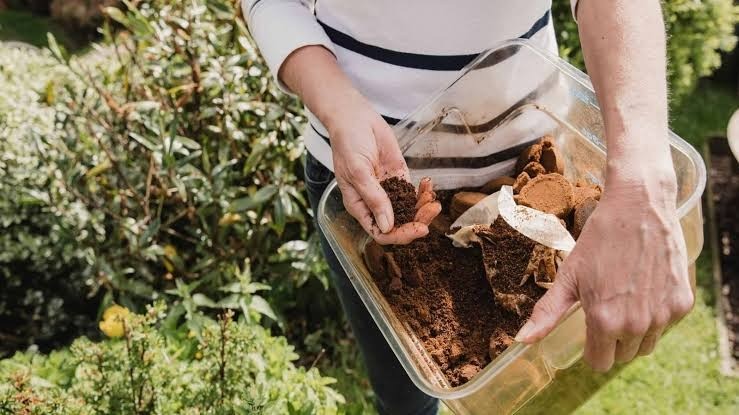
Rain can be excellent news for a garden. It replenishes soil moisture, supports new growth and can leave borders and vegetable beds looking noticeably fresher. Yet damp weather also creates favourable conditions for slugs. These common garden molluscs often become more visible after rain, when they can move more easily across moist soil and search for tender leaves, seedlings and ripening crops.
For gardeners who find holes in lettuce, young beans, hostas, strawberries or newly planted flowers, the temptation is to seek a quick solution. Used coffee grounds are frequently suggested as a household remedy. Rather than throwing them away after making coffee, some gardeners scatter grounds around plants in the hope that their texture or caffeine content will discourage slugs.
There is a useful truth behind the idea: coffee grounds can have a second life in a garden, especially as part of a well-managed compost system. However, the evidence does not support treating used coffee grounds as a dependable slug barrier. A healthier approach is to use them carefully, understand their limits and combine good garden hygiene with physical protection and habitat-friendly pest management.
Why Slugs Become More Active After Rain
Slugs need moisture because their soft bodies are vulnerable to drying out. They produce mucus to move across surfaces, and wet or humid conditions reduce the risk of dehydration. This is why they are commonly seen during damp evenings, overnight and in the early morning, particularly after rainfall.
Gardens can offer slugs both food and shelter. Newly emerging leaves, seedlings and soft fruit may be especially susceptible to feeding damage. During the day, slugs tend to retreat into cool, shaded and moist locations. Dense weeds, piles of leaves, boards, pots, stones, overgrown edges and garden debris can all provide daytime refuge near valuable plants.
Not every slug in a garden is equally damaging. Slugs and snails also play a role in breaking down decaying organic matter, contributing to nutrient cycling in soil. The goal is therefore not necessarily to eliminate every mollusc, but to reduce damage to the plants that need protection, especially young vegetables and ornamental seedlings.
Do Coffee Grounds Really Repel Slugs?
Coffee grounds are one of the most widely shared gardening suggestions, but popular advice should be separated from reliable evidence. Research has found that caffeine can affect slugs and snails at sufficiently high concentrations. In controlled studies, caffeine solutions have shown potential to deter or harm certain molluscs. That finding, however, does not mean a layer of ordinary used grounds will consistently protect a garden bed.
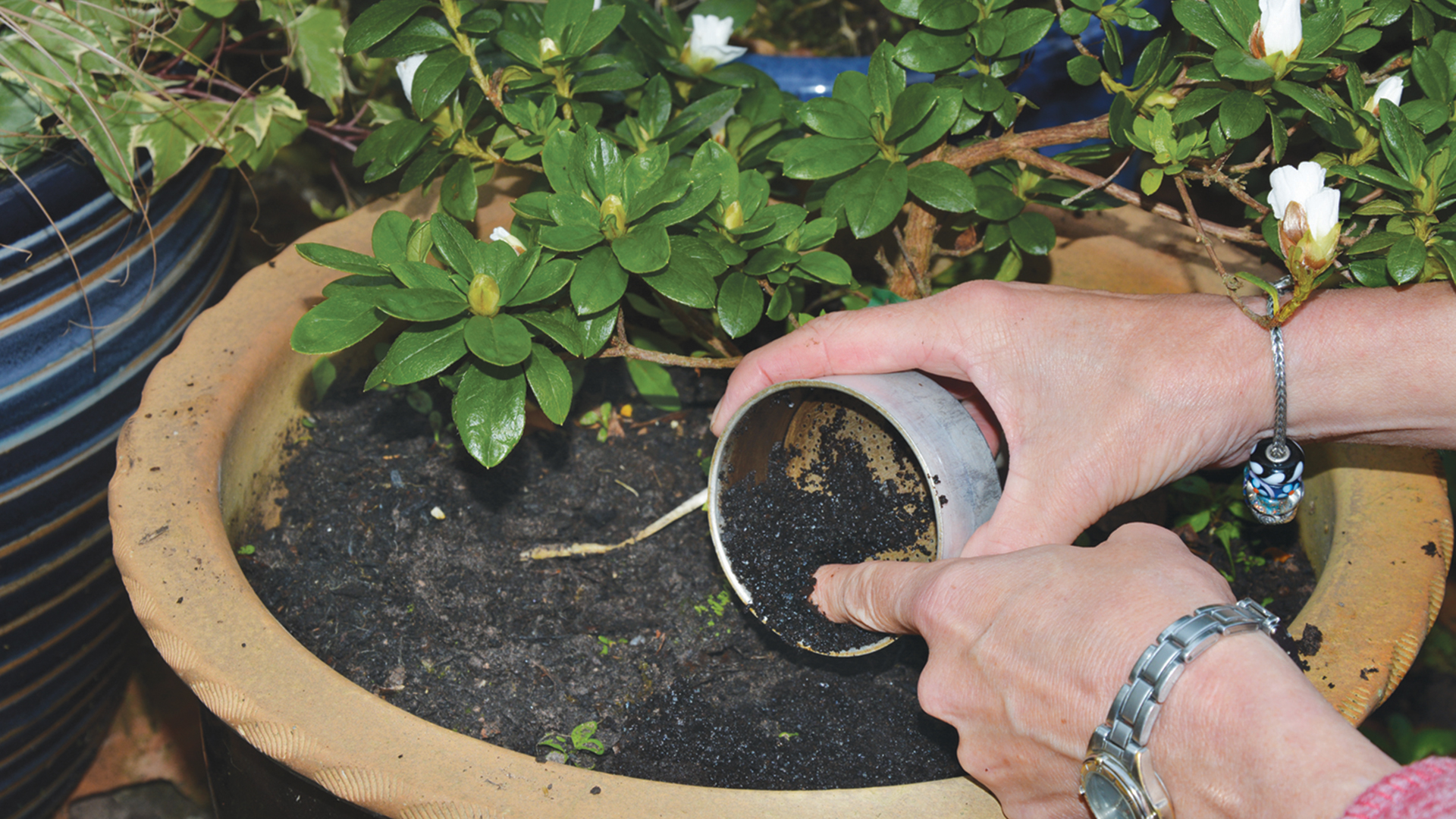
Used coffee grounds vary widely. Their caffeine content depends on the coffee, brewing method and how thoroughly the grounds were extracted. Rain also changes their texture quickly. Grounds that appear dry and rough may become wet, compacted or easier for slugs to cross. As a result, a ring of grounds around a plant is not a predictable barrier, particularly in the very damp weather when slug activity is highest.
There are also soil-management concerns. Applying a thick layer of fine coffee grounds directly to the soil can create a crust that slows water movement and air exchange. Coffee grounds are often described as acidic, but their pH can vary and used grounds are not a simple or reliable method for changing soil acidity. Repeated heavy applications may also affect soil conditions in ways that are not helpful for every plant.
Gardeners can certainly experiment with a light scattering of grounds if they wish, but it is sensible not to rely on them to safeguard important crops. If a row of seedlings is at risk, use measures with a clearer practical benefit.
The Best Way to Reuse Coffee Grounds in the Garden
Add Used Coffee Grounds to Compost
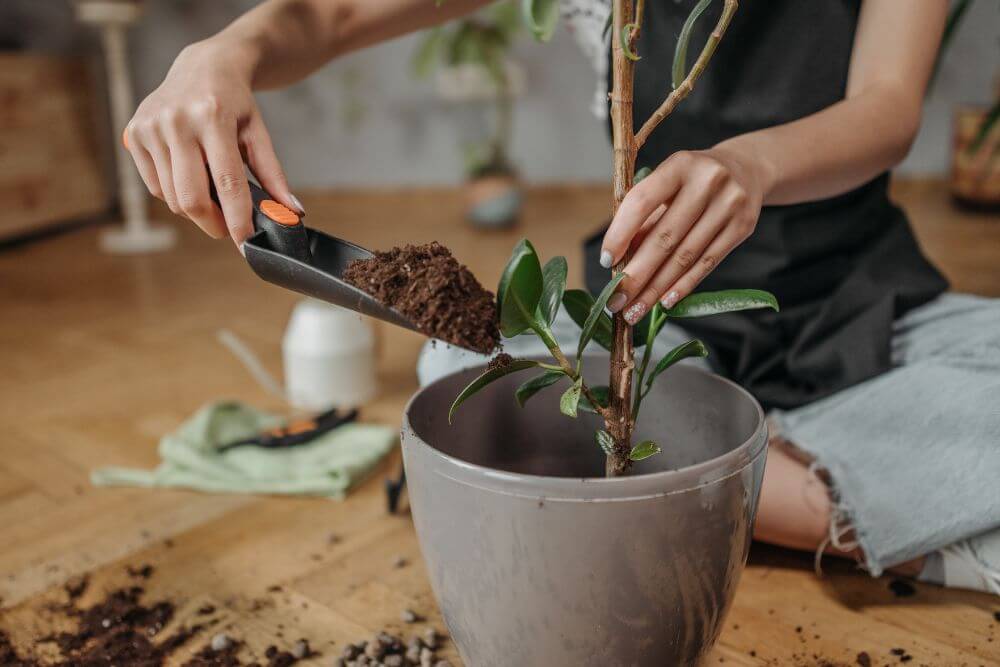
Composting is generally the most useful and lowest-risk destination for household coffee grounds. Grounds are organic material and can be mixed into a compost pile or bin with dry, carbon-rich materials such as fallen leaves, shredded cardboard, untreated paper and small amounts of woody garden waste.
The key is balance. Fine, damp materials can clump together, so coffee grounds should be mixed rather than tipped into the compost bin in a dense layer. A varied compost mix promotes airflow and helps the material break down more evenly. Once mature compost has decomposed into a dark, crumbly soil conditioner, it can be incorporated into beds or used as a mulch according to the needs of the garden.
Paper coffee filters may also be compostable if they are unbleached or otherwise suitable for home composting. Check whether the filter or pod contains plastic, coatings or other materials before adding it to a compost system.
Use Small Amounts Directly, Not Thick Mats
If coffee grounds are applied directly to soil, moderation matters. A small amount can be lightly mixed into the soil surface or used alongside other organic matter. Avoid piling grounds around the stems of plants, creating thick rings, or applying them repeatedly in one location.
Observe how the soil responds. If the surface becomes hard, water pools rather than soaking in, or plants show signs of stress, stop adding grounds and improve the area with a more balanced compost or mulch. Garden soil benefits most from diversity: compost, leaf mould, plant residues and other appropriate organic materials each contribute differently.
Practical Ways to Protect Plants From Slugs
Inspect Vulnerable Areas at the Right Time
Regular observation is one of the most effective tools available to home gardeners. Check beds in the evening, early morning or after rain, when slugs are most likely to be active. A torch can make inspections easier after dark. Look beneath containers, around the edges of raised beds and in damp areas close to seedlings.
Hand removal can reduce pressure in small gardens, though gardeners should follow local guidance on disposal or relocation. Releasing collected slugs elsewhere may simply move the issue to another area and may not be appropriate in all locations.
Reduce Damp Hiding Places Near Seedlings
Good garden housekeeping can make a meaningful difference. Remove rotting vegetation, unnecessary weed piles and other wet debris from immediately around susceptible plants. Raise pots slightly on feet where practical, clear under them periodically and avoid leaving boards or unused containers next to young vegetable beds.
This does not require making a garden sterile. Leaf litter, logs and sheltered areas can support beneficial wildlife. The practical balance is to locate these features away from the most vulnerable crops while keeping planting areas reasonably clear and easy to inspect.
Use Physical Protection for Young Plants
Physical barriers and guards can be more dependable than kitchen remedies. Cloches, plant collars and purpose-designed slug guards can protect seedlings during the period when a small amount of feeding may be most damaging. Ensure that any guard sits correctly against the soil and inspect inside it regularly, as slugs may sometimes shelter beneath poorly fitted protection.
Raised beds and containers can also make monitoring easier, although they are not automatically slug-proof. Slugs can climb surfaces and may arrive in compost, beneath pots or from nearby vegetation. Frequent checks remain important.
Water Carefully and Consider Timing
Watering practices can influence the damp conditions slugs prefer. Where appropriate for the plants and local climate, watering early in the day allows the soil surface and foliage more time to dry before night. Drip irrigation or targeted watering can deliver moisture near plant roots without unnecessarily wetting surrounding paths and leaves.
Plants still need adequate water, especially in warm weather, so this is not a recommendation to let beds dry out. Instead, use efficient watering methods and avoid creating persistently soggy areas around seedlings.
Encourage a Diverse Garden Ecosystem
Wildlife-friendly gardens can support species that feed on slugs or their eggs, including ground beetles, frogs, toads and some birds. Native plants, varied vegetation, shallow water features designed with wildlife safety in mind, and pesticide restraint can help create a more balanced garden environment.
Natural predators are not a guaranteed solution, and their presence may vary by region and season. Still, biodiversity is an important part of long-term garden resilience. A garden that supports insects, amphibians and birds is often better equipped to manage pest populations than one dependent on repeated broad-spectrum treatments.
Choosing Slug Control Products Responsibly
When non-chemical measures are not enough, gardeners should choose products carefully. Regulations differ by country, so it is important to buy only products authorised for the intended use and to follow label instructions exactly. This includes application rates, locations, storage guidance and safety precautions around children, pets, wildlife and edible crops.
Some slug pellets can pose risks to non-target animals if used incorrectly. Never assume that a product marketed for gardens is harmless in every setting. Avoid homemade chemical mixtures and do not use products beyond their stated purpose. If you are uncertain, seek advice from a local gardening authority, extension service, nursery professional or pesticide regulator.
A Realistic Coffee Grounds Garden Tip
Used coffee grounds should not be viewed as a magic shield against slugs. They may be worth saving, but their most dependable role is as one ingredient in a balanced compost system. Direct applications should be light and occasional, rather than thick layers intended to block pests.
The most effective strategy after rainy weather is integrated garden care: inspect plants often, remove nearby shelters, protect seedlings physically, water thoughtfully and support beneficial wildlife. These methods are practical, adaptable and less likely to create unintended problems for soil health or other garden visitors.
When the rain stops and the garden begins to grow again, take a few minutes to check the leaves closest to the ground. Early action can protect a small vegetable patch, help new plants establish and make better use of the coffee grounds that would otherwise go to waste.
Sources
Disclaimer: This content is intended for entertainment purposes only and is not based on real events.