Editor’s note: The characters and events in this story are presented as a fictional narrative. The themes explored below—bereavement, companionship in later life, family concerns, personal finances, and rebuilding trust—are discussed using guidance from credible health and public-interest sources.
Finding companionship after the death of a spouse can bring hope, uncertainty, and complicated emotions. For many older adults, a new relationship does not mean forgetting a partner who has died. Instead, it may reflect a gradual effort to reconnect with everyday life while continuing to honor important memories.
In the fictional story of Winona and Wendell, a woman in her sixties becomes concerned when the widower she is dating repeatedly avoids inviting her into his home. Her worries grow after her adult son raises questions about the man’s financial motives. What she eventually finds is not evidence of a scheme, but a home shaped by grief, unfinished tasks, and a man who has struggled to explain how loss changed him.
The story’s central idea is not that every secret has an innocent explanation. Trust should always be built carefully, especially when emotions, housing, personal safety, or finances are involved. However, the narrative highlights an important reality: grief can affect routines, communication, self-confidence, and a person’s willingness to let others see their private life.
Grief Can Change Daily Life Long After a Loss
Bereavement is a deeply individual experience. There is no universal timetable for grief, and people may experience sadness, loneliness, anger, guilt, anxiety, or difficulty concentrating at different times and with different intensity. The death of a spouse can also change practical aspects of daily life, including finances, household responsibilities, social connections, and future plans.
The National Institute on Aging notes that grief is a natural response to loss and that older adults may face several major changes at once after a loved one dies. A person may have to manage a home alone, adjust to a different income, make new decisions, and cope with the quiet absence of a familiar companion. These changes can make it difficult to maintain routines that once felt manageable.
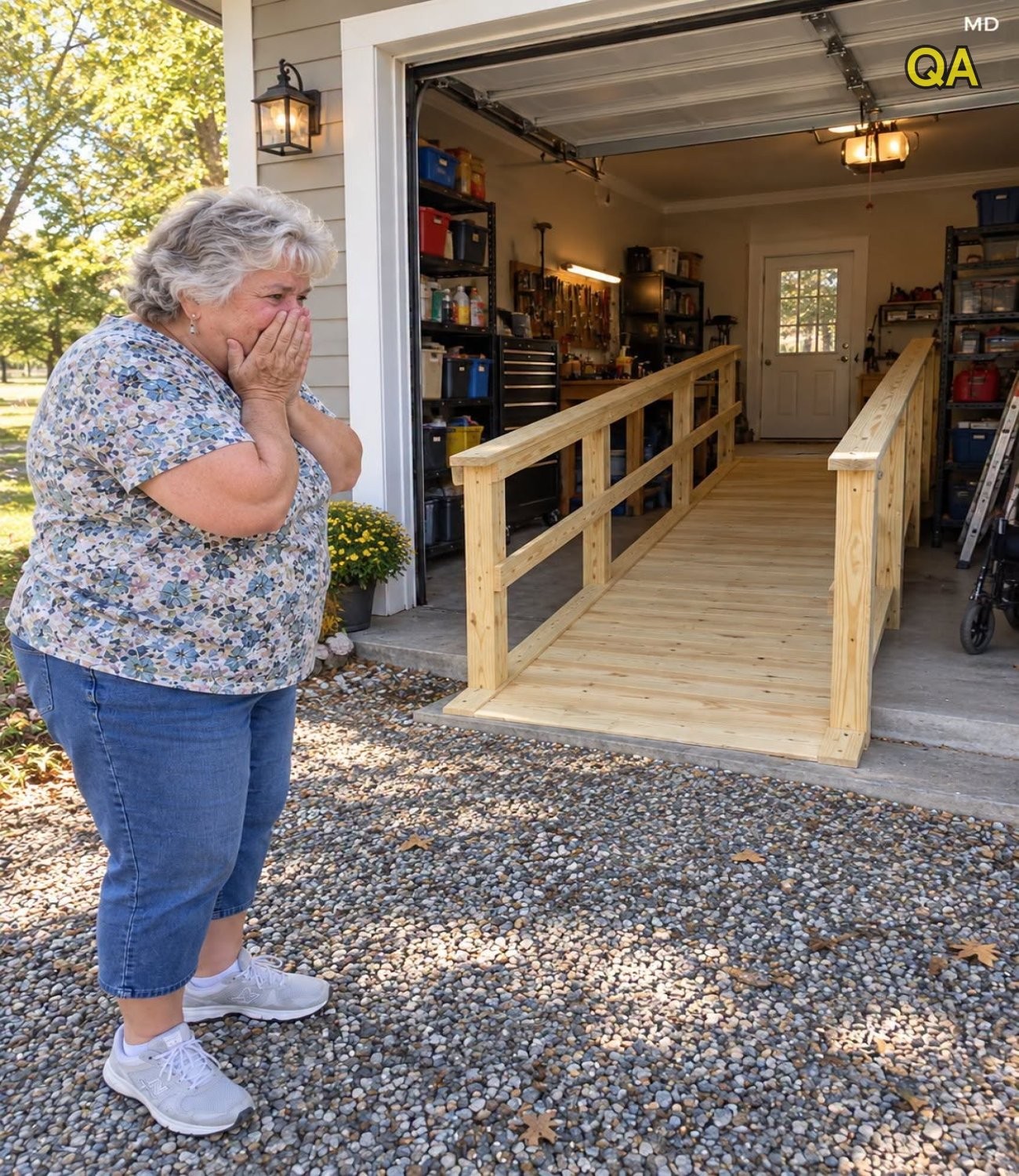
In the story, Wendell spends increasing amounts of time in his garage rather than inside his home. While this is fictional, the behavior reflects a recognizable pattern: some grieving people avoid places, objects, or activities that trigger painful memories. Others focus intensely on practical work, hobbies, volunteering, or caregiving because structure can offer temporary relief from emotional distress.
That does not mean withdrawal should always be ignored. When grief is persistent and severely disrupts a person’s ability to function, maintain relationships, or care for themselves, professional support may be helpful. Mental health professionals can help people distinguish between the natural pain of bereavement and more serious concerns such as depression, anxiety, or prolonged grief disorder.
Love After Loss Does Not Erase the Past
One of the most persistent misunderstandings around widowhood is the belief that forming a new relationship somehow diminishes a previous marriage. In reality, people can continue loving and remembering a spouse who died while also becoming open to friendship, affection, and companionship.
For Winona, the prospect of dating after her husband’s death is accompanied by hesitation. She has spent years grieving and has learned to appear strong to family and friends. This part of the fictional account reflects a common social pressure: people are often praised for “moving on” before they have had a chance to speak honestly about loneliness.
Loneliness is not simply being alone. It is the distress that can arise when a person’s social relationships do not meet their needs for connection. The World Health Organization has identified social connection as an important public-health issue, noting that social isolation and loneliness can affect health and well-being across the lifespan. Older adults can be particularly vulnerable when bereavement, reduced mobility, retirement, caregiving demands, or geographical distance from family limit opportunities for regular contact.
A new relationship is not the only answer to loneliness, and no one should feel pressured to date. Meaningful connection can also come through friendships, relatives, faith communities, neighborhood activities, volunteer work, exercise groups, support groups, or creative pursuits. Yet for some people, dating later in life becomes a welcome opportunity to share meals, conversation, interests, and future plans with another person.
Why Privacy and Secrecy Can Create Relationship Tension
Every person has a right to privacy. A relationship does not require immediate access to someone’s house, financial records, family history, or every painful experience. At the same time, repeated avoidance of reasonable questions can create uncertainty, especially as a relationship becomes more serious.
In the fictional narrative, Wendell’s reluctance to welcome Winona into his home becomes a symbol of emotional distance. He is embarrassed by unfinished repairs, neglected spaces, and the memories attached to the house. His reluctance is understandable, but it still affects Winona because she has little information and is left to imagine possible explanations.
Healthy relationships require a balance between boundaries and openness. People do not need to disclose everything at once, particularly early in a relationship. But as trust develops, direct and respectful communication becomes increasingly important. Rather than making accusations, a concerned partner can describe what they have noticed and how it affects them.
Useful conversations may include simple statements such as: “I respect your privacy, but I feel confused when this topic is always avoided,” or “I am interested in getting to know you more fully, and I need honesty if we are going to continue.” These approaches invite discussion without demanding an immediate explanation or assuming bad intent.
Family Concern Can Be Helpful Without Taking Away Independence
Adult children often worry when a widowed parent begins dating. Their concern may come from love, fear of exploitation, uncertainty about a new person, or concern that their parent could be hurt emotionally. In the story, Winona’s son Zach suspects that Wendell may be interested in her late husband’s insurance money.
Financial exploitation is a legitimate concern for older adults. The Consumer Financial Protection Bureau advises consumers to be alert to pressure involving money, sudden requests for loans or gifts, demands to add someone to financial accounts, or attempts to isolate a person from trusted family and friends. Romance-related scams also exist, particularly online, and they can involve fabricated emergencies, requests for wire transfers, gift cards, cryptocurrency, or personal account details.
Still, concern should not become control. Older adults retain the right to make their own choices about dating, friendship, living arrangements, and finances as long as they have the capacity to do so. A supportive family member can raise concerns, encourage caution, and offer practical help without assuming that every new relationship is deceptive.
Winona’s response to her son offers a useful principle: protection should not mean making decisions on another adult’s behalf. A respectful family conversation can include questions about safety, financial boundaries, and the pace of the relationship while recognizing the parent’s autonomy.
Financial Safety in Later-Life Relationships
Emotional connection and financial independence can coexist. In fact, clear financial boundaries often protect both people in a relationship. Before combining assets, co-signing loans, adding a partner to property titles, changing beneficiaries, or moving in together, it is wise to slow down and seek independent advice.
Practical safeguards can include keeping bank accounts separate during the early stages of a relationship, reviewing estate documents with a qualified attorney, monitoring credit reports, and discussing major decisions with trusted people. It is also important to understand that showing someone financial documents is not always necessary or appropriate. The key issue is whether there is pressure, concealment related to shared obligations, or a pattern of behavior that creates risk.
In the fictional account, Wendell voluntarily explains that he manages his own financial affairs and has not asked Winona for money. This helps address one concern, but real-world trust should never rely on a single conversation or on paperwork shown under pressure. Trust grows over time through consistent behavior, mutual respect, and independent decision-making.
Anyone who feels pressured to send money, share passwords, change legal documents, take out debt, or keep a financial relationship secret should pause and speak with a trusted relative, lawyer, financial adviser, bank representative, or local adult-protection service. In the United States, suspected fraud can be reported to the Federal Trade Commission.
Communication Is More Sustainable Than Assumptions
The turning point in Winona and Wendell’s fictional relationship is not the discovery of a hidden fortune or a dramatic betrayal. It is an honest conversation. Wendell explains his shame and grief, while Winona explains why his secrecy made her uneasy. Neither person is portrayed as having all the answers, but both begin to state their needs more clearly.
Research and clinical guidance consistently emphasize the value of social support during bereavement. Talking with trusted friends, family members, faith leaders, grief counselors, or support groups can reduce isolation and help people make sense of difficult emotions. Communication also matters in new relationships, where people may carry different experiences of grief, family expectations, finances, and independence.
There may be uncomfortable conversations about former spouses, adult children, health needs, living arrangements, or money. Avoiding these subjects can feel easier in the moment, but unresolved concerns often return. A respectful discussion does not guarantee agreement. It does, however, give both people better information for deciding whether the relationship feels safe, compatible, and emotionally healthy.
Small Shared Activities Can Support Connection
In the story, Winona helps revive a garden and learns basic woodworking while Wendell finishes a handmade rocking chair for his granddaughter. These details illustrate how shared activity can help people rebuild connection after loss. Gardening, walking, cooking, community classes, crafts, music, and volunteering can offer regular opportunities for conversation and a sense of purpose.
For grieving people, meaningful activity is not a cure for loss. Rather, it can create room for daily life to continue alongside grief. A person may laugh during a meal, enjoy time with grandchildren, or take pride in a completed project while still missing someone deeply. These experiences are not contradictions; they are part of adapting to life after a major loss.
Supporting a child or grandchild who has also experienced bereavement can be meaningful, but caregivers should remember their own needs as well. Children and adults may grieve differently, and professional support can be valuable for families navigating major losses together.
When to Seek Professional Support for Grief
Most people experience grief without needing formal treatment, but support is available when emotions feel overwhelming or persistent. A primary care clinician, licensed therapist, bereavement counselor, or local support group can help. Immediate assistance is especially important if someone feels hopeless, is unable to manage basic daily needs, is using alcohol or drugs to cope, or has thoughts of self-harm.
In the United States, people experiencing a mental health crisis can call or text 988 to reach the Suicide & Crisis Lifeline. In other countries, local emergency services or crisis lines can provide urgent support. Seeking help is not a sign of failure; it is a practical step toward safety and care.
Moving Forward With Caution, Compassion, and Choice
“She Fell in Love Again at 64 …Then She Discovered the Secret Behind His Locked Door” uses fiction to explore an emotionally recognizable question: how can people remain open to connection while protecting themselves after loss?
There is no single answer. A locked door may represent grief, embarrassment, a need for privacy, or, in some situations, a genuine warning sign. The healthiest approach is neither blind trust nor constant suspicion. It is a combination of patience, clear boundaries, careful observation, financial independence, and honest communication.
Later-life love does not require anyone to erase a past marriage, abandon family relationships, or sacrifice personal security. It can mean making space for companionship while maintaining the right to ask questions, take time, and make informed decisions. For many people, healing is not about replacing what was lost. It is about learning that memories and new possibilities can exist side by side.
Sources
- National Institute on Aging: Grief and Mourning
- World Health Organization: Social Isolation and Loneliness
- Centers for Disease Control and Prevention: Social Connectedness
- Consumer Financial Protection Bureau: Elder Financial Protection
- Federal Trade Commission: What to Know About Romance Scams
- Mayo Clinic: Prolonged Grief Disorder
- 988 Suicide & Crisis Lifeline
Disclaimer: This content is intended for entertainment purposes only and is not based on real events.