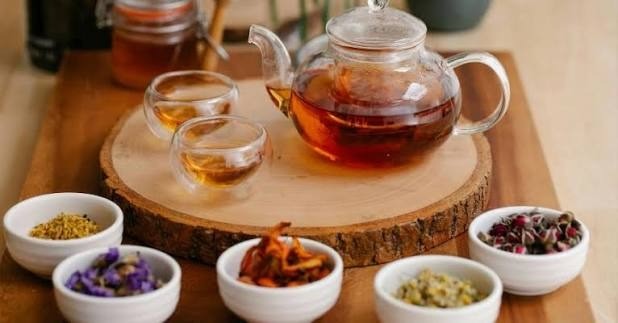
Perilla leaf tea is a fragrant herbal drink made from the leaves of Perilla frutescens, a plant widely used in East Asian cooking. Often called shiso in Japan, perilla has a distinctive fresh aroma that some people describe as slightly minty, basil-like, or citrusy. Green and red varieties are both used in food, from salads and rice dishes to pickles and soups.
In recent years, perilla tea has also gained attention among people interested in natural hair and scalp care. The interest is understandable: perilla leaves contain several naturally occurring plant compounds, including polyphenols and flavonoids, which are being studied for their biological activity. However, it is important to separate traditional use and laboratory research from proven health outcomes.
There is currently no strong clinical evidence that drinking perilla leaf tea can regrow hair, stop hair loss, treat dandruff, or cure scalp inflammation. Still, it can be an enjoyable caffeine-free drink and a flavorful way to include another plant food in a varied diet. This guide explains how to make perilla leaf tea safely, what is known about the herb, and how to approach hair and scalp wellness with realistic expectations.
What Is Perilla Leaf?
Perilla is an aromatic member of the mint family. Its scientific name is Perilla frutescens, and it is cultivated and eaten in several parts of Asia. In Japanese cuisine, the leaves are commonly known as shiso. Korean cuisine uses perilla leaves, often called kkaennip, in wraps, side dishes, and preserved foods. Although they are related botanically, Korean perilla leaves and Japanese shiso may differ in flavour, shape, and common culinary use.
The plant is valued primarily as a food ingredient. Its leaves and seeds have been used in regional food traditions for generations. Perilla seeds can also be pressed to produce oil, which contains alpha-linolenic acid, a plant-based omega-3 fatty acid. Perilla leaf tea, by contrast, is made by steeping fresh or dried leaves in hot water.
If you are buying leaves specifically for tea, choose food-grade perilla from a reliable grocery store, market, or herb supplier. Correct identification matters because many herbs can look similar. Do not use leaves gathered from roadsides, areas treated with pesticides, or plants that you cannot identify with confidence.
Ingredients for Homemade Perilla Leaf Tea
Perilla tea is simple to make and does not require special equipment. Fresh leaves generally create a lighter, greener flavour, while dried leaves may produce a more concentrated herbal taste.
- Fresh perilla or shiso leaves: 8 to 10 leaves, washed thoroughly
- Water: 2 cups, or about 500 millilitres
- Honey: 1 teaspoon, optional
- Fresh lemon juice: A few drops, optional
If using dried leaves, follow the package directions where available. As a general starting point, use a small amount and adjust the strength gradually. The taste of herbal tea can vary according to the type of leaf, freshness, growing conditions, and steeping time.

How to Make Perilla Leaf Tea at Home
Step 1: Wash Fresh Leaves Carefully
Rinse fresh perilla leaves under cool running water. Check both sides of each leaf to remove visible soil or debris. Pat the leaves dry gently with a clean towel or allow them to drain in a clean colander. Washing is especially important when leaves are eaten or brewed soon after purchase.
For dried leaves, use a product clearly labelled for culinary or tea use. Dried herbs do not need to be rinsed, as doing so can reduce flavour and make them difficult to handle.
Step 2: Bring Water to a Boil
Add 2 cups of water to a clean saucepan or kettle and bring it to a boil. A standard food-safe pot is suitable for this preparation. There is no established evidence that perilla tea requires a particular type of cookware.
Step 3: Add the Perilla Leaves
Once the water reaches a boil, lower the heat. Add the fresh leaves and let them simmer gently for around 5 to 7 minutes. If you are using dried leaves, a shorter steep may be enough because dried herbs can release flavour quickly.
The colour of the tea may range from pale green to amber or reddish-brown. This depends on whether the leaves are green or red perilla, how much plant material is used, and how long the tea is brewed.
Step 4: Steep for Additional Flavour
Turn off the heat and leave the leaves in the water for another 2 to 3 minutes. Covering the pot during this stage may help retain some of the tea’s aroma. Avoid steeping for too long if you prefer a mild drink, as extended brewing can make herbal teas taste more bitter or grassy.
Step 5: Strain and Serve
Pour the tea through a fine strainer into a cup. You can drink it warm or allow it to cool and serve it over ice. Add a small amount of honey for sweetness or a few drops of lemon juice for brightness, if desired.
For food safety, refrigerate leftover tea promptly in a clean covered container and use it within a short period. Freshly made herbal tea is generally best for flavour and quality.
Perilla Leaf Tea and Hair Health: What Does the Evidence Say?
Online discussions sometimes present perilla tea as a remedy for thinning hair, shedding, or scalp discomfort. These claims should be approached carefully. Perilla contains compounds that researchers can measure and study, but evidence about isolated compounds, concentrated extracts, or laboratory experiments does not automatically prove that a cup of tea will have the same effect in people.
Hair growth is influenced by many factors. Genetics, age, hormones, nutritional status, stress, illness, styling practices, medications, and scalp conditions can all play a role. Different forms of hair loss also have different causes. For example, pattern hair loss, temporary shedding after illness, autoimmune hair loss, and hair breakage from repeated heat or chemical treatment require different approaches.
Clinical research has not established that drinking perilla leaf tea stimulates hair follicles, prevents pattern hair loss, or meaningfully changes the hair growth cycle. It should not replace assessment or treatment from a qualified healthcare professional when hair loss is sudden, patchy, painful, persistent, or associated with other symptoms.
Plant Compounds in Perilla
Like many herbs, perilla leaves contain plant compounds such as phenolic acids, flavonoids, and aromatic substances. These compounds have been examined in laboratory and preclinical research because of their antioxidant and anti-inflammatory properties. Antioxidants are molecules that can help limit certain oxidative processes in laboratory settings.
However, the amount of these substances that ends up in a homemade tea can vary widely. Preparation method, leaf variety, water temperature, brewing time, storage, and the amount consumed all affect the final drink. More importantly, laboratory findings do not establish a medical benefit for hair or scalp conditions in humans.
A Balanced Diet Matters More Than a Single Herbal Drink
Healthy hair requires adequate energy and protein as well as essential nutrients. Iron, zinc, vitamin D, vitamin B12, and other nutrients can be relevant in specific circumstances, particularly if a person has a deficiency. Restrictive diets and inadequate protein intake may contribute to increased shedding or weaker hair in some people.
Perilla tea can complement a balanced eating pattern, but it is not a significant replacement for nutrient-rich meals. A varied diet including protein sources, fruits, vegetables, whole grains, and foods appropriate to an individual’s health needs offers a more reliable foundation for general wellbeing than any single tea.
Can Perilla Tea Be Used as a Hair Rinse?
Some people use cooled herbal teas as occasional hair rinses because they enjoy the scent and the ritual of a simple home hair-care routine. There is not enough clinical evidence to show that a perilla leaf rinse improves scalp health or promotes hair growth. Nevertheless, anyone who wishes to try it cosmetically should do so cautiously.
Prepare the tea with clean ingredients, strain it well, and let it cool completely before it touches the scalp. Test a small amount on a limited area of skin first. This patch test cannot predict every reaction, but it may help identify immediate irritation.
- Use freshly brewed, fully cooled tea.
- Apply only to intact skin; do not use it on cuts, sores, or visibly irritated areas.
- Stop use if redness, itching, burning, swelling, or discomfort occurs.
- Avoid getting the rinse into the eyes.
- Do not use a homemade rinse as a substitute for prescribed treatment.
People with known allergies to perilla, shiso, mint-family plants, or herbal cosmetic products should avoid experimenting with a perilla rinse. If scalp symptoms continue, a dermatologist or other healthcare professional can help identify possible causes, including eczema, psoriasis, fungal conditions, contact dermatitis, or other concerns that may need specific care.
Practical Scalp Care Tips Supported by Everyday Habits
While no herbal tea can guarantee thicker hair, practical habits may help protect the hair and scalp. The best routine depends on hair texture, styling preferences, and any underlying medical condition, but several broad principles are widely recommended.
Use Gentle Hair-Care Practices
Repeated pulling, tight hairstyles, excessive heat, and harsh chemical processing can damage hair shafts and may contribute to breakage. Choose gentle detangling methods, limit unnecessary heat exposure, and avoid hairstyles that cause pain or persistent tension at the hairline.
Address Scalp Symptoms Early
Flaking, itching, scaling, tenderness, or sudden changes in shedding are worth discussing with a healthcare professional if they do not improve. A clinician can distinguish between common cosmetic concerns and conditions requiring medical treatment. Early evaluation is especially useful when hair loss is rapid, occurs in round patches, or affects eyebrows or other body hair.
Be Cautious With “Miracle” Hair Claims
Hair-loss marketing often relies on dramatic before-and-after images or promises of rapid regrowth. Products described as natural are not automatically proven, safe for everyone, or appropriate for a medical condition. Look for transparent information, avoid claims that sound guaranteed, and seek professional advice before spending heavily on supplements or treatments.
Safety Considerations for Perilla Leaf Tea
Perilla leaves are commonly consumed as food in several cuisines. For most people, enjoying a normal culinary amount of perilla tea is likely to be similar to enjoying other herbal drinks. Even so, “natural” does not mean risk-free for every person.
Avoid perilla if you have had an allergic reaction to it in the past. If you are pregnant, breastfeeding, managing a chronic health condition, or taking regular medicines, speak with a doctor, pharmacist, or qualified healthcare professional before using herbal products frequently or in concentrated forms. This is particularly sensible when considering supplements, extracts, oils, or products marketed as treatments rather than ordinary foods.
People should also remember that homemade tea is not standardized. Its ingredients and strength are less predictable than those of a regulated medicine. For this reason, perilla tea is best viewed as a culinary beverage rather than a therapeutic product.
Final Thoughts on Perilla Tea for Hair and Scalp Care
Perilla leaf tea is a simple, aromatic drink rooted in East Asian food traditions. It can be prepared with fresh or dried shiso leaves, hot water, and optional additions such as lemon or honey. For people who enjoy herbal flavours, it offers an appealing caffeine-free option and a way to explore a versatile culinary plant.
Its role in hair and scalp care should remain realistic. Perilla contains interesting plant compounds, but current human evidence does not show that drinking perilla tea prevents hair loss, treats scalp disease, or causes hair to grow faster. Good nutrition, gentle styling, appropriate scalp hygiene, and timely medical guidance remain more dependable parts of a healthy hair-care plan.
If you enjoy perilla tea, drink it for its taste, aroma, and place in a varied diet. If you are concerned about substantial shedding, scalp irritation, or changes in hair growth, seek advice from a healthcare professional rather than relying on a herbal remedy alone.
Sources
- American Academy of Dermatology: Common causes of hair loss
- American Academy of Dermatology: Healthy hair-care tips
- National Institutes of Health Office of Dietary Supplements: Iron fact sheet for consumers
- National Institutes of Health Office of Dietary Supplements: Zinc fact sheet for consumers
- National Center for Complementary and Integrative Health: Using dietary supplements wisely
- Mayo Clinic: Hair loss symptoms and causes
Disclaimer: This content is intended for entertainment purposes only and is not based on real events.