
Maintaining healthy blood sugar levels is an important part of overall metabolic health. Learn how pumpkin, oats, berries, and balanced eating habits may support steadier glucose management.
Why Stable Blood Sugar Matters
Blood sugar, also known as blood glucose, is the main source of energy for many of the body’s cells. It comes primarily from carbohydrate-containing foods, including grains, fruit, dairy products, beans, and starchy vegetables. After a meal, the digestive system breaks carbohydrates down into glucose, which enters the bloodstream. The hormone insulin helps move glucose from the blood into cells, where it can be used or stored for energy.
For most people, blood glucose naturally rises after eating and gradually returns toward its usual range. However, the size and speed of these changes can vary. Meals high in refined carbohydrates or added sugars may raise blood glucose more quickly than meals containing fiber, protein, and healthy fats. Physical activity, sleep, stress, medication use, illness, and underlying medical conditions can also affect glucose levels.
People with diabetes, prediabetes, insulin resistance, or other health concerns may need to monitor their blood sugar more closely. The Centers for Disease Control and Prevention notes that managing diabetes involves individualized decisions about food, activity, medication, and regular medical care. No single food can prevent, treat, or cure diabetes. Still, choosing nutrient-dense foods with fiber and limiting highly processed products can be a useful part of a broader, evidence-based eating pattern.
Some people notice symptoms when their glucose levels change significantly, although symptoms alone cannot diagnose a condition. Fatigue, shakiness, thirst, frequent urination, headache, blurred vision, or difficulty concentrating may have many possible causes. Anyone experiencing recurring symptoms or concerned about blood sugar should speak with a qualified healthcare professional rather than relying on dietary changes alone.

How Food Choices Can Affect Blood Glucose
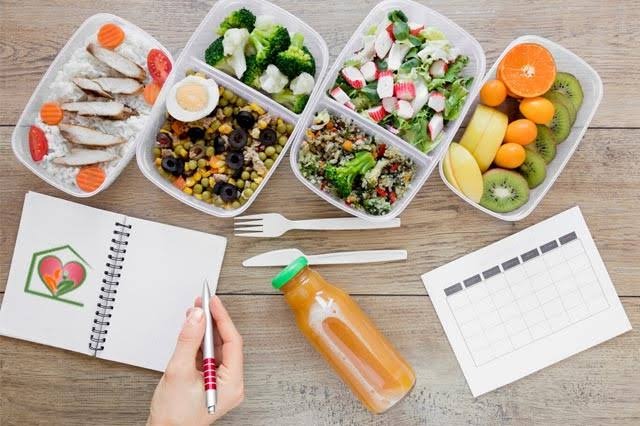
Rather than focusing only on whether a food contains carbohydrates, it is helpful to consider its overall nutritional profile. Carbohydrates consumed with dietary fiber, protein, or unsaturated fat are often digested more slowly than refined carbohydrates eaten on their own. This may contribute to a more gradual rise in blood glucose after a meal.
Dietary fiber is especially important. Fiber is the part of plant foods that the body does not fully digest. Soluble fiber forms a gel-like substance in the digestive tract and can slow the absorption of glucose. Insoluble fiber supports regular digestion and is also associated with a healthy dietary pattern. Foods such as oats, beans, vegetables, fruit, nuts, seeds, and whole grains can help people meet recommended fiber intake.
Portion size remains relevant, including when eating nutritious foods. A large serving of a high-carbohydrate food can affect blood glucose differently from a smaller serving paired with protein and vegetables. Individual responses also vary. For people using insulin or certain glucose-lowering medications, meal planning should be coordinated with their healthcare team to reduce the risk of blood sugar that is too low or too high.
Pumpkin: A Fiber-Rich Seasonal Food
Pumpkin is often associated with autumn recipes, but it can be a nutritious option throughout the year. Plain cooked pumpkin is a source of fiber and contains several vitamins and minerals, including vitamin A precursors known as carotenoids. Its bright orange color comes largely from beta-carotene, a plant pigment that the body can convert into vitamin A as needed.
Fiber is one reason pumpkin can be a useful addition to meals intended to support steady energy and glucose management. A serving of pumpkin may be more satisfying when combined with other whole foods, such as lentils in a soup, plain Greek yogurt in a savory dip, or eggs and vegetables in a breakfast dish. Its naturally mild flavor also works well in curries, stews, grain bowls, and roasted vegetable trays.
Research has explored compounds in pumpkin, including polysaccharides and other plant-based substances, for possible metabolic effects. However, much of this research is preliminary, conducted in laboratory or animal settings, or too limited to show that pumpkin itself lowers blood glucose in people. It is more accurate to view pumpkin as a nutrient-dense food that can contribute to a balanced diet, rather than as a treatment for high blood sugar.
Preparation matters. Plain canned pumpkin or freshly cooked pumpkin is different from pumpkin pie filling, sweetened pumpkin beverages, or desserts that may contain substantial amounts of added sugar. When buying canned products, look for labels that say “100% pumpkin” or “plain pumpkin” and check the ingredient list for added sweeteners.
Oats and Beta-Glucan Fiber
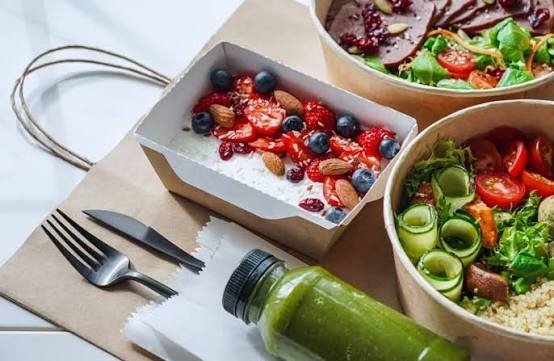
Oats are widely recognized as a good source of soluble fiber, particularly beta-glucan. This type of fiber has been studied for its role in heart health and may help slow digestion and carbohydrate absorption. A slower digestive process can help reduce the speed at which glucose enters the bloodstream after eating.
Not all oat products are equally processed. Steel-cut oats and traditional rolled oats generally have a firmer texture and take longer to digest than many instant flavored oatmeal packets. This does not mean instant oats must be avoided, but products with added sugars, sweetened dried fruit, or flavored syrups can significantly increase the amount of sugar in a breakfast.
A practical bowl of oatmeal can include plain oats prepared with water or unsweetened milk, then topped with berries, nuts, seeds, or a spoonful of unsweetened nut butter. These additions provide flavor as well as fiber, protein, and unsaturated fats. Cinnamon can add aroma without added sugar, although it should not be viewed as a replacement for prescribed diabetes treatment.
Portion awareness is still useful with oats because they are a carbohydrate-containing grain. People who monitor glucose may find it helpful to notice how different types and portions of oatmeal affect their own readings, following guidance from their clinician or registered dietitian.
Berries: Fruit With Fiber and Plant Compounds
Blueberries, strawberries, raspberries, and blackberries are flavorful options for people who want to include fruit in a balanced eating pattern. Like other fruits, berries contain natural sugars, but they also provide water, fiber, vitamins, and a range of plant compounds. Raspberries and blackberries are particularly notable for their fiber content.
The deep red, blue, and purple colors found in many berries come from anthocyanins, naturally occurring pigments that are being studied for their potential relationship to cardiovascular and metabolic health. Existing research supports eating a variety of fruits and vegetables as part of a healthy diet, but it does not establish berries as a stand-alone therapy for diabetes or insulin resistance.
Whole berries are usually a better everyday choice than sweetened berry products, such as jams, syrups, desserts, or juice drinks. Whole fruit retains its fiber and tends to be more filling. Frozen berries without added sugar can be just as practical as fresh berries and may be more affordable when certain fruits are out of season.
Try adding berries to plain yogurt, oatmeal, salads, or a snack plate with nuts and cheese. Combining fruit with protein or fat may make a snack more satisfying and can help avoid relying on highly sweetened packaged foods.
Build Balanced Meals Instead of Relying on One Food
Although pumpkin, oats, and berries can all be nutritious choices, lasting blood sugar support is usually based on overall eating habits rather than a single ingredient. A useful starting point is to create meals that include non-starchy vegetables, a source of protein, high-fiber carbohydrates, and healthy fats.
The American Diabetes Association’s Diabetes Plate Method offers one simple visual framework. Fill half of a plate with non-starchy vegetables, such as leafy greens, broccoli, peppers, mushrooms, or tomatoes. Fill one quarter with a protein food, such as fish, poultry, eggs, tofu, beans, or lentils. Fill the remaining quarter with a carbohydrate food, such as whole grains, starchy vegetables, fruit, or dairy. Water or another unsweetened beverage can accompany the meal.
This approach is flexible and can be adapted to many cultural traditions and budgets. For example, a meal might include roasted pumpkin, grilled chicken or chickpeas, a modest serving of brown rice, and a large side salad. Another option could be oatmeal with berries and walnuts for breakfast, followed by a lunch built around beans, vegetables, and whole grains.
Regular meal timing may also help some people, especially those taking diabetes medications. Skipping meals can make it harder to manage hunger and may affect glucose levels for people using insulin or medicines that increase insulin release. Individual needs differ, so personalized advice from a healthcare professional is valuable.
Lifestyle Factors That Influence Blood Sugar
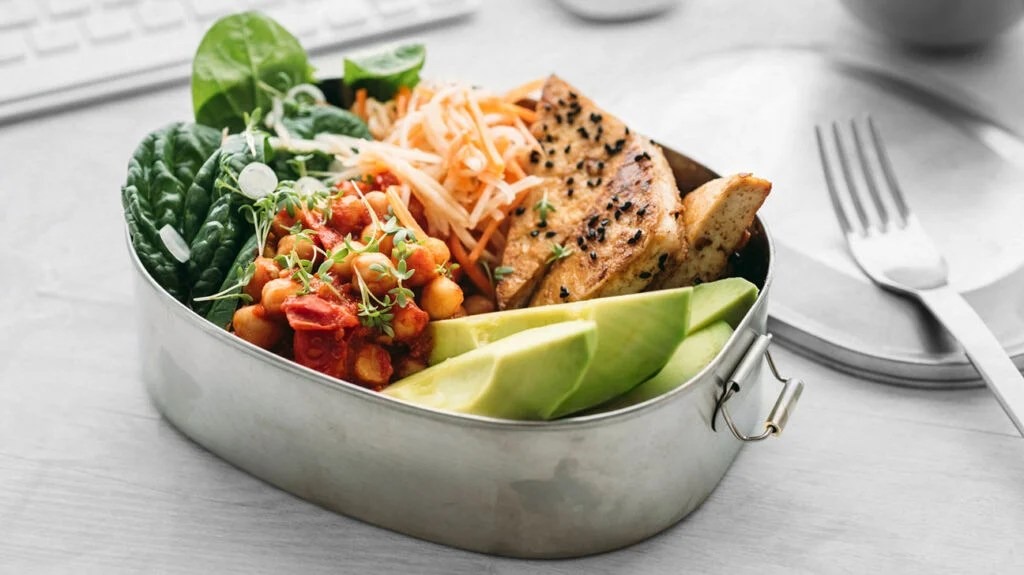
Food is only one part of blood sugar management. Physical activity helps muscles use glucose for energy and can improve insulin sensitivity. Public health guidance generally encourages adults to aim for regular movement throughout the week, with the type and amount of activity adjusted for health status and ability. Even a short walk after meals may be a realistic habit for some people, though anyone with medical limitations should seek professional guidance first.
Sleep and stress also deserve attention. Inadequate sleep and long-term stress can influence hormones involved in appetite, metabolism, and glucose regulation. Establishing a consistent sleep routine, using stress-management techniques, and seeking support for persistent anxiety or low mood can support overall wellbeing.
For people with diabetes, routine healthcare remains essential. Blood glucose targets, medication plans, and testing schedules are individualized. A doctor, diabetes care and education specialist, or registered dietitian can help translate general nutrition information into a plan that is safe, practical, and appropriate for a person’s medical history.
Practical Tips for Choosing Blood Sugar-Friendly Foods
- Choose whole or minimally processed foods more often, including vegetables, beans, whole grains, nuts, seeds, and whole fruit.
- Prioritize fiber-rich options such as oats, berries, pumpkin, lentils, chickpeas, and leafy vegetables.
- Limit beverages with added sugars, including many sodas, energy drinks, sweetened coffees, and fruit-flavored drinks.
- Read labels on oatmeal packets, canned pumpkin products, yogurt, cereals, and sauces to identify added sugars.
- Pair carbohydrate foods with protein, fiber, or unsaturated fats for more balanced meals and snacks.
- Keep portion sizes realistic and avoid viewing any food as completely “off limits” unless medically advised.
- Consult a healthcare professional before making major dietary changes, particularly if taking insulin or other glucose-lowering medication.
Conclusion
Pumpkin, oats, and berries can each contribute valuable nutrients to an eating pattern that supports healthy blood sugar management. Pumpkin provides fiber and carotenoid-rich plant compounds, oats contain soluble beta-glucan fiber, and berries offer fiber along with naturally occurring pigments and vitamins. Their benefits are most meaningful when they are part of balanced meals that also include protein, vegetables, healthy fats, and appropriate portions of carbohydrate foods.
There is no universal meal plan and no individual food that can replace medical care for diabetes or other glucose-related conditions. Evidence-based choices, regular activity, quality sleep, and individualized medical guidance remain the foundation of long-term metabolic health.
Disclaimer: This content is intended for entertainment purposes only and is not based on real events.