
Oregano Oil: Potential Uses, Scientific Evidence, and Safety
Oregano oil is a concentrated product derived from oregano plants, most commonly Origanum vulgare. It has a long history of use in traditional food preparation and herbal practices, and it remains popular in the wellness market because of compounds such as carvacrol and thymol. These naturally occurring chemicals have shown antimicrobial activity in laboratory research, leading to interest in oregano oil as a possible aid for digestive health, infections, and general wellness.
However, it is important to distinguish between laboratory findings, traditional use, and proven medical treatment. While oregano oil and its constituents can affect certain bacteria and fungi under controlled laboratory conditions, there is limited high-quality clinical evidence showing that oregano oil can safely prevent or treat infections in people. It should not replace professional diagnosis, prescription medication, or recommended treatment for conditions such as urinary tract infections, parasitic illnesses, or persistent digestive symptoms.
This guide examines what is known about oregano oil, what research can and cannot confirm, and the precautions people should consider before using concentrated essential oils.
What Is Oregano Oil?
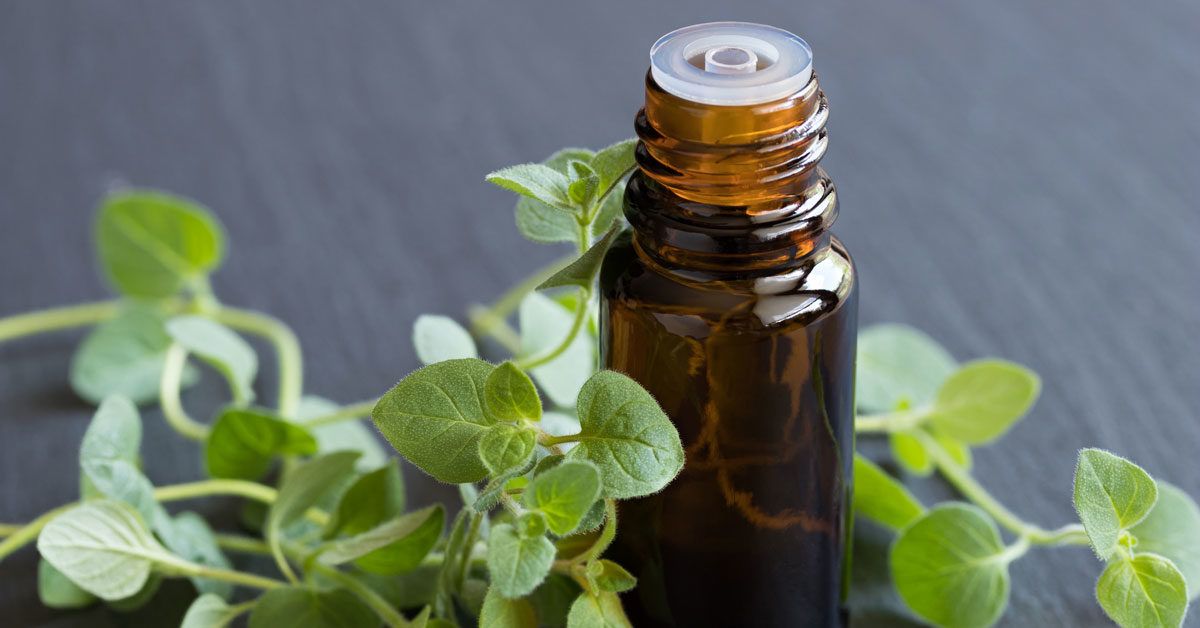
Oregano is an aromatic herb in the mint family. The leaves are widely used as a culinary seasoning, particularly in Mediterranean cuisine. Oregano oil is different from ordinary dried oregano or oregano-infused cooking oil. Essential oil is a highly concentrated aromatic extract made from plant material, often through steam distillation. Because it is concentrated, even small amounts can contain high levels of active compounds.
The composition of oregano essential oil can vary substantially. Plant species, growing conditions, harvest timing, manufacturing methods, and storage can all influence the final product. Oils sold under the name “oregano oil” may contain different concentrations of carvacrol, thymol, terpenes, and other substances. Some supplements are diluted in carrier oils or sold in capsules, while others are intended only for aromatherapy or topical use.
This variation matters because there is no universal standard dose for oregano oil. A product’s label, quality testing, and intended route of use should be considered carefully. Consumers should not assume that a product marketed as “natural” is automatically safe to swallow, apply to skin, or use alongside medicines.
Carvacrol and Thymol: Why Oregano Oil Draws Scientific Interest
Carvacrol and thymol are two of the best-known components of oregano essential oil. Both are phenolic compounds that have been studied for their effects on microbes in laboratory environments. Researchers have observed that these compounds may disrupt microbial cell membranes and interfere with processes that help some organisms survive or reproduce.
Laboratory studies have reported activity against a range of bacteria and fungi. This research is useful for understanding how plant compounds may behave under controlled conditions. Yet results from test tubes or animal studies do not automatically establish that oregano oil works as a treatment in humans. A substance may be effective at a particular concentration in a lab while being ineffective, poorly absorbed, irritating, or unsafe at comparable concentrations in the body.
Clinical trials are needed to determine whether a product is effective for a specific condition, what dose is appropriate, how it compares with standard care, and which side effects may occur. At present, the scientific evidence does not support presenting oregano oil as a substitute for antibiotics, antiparasitic drugs, antifungal treatments, or medical evaluation.

Oregano Oil and Digestive Health
Digestive complaints are among the most common reasons people consider herbal supplements. Some individuals use oregano oil in hopes of easing bloating, supporting intestinal balance, or addressing suspected “gut infections.” Although oregano is a familiar food herb, concentrated oregano oil is not a proven treatment for chronic digestive symptoms.
Research into oregano oil’s effects on the human digestive system remains limited. The antimicrobial properties seen in laboratory work do not confirm that an oral supplement can selectively remove harmful organisms without affecting beneficial gut bacteria. The digestive tract contains a complex microbial ecosystem, and broad antimicrobial substances could potentially alter that balance. More rigorous research is needed to clarify the effects of oregano oil supplements on the gut microbiome and digestive health.
Symptoms such as ongoing diarrhea, abdominal pain, blood in stool, unintended weight loss, fever, dehydration, or symptoms after international travel deserve medical attention. These symptoms may have many causes, including infection, food intolerance, inflammatory conditions, medication effects, or other medical issues. Self-treating with essential oils can delay a correct diagnosis.
Can Oregano Oil Treat Giardia or Pinworms?
Claims that oregano oil can eliminate intestinal parasites, including giardia or pinworms, should be approached cautiously. Some plant compounds have been studied in laboratory settings for possible antiparasitic effects, but this is not the same as demonstrating safe and reliable treatment in people.
Giardiasis is an intestinal infection caused by a microscopic parasite. It can cause diarrhea, gas, cramps, nausea, and fatigue. Public health agencies recommend evaluation and, when indicated, treatment with medicines prescribed by a healthcare professional. Pinworm infection is also typically treated with specific medication, often with instructions for household hygiene and, in some circumstances, treatment of close contacts. These established approaches have clearer dosing guidance and evidence than essential oil products.
Anyone who suspects a parasite infection should contact a qualified healthcare professional rather than relying on oregano oil. Stool testing or other assessments may be necessary, and treatment choices depend on the condition, age, pregnancy status, symptoms, and medical history.
Oregano Oil and Urinary Tract Health
Oregano oil is sometimes promoted for urinary tract support because certain bacteria can contribute to urinary tract infections, or UTIs. While carvacrol and thymol have demonstrated antimicrobial properties in laboratory research, there is insufficient clinical evidence to show that oregano oil can prevent or cure UTIs in humans.
A UTI can involve the bladder, urethra, or, more seriously, the kidneys. Symptoms may include burning or pain during urination, frequent urination, urgent need to urinate, lower abdominal discomfort, or cloudy or unusually strong-smelling urine. Fever, chills, nausea, vomiting, or pain in the back or side may indicate a more serious infection and should be assessed promptly.
Medical advice is especially important for children, pregnant people, men with urinary symptoms, older adults, people with diabetes, and anyone with recurrent UTIs or kidney disease. Untreated bacterial urinary infections can become more serious. Oregano oil should not be used in place of testing or prescribed treatment when a healthcare professional suspects a UTI.
Potential Risks and Side Effects of Oregano Oil
Because oregano essential oil is highly concentrated, it can cause adverse effects, particularly when taken in excessive amounts or used without proper dilution. Common concerns include irritation of the mouth, throat, stomach, or skin. Some people may experience nausea, abdominal discomfort, diarrhea, or an allergic reaction.
Applying undiluted essential oil to the skin may cause burning, redness, itching, or contact dermatitis. Essential oils should generally be diluted in an appropriate carrier oil before topical application, but dilution does not eliminate the possibility of irritation or allergy. A patch test may help identify sensitivity, although it cannot guarantee that a reaction will not occur.
Ingesting essential oils poses additional concerns. Product labels differ, and many essential oils are not designed for oral use. Even products marketed as dietary supplements can interact with medications or be inappropriate for certain people. There is also a risk of contamination, inaccurate labeling, or inconsistent concentrations in the supplement marketplace.
Who Should Seek Medical Advice Before Using Oregano Oil?
People should consult a doctor, pharmacist, or other qualified healthcare professional before using oregano oil supplements, particularly if they are pregnant, breastfeeding, managing a chronic illness, preparing for surgery, or taking prescription medicines. This is also important for parents and caregivers considering herbal products for children.
Oregano and related plants belong to the mint family. People with known allergies to herbs or plants in this family may be more likely to experience a reaction. Those taking medicines that affect blood clotting or blood sugar should be especially careful, as herbal supplements can have unexpected effects or interactions. A clinician or pharmacist can review individual risks and help determine whether a product is appropriate.
How to Evaluate Oregano Oil Products Responsibly
Consumers interested in oregano oil should use a cautious, evidence-based approach. First, identify whether the product is an essential oil, a diluted extract, or a dietary supplement. These categories are not interchangeable. Read the label closely for ingredients, concentration, warnings, route of use, and storage instructions.
It can also be helpful to choose products from manufacturers that provide transparent information about testing, sourcing, and quality control. However, third-party testing and professional-looking marketing do not prove that a supplement treats disease. Be wary of products that promise to cure infections, eliminate parasites, replace antibiotics, or provide guaranteed results.
When using oregano in food, culinary amounts are generally different from medicinal doses of concentrated oil. Adding dried or fresh oregano to meals can contribute flavor and plant-based compounds without the same exposure level associated with essential oil ingestion. For most people, culinary use is a more familiar and lower-risk way to enjoy the herb.
When to Contact a Healthcare Professional
Professional medical care is important when symptoms are severe, persistent, recurrent, or accompanied by warning signs. Seek timely advice for high fever, dehydration, significant abdominal pain, blood in stool or urine, persistent diarrhea, unexpected weight loss, vomiting, or symptoms of a possible kidney infection. These symptoms require an accurate diagnosis rather than a self-directed supplement plan.
Healthcare professionals can recommend appropriate testing and evidence-based treatment. They can also discuss supportive measures, such as hydration, nutrition, hygiene practices, and strategies to reduce the risk of recurrent infections when relevant. For people interested in complementary approaches, a clinician may help assess whether a particular product is likely to be safe alongside conventional care.
The Bottom Line on Oregano Oil
Oregano oil contains compounds, including carvacrol and thymol, that have attracted scientific interest because of antimicrobial activity observed in laboratory studies. These findings are promising for research, but they do not establish oregano oil as a proven treatment for intestinal parasites, urinary tract infections, or other illnesses in people.
Concentrated oregano oil can cause irritation, allergic reactions, digestive upset, and possible medication interactions. It should be used carefully, never as a replacement for medical diagnosis or prescribed treatment. Anyone considering oral or topical oregano oil should discuss it with a healthcare professional, especially if they have ongoing symptoms, take medications, are pregnant or breastfeeding, or are considering the product for a child.
Evidence-based care and reliable health information remain the safest foundation for managing digestive and urinary symptoms. Oregano can be a flavorful culinary herb, but claims about concentrated oregano oil should be assessed with the same care applied to any other health product.
Sources
- National Center for Complementary and Integrative Health: Using Dietary Supplements Wisely
- Centers for Disease Control and Prevention: Giardia
- Centers for Disease Control and Prevention: Pinworm Infection
- Centers for Disease Control and Prevention: Urinary Tract Infection Basics
- Mayo Clinic: Urinary Tract Infection Symptoms and Causes
- U.S. Food and Drug Administration: Dietary Supplements
Disclaimer: This content is intended for entertainment purposes only and is not based on real events.