Do Sleeping Positions Reveal Personality?
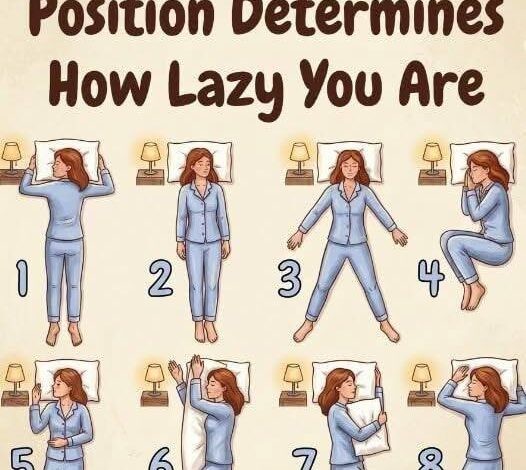
Have you ever noticed that you tend to fall asleep in the same position each night? Some people lie flat on their backs, while others sleep on their sides, curl into a fetal position, stretch out across the bed, or hold a pillow close to their chest. These habits have led to countless online charts and social media posts claiming that a person’s preferred sleeping position can reveal whether they are confident, shy, sensitive, organized, or relaxed.
These personality interpretations can be entertaining, but they are not supported by strong scientific evidence. Sleep posture is not a reliable psychological test, and it cannot determine a person’s character, intelligence, work ethic, or emotional traits. Sleep science instead examines measurable factors such as sleep duration, sleep quality, breathing patterns, body movement, pain, and the frequency of nighttime awakenings.
Your usual sleeping position may say more about physical comfort, habit, health needs, and the environment in your bedroom than it does about your personality. Understanding the practical effects of different positions can help you make choices that support more comfortable and restorative sleep.
Why Sleeping Position Personality Claims Are Not Scientific
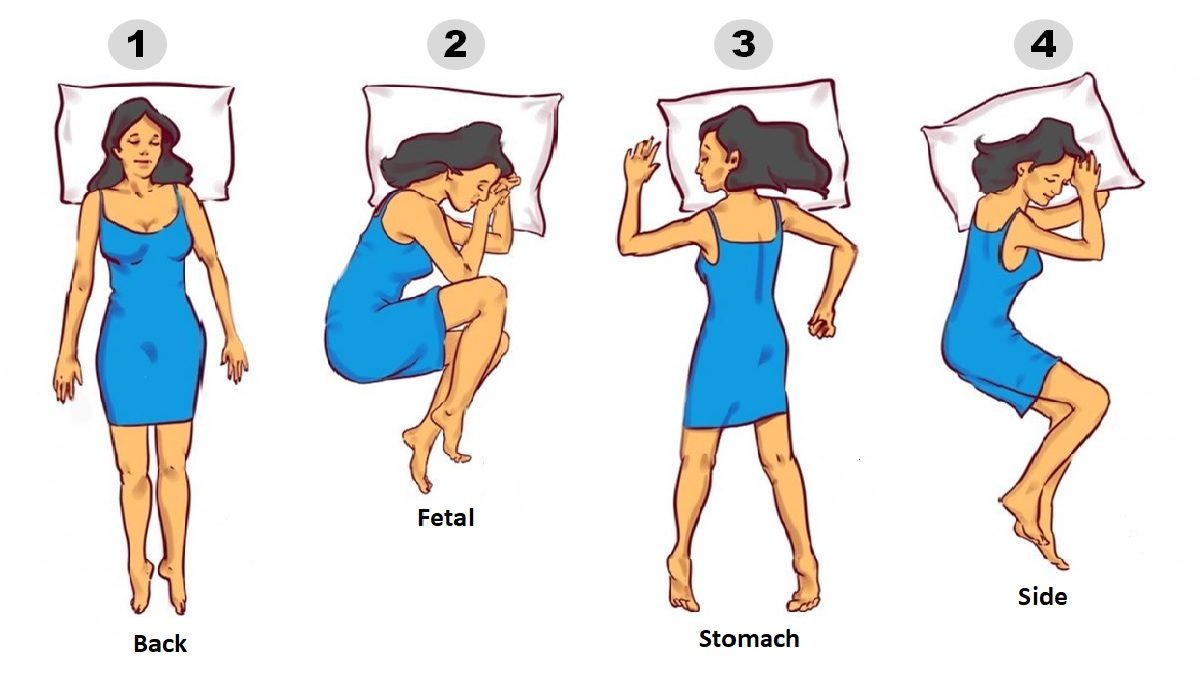
Personality is complex. Psychologists study it through validated assessments, long-term behavioral patterns, interviews, and research involving large groups of people. A single physical habit, such as the way someone lies in bed, does not provide enough information to accurately describe their personality.
Many claims about sleep positions come from popular culture rather than from peer-reviewed research. A chart may state that a person who sleeps curled up is “sensitive” or that someone who sleeps spread out is “confident.” However, these descriptions are often broad enough that many people can recognize themselves in them. This is sometimes called the Barnum effect: people may feel that general statements are personally accurate even when they could apply to a wide range of individuals.
Sleep researchers do recognize that stress, discomfort, illness, and changes in daily routine can affect sleep. But that is very different from saying a sleeping position can diagnose a personality type. Someone may switch from their back to their side because of shoulder discomfort, a new mattress, pregnancy, nasal congestion, or simply because their partner has taken up more space in the bed.
What Influences the Way People Sleep?
Most people do not consciously choose one posture and maintain it all night. It is normal to move and change positions during sleep. The position in which a person falls asleep may differ from the position in which they wake up.
Several practical factors can shape sleeping preferences:
- Comfort and habit: People often return to positions that have felt comfortable for years.
- Mattress firmness: A mattress that is too soft or too firm may cause pressure points and encourage frequent repositioning.
- Pillow height and support: A pillow that does not keep the head and neck in a neutral position can contribute to morning stiffness.
- Room temperature: People may curl up more in cooler rooms or spread out when they feel warm.
- Shoulder, neck, hip, or back discomfort: Pain can make some positions less comfortable than others.
- Breathing and snoring: Sleep posture can influence the airway in some people, especially those who snore.
- Pregnancy: Physical changes during pregnancy often make side sleeping more comfortable and may lead to specific medical advice from a clinician.
Because so many factors are involved, it is not realistic to assign a fixed personality label to a sleep position. The same person may adopt different positions at different stages of life.
Common Sleeping Positions and What They May Mean for Comfort
Side Sleeping
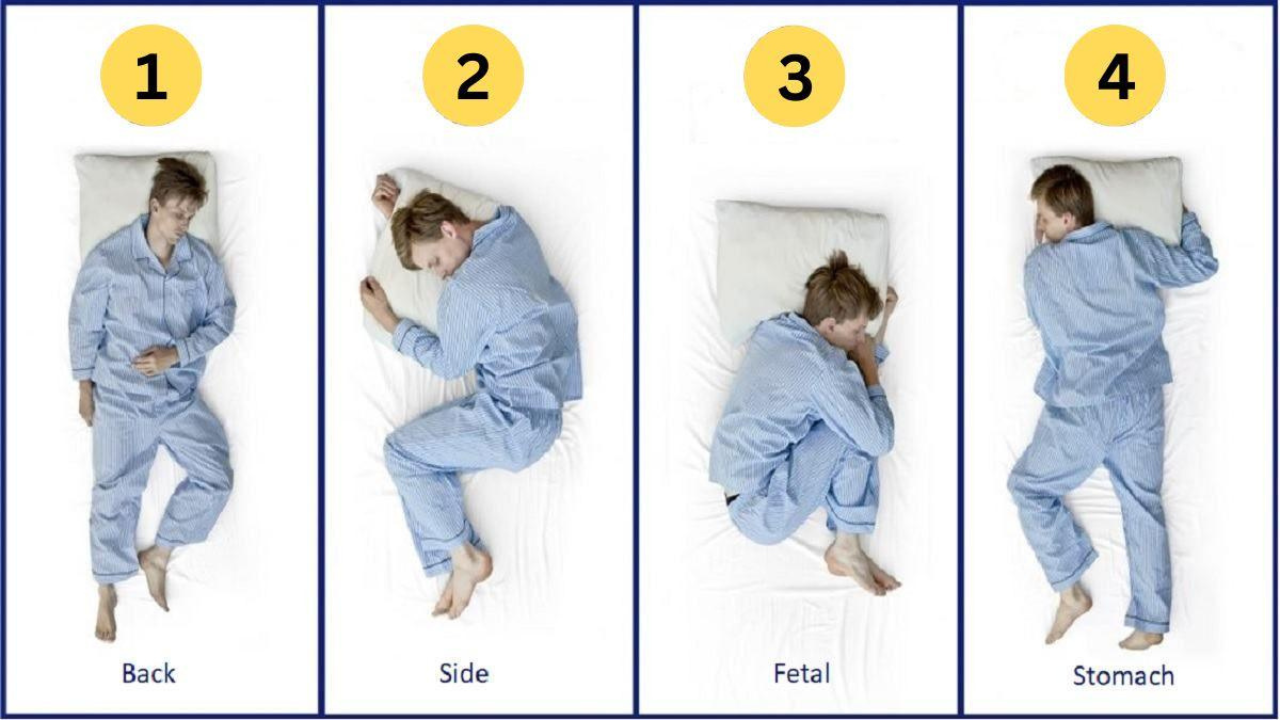
Side sleeping is one of the most common sleep positions. It includes sleeping with the legs relatively straight, with the knees slightly bent, or in a more curled posture. Many people find it comfortable because it can reduce direct pressure on the lower back and may feel natural when using a supportive pillow.
For some people who snore, sleeping on the side may be preferable to lying on the back. When a person sleeps on their back, gravity can contribute to narrowing of the upper airway in susceptible individuals. Positional changes may reduce snoring for some people, although persistent or loud snoring should be discussed with a healthcare professional because it can sometimes be associated with obstructive sleep apnea.
A side sleeper may benefit from a pillow that fills the space between the head and mattress without pushing the neck upward or allowing it to bend downward. Placing a pillow between the knees can also help some people feel more comfortable by supporting the hips and legs.
However, side sleeping can place pressure on the shoulder and hip that are against the mattress. People with shoulder pain may need to experiment with pillow support, mattress firmness, or the opposite side.
The Fetal Position
The fetal position is a form of side sleeping in which the knees are drawn toward the chest. It is often associated online with sensitivity or a desire for security, but there is no evidence that these personality descriptions are accurate.
From a comfort perspective, a gently curled position may feel soothing and can be suitable for many people. The key word is gently. Curling extremely tightly can make some people feel stiff in the morning, particularly around the neck, shoulders, hips, or lower back. A person who wakes up with discomfort may try loosening the curl slightly, using a pillow between the knees, or choosing a pillow that better supports the head.
Back Sleeping
Back sleeping, sometimes called the supine position, involves lying face up with the body relatively straight. It may feel comfortable for people who prefer even weight distribution across the body and do not have breathing problems that worsen when lying on their back.
A small pillow or support under the knees may help some back sleepers reduce strain on the lower back. The right pillow is also important: a pillow that is too high may push the head forward, while one that is too flat may not provide enough support.
Back sleeping is not ideal for everyone. It can worsen snoring in some individuals and may be less suitable for people with certain breathing concerns. The Mayo Clinic notes that sleeping on the side can help prevent the airway from narrowing for some people who snore. Anyone who has frequent breathing pauses during sleep, gasping, severe daytime sleepiness, or persistent loud snoring should seek medical advice rather than relying only on a change in posture.
Stomach Sleeping
Stomach sleeping, also called prone sleeping, can feel comfortable to some people and may reduce snoring for certain individuals. Yet it may also place the neck in an awkward rotated position because the head usually needs to turn to one side to breathe. This can lead to neck strain in some sleepers.
People who prefer sleeping on their stomach may find that a thinner pillow, or in some cases no pillow under the head, reduces the angle of the neck. A pillow placed under the pelvis or lower abdomen may improve comfort for some people, although individual needs vary. If stomach sleeping regularly leads to pain, it may be helpful to gradually experiment with side sleeping or discuss persistent discomfort with a healthcare professional.
Starfish and Spread-Out Positions
Some sleepers lie on their back with arms and legs spread out, a posture commonly called the starfish position. Others sleep on their side with one arm above the head. These positions are often given dramatic personality descriptions online, but they are simply variations in how people seek space and comfort.
Arms raised above the head may occasionally create shoulder discomfort or numbness, especially if a person remains in that posture for a long time. If this happens often, adjusting the pillow, changing arm placement, or seeking guidance for ongoing symptoms may be useful.
Hugging a Pillow
Hugging a pillow is another common habit that does not carry a proven psychological meaning. For side sleepers, holding a pillow can provide a comfortable place to rest the upper arm and may reduce the feeling that the shoulder is rolling forward. A body pillow can also offer support between the knees and along the torso.
This type of support can be especially helpful for people who feel more comfortable with their hips and shoulders aligned. It is also commonly used during pregnancy, when finding a comfortable position can become more difficult.
Sleeping Positions During Pregnancy
Pregnancy can significantly change sleep comfort, particularly as the body changes during the second and third trimesters. The American College of Obstetricians and Gynecologists advises pregnant people to try to sleep on their side later in pregnancy, noting that either side is acceptable. Side sleeping may be more comfortable and can be supported with pillows placed between the knees, under the abdomen, or behind the back.
People who wake up on their back during pregnancy should not panic. Sleep positions naturally change overnight. The practical approach is to return to a comfortable side position when awake and to follow individualized advice from an obstetric care professional.
How to Choose the Best Sleeping Position for You
There is no one “perfect” sleeping position for every person. The best position is generally the one that allows you to breathe comfortably, minimizes pain and pressure, supports healthy spinal alignment, and helps you get enough uninterrupted sleep.
Rather than trying to match your sleep posture to a personality label, consider these practical questions:
- Do you wake up feeling rested most mornings?
- Do you experience persistent neck, shoulder, back, or hip pain?
- Does your pillow keep your head and neck comfortably aligned?
- Do you snore loudly or wake up gasping for air?
- Does your mattress provide enough support without creating pressure points?
- Are you getting the amount of sleep recommended for your age and daily needs?
The Centers for Disease Control and Prevention emphasizes that adequate sleep is an important part of overall health. For most adults, this generally means seven or more hours per night, although individual needs can differ. A comfortable sleeping position matters, but it is only one part of healthy sleep. Consistent bedtimes, a dark and quiet sleep environment, regular physical activity, and limiting caffeine or electronic device use close to bedtime may also help improve sleep quality.
When to Speak With a Healthcare Professional
Changing sleep position can sometimes improve comfort, but it is not a substitute for medical evaluation. Consider speaking with a healthcare professional if you have persistent pain, regular numbness or tingling after sleep, frequent insomnia, loud chronic snoring, observed pauses in breathing, morning headaches, or excessive daytime fatigue.
These symptoms do not automatically mean there is a serious problem, but they deserve appropriate attention. A clinician can assess possible causes and recommend evidence-based care, which may include changes to sleep habits, treatment for an underlying condition, or referral to a sleep specialist.
The Bottom Line on Sleep Position and Personality
Your sleeping position may reflect what feels physically comfortable, not who you are as a person. While personality-based sleep charts remain popular, they should be viewed as light entertainment rather than scientific fact.
A more useful approach is to focus on sleep quality, body support, and symptoms that affect your wellbeing. Whether you sleep on your side, back, stomach, or while hugging a pillow, the goal is the same: a comfortable, safe, and restorative night of sleep.
Sources
- Centers for Disease Control and Prevention: About Sleep
- Mayo Clinic: Snoring and Sleep Position
- American College of Obstetricians and Gynecologists: Sleep Problems During Pregnancy
- National Heart, Lung, and Blood Institute: Sleep Deprivation and Deficiency
- National Institute of Neurological Disorders and Stroke: Sleep Apnea
Disclaimer: This content is intended for entertainment purposes only and is not based on real events.