There are some television performances that remain connected to an entire generation. Years may pass, shows may leave the original broadcast schedule, and actors may move on to completely different chapters of their lives, yet certain characters remain unforgettable.
For many viewers, Melissa Sue Anderson is one of those actors.
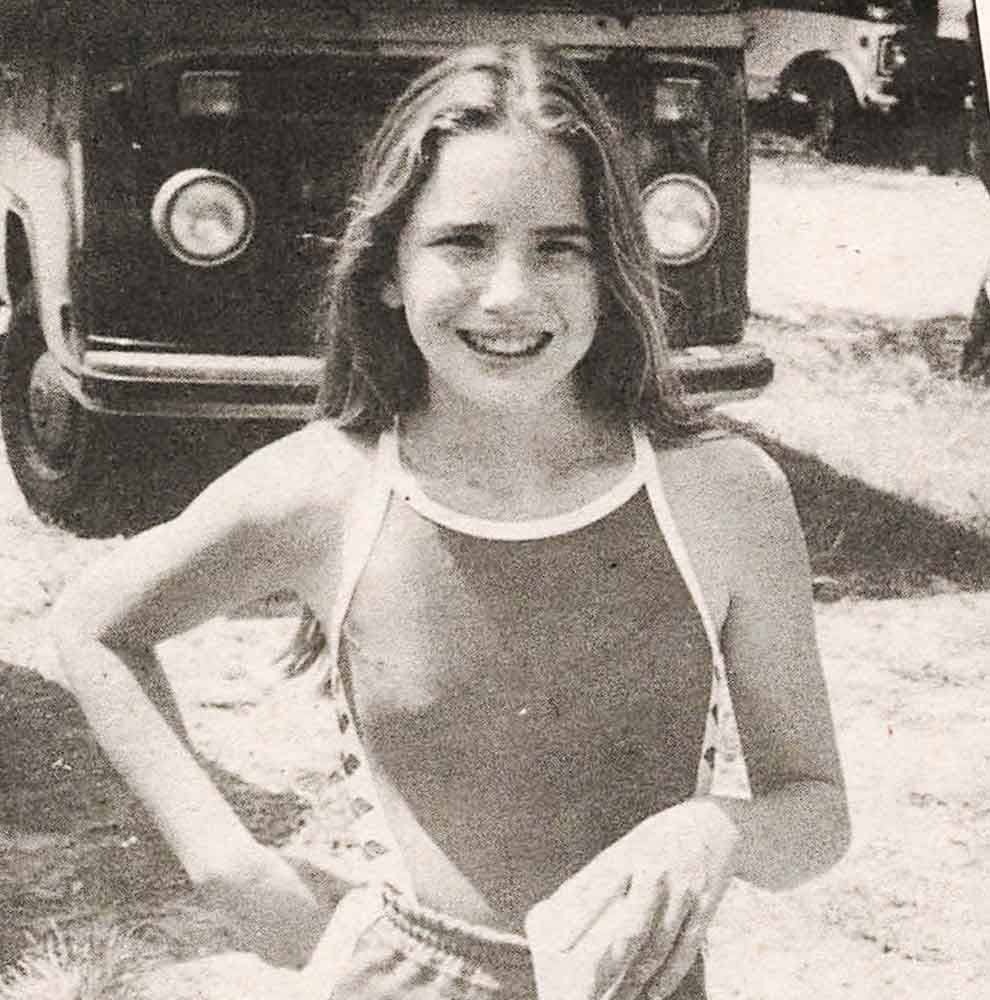
At just 12 years old, Anderson stepped into the role of Mary Ingalls on Little House on the Prairie, a series that became one of the defining family dramas of 1970s and early 1980s television. Her performance introduced audiences to a young actress capable of handling emotionally demanding material with remarkable maturity.
But the most interesting part of Anderson’s story is not simply how she became famous so young. It is what she chose to do afterward.
Rather than spending her entire adult life pursuing constant publicity, Anderson gradually moved toward a quieter existence centered on family and personal privacy. Her journey offers an interesting look at child performers, television history, and the choices that can shape a life long after childhood fame has faded.
Who Is Melissa Sue Anderson?
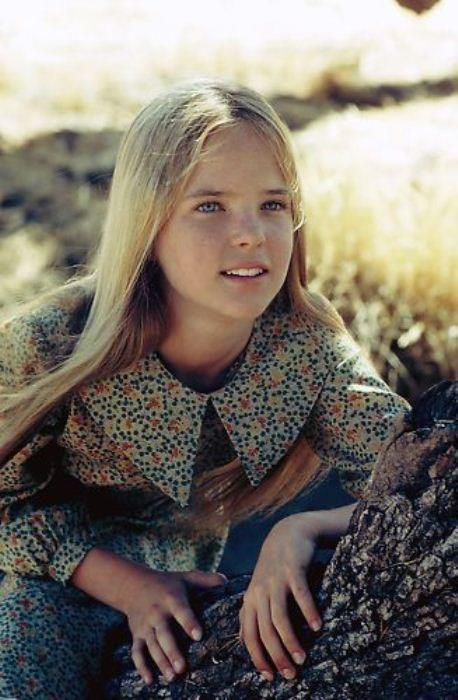
Melissa Sue Anderson was born on September 26, 1962, in Berkeley, California. Her family later moved to Los Angeles, where she began appearing in commercials as a child.
Like many young performers of the era, Anderson’s first opportunities came through advertising and television appearances. Her natural presence in front of the camera eventually led to larger acting opportunities.
Her early work included commercials for major brands, including Mattel. She also appeared in television programs before receiving the role that would define the first major chapter of her career.
That role was Mary Ingalls.
In 1974, Little House on the Prairie premiered on NBC. The series was inspired by Laura Ingalls Wilder’s autobiographical children’s books and followed the Ingalls family as they lived in the American Midwest during the nineteenth century.
Anderson became one of the show’s central young performers.
Mary Ingalls Became Her Defining Role
Mary Ingalls was the oldest daughter in the Ingalls family, and Anderson played her throughout much of the series.
The character was written as responsible, intelligent, and compassionate. As the series developed, however, Mary experienced increasingly complicated challenges that required Anderson to portray a much wider emotional range.
One of the most memorable storylines involved Mary’s loss of sight.
The storyline became one of the most significant arcs in Little House on the Prairie. Anderson approached the material seriously, helping the character’s changing circumstances feel like part of an ongoing human story rather than simply a dramatic television twist.
The episode “I’ll Be Waving as You Drive Away” became particularly memorable among viewers.
Anderson’s performance was also recognized by the television industry. In 1978, she received a Primetime Emmy nomination for Outstanding Lead Actress in a Drama Series, an impressive achievement for such a young performer.
Her nomination demonstrated that audiences and critics were beginning to recognize her not merely as a child actor but as a serious television performer.
The Challenge of Growing Up on Television
Growing up in front of an audience can be complicated.
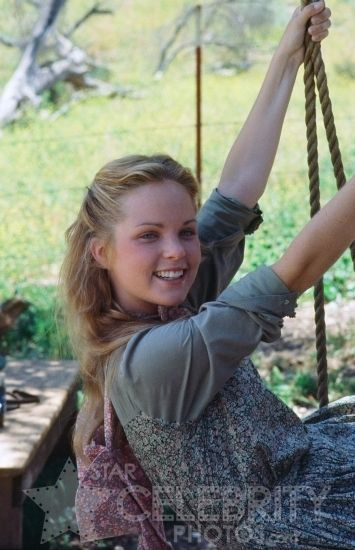
For a young actor, childhood is normally a period of experimentation, education, and gradual development away from public attention. A child performer experiences some of those same stages while simultaneously being watched by millions of people.
Anderson’s experience offers an interesting example of how a young performer can navigate that environment.
Her career developed during an era when television was becoming increasingly influential in American family life. Weekly programs created familiar characters who became almost like extended members of viewers’ households.
That meant young performers could become recognizable very quickly.
But recognition also creates expectations.
Once an actor becomes strongly associated with one character, audiences may continue to imagine that person through the role long after the series ends. For Anderson, Mary Ingalls became an important part of her professional identity.
Her later career therefore involved finding opportunities that allowed audiences to see different sides of her abilities.
Exploring Different Roles After Little House
Anderson did not simply disappear after Little House on the Prairie.
Instead, she gradually explored different types of television and film projects.
One notable example was the 1981 film Happy Birthday to Me. The project allowed Anderson to move into a different genre and demonstrate that she was capable of taking on material far removed from the family drama that had made her famous.
She also appeared in several well-known television programs during the 1980s and 1990s.
Her credits included appearances on The Love Boat, Murder, She Wrote, and The Equalizer. She also worked in television films and miniseries.
In 1990, she appeared as First Lady Megan Holliday in the miniseries Young Catherine.
These roles were important because they helped establish Anderson as an adult performer rather than permanently defining her as the young actress who had played Mary Ingalls.
Leaving the Center of the Hollywood Spotlight
Perhaps the most intriguing chapter of Melissa Sue Anderson’s life began when she became less visible.
In 1990, Anderson married television producer and writer Michael Sloan. Sloan was known for his work on television, including The Equalizer.
The couple eventually had two children.
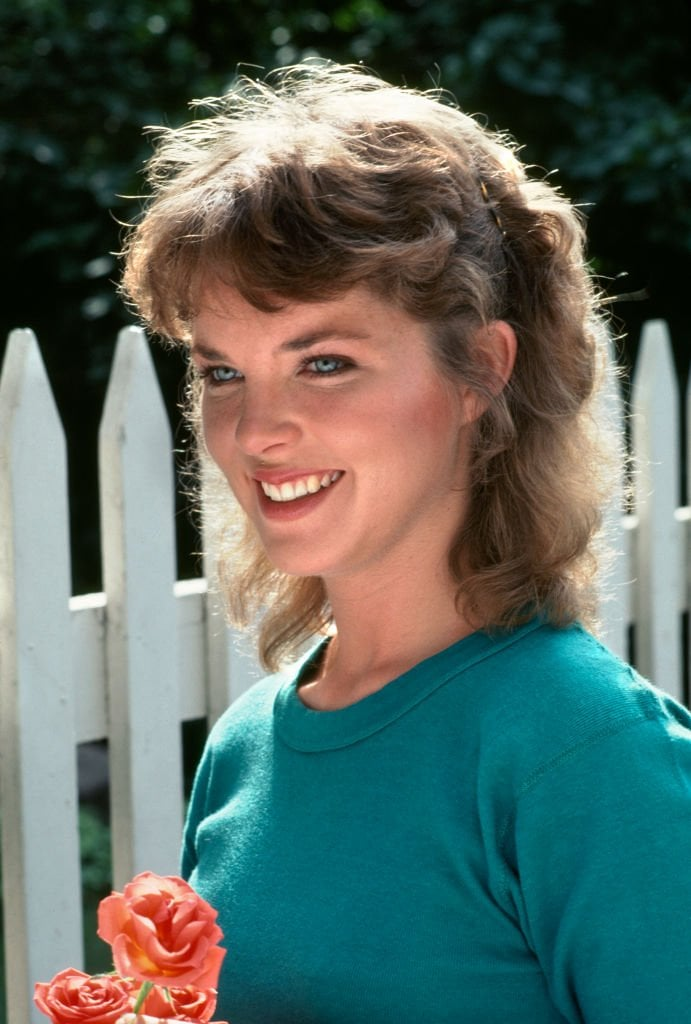
Anderson’s priorities increasingly shifted toward family life and privacy. Rather than maintaining a constant presence in entertainment news, she chose to live more quietly.
The decision is particularly interesting when viewed against the culture of modern celebrity.
Today, actors and other public figures can remain visible through interviews, social media, livestreams, podcasts, and online entertainment coverage. Maintaining public attention can become almost a full-time activity.
Anderson’s approach was different.
She demonstrated that a successful performer does not necessarily need to remain constantly visible to preserve a meaningful legacy.
Life in Canada
Anderson and her family eventually settled in Canada, and she became a Canadian citizen.
Moving away from Hollywood gave her an opportunity to create more distance between her private life and her earlier career.
That separation may have been particularly valuable for someone who had become famous during childhood.
There is a natural difference between being recognized for something you accomplished as a child and deciding how much of your adult identity should remain connected to it.
Anderson’s later choices suggest that privacy became an important part of her definition of success.
Her story does not suggest that she rejected acting or television. Instead, she appears to have chosen a more selective relationship with the entertainment industry.
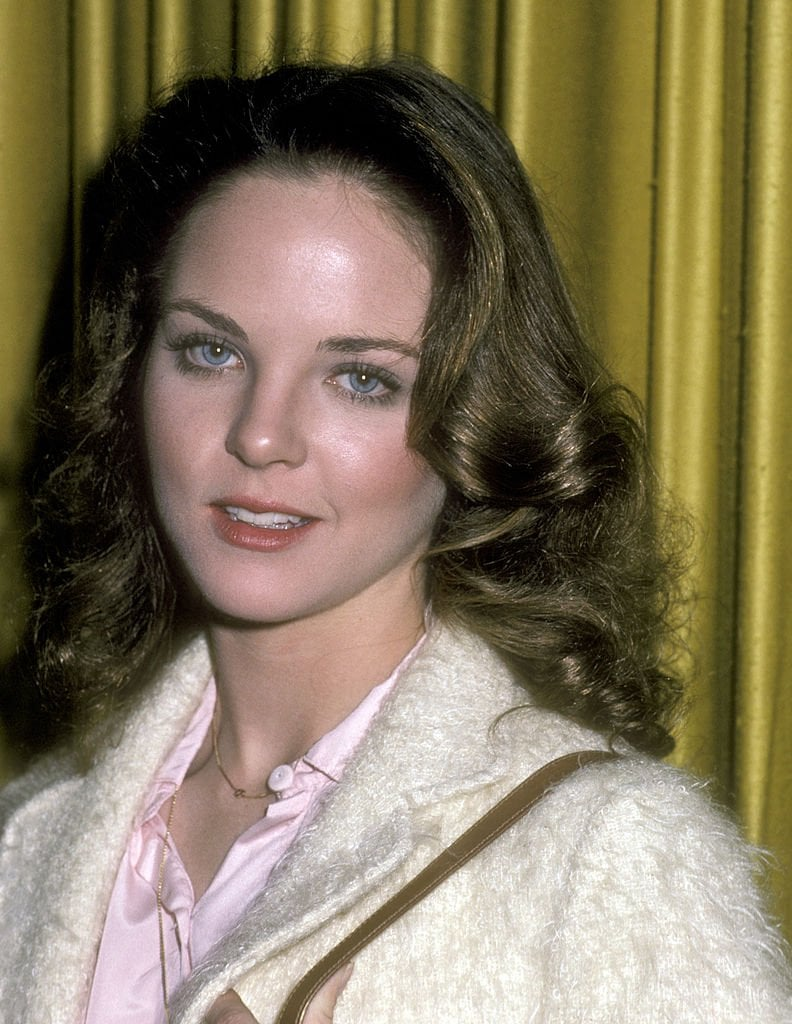
The Way I See It
In 2010, Anderson published her memoir, The Way I See It: A Look Back at My Life on Little House.
The book offered fans an opportunity to understand her experiences more personally.
Rather than presenting herself simply as a former child star, Anderson reflected on what it was like to grow up working on a successful television series.
Memoirs from former child performers can be particularly valuable because they provide perspective that audiences could not see while a show was being broadcast.
Viewers see the finished performance.
They do not necessarily see rehearsals, long working days, relationships among cast members, or the personal experience of growing up while surrounded by professional expectations.
Anderson’s memoir helped provide some of that missing context.
What Science Says About Childhood Fame
The experience of becoming famous at a young age has attracted interest from psychologists and researchers because childhood and adolescence are important periods of identity development.
Research into child performers has explored subjects such as work demands, education, family support, public attention, and the transition into adulthood.
Importantly, there is no single outcome for every child actor.
Some former child performers continue successful careers. Others choose different professions. Some remain public figures, while others deliberately seek privacy.
Family support, financial management, education, working conditions, personality, and individual circumstances can all influence how a young performer experiences fame.
This is why it is difficult to make broad assumptions about every former child star.
Melissa Sue Anderson’s experience demonstrates one possible path: early professional success followed by a gradual reduction in public visibility and greater emphasis on personal life.
Why Mary Ingalls Remains Memorable
Part of Anderson’s lasting popularity comes from the character she played.
Mary Ingalls represented qualities that were central to Little House on the Prairie: family, perseverance, responsibility, education, and resilience.
Her storylines also allowed the series to explore changes in people’s lives without reducing characters to simple heroes or villains.
The blindness storyline was particularly important because it changed Mary’s future while leaving room for the character to continue developing.
Anderson’s performance helped audiences connect emotionally with those changes.
That connection explains why Mary remains one of the most recognizable characters associated with the series.
Even viewers who did not watch the original broadcasts may encounter Little House on the Prairie through reruns, streaming platforms, clips, books, or discussions about classic television.
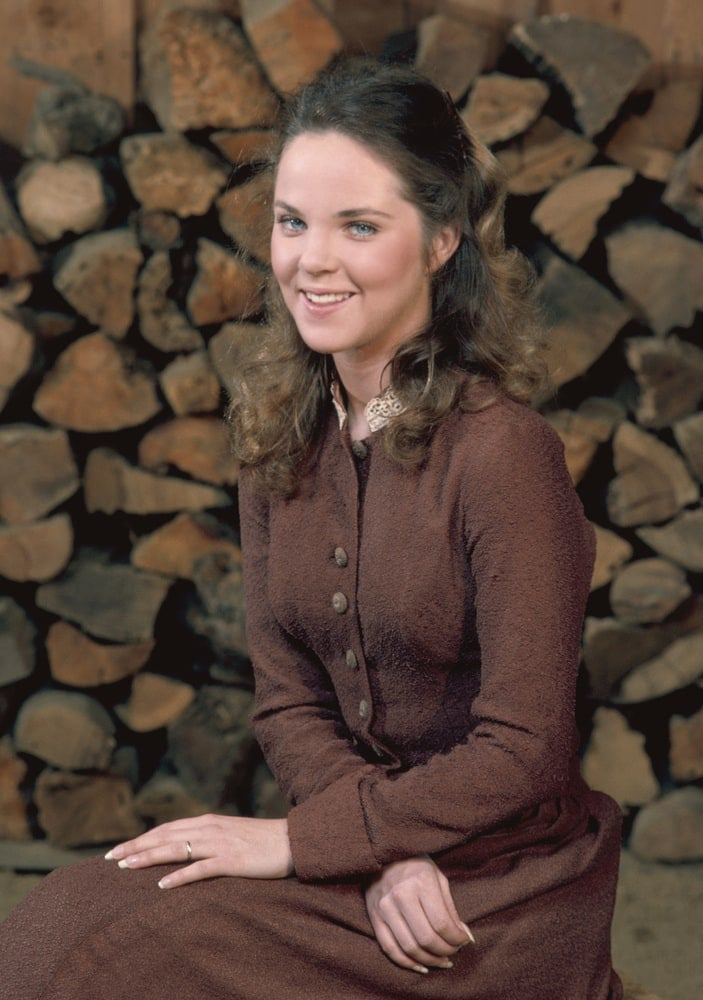
A Career Beyond One Character
One of the biggest challenges for actors who become famous through a single iconic role is avoiding permanent typecasting.
Anderson’s later career showed a willingness to explore different genres and characters.
Her appearances in television dramas, films, miniseries, and other productions demonstrated that her abilities extended beyond the world of Walnut Grove.
At the same time, she did not need to completely reject Mary Ingalls in order to establish herself as an adult.
The character remained an important part of her professional history.
This balance is worth noting.
A successful actor can acknowledge a famous early role without allowing that role to define their entire identity.
The Meaning of Stepping Away
Melissa Sue Anderson’s decision to maintain a quieter life also raises a broader question about what success actually means.
Hollywood often presents success through visibility.
More interviews, more appearances, more projects, and more public attention can appear to represent greater achievement.
But another definition of success is possible.
For some people, success means having control over their time, protecting family relationships, choosing meaningful work, and deciding when to be visible and when to step away.
Anderson’s life illustrates that alternative.
Her career was already established before she chose greater privacy. She did not have to constantly prove that she was still relevant.
Her body of work had already created a lasting connection with viewers.
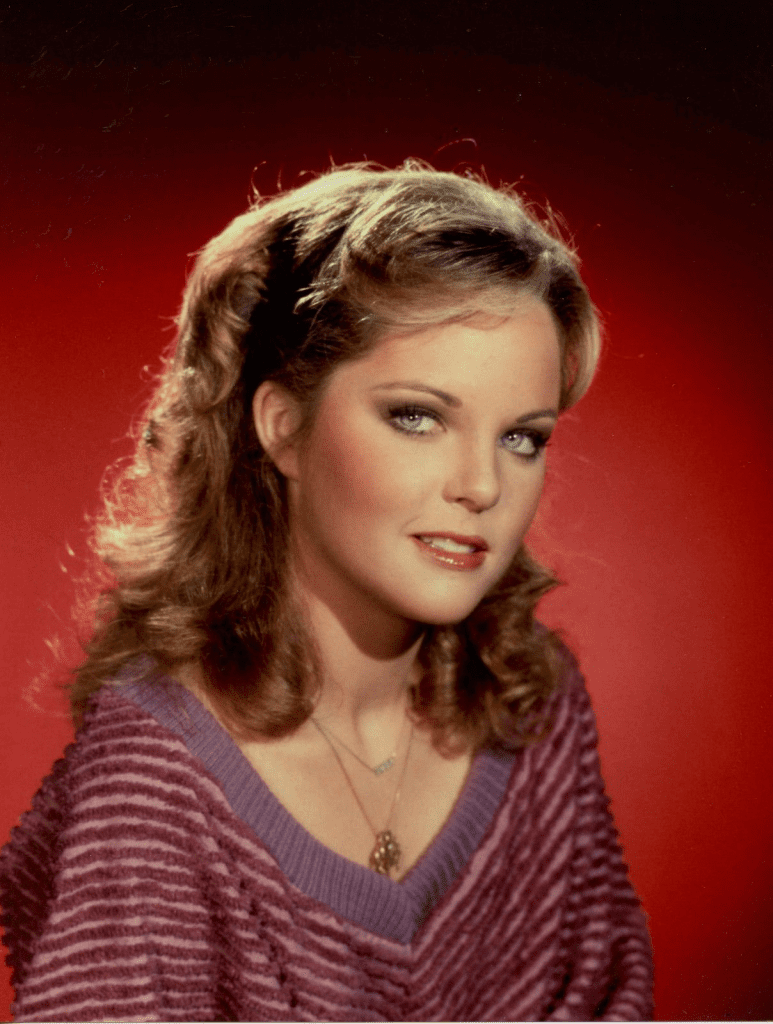
Why Fans Still Remember Her
Classic television has a remarkable ability to preserve memories.
For viewers who watched Little House on the Prairie during its original run, Anderson’s face may be connected to childhood evenings, family viewing, and a particular period of television history.
For newer audiences, her performance provides a window into an earlier style of family drama.
This is one reason classic television continues to attract interest.
The programs may be decades old, but the emotional themes remain recognizable.
Family relationships, personal challenges, ambition, friendship, and resilience are not limited to one generation.
Actors such as Anderson become part of that cultural memory because their performances are repeatedly rediscovered.
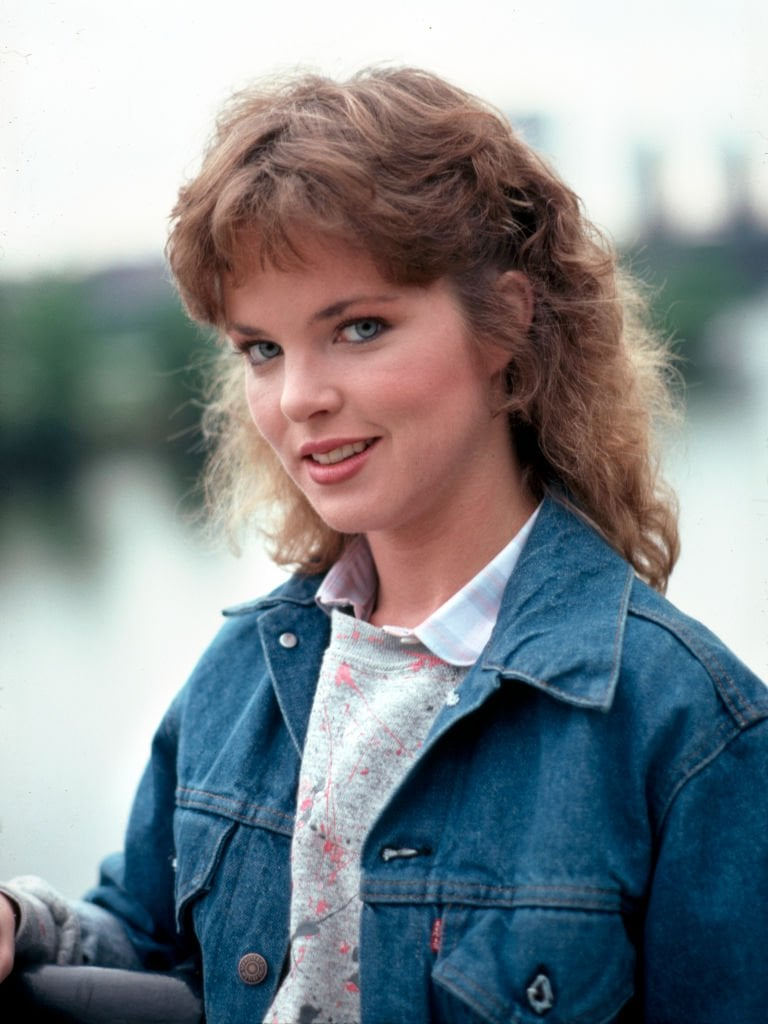
Melissa Sue Anderson’s Enduring Legacy
Melissa Sue Anderson’s career can be understood as more than the story of a successful child actress.
It is also a story about choosing what comes next.
She entered television at a young age, became internationally recognized through Little House on the Prairie, received major industry recognition, explored different roles, published a memoir, raised a family, and eventually chose a more private existence.
Her path is different from the traditional Hollywood story in which a celebrity constantly seeks the next opportunity.
Instead, Anderson’s career demonstrates that stepping away can also be a meaningful choice.
Her legacy remains closely connected to Mary Ingalls, but it does not end there.
She represents a generation of performers who helped shape the language of television drama while navigating the unusual experience of growing up in front of an audience.
Conclusion: A Star Who Chose Her Own Definition of Success
Melissa Sue Anderson first captured television audiences when she was only 12 years old.
Decades later, people still remember her performance as Mary Ingalls and the emotional depth she brought to Little House on the Prairie.
But perhaps the most interesting part of her story came after the cameras became less central.
Instead of measuring her life entirely through fame, Anderson gradually built a quieter path centered on family, privacy, and selective creative work.
Her journey reminds us that success does not have to follow one formula. Some people want the spotlight for their entire lives. Others discover that fulfillment comes from stepping away from it.
Anderson’s career offers both lessons.
Her early work shows what remarkable talent can accomplish at a young age. Her later choices show that a meaningful life can also exist beyond public attention.
That may be why audiences continue to be curious about where her life took her.
We are fascinated not only by the people we see on television, but by the choices they make when the cameras are no longer watching.
In Anderson’s case, the answer was remarkably simple: she chose her own path.
Sources
Encyclopaedia Britannica – Little House on the Prairie
Emmys – Primetime Emmy Awards database
IMDb – Melissa Sue Anderson biography and credits
Little House on the Prairie – Official Universal Television information