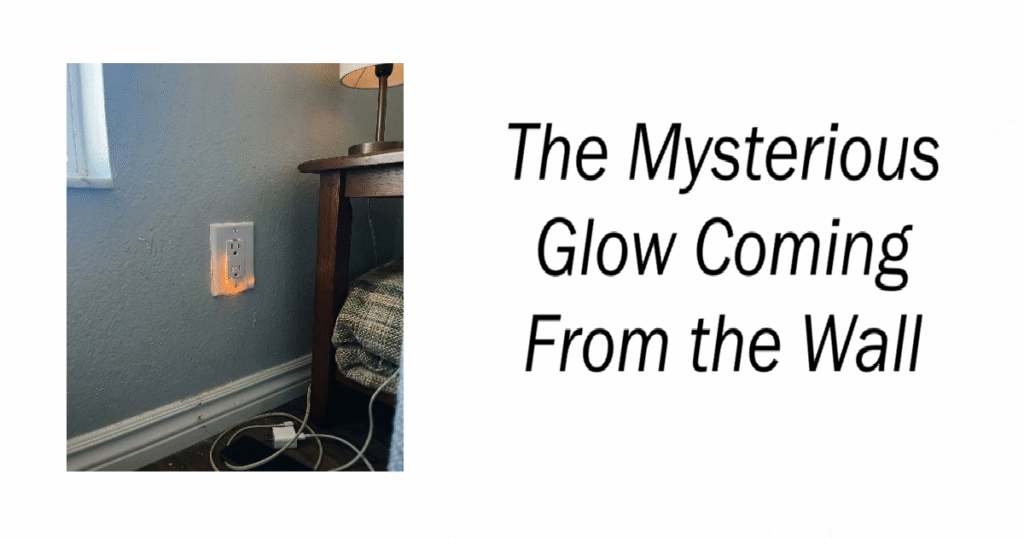
The Mysterious Glow Coming From the Wall
An unusual orange glow appearing around an electrical outlet can be easy to dismiss at first. A homeowner may reasonably wonder whether the light is caused by a reflection, a nearby electronic device, an illuminated switch, or a small indicator built into the outlet. However, an outlet or wall plate that emits light without an obvious designed purpose should be treated seriously.
Electrical systems are intended to operate without visible glowing, excessive heat, smoke, strong odors, or unusual sounds. When a light seems to be coming from behind a wall plate, it may point to a problem inside the electrical box, such as a loose wire connection or heat-damaged component. While the exact cause can only be confirmed by a qualified electrician, acting cautiously can help prevent further damage and reduce the risk of an electrical fire.
In this case, the homeowner did not remove the outlet or attempt a repair. Instead, the circuit was switched off at the breaker panel and an electrician was contacted. That was the appropriate response to a potentially hazardous electrical warning sign. After safely removing the outlet, the electrician identified a loose connection that had generated excess heat behind the wall plate.
Why an Orange Glow Near an Outlet Is Not Normal
Most standard electrical outlets are not designed to glow. Some modern products do include small built-in lights, such as night-light receptacles, ground-fault circuit interrupter (GFCI) status indicators, USB charging outlets, smart outlets, and surge-protected power devices. These lights are usually small, consistent in color, and clearly associated with the product’s design.
An unexplained orange, red, or flickering light visible through the edges of a wall plate is different. It may be accompanied by warmth, discoloration, a faint crackling noise, or an odor similar to overheated plastic. These symptoms can indicate that a component is operating at an unsafe temperature.
The Electrical Safety Foundation International advises consumers to pay attention to warning signs that may signal electrical hazards. These can include warm outlets or switches, discolored wall plates, frequent circuit breaker trips, sparks, buzzing sounds, and burning odors. A single symptom does not always establish the cause, but it is enough to justify stopping use of the affected outlet and arranging a professional inspection.
What the Electrician Found Behind the Wall Plate
After the circuit was de-energized and the outlet was removed safely, the electrician found a loose electrical connection in the outlet box. Loose connections are a recognized cause of overheating in residential wiring. Electricity moving through a properly installed electrical connection encounters a low and stable amount of resistance. If a wire is not secured correctly, the contact point may become less effective.
That poor contact can increase resistance. As resistance rises at a connection point, electrical energy may be released as heat. Over time, the heat can affect the outlet, wire insulation, terminal screws, connectors, and nearby materials. In severe cases, the connection can produce electrical arcing, which occurs when electricity moves through an unintended gap.
The visible orange glow in this situation was reportedly coming from inside the electrical box, where overheating had damaged insulation around one of the wires. It was not a normal feature of the outlet. The discovery showed why unusual light around electrical equipment should never be treated as a harmless curiosity.
How Loose Electrical Connections Develop
Loose wiring can develop for several reasons. Electrical installations may have aged, been improperly installed, or experienced repeated heating and cooling cycles. Over many years, ordinary use and vibration can also affect connections. In some homes, older outlets or wiring systems may not be well suited to the demands of modern appliances and electronics.
Connections can also be compromised when wires are pushed into quick-connect openings on the back of some receptacles, when terminal screws are not tightened to the required specification, or when damaged components are reused. These issues should be assessed by a licensed or otherwise qualified electrician who can examine the condition of the outlet, wiring, circuit protection, and electrical panel.
High electrical loads may make an existing weakness more apparent. Space heaters, portable air conditioners, microwave ovens, hair dryers, electric kettles, and other high-wattage appliances can draw substantial current. Extension cords and power strips may also become overloaded if used improperly. A properly designed and maintained circuit should safely manage expected loads, but damaged or loose connections can still overheat under normal use.
Why Turning Off the Breaker Was an Important First Step
When an outlet appears to be overheating, the safest general response is to stop using it. If it can be done safely and without approaching smoke, heat, or damaged equipment, switching off the relevant circuit breaker can reduce the flow of electricity to the affected area. Homeowners should avoid touching a hot outlet, inserting objects into it, removing the cover plate, or attempting to tighten wiring themselves.
Electrical work can involve shock, burn, and fire risks, particularly when a circuit has not been properly identified or when wiring damage is hidden inside a wall. Turning off one breaker does not automatically guarantee that every wire in a box is de-energized, especially in properties with complex wiring or alterations made over time. A qualified electrician uses appropriate testing equipment to confirm that power is off before beginning work.
If an outlet is smoking, making loud crackling sounds, or showing signs of active fire, people should leave the immediate area and contact emergency services. Safety guidance from fire authorities emphasizes that electrical emergencies should not be handled casually. Water should never be used on an energized electrical fire because it can conduct electricity and create additional danger.
Common Warning Signs of an Electrical Outlet Problem
Not every electrical issue produces a visible glow. In many cases, the earliest warnings are more subtle. Recognizing these signs can help homeowners seek help before a problem becomes more serious.
- Warm or hot outlets: An outlet may feel slightly warm when powering certain equipment, but persistent or excessive heat is not normal and should be checked.
- Discoloration: Yellowing, browning, black marks, melted plastic, or darkened areas around a receptacle can indicate previous overheating.
- Burning or chemical odors: A smell resembling hot plastic, rubber, or burning material near an outlet requires prompt attention.
- Buzzing, crackling, or popping sounds: These noises may point to a loose connection, damaged device, or electrical arcing.
- Sparks: A small brief spark can occur in limited circumstances when a plug is inserted, but repeated, large, or unusual sparks should be evaluated.
- Loose plugs: If plugs fall out easily or do not fit securely, the receptacle may be worn and may need replacement.
- Frequent breaker trips: Circuit breakers are designed to interrupt power when they detect overloads or faults. Repeated tripping is a reason to investigate rather than repeatedly reset the breaker.
- Flickering lights: Lights that flicker when appliances start may indicate a circuit issue, although the cause can vary and should be professionally diagnosed.
Professional Repair and Inspection of Overheated Wiring
Once the problem was identified, the damaged wire section, faulty connection, and outlet were replaced. The electrician also inspected the surrounding circuit for additional heat damage. This broader inspection matters because electrical heat can affect more than the visible outlet. Nearby conductors, connectors, boxes, and circuit components may show evidence of stress that is not apparent from the room.
A professional electrician may check whether the receptacle is correctly rated, whether wire sizes match the circuit requirements, whether grounding is present and properly connected, and whether the circuit breaker is suitable for the wiring it protects. The electrician may also assess whether the outlet is located in an area where GFCI or arc-fault circuit interrupter protection is required by local electrical codes.
Building codes vary by country, state, and municipality, and electrical work may require permits or inspections depending on the location and scope of the repair. Homeowners should use professionals who meet local licensing and certification requirements. Electrical safety is not only about restoring power; it is about ensuring that the underlying cause has been corrected.
Electrical Fire Prevention Starts With Everyday Awareness
Many household electrical hazards can be reduced through routine attention and safe habits. Homeowners do not need to dismantle outlets to identify basic concerns. A visual and practical check of cords, plugs, outlets, and circuit behavior can reveal issues that deserve professional attention.
Avoid overloading outlets with multi-plug adapters or daisy-chained extension cords. Extension cords are generally intended for temporary use, not as permanent household wiring. Use power strips with appropriate safety features, and make sure they are rated for the devices connected to them. High-wattage appliances should generally be plugged directly into a suitable wall outlet rather than into an extension cord or overloaded strip.
Damaged cords should be replaced rather than repaired with tape. Cords should not be run under carpets, pinched under furniture, or placed where they can be damaged by doors or frequent foot traffic. In kitchens, bathrooms, laundry areas, garages, and outdoor locations, outlets may require specialized protection because moisture increases electrical risk.
Older homes may benefit from an electrical safety inspection, especially after purchasing the property, completing renovations, adding major appliances, or noticing recurring power problems. An electrician can identify outdated panels, insufficient circuits, ungrounded outlets, worn receptacles, and other conditions that may not be visible to occupants.
When to Call an Electrician Immediately
An electrician should be contacted promptly when an outlet glows unexpectedly, becomes hot, smells burnt, makes persistent unusual sounds, or shows discoloration. The same is true if a circuit breaker trips repeatedly or a plug no longer fits firmly in a receptacle. It is better to have a minor concern assessed than to continue using an outlet that may be deteriorating.
For an immediate emergency involving smoke, flames, or a rapidly worsening situation, people should prioritize personal safety, leave the area, and call local emergency services. Do not attempt to investigate the inside of a wall or electrical panel during an emergency.
The key lesson from the mysterious orange glow is straightforward: electrical systems should not create unexplained light or heat. What appeared to be a small visual oddity was an early warning of a loose connection and overheating wiring. By switching off the circuit and contacting a professional, the homeowner allowed the issue to be addressed before it could cause more extensive damage.
Sources
Disclaimer: This content is intended for entertainment purposes only and is not based on real events.