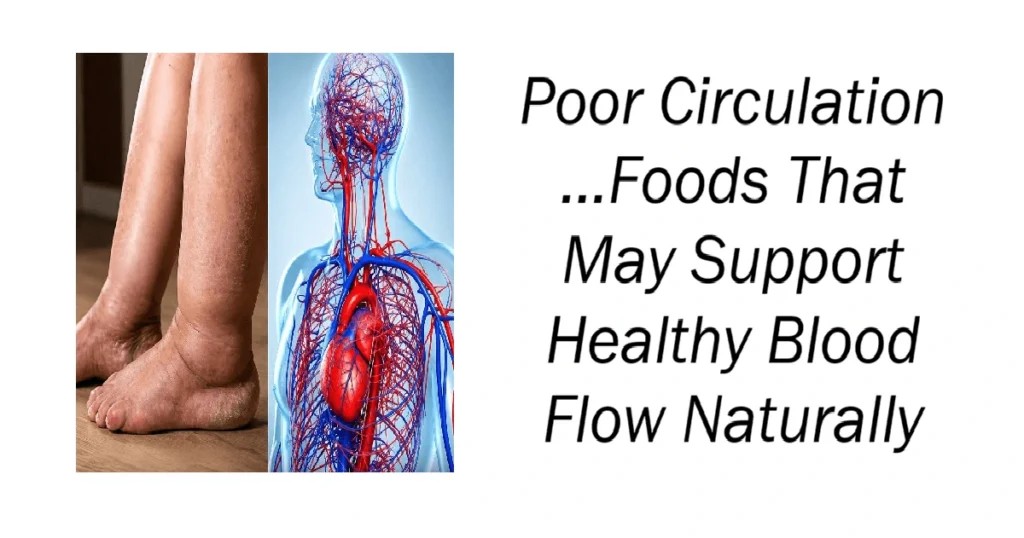
Many people search for foods for poor circulation after noticing cold feet, heavy legs, ankle swelling, tingling, or discomfort while walking. Nutrition can play a valuable role in supporting heart health, healthy blood vessels, blood pressure, and cholesterol levels. However, food is not a stand-alone treatment for circulation problems, and no ingredient can instantly unblock an artery or cure an underlying vascular condition.
A more useful approach is to focus on an overall heart-healthy eating pattern. Vegetables, fruit, legumes, whole grains, fish, nuts, seeds, and unsaturated fats provide nutrients linked with cardiovascular health. Combined with regular activity, avoiding tobacco, appropriate sleep, and management of medical risk factors, these choices can support long-term vascular function.
This guide explains what people mean by “poor circulation,” reviews 10 foods that may support healthy blood flow naturally, and outlines when symptoms should be assessed by a healthcare professional.
What Does “Poor Circulation” Mean?
“Poor circulation” is a commonly used phrase, not a single medical diagnosis. It may describe a wide range of symptoms, including cold hands or feet, swelling in the ankles, numbness, tingling, skin-color changes, heaviness in the legs, or wounds that heal slowly. The underlying cause is important because these symptoms can result from different health conditions.
For example, peripheral artery disease, often called PAD, occurs when narrowed arteries reduce blood flow to the limbs. A common symptom is leg discomfort or cramping during walking that improves with rest. In contrast, chronic venous problems can make it harder for blood to return from the legs toward the heart, contributing to swelling, aching, or a feeling of heaviness.
Diabetes, nerve conditions, anemia, thyroid disorders, dehydration, some medicines, and long periods of sitting can also contribute to symptoms people associate with circulation. For this reason, dietary changes should complement—not replace—medical evaluation when symptoms are persistent, worsening, or unexplained.
Can Food Improve Blood Flow?
Food can support the systems involved in cardiovascular health. A balanced diet may help people manage blood pressure, LDL cholesterol, blood sugar, and body weight, all of which can influence blood-vessel health over time. Important dietary components include fiber, potassium, magnesium, unsaturated fats, omega-3 fatty acids, plant compounds known as polyphenols, and naturally occurring nitrates.
It is important to set realistic expectations. No individual food can remove plaque from blood vessels, replace prescribed treatment, or resolve a blood clot. Evidence generally supports dietary patterns rather than “miracle foods.” The Mediterranean-style diet and similar patterns emphasizing minimally processed plant foods and healthy fats have been widely studied for cardiovascular benefits.
10 Foods That May Support Healthy Blood Flow Naturally
1. Beetroot
Beetroot is frequently discussed in relation to blood flow because it contains dietary nitrates. In the body, nitrates can be converted through a series of processes into nitric oxide, a molecule involved in the relaxation and function of blood vessels. Research has examined dietary nitrate intake for its potential effects on blood pressure and vascular function, although results can vary by person and study design.
Beetroot is not a treatment for blocked arteries, but it can be a nutritious addition to a vegetable-rich diet. Roasted beetroot works well in salads and grain bowls, while cooked beetroot can be blended into soups or added to side dishes. People who have been advised to limit certain foods because of kidney stones or kidney disease should ask a clinician or registered dietitian for individual guidance.
2. Leafy Green Vegetables
Spinach, kale, rocket, lettuce, Swiss chard, and other leafy greens offer natural nitrates as well as potassium, magnesium, folate, fiber, and a broad range of plant compounds. Regular vegetable intake is consistently associated with healthier dietary patterns and lower cardiovascular risk.
Variety matters more than finding one “best” green vegetable. Add greens to sandwiches, omelets, soups, pasta dishes, salads, or smoothies. If you take warfarin or another medicine affected by vitamin K intake, speak with your healthcare provider before making major changes to the amount of leafy greens you eat. Consistency, rather than avoiding nutritious vegetables altogether, is often important for people using warfarin.
3. Berries
Blueberries, strawberries, raspberries, and blackberries contain fiber, vitamins, and polyphenols, including anthocyanins that give many berries their deep red, blue, or purple colors. Studies of berries and cardiovascular markers are ongoing, but the clearest practical message is that whole fruits are valuable components of a diet rich in plants.
Fresh and frozen berries can both be useful choices. Add them to plain yogurt, porridge, or whole-grain cereal, or use frozen berries in a smoothie. Choosing whole fruit more often than sweetened desserts can also help reduce added sugar intake.
4. Citrus Fruits
Oranges, mandarins, grapefruit, lemons, and limes provide vitamin C, fiber, and flavonoids. Whole citrus fruits are generally preferable to juice as an everyday option because whole fruit retains fiber and is usually more filling.
An orange can be a convenient snack, while citrus segments can brighten salads, grain dishes, and yogurt. Grapefruit deserves a specific caution: it can interact with several prescription medicines, including some cholesterol and blood-pressure treatments. Anyone taking regular medication should check with a pharmacist or clinician before increasing grapefruit intake.
5. Fatty Fish
Salmon, sardines, trout, herring, and mackerel provide protein and long-chain omega-3 fatty acids. The American Heart Association recommends eating fish, particularly fatty fish, about twice a week as part of a heart-healthy diet. Omega-3-rich fish can be especially helpful when it replaces processed meats or foods high in saturated fat.
Baking, grilling, poaching, or lightly pan-cooking fish can be practical preparation methods. Canned sardines or salmon can also be affordable, convenient options. People who do not eat fish can still build a nutritious diet with beans, lentils, nuts, seeds, and plant oils, though these foods provide different types and amounts of omega-3 fats.
6. Nuts and Seeds
Walnuts, almonds, pistachios, chia seeds, flaxseeds, and pumpkin seeds provide unsaturated fats, fiber, protein, and minerals. Walnuts, chia, and flax are notable sources of alpha-linolenic acid, a plant-based omega-3 fat. Replacing less nutritious snack foods with unsalted nuts or seeds may improve the quality of the overall diet.
Nuts and seeds are energy-dense, so portions still matter. A small handful of nuts or a tablespoon of seeds is often enough for a snack or meal topping. Choose options with little or no added salt, sugar, or candy coating whenever possible.
7. Beans, Lentils, and Other Legumes
Beans, lentils, chickpeas, and peas are inexpensive, versatile sources of plant protein and fiber. Their soluble fiber content can contribute to lower LDL cholesterol as part of a balanced diet. Legumes can also make meals more filling and may help reduce reliance on processed meat.
Add lentils to soup, black beans to tacos, chickpeas to salads, or cannellini beans to pasta dishes. If using canned legumes, rinsing them can reduce sodium. Gradually increasing fiber and drinking sufficient fluids may help minimize digestive discomfort for people who do not regularly eat beans.
8. Whole Grains
Oats, barley, brown rice, whole-wheat bread, and other whole grains provide fiber and nutrients that refined grains may contain in smaller amounts. Oats and barley contain beta-glucan, a soluble fiber that has evidence supporting its role in lowering LDL cholesterol when consumed as part of a healthy diet.
Simple swaps can make a difference over time: choose porridge instead of highly sweetened cereal, whole-grain bread instead of white bread, or barley in soups and stews. For people with celiac disease or gluten sensitivity, naturally gluten-free whole grains such as brown rice, quinoa, buckwheat, and certified gluten-free oats may be suitable alternatives.
9. Extra-Virgin Olive Oil
Extra-virgin olive oil is a central feature of Mediterranean-style eating patterns. It contains monounsaturated fat and naturally occurring plant compounds. Its most meaningful benefit is often as a replacement for foods high in saturated fat, rather than as an extra source of calories added to an otherwise unhealthy diet.
Use olive oil in salad dressings, vegetable dishes, and home cooking in place of butter or some other solid fats. Portion awareness remains useful because all oils are calorie-dense.
10. Avocado
Avocado supplies monounsaturated fat, fiber, potassium, and several vitamins. Like nuts and olive oil, it can support a healthier dietary pattern when used instead of foods high in saturated fat or heavily processed spreads.
Try avocado on whole-grain toast, in salads, or as part of a sandwich with vegetables and lean protein. A moderate serving is usually sufficient, since avocado is relatively high in calories despite its nutritional value.
Foods and Habits to Limit for Cardiovascular Health
Healthy circulation is influenced by what is reduced as well as what is added. Diets high in processed meats, excess sodium, sugary drinks, refined grains, and foods rich in saturated fat can make it harder to manage cardiovascular risk factors. Rather than pursuing strict rules, focus on realistic replacements:
- Replace processed meat with fish, beans, lentils, or poultry more often.
- Replace sugary drinks with water or unsweetened drinks.
- Replace refined grains with whole-grain options where practical.
- Replace salty packaged snacks with fruit, unsalted nuts, or plain yogurt.
- Use unsaturated oils in place of butter or other fats high in saturated fat.
Garlic, ginger, and dark chocolate are often promoted online as circulation remedies. Garlic and ginger can add flavor to a healthy diet, and cocoa contains flavanols that researchers have studied in relation to vascular function. Yet none of these foods can “clean” arteries, dissolve plaque, or treat vascular disease. Dark chocolate can also contain substantial sugar and calories, so it is best enjoyed in modest portions if included.
When Should Circulation Symptoms Be Checked by a Doctor?
Do not assume that persistent symptoms can be managed through diet alone. Contact a healthcare professional if you have ongoing leg pain while walking, numbness, weakness, persistent ankle or leg swelling, changes in skin color, unusually cold feet, recurring discomfort, or sores that are slow to heal. These symptoms may need assessment for vascular, nerve, metabolic, or other medical causes.
Seek urgent medical attention for sudden swelling, pain, warmth, or redness in one leg, particularly if symptoms are new or unexplained. Emergency care is needed for sudden chest pain, severe shortness of breath, fainting, or coughing up blood. These symptoms can signal serious medical problems and should not be managed with home remedies.
Other Ways to Support Healthy Circulation
Diet works best alongside other evidence-based habits. Regular physical activity supports heart and blood-vessel health and helps counter the effects of prolonged sitting. Walking, cycling, swimming, and strength exercises can all be useful, depending on a person’s health status and mobility. People diagnosed with PAD, heart disease, diabetes, or another medical condition should ask their healthcare team about an appropriate exercise plan.
Not smoking is also essential. Tobacco damages blood vessels and substantially raises the risk of cardiovascular disease and PAD. Managing blood pressure, cholesterol, and blood sugar, taking prescribed medication as directed, attending routine health checks, and maintaining a healthy sleep routine can all contribute to long-term vascular health.
Frequently Asked Questions About Foods for Poor Circulation
What is the best food for poor circulation?
There is no single best food. A dietary pattern based on vegetables, fruits, whole grains, legumes, fish, nuts, seeds, and unsaturated fats is more meaningful for cardiovascular health than any individual ingredient.
Can foods unblock arteries?
No. Foods cannot physically unblock an artery. A heart-healthy diet may help manage risk factors such as LDL cholesterol and blood pressure, but established arterial disease may require medical treatment and monitoring.
Can drinking water improve circulation?
Hydration supports normal body function, especially during heat or exercise, but drinking extra water does not treat narrowed arteries, vein disease, or other significant circulation conditions.
Are cold feet always a sign of poor circulation?
No. Cold feet can have many causes, including room temperature, nerve issues, thyroid conditions, anemia, and vascular disease. Persistent symptoms or symptoms accompanied by pain, numbness, skin changes, or wounds should be discussed with a clinician.
Final Takeaway
Foods such as beetroot, leafy greens, berries, citrus fruits, fatty fish, nuts, seeds, legumes, whole grains, olive oil, and avocado can all support a heart-healthy dietary pattern. Their value comes from consistent inclusion in balanced meals, not from dramatic claims about instant improvements in blood flow.
If you are concerned about poor circulation, use food as one part of a wider plan that includes movement, smoking cessation where needed, and medical care for ongoing symptoms. Paying attention to warning signs and identifying the real cause of symptoms is just as important as choosing nutritious foods.
Sources
Disclaimer: This content is intended for entertainment purposes only and is not based on real events.