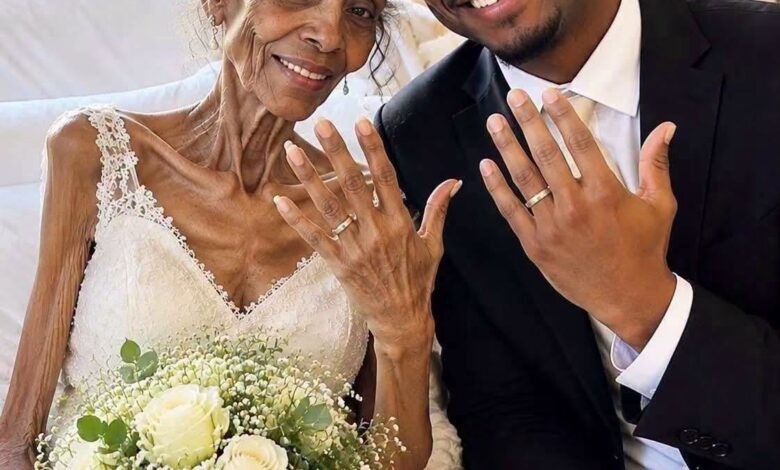
on I married a 70-year-old hospice patient to fulfill her last wish — after the funeral, her lawyer stepped aside with me and whispered, “I need you to see something. She didn’t choose you by accident.”
Editor’s note: The account in the original draft is an anonymous, unverified narrative and cannot be presented as a confirmed real-world event. The details below provide factual context about hospice care, patient autonomy, marriage, adoption, inheritance, and responsible evaluation of emotionally charged stories online.
Why Hospice Stories Often Resonate So Deeply
Stories about hospice care, family reconciliation, final wishes, and unexpected personal connections can be emotionally powerful because they touch on universal concerns: dignity, loneliness, identity, grief, and the desire to be remembered. A narrative involving a hospice volunteer, an older patient, a symbolic wedding ceremony, adoption records, and an estate dispute may feel especially compelling because it combines several subjects that many people regard as deeply personal.
However, emotional impact is not the same as verification. When a story is published without identifiable sources, legal records, statements from involved parties, or reporting by established news organizations, readers should avoid treating it as confirmed fact. Responsible discussion begins by separating what is known about hospice care and family law from claims made in an unverified online account.
Hospice care itself is a well-established form of support for people living with terminal illness. In the United States, hospice generally focuses on comfort, symptom management, emotional support, spiritual care when desired, and practical assistance for patients and families. It is not simply a place; hospice services may be provided at home, in dedicated facilities, in hospitals, or in long-term care settings.
Hospice Care, Dignity, and Meaningful Personal Wishes
According to the National Institute on Aging, hospice care is designed to improve quality of life for people nearing the end of life. The approach recognizes that a person’s well-being includes more than medical treatment. Relationships, cultural traditions, personal beliefs, memories, and unfinished goals can all matter greatly to a patient.
Hospice teams commonly include doctors, nurses, social workers, chaplains, counselors, aides, and trained volunteers. Volunteers may offer companionship by talking with patients, reading aloud, listening to music, assisting with non-medical activities, or simply being present. These ordinary interactions can be meaningful, particularly for people who have limited family contact or who are experiencing social isolation.
A patient may also wish to mark an important milestone or create a positive memory during hospice care. Some patients hold small celebrations, reconnect with friends, record messages for loved ones, participate in religious observances, or take part in legacy projects such as writing letters and organizing photographs. These activities can be appropriate when they are led by the patient’s preferences and are consistent with the patient’s health needs and care plan.
Healthcare ethics emphasizes autonomy: when a person has the mental capacity to make a decision, their values and wishes should be respected. At the same time, serious illness can make people more vulnerable to pressure, confusion, or exploitation. This is why hospice organizations rely on professional safeguards, clear communication, and interdisciplinary support.
Marriage, Consent, and Capacity in End-of-Life Situations
Marriage is a legal relationship, not merely a ceremonial gesture. Rules concerning marriage licenses, witnesses, officiants, consent, property rights, and inheritance vary by jurisdiction. A person receiving hospice care may be legally able to marry, but illness alone does not answer the legal or ethical questions involved.
The central issue is decision-making capacity. Capacity is generally assessed in relation to a particular decision and at a particular time. A person may be physically frail yet fully capable of understanding what marriage means, appreciating its potential consequences, communicating a voluntary choice, and making a decision free from coercion.
In a situation involving substantial illness, possible inheritance rights, or a close relationship with a caregiver or volunteer, additional caution is important. Legal professionals and healthcare teams may need to consider whether the person understood the consequences of the decision and whether anyone had an undue influence over them. Undue influence refers to improper pressure that interferes with a person’s ability to make a free choice.
Ethics policies at healthcare institutions often establish professional boundaries for staff and volunteers. These boundaries exist to protect patients as well as caregivers. A volunteer or employee who develops a personal, financial, or legal relationship with a patient may create a conflict of interest, even if both parties believe their intentions are positive. Anyone facing a comparable real-life situation should seek guidance from the hospice organization and qualified legal counsel rather than relying on internet anecdotes.
The Difference Between a Symbolic Ceremony and a Legal Marriage
Many people use the word “wedding” to describe a symbolic celebration. A ceremonial event may involve formal clothing, rings, photographs, music, blessings, or the presence of friends. Such a celebration can be meaningful without necessarily creating a legal marriage.
A legal marriage, by contrast, can affect taxes, property ownership, medical decision-making, survivor benefits, pensions, and inheritance. The consequences may be especially significant when one partner has a will, a trust, adult relatives, or unresolved financial matters. For this reason, it is important not to assume that an emotionally moving ceremony has a particular legal effect.
Hospice professionals can help patients and families discuss goals and preferences, but they do not replace independent legal advice. Where questions about marriage, wills, trusts, or adoption records arise, the appropriate response is to consult a licensed attorney familiar with the laws of the relevant jurisdiction.
Adoption Records and Late-Life Family Discoveries
Adoption stories can involve complex and sometimes painful histories. Record access differs widely by country, state, and the date an adoption occurred. Some people adopted decades ago have limited access to original birth certificates or agency files, while others may be able to obtain records through modern laws, mutual-consent registries, court processes, or authorized intermediaries.
Advances in consumer DNA testing have also changed how many people learn about biological relatives. A DNA match may lead to valuable connections, but it can also raise unexpected questions about identity, privacy, and family relationships. Experts in adoption support often encourage people to approach new discoveries carefully and to consider emotional support or counseling when needed.
Learning about a biological parent does not invalidate the role of an adoptive parent. Families are shaped through care, commitment, upbringing, and shared life experiences, as well as biology. People who discover previously unknown family information may hold several relationships and emotions at once: gratitude toward adoptive relatives, curiosity about biological history, grief over lost time, and uncertainty about what comes next.
In any real case, sensitive information should be handled with respect for privacy. Medical records, adoption documents, personal correspondence, and family histories may be subject to confidentiality rules. Sharing them publicly without consent can cause harm, particularly when living relatives are involved.
Trusts, Wills, and Estate Disputes: Why Documentation Matters
Inheritance disputes are often more complicated than dramatic online stories suggest. A trust is a legal arrangement in which assets are held and managed for the benefit of one or more beneficiaries. The person establishing the trust, known as the grantor or settlor in many jurisdictions, can specify how assets should be distributed and under what conditions.
Questions may arise when a beneficiary’s identity is unclear, when documents conflict, when relatives challenge a trust, or when there are concerns about capacity or undue influence. Courts do not decide such matters based on sentiment alone. They generally consider the trust language, financial documents, available records, witness testimony, applicable law, and evidence relating to the creator’s intent.
A claim that someone was “the intended beneficiary” would require evidence. Depending on the jurisdiction and circumstances, relevant materials could include official birth records, adoption documents, DNA evidence, correspondence, prior legal filings, and the trust’s own terms. No article should promise a particular legal result, because outcomes depend on the facts and laws of each case.
Estate planning specialists commonly advise adults to review wills, trusts, beneficiary designations, powers of attorney, and healthcare directives periodically. Clear documents and open conversations can reduce confusion later, although they cannot eliminate every disagreement. Individuals who believe they have a potential inheritance claim should consult an independent attorney rather than assuming that a family story, private letter, or social media post settles the issue.
How to Evaluate Viral Personal Narratives Responsibly
Online stories are frequently written to maximize curiosity and encourage users to comment, click, or wait for a “next part.” Phrases such as “type a word to continue,” unexplained legal envelopes, surprise inheritances, and concealed family identities are common engagement tactics. They do not prove that an account is false, but they are reasons to pause before sharing it as news.
Readers can use several basic checks:
- Look for reporting from reputable outlets that identify sources and explain how information was verified.
- Check whether names, dates, locations, and legal claims can be independently confirmed.
- Be cautious when a post makes extraordinary claims but offers no documents, interviews, or official records.
- Distinguish a personal account, fictional story, dramatization, and verified journalism.
- Avoid reposting private medical, adoption, or family information without consent.
Media literacy is especially important when content concerns illness, bereavement, family separation, or financial hardship. Such subjects deserve compassion, but compassion should not require abandoning accuracy. Sharing unverified claims can unintentionally mislead readers or expose vulnerable people to harmful assumptions.
Supporting People in Hospice and Grief
Whether or not a particular online narrative is verifiable, the needs it evokes are real. People receiving hospice care may benefit from companionship, respectful listening, and opportunities to make choices about how they spend their time. Family members, friends, and volunteers can help by asking what matters most to the person, avoiding assumptions, and working with the hospice team.
Grief can affect people in different ways and on different timelines. The loss of a friend, patient, relative, or someone newly discovered through family research may bring sadness, relief, confusion, guilt, or many emotions at once. Bereavement counselors, faith leaders, community groups, and mental health professionals can provide support when grief becomes difficult to manage alone.
The most constructive lesson from stories about end-of-life care is not a promise of a dramatic revelation. It is the value of treating people as individuals with histories, preferences, and dignity. Honest conversations about care, family records, legal planning, and personal wishes can help people make informed decisions while they are still able to express them clearly.
Conclusion
Accounts involving hospice patients, marriage, adoption, and inheritance should be approached with both empathy and care. A moving story may inspire reflection on loneliness, compassion, and the importance of connection, but anonymous claims should not be treated as verified reporting without credible evidence.
What is firmly supported by healthcare and legal guidance is that hospice patients deserve respect, meaningful support, and protection from exploitation; legal marriages and estate arrangements require informed consent and proper documentation; and adoption-related discoveries should be handled with sensitivity for every family involved. In real life, trusted hospice professionals, qualified attorneys, and reputable support organizations are better sources of guidance than viral social-media narratives.
Sources
- National Institute on Aging: What Are Palliative Care and Hospice Care?
- CDC: Caregiving and Healthy Aging Resources
- National Hospice and Palliative Care Organization: Patient and Caregiver Resources
- American Bar Association: Estate Planning Resources
- Child Welfare Information Gateway: Access to Adoption Records
- World Health Organization: Palliative Care
Disclaimer: This content is intended for entertainment purposes only and is not based on real events.