
What Your Earwax Says About Your Health
Earwax is often overlooked in daily personal hygiene, dismissed as an unremarkable byproduct of the body. However, scientific research and medical observation reveal that earwax—medically known as cerumen—can provide significant insight into the body’s health and well-being. This article delves into how earwax forms, its normal variations, what various changes might indicate, and when it is necessary to seek professional medical advice. We also explore expert opinions and global perspectives regarding ear health.
Understanding Earwax: Composition and Function
Cerumen is a naturally occurring substance produced by glands in the outer ear canal. Its primary role is protective: it traps dust, debris, and microorganisms, thereby preventing them from reaching the delicate structures deeper within the ear. Additionally, earwax helps to lubricate the ear canal, reducing the risk of dryness and irritation. According to the Centers for Disease Control and Prevention (CDC), earwax also has antimicrobial properties, providing a barrier against certain bacterial and fungal invasions.
Genetics primarily determines whether a person has “dry” or “wet” earwax. Both types serve the same functional purposes and are considered healthy variations.
What’s Considered Normal Earwax?
Normal earwax generally falls into two categories:
- Dry Earwax: Characterized by a light yellow to gray color and a flaky, brittle texture. Over time, it may darken as it accumulates dust and dead skin cells. Dry-type earwax is prevalent among individuals of East Asian descent, according to population genetics studies published in several medical journals.
- Wet Earwax: Usually sticky and moist, ranging in color from yellow to dark brown. It is more common in people of African and European descent. This wax can also darken as it catches more environmental particles.
If your earwax falls within these colors and textures and you do not experience discomfort, it is likely a sign of healthy ear function. Routine removal is generally unnecessary, as ears often self-clean naturally through jaw movements and skin turnover.
Warning Signs: When Earwax Can Signal a Health Issue
While typical earwax does not warrant concern, changes in its color, consistency, or smell can sometimes indicate underlying health conditions. Recognizing these signs allows for early detection and intervention.
The Significance of Black Earwax
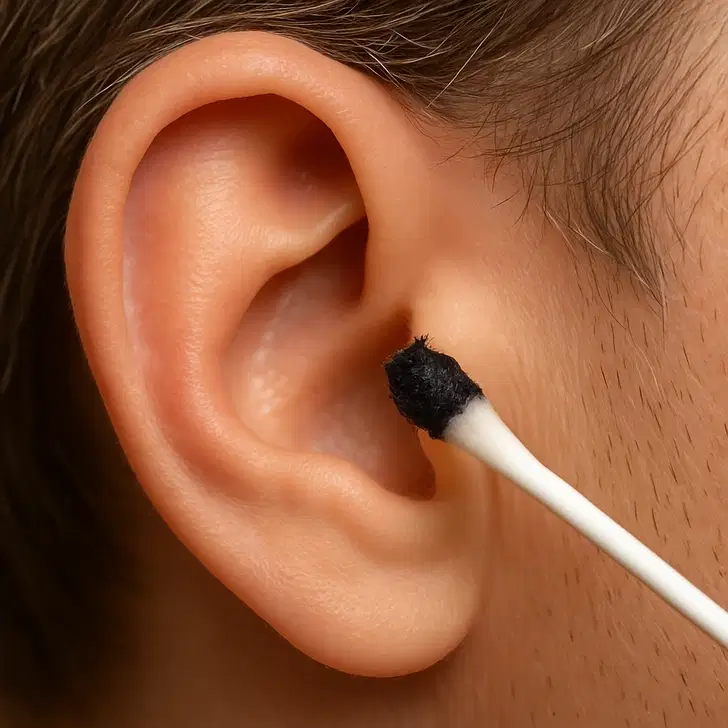
Dark brown or black earwax may appear alarming, but it typically signals old wax that has absorbed significant amounts of dust or environmental particles. This is common among those who work in dusty settings such as construction, carpentry, or automotive repair. The texture can range from thick and sticky (wet type) to hardened and brittle (dry type).
Medical professionals, including those cited by the Mayo Clinic, reassure that black or especially dark wax is usually not a cause for worry in the absence of pain, swelling, or unusual symptoms. If black wax is persistently accompanied by bleeding or discharge, however, it may warrant clinical evaluation.
Dark Brown Earwax: Normal, but Monitor for Excess
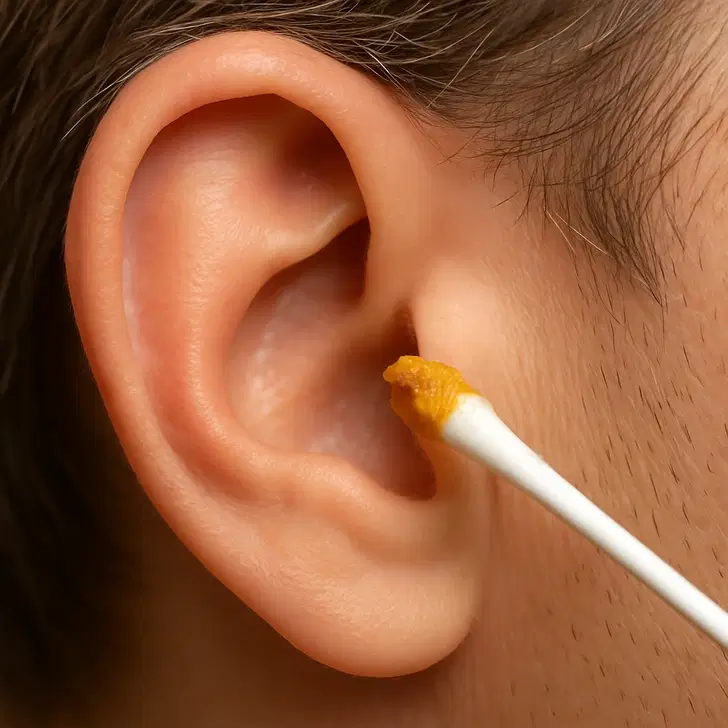
A dark brown hue in earwax is often just evidence that it has been in the ear canal for a prolonged period, gradually collecting environmental debris. For most, this is a routine finding and does not indicate a medical problem.
Excessive accumulation, however, can result in symptoms such as:
- Muffled or diminished hearing
- Sensation of fullness, blockage, or pressure in the ear
- Occasional dizziness
Experts advise against using cotton swabs or other objects to remove wax, as these can push the wax deeper or injure the ear canal and eardrum. Professional removal in a clinical setting is recommended if buildup leads to discomfort or hearing loss.
When to Be Concerned: Green Earwax
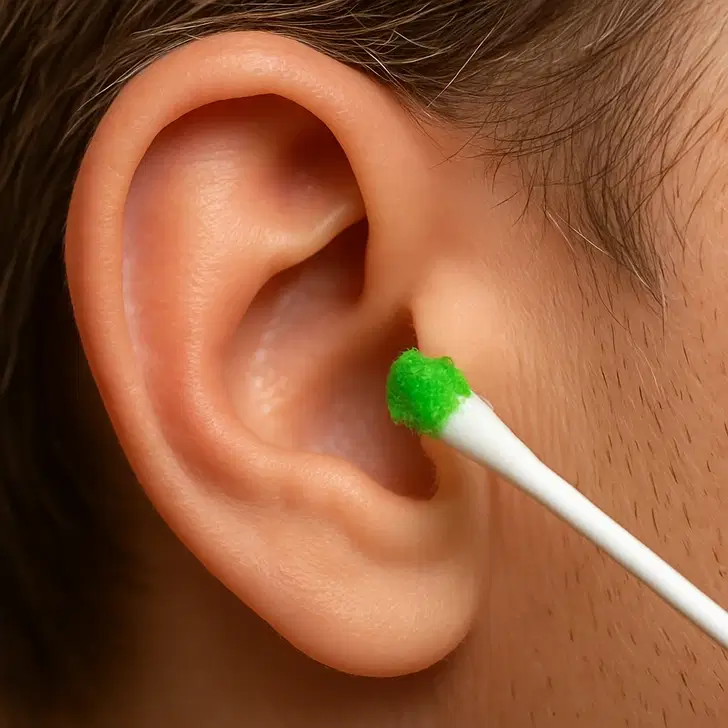
Green-tinted earwax is not typical and is frequently a sign of bacterial infection. The green coloration often results from the presence of pus—indicating that the body is mounting a response to an invasive pathogen. This kind of wax commonly has a foul odor and may be associated with additional symptoms such as:
- Ear pain or pressure
- Fever
- Noticeable smell from the affected ear
Clinical guidelines such as those referenced by the CDC and World Health Organization (WHO) strongly recommend seeking prompt medical evaluation for suspected ear infections, as untreated cases can result in more serious complications, including hearing loss.
White Earwax: When Is It Normal and When Is It Not?
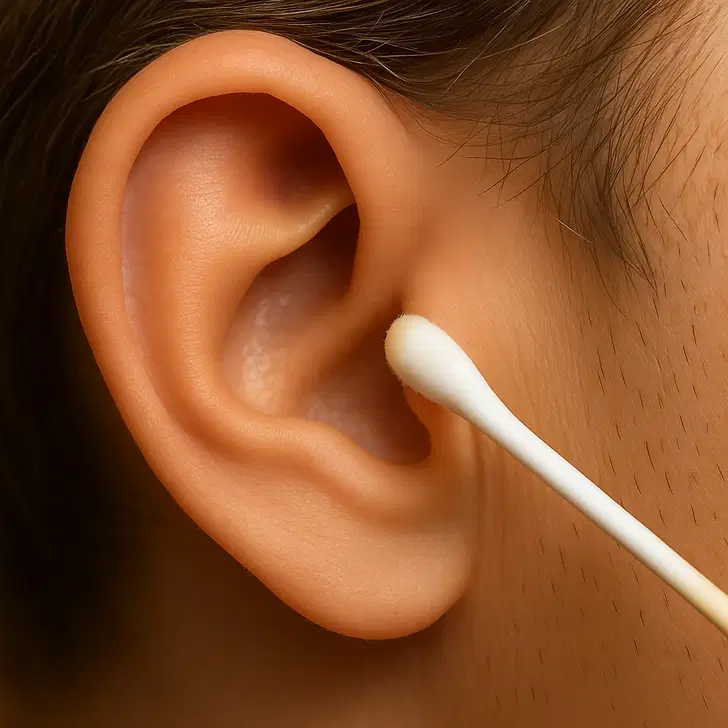
White or very pale earwax is often observed in individuals who naturally produce the dry type, especially in certain populations. However, a sudden shift to white wax in someone accustomed to dark or yellow wax may indicate an alteration in ear canal health or a reaction to ear medications and cleansers.
If white earwax appears along with discomfort, itchiness, or persistent changes in the ears’ environment, it could be related to minor infections, eczema, or changes in skin flora. Consultation with a healthcare provider can help determine if further treatment is needed.
Red Earwax: Identifying Blood in the Ear Canal
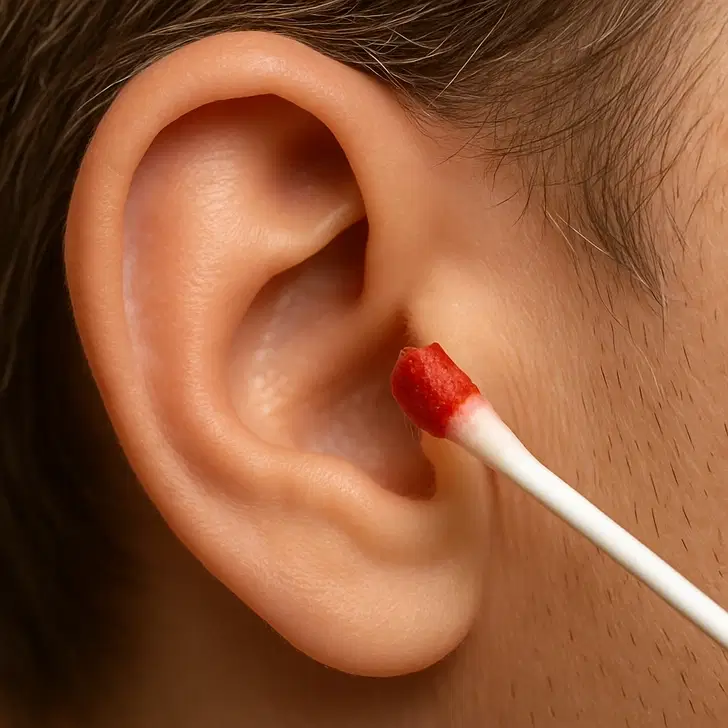
Red or blood-tinged earwax often signifies the presence of blood in the ear canal. This can occur from:
- Minor abrasions—such as from using fingernails or inserting cotton swabs
- Irritation or inflammation, often due to allergies or dermatitis
- More serious injuries, such as a perforated eardrum or trauma
If you observe persistent red wax, especially if it is watery or accompanied by hearing changes, significant pain, or persistent discharge, seek medical advice immediately. Health authorities warn that neglecting such symptoms can lead to more severe complications.
When and How Should You Clean Your Ears?
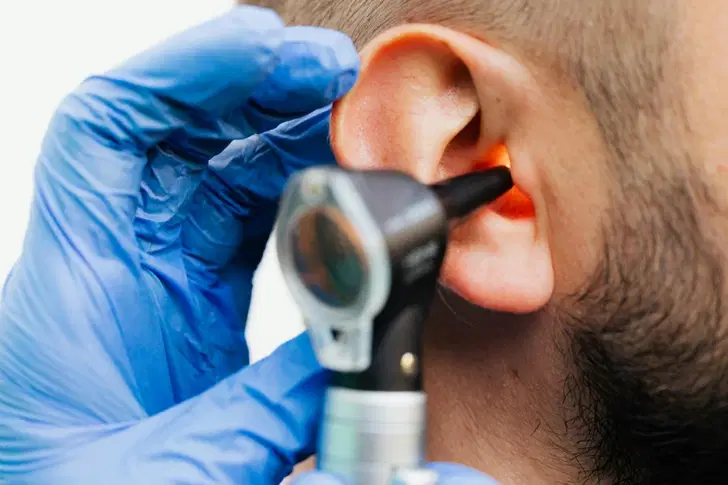
Contrary to common practice, most ears are self-maintaining and rarely require manual cleaning. The migration of skin within the ear naturally pushes old wax outwards, where it may be wiped away during regular bathing. Attempts to “clean” deep within the ear canal can result in accidental injury, impaction, or even infection.
Recognizing Earwax Blockage
Symptoms that may indicate excessive earwax buildup include:
- Ear pain or chronic pressure
- A persistent “plugged” sensation
- Progressive hearing loss
- Tinnitus (ringing or buzzing noise)
- Itching or abnormal discharge
- Occasional coughing, due to stimulation of the vagus nerve
If you experience these symptoms, medical professionals can use specialized instruments, gentle irrigation, or controlled suction to remove wax safely and effectively.
The Broader View: Earwax and Public Health
Beyond individual implications, ear health is a topic of public health importance. Inadequate ear hygiene, improper cleaning practices, and unaddressed infections can contribute to a global burden of hearing loss. Organizations such as the WHO emphasize education regarding safe ear care and the avoidance of hazardous remedies or over-the-counter “cleaning” devices that can cause more harm than good.
Global health trends show that people across all ages may encounter earwax accumulation or related issues, but the risk rises with age. Hearing impairment related to untreated wax buildup is a leading cause of mild hearing problems, particularly among older adults, according to the CDC.
Expert Views on Safe Ear Care
Medical experts universally recommend the following ear care guidelines:
- Avoid inserting objects—such as cotton swabs, pens, or keys—into the ear canal.
- Monitor for any changes in the color, texture, or smell of earwax and be alert to new symptoms.
- Consult healthcare professionals promptly for possible infections, persistent blockages, bleeding, or sudden hearing loss.
- Practice regular hearing checks, especially for children and older adults or those exposed to environments with loud noises.
Otologists and audiologists emphasize that most cases of wax-related symptoms can be addressed with simple, non-invasive procedures in a medical setting, greatly decreasing the risk of complications.
Conclusion: Earwax as a Health Indicator
Though it may seem insignificant, earwax is a subtle yet important indicator of ear and overall health. Paying close attention to its color, consistency, and smell can enable early intervention for a range of issues—from simple buildup and preventable hearing loss to serious infections. By following recommended care strategies and seeking professional guidance when in doubt, individuals can protect one of their most vital senses.
DISCLAIMER: This article is for informational purposes only and does not replace professional medical advice. Always consult a qualified healthcare provider for concerns related to health and ear care.
Sources
- Centers for Disease Control and Prevention (CDC)
- World Health Organization (WHO)
- Mayo Clinic
- BBC News – Health
- Reuters – World Health
- The Guardian – Health & Wellbeing
Disclaimer: This content is intended for entertainment purposes only and is not based on real events.