
Recognizing Stroke Symptoms in Young Adults: Why Early Identification Matters
Strokes are often considered a health threat associated predominantly with older adults. However, recent years have shown a concerning rise in stroke cases among young adults, making awareness and early recognition of stroke symptoms more critical than ever. While advances in medical interventions have improved outcomes, they are only effective if individuals and those around them recognize the warning signs and seek help promptly. This article explores why stroke rates are climbing in younger populations, the common symptoms to watch for, risk factors unique to young adults, and global expert perspectives on responding to this growing health challenge.
Understanding Stroke and Its Impact
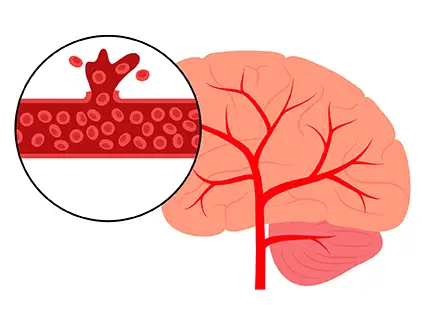
A stroke occurs when blood flow to the brain is suddenly blocked or interrupted, depriving brain cells of oxygen and nutrients. This interruption can either be caused by a blood clot obstructing a vessel (ischemic stroke) or a vessel rupturing and bleeding into the brain tissue (hemorrhagic stroke). Both types can lead to serious brain damage or even be fatal. According to the World Health Organization, stroke is one of the leading causes of long-term disability and death globally.
What’s particularly concerning is the shifting demographic. The American Heart Association notes that strokes among adults aged 18 to 45 now represent approximately 10-15% of all strokes, with a 40 percent increase at these ages in recent years. Younger stroke survivors may face greater challenges during recovery, as strokes impact their education, work, family responsibilities, and overall quality of life.
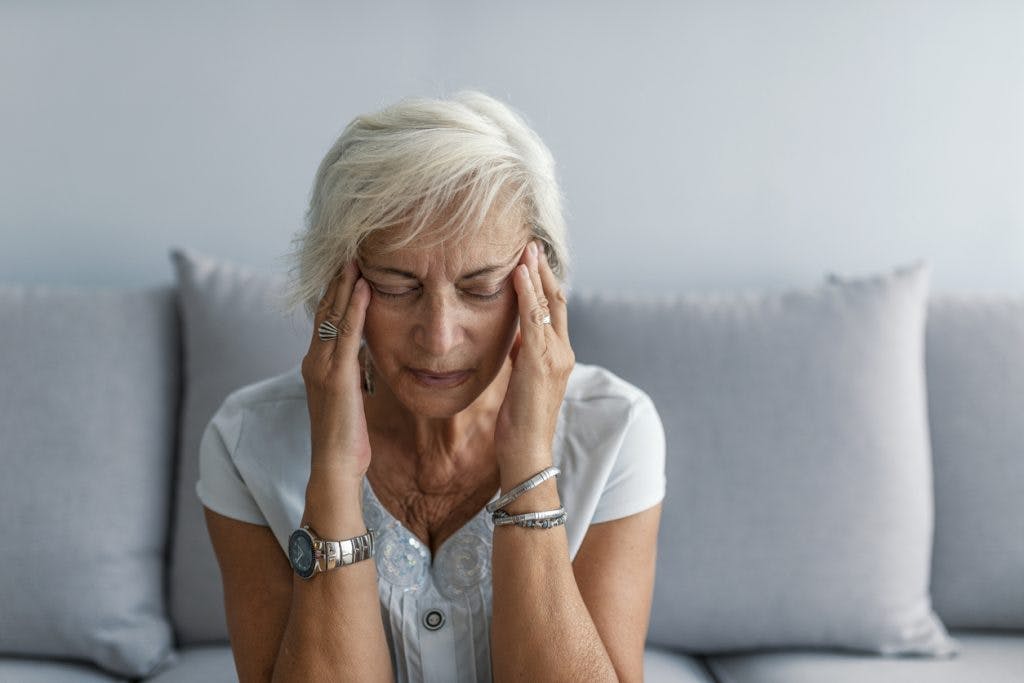
Rising Stroke Rates in Young Adults: What’s Behind the Increase?
Multiple factors contribute to the growing incidence of stroke among the young, and public health researchers are actively investigating these trends. Some of the key drivers include:
- Unhealthy Lifestyle Choices: Sedentary behavior, poor diets high in processed foods, and smoking contribute to vascular problems at younger ages.
- Chronic Stress: High stress levels, especially in fast-paced modern life, may exacerbate underlying risk factors like hypertension.
- Recreational Drug Use: Drugs such as cocaine or amphetamines can cause sudden spikes in blood pressure, increasing the risk of stroke.
- Hormonal Contraceptives: Estrogen-containing birth control pills combined with other risk factors (like smoking) may raise stroke risk in young women.
- Rising Prevalence of Chronic Conditions: Conditions such as hypertension (high blood pressure), diabetes, and high cholesterol are on the rise among younger people, driven by lifestyle and genetics.
The increasing incidence has spurred action across healthcare sectors. Dr. Khurram Nasir, chief of cardiovascular prevention and wellness at the Houston Methodist DeBakey Heart and Vascular Center, emphasizes: “While the medical community has made significant improvements to reduce the severity and complications of strokes with early interventions, these efforts are of limited value if patients do not recognize stroke symptoms. Time is critical for treating stroke. The earlier people recognize symptoms, the better their chances are to reduce long-term disability from stroke.”
Key Symptoms of Stroke in Young Adults
Recognizing stroke symptoms quickly is vital. Prompt medical attention can significantly improve a patient’s outcome and reduce the risk of permanent disability. However, symptoms in young adults are often dismissed or misattributed to less serious causes. Here are the most important signs to watch for:
1. Sudden Weakness or Numbness on One Side of the Body
Sudden weakness, numbness, or tingling—particularly on a single side of the body—is one of the most classic and alarming signs of stroke. This may affect the face, arm, or leg and typically comes on without warning. For example, a young adult might experience a drooping facial expression, find it difficult to lift an arm, or feel their grip weaken unexpectedly.
In younger individuals, this symptom is often mistaken for fatigue, anxiety, or a pinched nerve, causing critical delays in getting help. Importantly, even if this numbness fades quickly, it could indicate a transient ischemic attack (TIA)—a “mini-stroke” that requires immediate medical evaluation.
If you or someone near you experiences sudden weakness or numbness, especially on one side, treat it as a medical emergency.
2. Difficulty Speaking or Understanding Speech
Another key symptom is trouble speaking or comprehending language. This can appear as slurred or nonsensical speech, difficulty forming coherent sentences, or an inability to find the right words. Stroke survivors often describe knowing what they want to say, but being unable to articulate it, or struggling to understand what others are telling them.
These issues typically arise when a stroke impacts areas of the brain responsible for language, most often in the left hemisphere. For younger adults, this symptom may not be immediately recognized and could be misattributed to stress, intoxication, or a panic attack. Recognizing sudden confusion or speech difficulty is critical—if communication ability is suddenly compromised, seek urgent help.
3. Abrupt, Intense Headache
A sudden and severe headache—often described as the “worst headache of your life”—can signal a stroke, especially the hemorrhagic type caused by bleeding in the brain. Unlike a typical tension or migraine headache, this type develops almost instantly and can be accompanied by nausea, vomiting, confusion, or loss of consciousness.
Young adults are prone to dismissing this symptom as a migraine or the result of a stressful day, but a headache that appears suddenly and differs from previous experiences should never be ignored. Medical experts universally advise that an unexpected, powerful headache with no obvious cause should always be treated seriously, especially if paired with additional neurological symptoms.
4. Dizziness and Loss of Balance
According to the Mayo Clinic, a sudden episode of dizziness, trouble walking, or balance issues can signal a stroke occurring in parts of the brain like the cerebellum, which manages coordination. In these moments, a person may feel as if the room is spinning or may be unable to walk in a straight line.
This symptom is frequently misdiagnosed, especially for young people, as vertigo, dehydration, or exhaustion. However, when dizziness or balance issues develop abruptly—and particularly if they are severe or accompanied by other neurological changes, such as double vision or numbness—they must be considered a possible stroke. Severe, sudden dizziness is a red flag, regardless of age.

5. Sudden Vision Problems
Strokes can also present as abrupt vision changes. These may include blurred or double vision, unexpected blindness in one or both eyes, or increased sensitivity to light. Sometimes a person may lose part of their field of vision without initially realizing it.
Vision changes linked to a stroke are distinguished from eye strain or gradual eye trouble by their sudden onset. Strokes affecting the occipital lobe or other areas responsible for visual processing can cause these symptoms. Young adults often dismiss these warning signs as fatigue or excessive screen time, but sudden visual disturbances—especially if combined with headaches, dizziness, or weakness—require immediate evaluation.
Receiving prompt care can significantly improve prospects for recovery and reduce the risk of permanent vision loss.
Why Immediate Action Saves Lives
Recognizing these symptoms and seeking immediate medical attention is critical for stroke treatment. Treatments such as clot-busting medications or surgical interventions are most effective within the first few hours after symptoms begin. Delayed response can lead to irreversible brain damage, disability, or death. Public health campaigns, such as the American Stroke Association’s FAST (Face drooping, Arm weakness, Speech difficulties, Time to call emergency services) message, highlight the importance of acting quickly and not hesitating to seek help.
Experts note that even a brief episode of these symptoms should not be ignored. Anyone experiencing—or witnessing—sudden changes in strength, speech, vision, balance, or headache should call emergency services without delay. Early intervention can literally save lives and futures.
Preventive Strategies: Reducing Risk Among Young Adults
Beyond symptom recognition, prevention remains paramount. Several lifestyle changes and regular health assessments are key to minimizing the risk of stroke, even for young people:
- Maintain a Healthy Diet: Opt for a diet rich in fruits, vegetables, whole grains, and healthy fats to manage cholesterol and control blood pressure.
- Physical Activity: Aim for regular exercise, which improves cardiovascular health and reduces several stroke risk factors.
- Monitor Blood Pressure: Since hypertension is a leading cause of stroke—even in the young—routine checks are crucial.
- Avoid Smoking and Substance Use: Both tobacco and recreational drugs independently elevate the risk of vascular events.
- Manage Chronic Conditions: Work with a healthcare provider to control diabetes, high cholesterol, and heart conditions.
- Understand Birth Control Risks: Young women should discuss stroke risk factors with their provider before starting or continuing estrogen-containing contraceptives, especially if they have other risk parameters.
Educational outreach and targeted prevention strategies, especially in schools and communities with higher risk populations, can further reduce the increasing burden of stroke among the young.
International and Societal Reactions
Globally, healthcare systems are adapting to this new reality. In North America and Europe, more hospitals are developing rapid-response stroke care teams and conducting outreach to young adults. Public health authorities emphasize symptom recognition, urge regular primary care visits, and encourage communities to support at-risk youths and their families.
International organizations such as the World Health Organization and Centers for Disease Control and Prevention have also prioritized stroke awareness across all age groups, launching multimedia campaigns to underscore that strokes can and do occur at any age.
Conclusion: A Call to Awareness and Action
The growing frequency of stroke among young adults challenges traditional perceptions about age and risk. Sudden weakness, speech difficulties, severe headache, dizziness, or vision changes in a previously healthy young person should never be ignored. Time is brain—prompt recognition, rapid response, and ongoing prevention efforts are essential to minimizing individual and societal impact.
Listening to your body, staying informed, and seeking medical attention for unusual or sudden neurological symptoms can make a life-changing difference. Raising stroke awareness across populations—young and old, men and women, all backgrounds—not only saves lives but helps survivors lead fuller, healthier lives after a stroke.
Medical disclaimer: This article is for informational purposes only and does not substitute for professional medical advice, diagnosis, or treatment. If you or someone you know is experiencing stroke symptoms, seek medical help immediately. Always consult a qualified healthcare provider for health concerns.
Sources
- American Heart Association
- Centers for Disease Control and Prevention (CDC) – Stroke Symptoms
- Mayo Clinic – Stroke Causes and Symptoms
- World Health Organization – Leading Causes of Death
Disclaimer: This content is intended for entertainment purposes only and is not based on real events.