Understanding Tonsil Stones: What Are They?
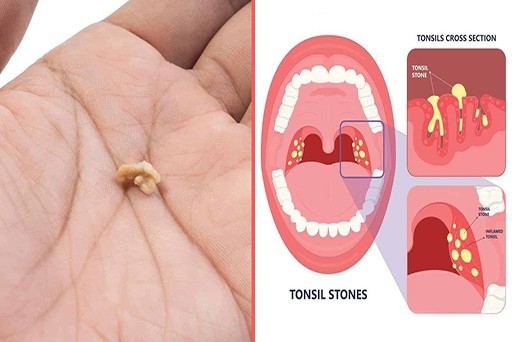
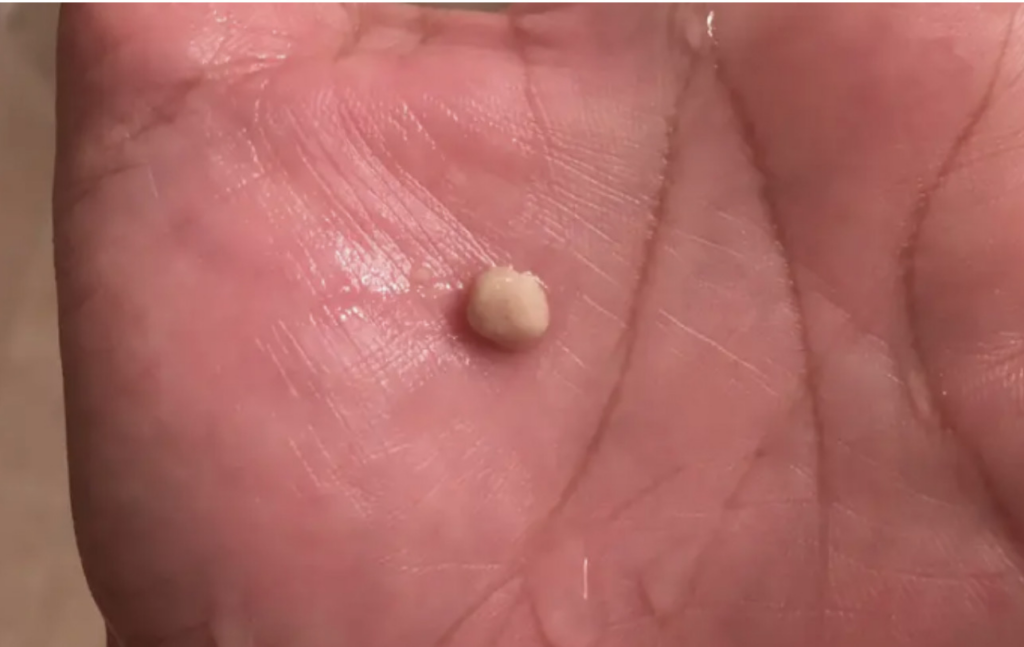
Bad breath is a common complaint, but not everyone realizes that the cause can sometimes be as straightforward as an issue with your tonsils. Specifically, small white or yellowish lumps known as tonsil stones may be forming at the back of your throat. Tonsil stones, or tonsilloliths, are hard masses that occur when food particles, bacteria, dead cells, and minerals like calcium accumulate in the crevices (crypts) of your tonsils. Over time, these particles become compacted and form stones with a distinctive cheese-like appearance and odor.
While the primary symptom associated with tonsil stones is persistent bad breath (halitosis), the stones themselves typically cause few additional symptoms and are often overlooked. However, understanding how tonsil stones develop, the signs to look for, and the latest research on their prevention and management is crucial for maintaining optimal oral health.
Prevalence and Who Is at Risk for Tonsil Stones
Research published in peer-reviewed journals and summarized by credible health authorities indicates that approximately 10% of the general population will experience tonsil stones at some point in their lives. These formations can affect individuals of any age but are more commonly seen in adults. Tonsil stones may form and then disappear on their own, or they may persist, especially in people who have chronic inflammation of the tonsils or deep tonsillar crypts.
Symptoms You Should Watch For
In addition to persistent bad breath, tonsil stones can cause a variety of symptoms. Recognizing these early signs is important so that you can seek effective treatments or guidance from a healthcare professional. Common symptoms associated with tonsil stones include:
- Sore throat or difficulty swallowing, which can cause mild discomfort during eating or drinking
- A metallic or unpleasant taste in the mouth
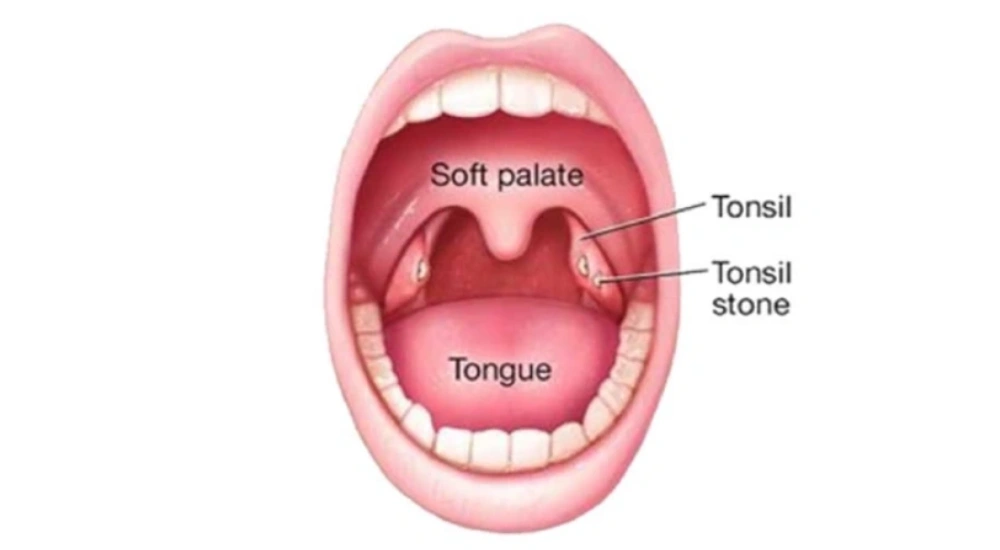
- Swollen tonsils or visible white/yellowish spots at the back of the throat
- Ear pain or a sensation of pressure in the ears, even though the stones are not in direct contact with the ear canal
- Persistent coughing due to irritation
- Occasionally, tonsil infections (tonsillitis) if the stones become a source of bacterial growth
Since tonsil stones are often visible with the naked eye, special medical tests are rarely required for diagnosis. In some cases, they are incidentally spotted on X-rays, CT scans, or other imaging procedures done for unrelated reasons. Typically, an ear, nose, and throat (ENT) specialist can identify them through a simple physical examination and a review of your medical history.
Causes and Formation of Tonsil Stones
The human tonsils are lymphatic tissues located at the back of the throat, playing a role in the immune response by trapping bacteria, viruses, and other agents. However, the structure of the tonsils is prone to trapping food particles and debris, especially if the crypts are deep or irregular in shape due to genetics, chronic inflammation, or repeated infection.
As saliva and oral bacteria interact with these trapped particles, chemical reactions—particularly those involving minerals such as calcium—lead to the hardening and formation of tonsil stones. Chronic postnasal drip, allergies, poor oral hygiene, or chronic tonsillitis are all risk factors that can exacerbate the development of tonsil stones.
Management and Treatment Options for Tonsil Stones
Fortunately, there are a variety of safe and effective ways to address tonsil stones. The best treatment depends on the severity of symptoms, the frequency of stone formation, and your overall oral health. Below, we discuss the most commonly recommended options:
- Self-removal: Many people are able to gently remove tonsil stones at home. Common methods include using a cotton swab or carefully gargling with warm salt water. This can help dislodge small stones, but it’s important not to use sharp or pointed objects, which can injure the delicate tissue of your tonsils or introduce infection.
- Medicated gargles: Antimicrobial mouthwashes are available over the counter or by prescription. Regular use may reduce bacterial counts in the mouth and decrease the likelihood of future stone formation. Consult with a healthcare provider to choose a mouthwash that is alcohol-free and suitable for your needs.
- Oral irrigators: Devices such as water flossers or irrigators can help flush debris from your mouth and tonsillar crypts. When using these tools, use the lowest pressure setting to avoid injuring the tissues.
- Surgical removal: For recurring or severe cases, especially if you’re experiencing frequent infections or significant discomfort, a doctor may recommend removing the tonsils altogether through a procedure known as tonsillectomy. This is usually reserved for patients who have not responded to less invasive therapies.
- Drinking carbonated beverages: Some experts suggest that carbonated drinks may help loosen the composition of smaller stones, aiding their natural expulsion. However, this should be considered an adjunct, not a primary treatment.
- Coughing: In some cases, a strong cough can help loosen and expel tonsil stones naturally.
How to Prevent Tonsil Stones
The most effective strategy for dealing with tonsil stones is preventing them in the first place. This involves adopting specific hygiene and lifestyle habits backed by health experts:
Regular Saltwater Gargles
Gargling with warm saltwater helps dislodge trapped debris and reduces the bacterial load in the mouth. For an effective rinse, dissolve half a teaspoon of salt in a glass of warm water and gargle for at least 30 seconds. Regular gargling, especially after meals and before bedtime, can keep the tonsils clear.
Good Oral Hygiene Habits
Excellent oral hygiene is key to reducing the bacteria and food particles that cause tonsil stones. Brush your teeth at least twice a day with fluoride toothpaste, floss daily, and consider using an alcohol-free antibacterial mouthwash. Regular dental check-ups enable early detection and management of oral health concerns.
Managing Allergies and Postnasal Drip
Allergies can lead to increased mucus production, which often drips down the back of the throat and deposits proteins and cells into the tonsillar crypts—providing a breeding ground for tonsil stones. Managing allergies through appropriate medications or avoidance of triggers should help reduce this risk. However, some antihistamines can cause dry mouth, so consult with your healthcare provider for the most suitable approach.
Tongue Cleaning
The tongue’s surface easily collects bacteria, dead cells, and food debris, all of which contribute to the formation of tonsil stones. Cleaning your tongue with a tongue scraper or toothbrush once or twice daily can significantly cut down on potential stone-building material.
Expert Insights and Medical Perspective
Medical experts, including those from the Mayo Clinic and the American Academy of Otolaryngology, emphasize that tonsil stones are benign in most cases and present no significant health threat. However, if you experience persistent bad breath, recurrent tonsillitis, or have large, uncomfortable stones, seeking the input of a healthcare professional is advised. A specialist can rule out other causes of throat discomfort and bad breath, such as chronic sinus infections, dental issues, or other oropharyngeal conditions.
Oral health specialists also highlight that while tonsil stones are often a minor inconvenience, their presence can sometimes signal underlying issues related to oral hygiene or immune response. Education on prevention is therefore considered key.
Societal and International Views on Tonsil Stones
The prevalence and treatment of tonsil stones do not vary significantly around the world, although access to dental care, cultural practices relating to oral hygiene, and the availability of surgical interventions can differ by region. Public health campaigns emphasizing the importance of oral hygiene—such as those by the Centers for Disease Control and Prevention and the World Health Organization—contribute to broader awareness and prevention strategies, ensuring that individuals have the knowledge and resources to maintain healthy mouths worldwide.
When to See a Doctor
Although tonsil stones are usually harmless and can often be managed at home, it is wise to consult a healthcare professional if:
- You have frequent or recurrent tonsil stones
- You experience severe pain, swelling, difficulty breathing or swallowing
- You develop signs of infection, such as fever or pus near the tonsils
- There is persistent bad breath that does not improve with at-home care
Timely medical assessment can prevent complications and ensure appropriate treatment is provided.
Key Takeaways
Tonsil stones are a common, mostly benign condition that can be both a cause and a symptom of poor oral hygiene. With the right strategies—including saltwater gargles, tongue cleaning, and regular dental care—they can be managed and prevented. For persistent or troublesome stones, multiple treatment options are available, and professional advice is recommended if symptoms worsen or are accompanied by infection.
If you found this article helpful, consider sharing it with friends and family to spread awareness about oral health and prevention strategies for tonsil stones.
Sources
- Mayo Clinic – Tonsil Stones
- Centers for Disease Control and Prevention (CDC)
- World Health Organization (WHO)
- Healthline – Tonsil Stones
- Medical News Today – How to Prevent Tonsil Stones
Disclaimer: This content is intended for entertainment purposes only and is not based on real events.