Every morning, before breakfast, a 63-year-old man in China reportedly followed the same simple ritual: he ate a clove of raw garlic.
To him, the habit represented something reassuring. Garlic had long been associated with traditional health practices, and he believed that eating it regularly could help protect his body from illness. Over the years, the routine became almost automatic.
Then came a routine medical examination.
The results reportedly revealed a serious health condition, leaving the man and his family surprised. The story quickly attracted attention because it seemed to raise an uncomfortable question: If someone follows a seemingly healthy habit every day, can they still develop a serious illness?
The answer from modern medicine is important.
A healthy food can be beneficial without being a guarantee against disease. And garlic, despite its long history and promising scientific research, is not a substitute for regular medical care.
Why Garlic Has Such a Powerful Reputation
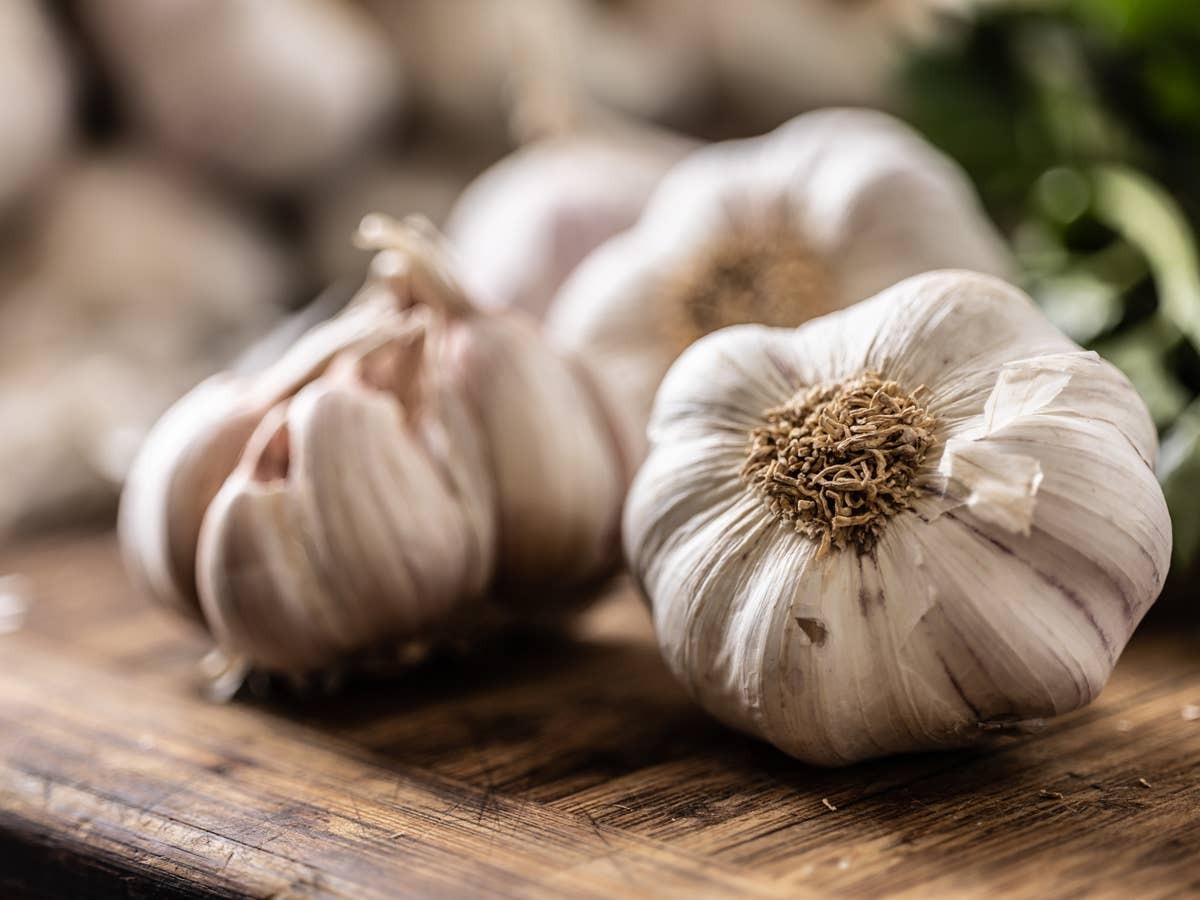
Garlic has been part of human diets and traditional health practices for thousands of years.
Ancient writings from Egypt, Greece and India mention garlic in connection with various health concerns. Today, it remains one of the most widely used culinary plants in the world.
Part of garlic’s reputation comes from its distinctive natural compounds.
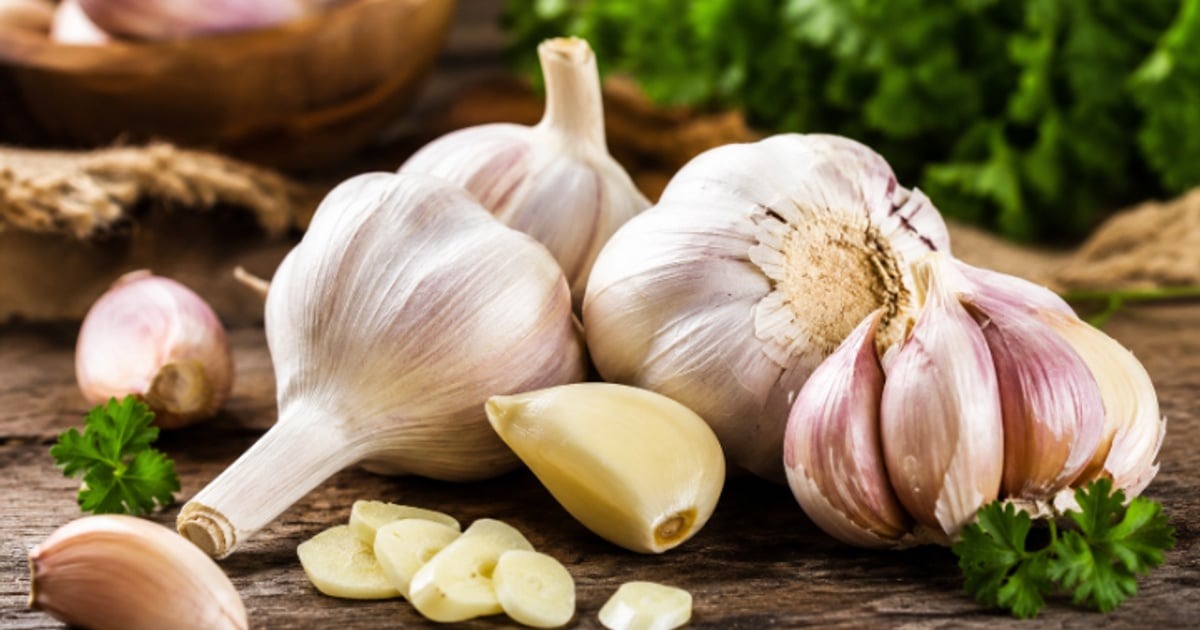
When garlic is crushed or chopped, it produces compounds such as allicin. Researchers have studied these substances because laboratory experiments suggest they may influence biological processes associated with inflammation, oxidative stress and other aspects of human health.
That scientific interest has helped strengthen garlic’s reputation as a “healthy” food.
But there is an important distinction between having potentially beneficial properties and preventing a specific disease.
Those two ideas are often confused.
What Does Science Actually Say About Garlic and Cancer?
Research into garlic and cancer has produced interesting findings, but the evidence is not as simple as social media headlines sometimes suggest.
Some population studies have found that people who consume more garlic appear to have lower rates of certain cancers. The National Cancer Institute has documented research showing associations between higher garlic consumption and lower risks for several cancer types.
However, observational studies can identify associations without proving that garlic itself caused the difference.
People who eat more garlic may also eat more vegetables, exercise more, smoke less, or follow other healthier habits.
This is one reason scientists are careful about interpreting dietary research.
A large review of prospective studies examining garlic and colorectal cancer, for example, found no significant association between garlic consumption and reduced colorectal cancer risk.
The National Center for Complementary and Integrative Health similarly notes that consuming garlic does not appear to reduce the risk of stomach cancer, while evidence regarding colorectal cancer remains uncertain.
So while garlic can absolutely be part of a nutritious diet, saying that one clove every morning will prevent cancer goes beyond what current evidence supports.
Why One Food Cannot Guarantee Protection
This is perhaps the most important lesson behind the story.
Human health is complicated.
Disease risk can be influenced by age, genetics, environmental exposures, lifestyle, infections, existing medical conditions and many other factors.
Food is one part of that larger picture.
Even a person who eats vegetables every day, exercises regularly and avoids many unhealthy habits can still develop a medical condition.
That doesn’t mean healthy habits are useless.
Quite the opposite.
Healthy habits can contribute to better overall health, but they should be viewed as risk-reduction strategies, not guarantees.
Think of them as pieces of a much larger puzzle.
Garlic may be one piece.
A balanced diet is another.
Physical activity is another.
Sleep, appropriate medical screening and avoiding known risk factors are additional pieces.
No single food can replace the entire picture.
The Difference Between Prevention and Early Detection
The man’s story also highlights another important idea: prevention and early detection are not the same thing.
Preventive health focuses on reducing the chances of developing certain conditions.
Early detection focuses on finding a condition before it becomes more difficult to manage.
Routine health examinations can play an important role in the second category.
Someone may feel perfectly healthy while an underlying problem is developing. That is why appropriate screening and regular conversations with healthcare professionals can be valuable, particularly as people get older or when they have specific risk factors.
A person shouldn’t assume that feeling well means every aspect of their health is necessarily normal.
At the same time, a medical checkup shouldn’t be viewed as something frightening.
It is simply another way of gathering information.
And information gives people the opportunity to make informed decisions.
Garlic Still Has Nutritional Value
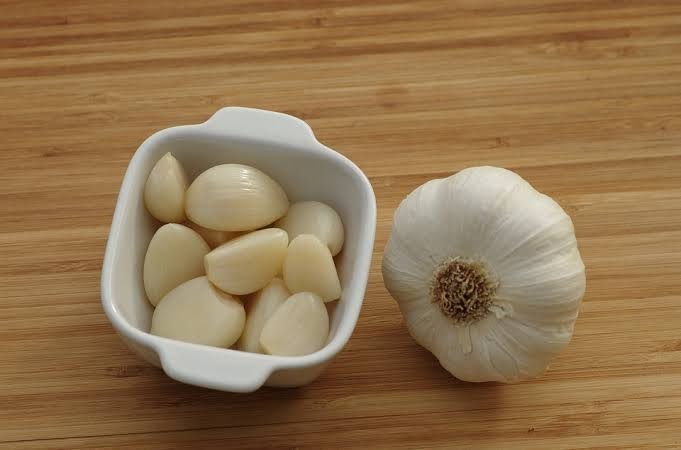
None of this means garlic should be removed from the kitchen.
Garlic remains a flavorful food that can make healthy meals more enjoyable.
Research also suggests that garlic preparations may have modest effects on certain cardiovascular and metabolic markers. According to NCCIH, garlic supplements may produce small reductions in total cholesterol and LDL cholesterol among people with elevated cholesterol, while evidence also suggests small effects on blood pressure and blood sugar in certain groups.
A 2024 review of human studies found that research into raw garlic has explored areas including blood pressure, lipid profiles, glucose metabolism and antioxidant status. However, the authors emphasized that the available studies vary considerably and that larger, longer studies are still needed.
That is a much more realistic description of garlic.
It may contribute to a healthy diet.
It is not a miracle food.
Why Raw Garlic Gets So Much Attention
Raw garlic is particularly interesting to researchers because processing can change its chemical composition.
When garlic is crushed, certain enzymes help generate allicin and related sulfur-containing compounds. Heat and cooking can alter these compounds.
This has led to considerable interest in whether raw garlic might have different biological effects from cooked garlic or garlic supplements.
Some observational research has reported an association between raw garlic consumption and lower lung cancer risk in Chinese populations. One case-control study found such an association among participants consuming raw garlic regularly.
But again, association does not establish causation.
These studies do not mean that eating raw garlic guarantees protection.
They simply provide evidence that deserves further scientific investigation.
Traditional Beliefs and Modern Research
Garlic occupies an interesting position between culture and science.
For generations, people have used it not only as food but also as part of traditional health practices. That cultural history helps explain why garlic has accumulated such a strong reputation.
Modern science has investigated some of the compounds responsible for its properties.
This creates an intriguing middle ground.
Traditional knowledge can inspire scientific questions, but scientific research must determine whether those claims hold up under controlled investigation.
Sometimes a traditional belief leads researchers toward something genuinely useful.
Other times, the original claim turns out to be much broader than the evidence supports.
Garlic illustrates both possibilities.
The Problem With “Natural” Health Promises
Another lesson from stories like this is the importance of being cautious with the word “natural.”
Natural does not automatically mean powerful.
It also doesn’t automatically mean safe for everyone.
Garlic is generally safe when consumed as food, but concentrated supplements can have different effects. NCCIH notes that garlic may cause side effects such as heartburn and stomach discomfort, particularly in larger amounts. Garlic can also interact with certain medications, including blood-thinning drugs.
For most people, using garlic as a normal ingredient in meals is very different from taking concentrated garlic products for a specific medical purpose.
That distinction is worth remembering whenever a food or supplement becomes the subject of a dramatic health claim.
What Should We Learn From the 63-Year-Old Man’s Story?
The most useful lesson isn’t that garlic failed.
It is that no single habit should create a false sense of security.
If the reported account is accurate, the man’s daily garlic habit may have been perfectly reasonable as part of his diet. The problem would be assuming that this one habit could provide complete protection from serious illness.
A better approach is to combine healthy habits with appropriate medical care.
Eat a varied diet.
Stay physically active.
Get adequate sleep.
Avoid established risk factors where possible.
Pay attention to persistent changes in your health.
And follow recommended screening guidelines based on your age and individual circumstances.
These strategies work together.
A Healthier Way to Think About “Superfoods”
The popularity of so-called superfoods often comes from a desire for simple answers.
People naturally want to believe there is one ingredient that can transform their health.
Garlic is appealing because it is inexpensive, familiar and easy to add to meals.
But health rarely works that way.
A nutritious food can be valuable without being extraordinary.
An apple doesn’t need to prevent disease to be worth eating.
Garlic doesn’t need to eliminate cancer risk to be a useful ingredient.
The real value of these foods comes from how they fit into an overall pattern of eating and living.
The Bigger Lesson Behind the Story
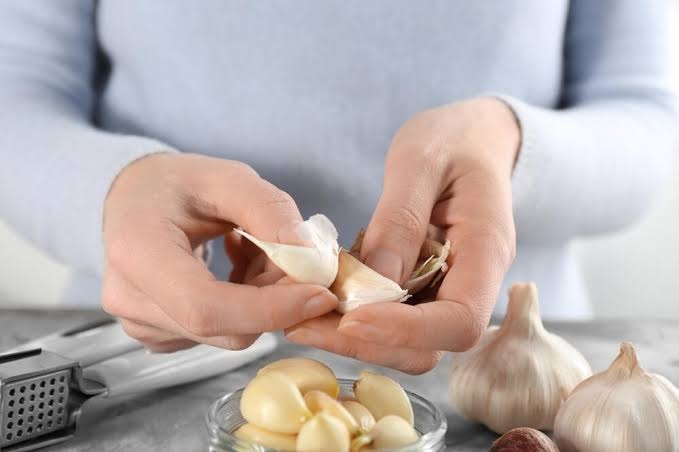
The story of the man who ate garlic every morning ultimately raises a much bigger question.
How much control do we really have over our health?
The honest answer is that we have some control, but not complete control.
Our daily choices matter.
But biology is complicated, and even excellent habits cannot guarantee a particular outcome.
That realization shouldn’t make people give up on healthy living.
Instead, it should encourage a more balanced approach.
Eat well because nutritious food supports the body.
Exercise because movement is beneficial.
Attend medical appointments because information matters.
And enjoy foods like garlic because healthy eating doesn’t have to be complicated.
Final Reflection
There is something deeply human about the man’s morning ritual.
He believed in a simple habit and repeated it faithfully, hoping that something as ordinary as a clove of garlic could help protect his future.
Perhaps that is why stories like this attract so much attention.
They remind us that our curiosity about health is also a curiosity about uncertainty. We want to know which choices will keep us healthy, which habits truly matter and whether something simple can make a difference.
Science rarely gives us answers that are quite so simple.
Garlic may have useful nutritional and biological properties, and researchers continue to investigate them. But the evidence does not support treating garlic as a guaranteed shield against cancer.
The wiser lesson is therefore not to abandon the garlic.
It is to put it in perspective.
A healthy life is built from many small choices, supported by good information and appropriate medical care. And sometimes, the most valuable thing a routine health examination can provide is not certainty, but knowledge.