How Much Should You Tip at a Nail Salon? A Simple Guide to Nail Salon Tipping Etiquette
SEO Title: How Much Should You Tip at a Nail Salon? A Complete Guide
Meta Description: Wondering how much to tip your nail technician? Learn about the common 15%–20% tipping range, nail art services, cash tips, and proper salon etiquette.
SEO Keywords: how much to tip at nail salon, nail salon tipping etiquette, nail technician tip, manicure tipping guide, pedicure tip, standard nail salon tip, tipping for nail art
How Much Should You Tip at a Nail Salon?
Getting your nails done is more than simply choosing a polish color. A manicure or pedicure can involve cleaning, shaping, cuticle care, massage, polish application, and sometimes detailed nail art. Depending on the service, a technician may spend considerable time making sure every detail looks right.
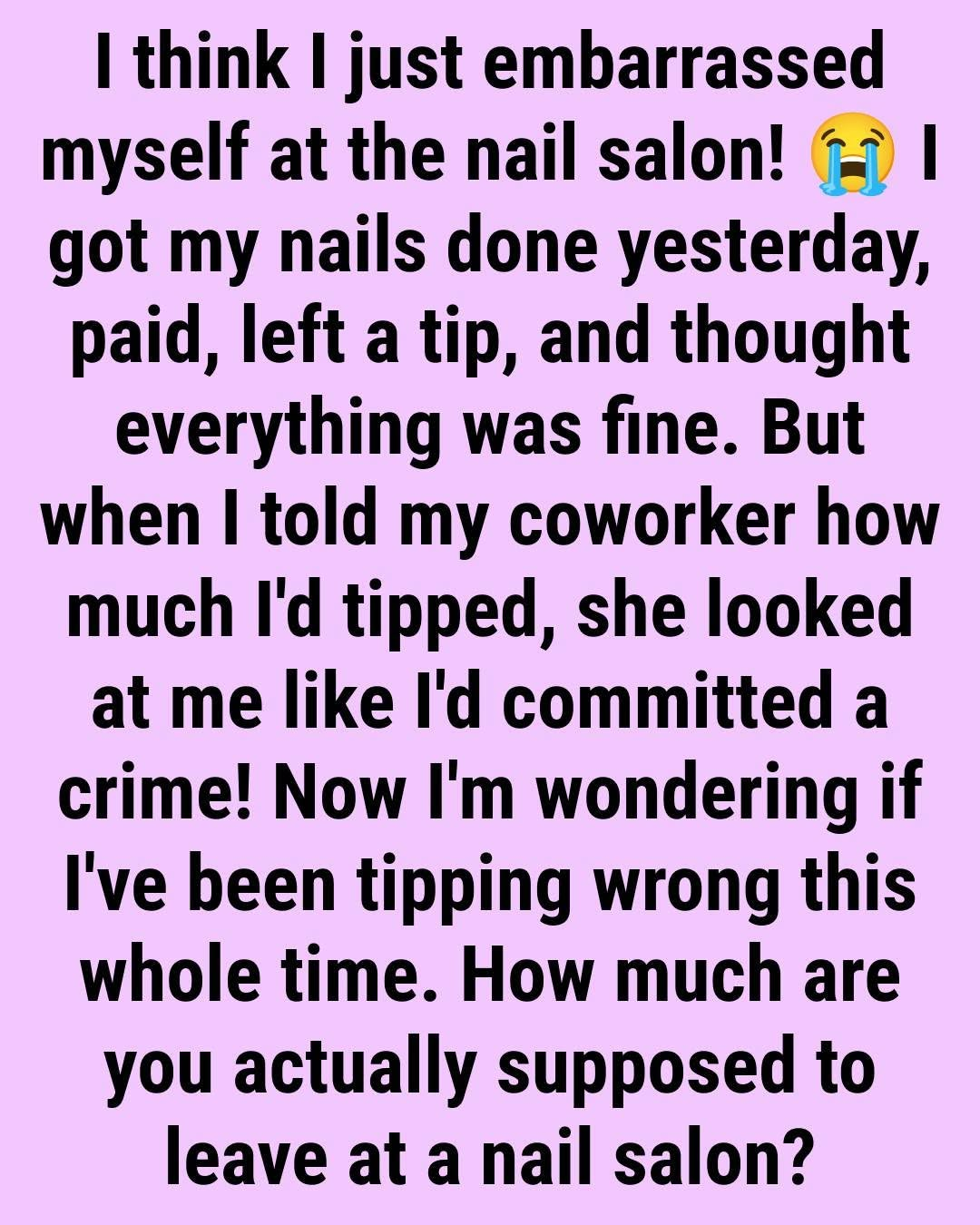
When the appointment ends, however, some customers face a familiar question: How much should they leave as a tip?
Tipping can feel confusing, especially for people who do not visit nail salons regularly. Some customers leave a fixed amount, while others calculate a percentage of the total bill. There may also be uncertainty about whether a more complicated service deserves a larger tip or whether cash is better than paying by card.
In the United States, a tip of 15% to 20% of the service price is a commonly accepted guideline for nail technicians. The exact amount depends on the experience, the quality of the work, and the customer’s budget.
Emily Post’s tipping guidance also places manicures in the 15%–20% range. This is a useful starting point, but it is not a mandatory payment or a rule that applies to every country.
Why Is Tipping Common at Nail Salons?
Nail technicians provide personal services that require practical skills, patience, and attention to detail. A manicure may appear simple from the customer’s perspective, but the process often involves several individual steps.
A technician may need to prepare the nails, shape them evenly, carefully work around the cuticles, apply products, and make sure the final result looks consistent. More elaborate services can involve extensions, gel applications, intricate designs, or several layers of polish.
These tasks require concentration and steady hand movements. Even a small mistake can affect the final appearance, particularly when a customer requests detailed nail art.
Tipping is one way customers in the United States commonly express appreciation for this work. It can recognize the time and effort involved, especially when the technician provides attentive service and delivers the result the customer requested.
However, tipping should not be confused with the service fee itself. Customers still pay the listed price for the manicure or pedicure, while the tip is an additional discretionary amount.
What Is the Standard Tip for a Manicure or Pedicure?
For many customers in the United States, 15%–20% is a practical guideline.
A 15% tip may be appropriate when the service meets expectations and the customer is satisfied. Moving closer to 20% can be a way to show additional appreciation for careful work, excellent customer service, or a particularly enjoyable appointment.
Here are some examples:
| Service price | 15% tip | 20% tip |
|---|---|---|
| $25 | $3.75 | $5.00 |
| $35 | $5.25 | $7.00 |
| $45 | $6.75 | $9.00 |
| $50 | $7.50 | $10.00 |
| $60 | $9.00 | $12.00 |
| $80 | $12.00 | $16.00 |
| $100 | $15.00 | $20.00 |
For example, if a manicure costs $50, a customer following the 15%–20% guideline would leave between $7.50 and $10.
The same general approach can be used for a pedicure. A more expensive service naturally produces a larger tip when the same percentage is applied.
These figures are examples rather than fixed requirements. Customers can choose an amount that reflects their experience and financial situation.
Should You Tip More for Detailed Nail Art?
Not every nail appointment requires the same amount of time or effort.
A basic manicure may involve trimming, shaping, cuticle care, and a simple polish application. A more elaborate appointment could include acrylic extensions, gel polish, decorative stones, hand-painted patterns, or multiple customized designs.
These additional details can make the appointment considerably longer.
For example, a customer requesting a simple color may spend much less time in the salon than someone asking for a detailed seasonal design with several different patterns. The technician must work carefully to keep the design balanced and consistent across the nails.
When a technician provides especially detailed work or goes beyond what the customer initially expected, tipping closer to 20% can be a thoughtful gesture.
Some customers may choose to give more when they are particularly pleased with the result. However, there is no universal rule requiring a higher percentage for every nail art appointment.
The important consideration is the overall service. A complicated design does not automatically guarantee a good experience, just as a simple manicure can involve excellent attention and professionalism.
What If More Than One Nail Technician Works on Your Appointment?
Some salon visits involve more than one technician.
For example, one person may perform a manicure while another handles a pedicure. In other situations, a technician may prepare the nails before another person completes the polish or decorative work.
When multiple people contribute to the appointment, customers may wonder whether they should leave one combined tip or give each technician a separate amount.
The simplest approach is to ask the front desk how the salon handles tips.
Some businesses have a system for distributing shared tips, while others allow customers to give money directly to the individual technicians. Policies can differ, so asking before paying can prevent confusion.
If each technician provides a separate service and receives individual tips, customers can calculate the amount based on the price of the service each person performed.
For instance, if one technician completes a $35 manicure and another provides a $45 pedicure, the customer can calculate a separate tip for each service.
This approach makes it easier to recognize the work of everyone involved.
Is It Better to Tip in Cash or by Card?
Another common question concerns how to leave the tip.
Cash is often a convenient option because customers can hand the money directly to the technician. It can also make it easier to specify who should receive the tip when several employees are involved.
However, cash is not the only acceptable method.
Many nail salons allow customers to add a gratuity when paying by credit or debit card. Some also offer digital payment options.
The important detail is understanding how the salon distributes electronic tips. Procedures may vary from one business to another.
If you prefer to pay by card, you can simply ask whether the technician receives the tip directly or whether the salon distributes tips through a shared system.
There is no need to feel uncomfortable about asking. A quick question at checkout can make the process clear for everyone.
Should You Tip When You Receive a Discount?
Discounts and promotional offers can make nail services more affordable, but they may also create uncertainty about how to calculate the tip.
Suppose a salon normally charges $60 for a service, but a promotional offer reduces the price to $45.
Some customers calculate their tip using the discounted amount. Others prefer to calculate it using the original service price because the technician may have performed the same amount of work.
There is no universal rule that every customer must follow, but using the original service price is a reasonable way to recognize the full value of the work when a discount has reduced the customer’s bill.
For example, 20% of $60 is $12, while 20% of $45 is $9.
The difference is relatively small in this example, but it illustrates why checking the service price before calculating a tip can be helpful.
Customers should also check whether the discount applies only to the service or whether the final bill includes additional charges.
What If You Are Not Happy With the Results?
Tipping decisions can become more complicated when a customer is dissatisfied with the service.
Perhaps the polish is uneven, the nail shape is different from what was requested, or the final design does not match the reference image. In these situations, customers may feel uncertain about whether they should still leave a tip.
The first step is to communicate the concern politely.
If you notice an issue before leaving the salon, explain what seems wrong and give the technician an opportunity to address it. A small correction may resolve the problem quickly.
For example, if one nail has a visible uneven edge or a color application looks inconsistent, pointing it out calmly can help the technician understand what needs attention.
If the salon cannot correct the issue or the experience was significantly below expectations, customers can make their own decision about the tip.
A gratuity is discretionary, so there is no requirement to leave the same percentage regardless of the service received.
At the same time, communicating clearly is usually more productive than silently leaving an unhappy appointment without explaining what went wrong.
Does Every Nail Salon Expect a 20% Tip?
Although 15%–20% is a common guideline in the United States, tipping practices are not identical everywhere.
Some customers regularly leave 20%, while others choose an amount closer to 15%. Individual salons may also have different payment procedures or policies regarding gratuities.
It is also important to distinguish between a voluntary tip and a service charge already included in the bill.
If a receipt contains a line labeled gratuity or service charge, check what it covers before adding another amount. A service charge and a voluntary tip are not necessarily the same thing, and customers can ask the salon to explain any unclear charge.
Most importantly, tipping customs vary significantly between countries. A percentage that is common in the United States should not automatically be applied when visiting a salon elsewhere.
Travelers should consider local customs and the business’s payment policies rather than assuming that every country follows American tipping practices.
How to Make Tipping Easier During Regular Salon Visits
For people who visit nail salons frequently, deciding how much to tip can become easier with a consistent personal approach.
One option is to use 15%–20% as a general reference and adjust the amount according to the service received.
Customers who regularly book detailed nail art or longer appointments may prefer to plan for a slightly larger total budget. This helps avoid feeling surprised when the bill arrives.
It can also be useful to keep a small amount of cash available, even when most purchases are made electronically. This provides another way to tip if the salon does not accept gratuities through card payments.
Regular customers may also develop a comfortable relationship with a particular technician. Consistent communication about preferred nail shapes, colors, and designs can make future appointments smoother.
A polite thank-you, a clear explanation of what you like, and a fair tip when appropriate can all contribute to a positive relationship.
A Tip Is a Personal Gesture of Appreciation
There is no single amount that every nail salon customer must leave. The commonly suggested 15%–20% range in the United States provides a useful starting point, but the final decision belongs to the customer.
A simple manicure, an elaborate nail art appointment, and a long pedicure may involve very different amounts of time and attention. The quality of the experience, the technician’s care, and the customer’s budget can all influence the amount.
The next time you visit a nail salon, checking the bill, understanding any additional charges, and deciding on a tip before reaching the checkout counter can make the experience much less awkward.
Ultimately, a tip is a way to recognize good service and show appreciation for the person behind the finished result. A thoughtful gesture, combined with respectful communication, can make the appointment more pleasant for both the customer and the technician.