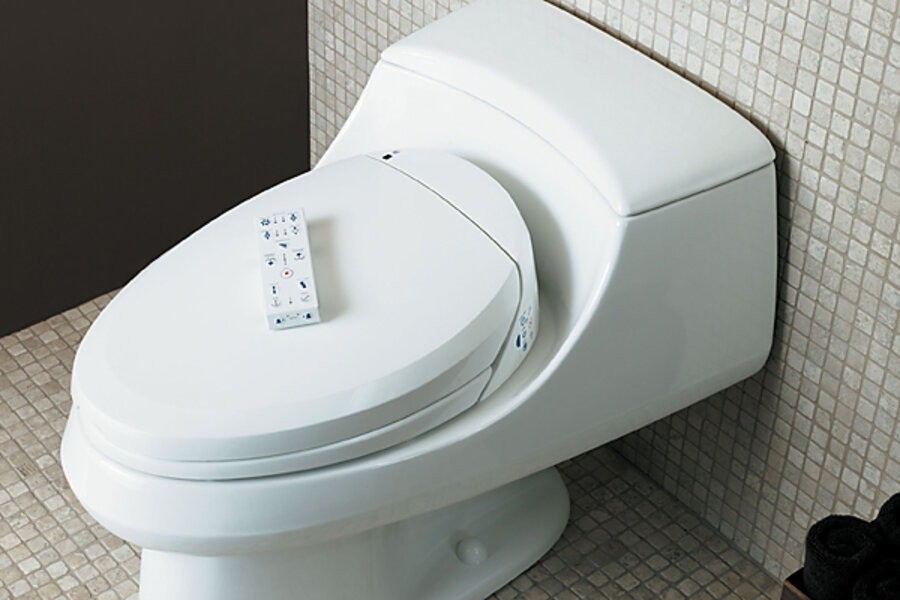
Flushing the toilet is one of the most routine actions in daily life. In many homes, it happens without a second thought: press a button or pull a handle, and clean water carries waste away through a sewer system. Yet this familiar convenience has an environmental cost. Each flush uses water that has been collected, treated, pumped and delivered to a building before it enters a wastewater network that also requires energy and infrastructure to operate.
For individual households, one flush may appear insignificant. Across cities, however, toilet use represents a major share of indoor residential water consumption. As communities face drought, population growth, aging water systems and the growing effects of climate change, reducing unnecessary water use has become an important part of household conservation.
The goal is not to compromise sanitation or personal hygiene. Reliable toilets and wastewater treatment are essential public-health achievements. Instead, the focus is on using water efficiently through modern fixtures, leak repairs, thoughtful habits and informed choices. Understanding the environmental cost of flushing can help households make practical changes that save water while maintaining a clean and healthy bathroom.
How Much Water Does a Toilet Flush Use?
The amount of water used by a toilet depends largely on its age, design and local plumbing standards. Older toilets can use substantially more water than modern efficient models. In the United States, federal standards introduced in the 1990s limited new residential toilets to 1.6 gallons per flush, or about 6 litres. Many toilets installed before those standards use 3.5 gallons per flush or more, which is roughly 13 litres.
More efficient products are now widely available. The United States Environmental Protection Agency’s WaterSense program labels high-efficiency toilets that use no more than 1.28 gallons per flush, or about 4.8 litres, while meeting performance requirements. Compared with older models, these toilets can significantly reduce the amount of treated drinking water used for sanitation.
Water use becomes more meaningful when considered over time. A household with several residents may flush dozens of times each day. Even a difference of one or two litres per flush can add up to thousands of litres over a year. The EPA estimates that toilets account for nearly 30% of average indoor residential water use in the United States, making them one of the largest opportunities for household water savings.
The figures vary by country because plumbing fixtures, consumer habits, water prices and building regulations differ. Nevertheless, the overall pattern is similar in many developed water systems: toilets are a substantial component of indoor water demand. When millions of homes use more water than necessary, the effect extends beyond individual utility bills.
The Hidden Environmental Cost of Toilet Flushing
The environmental impact of flushing is not limited to the water visible in a toilet bowl. Before water reaches a home, utilities may need to draw it from rivers, reservoirs, lakes or underground aquifers. It is then treated to meet drinking-water standards and transported through pipes, often using pumps that consume electricity.
After a toilet is flushed, wastewater travels through sewer lines to a treatment facility or, in some areas, to an on-site septic system. Municipal treatment plants remove contaminants before treated water is released or reused under regulated conditions. These processes are vital for protecting public health and waterways, but they require equipment, chemicals, skilled workers and energy.
Using less water where it is not needed can therefore reduce pressure on water supplies and wastewater infrastructure. This is especially relevant in regions affected by drought or water scarcity. The World Health Organization has emphasized that safe water availability is closely linked to health, economic development and resilience. Conservation cannot solve every water challenge on its own, but it can help communities manage finite supplies more effectively.
Climate change adds another layer of uncertainty. Changing rainfall patterns, hotter temperatures and prolonged dry periods can affect water availability in many regions. At the same time, intense rainfall can strain combined sewer systems in some older cities. Efficient water use is one practical way households can support broader efforts to make water systems more resilient.
Why Water Conservation Matters at Home
It is easy to take tap water for granted where it is available around the clock. However, safe, treated water is a valuable public service rather than an unlimited resource. In some communities, residents already face restrictions during dry periods, higher utility costs or concerns about declining groundwater levels.
Household conservation can also provide financial benefits. Lower water consumption may reduce water and sewer charges, depending on local billing arrangements. Replacing an inefficient toilet can be a larger upfront investment, but the savings may accumulate over the life of the fixture. Some water utilities offer rebates or efficiency programs for approved toilets and other water-saving products.
Conservation is most effective when it does not create new problems. Toilets must reliably remove waste, protect hygiene and comply with local plumbing requirements. A water-saving strategy should never mean failing to flush after solid waste, allowing a bathroom to become unsanitary or using products that could damage plumbing. The most sustainable approach combines efficient technology with sensible maintenance and good cleaning practices.
Should You Flush Less Often?
The phrase “if it’s yellow, let it mellow” is sometimes used to encourage people to avoid flushing after every instance of urination. The idea is straightforward: if a flush is not immediately necessary, skipping it may save several litres of water. In a household that is comfortable with the practice, occasional reduced flushing can lower water use.
However, this approach is personal and may not suit every home. Odour, household preferences, visitors, shared bathrooms and cleaning routines all matter. A bathroom should remain clean, comfortable and hygienic for everyone who uses it. People with particular health concerns, caregiving responsibilities or accessibility needs may reasonably prefer to flush every time.
It is important not to treat reduced flushing as a universal rule. Public-health guidance strongly supports proper sanitation and handwashing. Toilets should always be flushed after bowel movements, and hands should be washed thoroughly with soap and water after using the bathroom. Regular cleaning of toilet surfaces and good ventilation can help maintain a pleasant bathroom environment.
For households that do choose to flush less frequently in limited circumstances, open communication is useful. Everyone sharing the bathroom should be comfortable with the arrangement. It is also sensible to check local water utility advice, especially during drought restrictions, because recommendations can vary by region.
Dual-Flush Toilets and High-Efficiency Designs
Technology offers a more consistent way to reduce toilet water use without requiring major changes in daily habits. Dual-flush toilets have two flushing options: a smaller flush intended for liquid waste and a larger flush for solid waste. This design allows users to match the amount of water used to the task.
High-efficiency toilets offer another option. These fixtures are designed to use less water per flush while still meeting standards for waste removal. Modern toilet engineering has improved bowl design, trapways and flushing mechanisms, helping efficient models perform reliably. When selecting a new toilet, consumers can look for independent efficiency labels, product specifications and local plumbing certification.
In the United States, the EPA’s WaterSense label is one useful benchmark. WaterSense-labeled toilets use at least 20% less water than the federal standard while meeting performance criteria. Similar efficiency programs and water regulations exist in other countries, though names and requirements differ.
Before replacing a toilet, homeowners and renters should consider the building’s plumbing, installation costs and local regulations. A qualified plumber can help assess compatibility and ensure that the fixture is installed correctly. In rental homes, tenants should seek permission from the property owner before making plumbing changes.
Finding and Fixing Toilet Leaks
A leaking toilet can waste far more water than many people realize. Some leaks are obvious, such as water pooling around the base of the toilet. Others are silent: water may slowly move from the tank into the bowl without creating a noticeable sound.
The EPA notes that household leaks can waste large amounts of water over time, and toilets are a common source. A worn flapper valve, faulty fill valve or poorly adjusted mechanism may allow water to continue running after a flush. These problems are often repairable, but they should not be ignored.
A simple dye test can help identify a silent toilet leak. Place a few drops of food colouring or a dye tablet in the toilet tank, wait without flushing, and check whether colour appears in the bowl. If it does, water is likely leaking from the tank into the bowl. Follow the product instructions, clean the bowl afterward, and contact a plumber if the cause is unclear or repairs are needed.
Repairing leaks is often one of the quickest conservation steps a household can take. It can reduce avoidable water use without changing anyone’s bathroom routine. Regular inspections are particularly worthwhile in older homes, where toilet components may have worn down over time.
Practical Ways to Reduce Toilet Water Use
Water conservation does not depend on a single dramatic action. Small, realistic improvements can produce lasting results. Households can begin by identifying the age and flush volume of their toilets. A label inside the tank may provide useful information, while a plumber or manufacturer can help confirm the model’s specifications.
- Repair running toilets and silent leaks promptly.
- Consider replacing very old, high-volume toilets with efficient certified models.
- Use the reduced-flush setting on a dual-flush toilet when appropriate.
- Do not use the toilet as a rubbish bin for tissues, wipes, medicine or other waste.
- Follow local disposal guidance for medications and personal-care products.
- Maintain regular bathroom cleaning and handwashing practices.
- Check whether a local water provider offers rebates, audits or conservation advice.
Using the toilet only for its intended purpose also protects wastewater systems. Items marketed as “flushable” may still cause blockages in pipes or treatment equipment. Local utilities often advise residents not to flush wipes, paper towels, cotton products or other materials that do not break down like toilet paper.
A Global Perspective on Water and Sanitation
Conversations about reducing flush volume should also recognize a wider global reality: billions of people still lack safely managed sanitation services. In many parts of the world, the urgent issue is not excessive household water use but inadequate access to safe toilets, clean water and wastewater treatment.
Organizations including the World Health Organization and UNICEF stress that sanitation is central to health, dignity, education and environmental protection. Safe toilets and properly managed waste help reduce exposure to harmful pathogens and prevent pollution of water sources. Efficient water use in places with established sanitation systems should support, not diminish, appreciation for the importance of universal access to safe services.
This wider perspective makes responsible water use more meaningful. Saving water where possible is compatible with recognizing that sanitation is a basic necessity. The aim is to use a valuable shared resource wisely while supporting reliable, hygienic systems for everyone.
Why Every Flush Counts
No single household can resolve water scarcity or climate-related pressure on infrastructure alone. Still, everyday decisions matter when repeated across communities. Replacing an outdated toilet, fixing a small leak, selecting the right dual-flush button or becoming more aware of water use can all contribute to lower demand over time.
The environmental cost of flushing the toilet is a reminder that ordinary conveniences depend on complex systems of water collection, treatment and wastewater management. Water-saving choices do not require sacrificing cleanliness or comfort. With efficient fixtures, prompt repairs and sensible habits, households can protect both their budgets and local water resources.
Every flush serves an important purpose. Making sure it uses only the water needed is a simple, practical step toward more sustainable living.
Sources
- United States Environmental Protection Agency: WaterSense Residential Toilets
- United States Environmental Protection Agency: Fix a Leak Week
- World Health Organization: Drinking Water Fact Sheet
- World Health Organization: Sanitation Fact Sheet
- Centers for Disease Control and Prevention: When and How to Wash Your Hands
- UNICEF: Water, Sanitation and Hygiene
Disclaimer: This content is intended for entertainment purposes only and is not based on real events.