Everything We Know About the Florida Learjet Crash
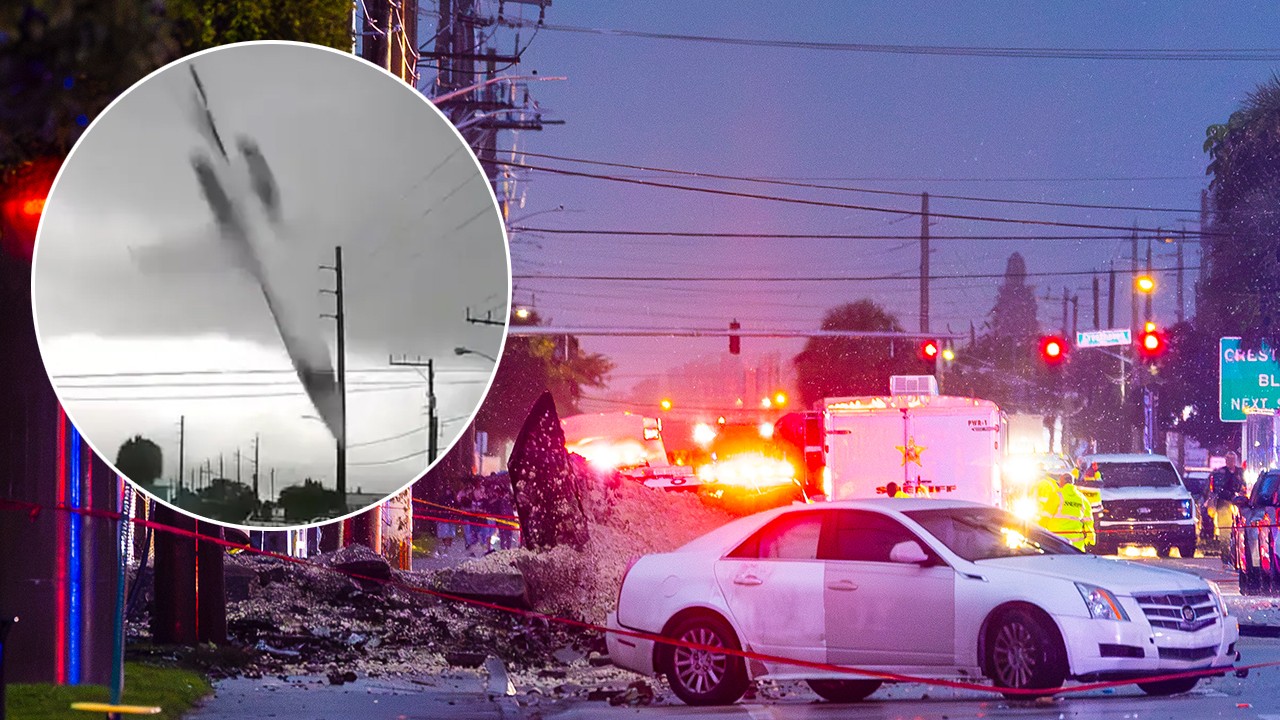
A Learjet 60 crash in Greenacres, Florida, has prompted a major federal aviation investigation after the business jet went down during challenging weather conditions. Authorities said nine people were aboard the aircraft, and officials confirmed that there were no reported injuries to people on the ground.
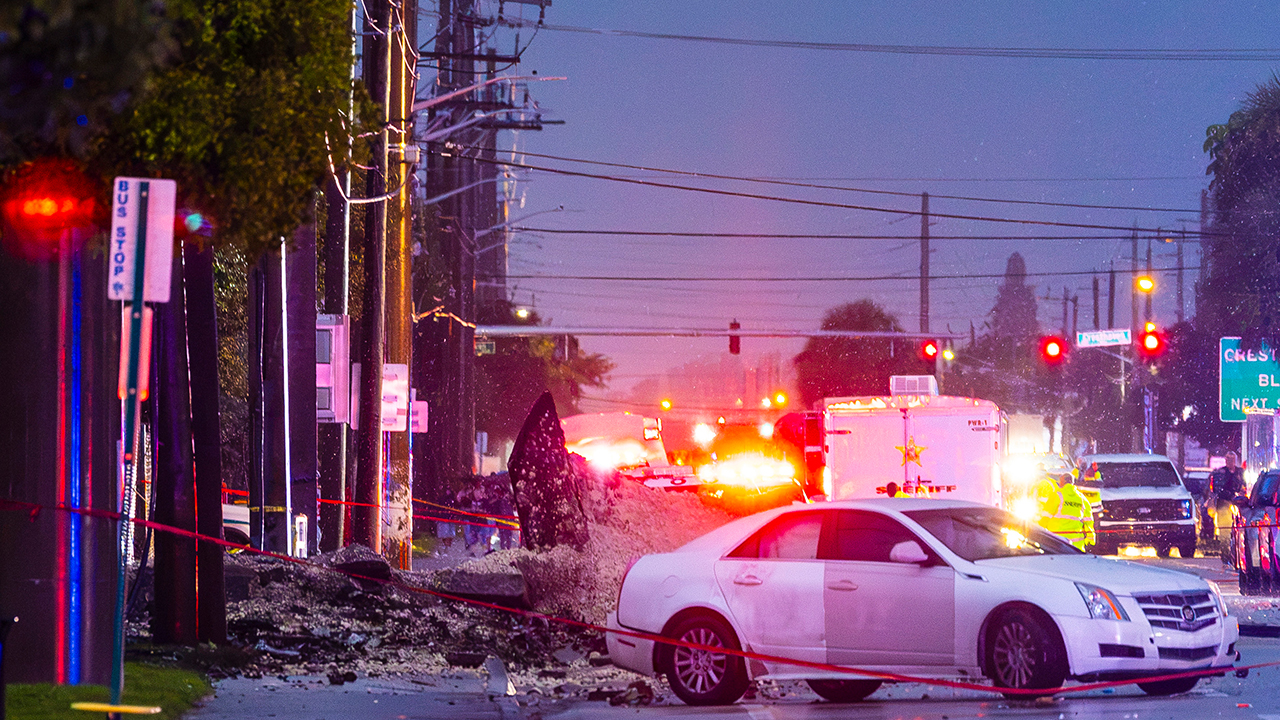
The incident occurred near South Military Trail and Marilyn Drive in Palm Beach County, an area west of West Palm Beach. Emergency crews responded quickly, while nearby residents were temporarily evacuated as investigators secured the scene and assessed potential hazards, including debris and damaged power infrastructure.
As with every fatal aviation accident in the United States, the National Transportation Safety Board is expected to lead the investigation. The agency will examine the aircraft, weather conditions, flight data, maintenance records, operational history, and communications between the flight crew and air traffic control. Any explanation for the crash will require a detailed review and should not be considered final until investigators release formal findings.
Crash Reported Near Greenacres in Palm Beach County
According to information attributed to the Federal Aviation Administration, the Learjet 60 crashed in the Greenacres area at about 12:50 p.m. The aircraft had reportedly departed from Austin, Texas, and was en route to North Eleuthera in the Bahamas when the flight ended in South Florida.
Greenacres is located in Palm Beach County, near major roadways, residential communities, and commercial areas. The crash site was also reported to be roughly eight miles from Mar-a-Lago, the Palm Beach property associated with President Donald Trump. Officials did not indicate that the proximity to Mar-a-Lago was related to the flight or the emergency response.
Florida Governor Ron DeSantis and local authorities described the event as a serious aircraft incident requiring a coordinated response from law enforcement, fire-rescue personnel, aviation authorities, and federal investigators. Palm Beach County Sheriff’s Office personnel referred to the response as a mass-casualty aircraft-related incident.
The location of an aircraft accident is an important part of the investigation. Investigators evaluate whether the aircraft struck structures, roads, utility lines, or other infrastructure, while also documenting the distribution of debris. These details can help establish the aircraft’s direction, attitude, and condition during its final moments.
Weather and Icing Reports Before the Emergency
Air traffic control audio circulated following the crash appeared to capture a pilot reporting icing and turbulence before declaring an emergency. In the recordings, the crew reportedly said they had encountered light clear ice and moderate turbulence, then later requested a climb after entering precipitation.
It is important to treat publicly circulated recordings carefully until they are authenticated and reviewed by the National Transportation Safety Board. Air traffic control recordings can provide valuable context, but they are only one part of a larger evidence record. Investigators also consider radar information, cockpit voice recordings, flight data recorders when available, weather observations, and aircraft systems evidence.
Icing is a recognized aviation hazard, particularly when an aircraft encounters visible moisture in freezing temperatures. Ice can accumulate on wings, stabilizers, engine inlets, sensors, and other surfaces. Even smaller amounts of ice can affect aerodynamics, increase drag, reduce lift, or interfere with equipment, depending on the aircraft type and the conditions involved.
Business jets are equipped and certified for specific operating conditions, and pilots use weather reports, onboard systems, routing decisions, altitude changes, and de-icing or anti-icing equipment to manage icing risks. However, the presence of icing in radio communications does not by itself establish the cause of an accident. Investigators must determine the type and severity of conditions encountered, whether the aircraft’s systems were operating as expected, and how the flight developed over time.
The National Weather Service had issued weather alerts for parts of South Florida around the time of the crash, including a flood watch associated with periods of heavy rain. Aviation weather can change quickly, particularly in convective conditions, and pilots rely on forecasts, radar, pilot reports, and air traffic control assistance to avoid the most hazardous areas when possible.
What Air Traffic Control Communications May Show
According to reports citing audio from Miami air traffic control, the crew informed controllers that the aircraft was descending rapidly and declared an emergency. The recording reportedly included references to an overspeed condition and a steep bank angle.
In aviation, an overspeed condition means an aircraft may be approaching or exceeding a published speed limitation. Such events can occur for different reasons, including a rapid descent, turbulence, changes in aircraft configuration, or loss of control. A steep bank can also increase aerodynamic demands on an aircraft and may be significant to investigators assessing the flight path.
Controllers are trained to assist pilots in emergencies by providing headings, altitudes, traffic information, weather updates, airport options, and other support when conditions allow. Yet the ability of a controller to help depends on the aircraft’s altitude, location, speed, and the nature of the emergency. In a rapidly developing situation, available options can become limited within seconds.
Reports said the aircraft descended sharply before impact. The precise descent profile, the condition of the aircraft, and the sequence of events will be reviewed through radar data and any available onboard recording equipment. Investigators generally avoid reaching conclusions from a single radio transmission or a preliminary flight-tracking image.
How the NTSB Investigation Will Proceed
The NTSB is an independent federal agency responsible for investigating civil transportation accidents in the United States. In an aviation accident, the agency’s goal is not to assign blame or determine legal liability. Its purpose is to identify probable cause and issue safety recommendations that could help prevent future accidents.
At the crash site, investigators typically document wreckage locations, aircraft components, control surfaces, engines, instruments, and any signs of fire or impact damage. Components may be transported to specialized facilities for additional examination. The NTSB may also work with the FAA, aircraft manufacturer Bombardier, engine manufacturers, the aircraft operator, and other technical parties.
A preliminary report is often released within weeks of a major accident. That report generally summarizes known factual information, such as the flight route, aircraft registration, weather, and basic sequence of events. It does not usually provide a final cause.
A final NTSB report can take many months or longer, particularly when investigators need to examine complex technical issues. The agency may later hold a public board meeting before adopting a probable cause and related safety recommendations. Until that process is complete, claims about the exact reason for the crash remain unconfirmed.
The Learjet 60 and Business Aviation Safety
The Learjet 60 is a midsize business jet designed for corporate, charter, and private operations. Learjet aircraft have long been a familiar part of business aviation because of their speed, range, and ability to operate from a wide range of airports. Bombardier ended Learjet production in 2021, but many aircraft remain in service worldwide.
Modern business aviation operates within a structured safety system that includes pilot licensing, recurrent training, maintenance requirements, aircraft inspections, air traffic control procedures, and weather planning. In the United States, the FAA oversees aviation safety regulations, while the NTSB investigates accidents and recommends improvements.
Aviation safety specialists often emphasize that accidents rarely have one simple explanation. Investigations may examine weather, aircraft performance, training, maintenance, decision-making, air traffic control communications, equipment status, and organizational procedures. This approach is designed to identify any combination of factors that may have contributed to an event.
The public attention surrounding cockpit audio and dramatic video can create pressure for immediate answers. Aviation experts, however, routinely urge caution. Early footage may show the final outcome, but it does not reveal what occurred inside the aircraft, what instruments indicated, what system alerts were active, or how the crew assessed changing conditions.
Community Response and Emergency Operations
The crash affected residents in the surrounding Greenacres community, where authorities evacuated approximately 600 people from a nearby mobile home area as a precaution. Such evacuations are common after aviation accidents when there may be fuel, fire, unstable debris, damaged utilities, or a need to preserve the scene for investigators.
Witnesses described hearing or seeing the impact and emergency response. Authorities have not reported injuries on the ground, an outcome that emergency officials recognized as significant given the aircraft’s location near homes and roads.
Emergency management after an aircraft accident extends beyond firefighting and rescue operations. Teams may assess air quality, secure electrical lines, manage road closures, support displaced residents, and coordinate with utility companies. Investigators also need controlled access to preserve evidence and safely remove wreckage.
For local residents, incidents of this kind can be distressing even when they are not directly affected. Community support services, accurate public information, and clear directions from local agencies can help people navigate disruptions, road closures, and safety concerns in the days following an accident.
Why Accurate Information Matters After an Aviation Accident
Fatal aircraft accidents often generate extensive online discussion, video sharing, and speculation. Responsible reporting requires distinguishing between verified facts, preliminary observations, witness accounts, and unconfirmed claims. Official information from the NTSB, FAA, local emergency agencies, and law enforcement remains the most reliable basis for understanding what happened.
Weather conditions, cockpit communications, and flight-tracking data may all become relevant to the investigation. However, none should be viewed independently as proof of a cause. The NTSB’s final analysis will be the most authoritative account of the factors that led to the Florida Learjet crash.
In the meantime, the focus remains on supporting the families and communities affected, completing the recovery operation, and allowing investigators to conduct a thorough, evidence-based review. The findings may ultimately contribute to broader aviation safety lessons for pilots, operators, regulators, and aircraft manufacturers.
Sources
Disclaimer: This content is intended for entertainment purposes only and is not based on real events.