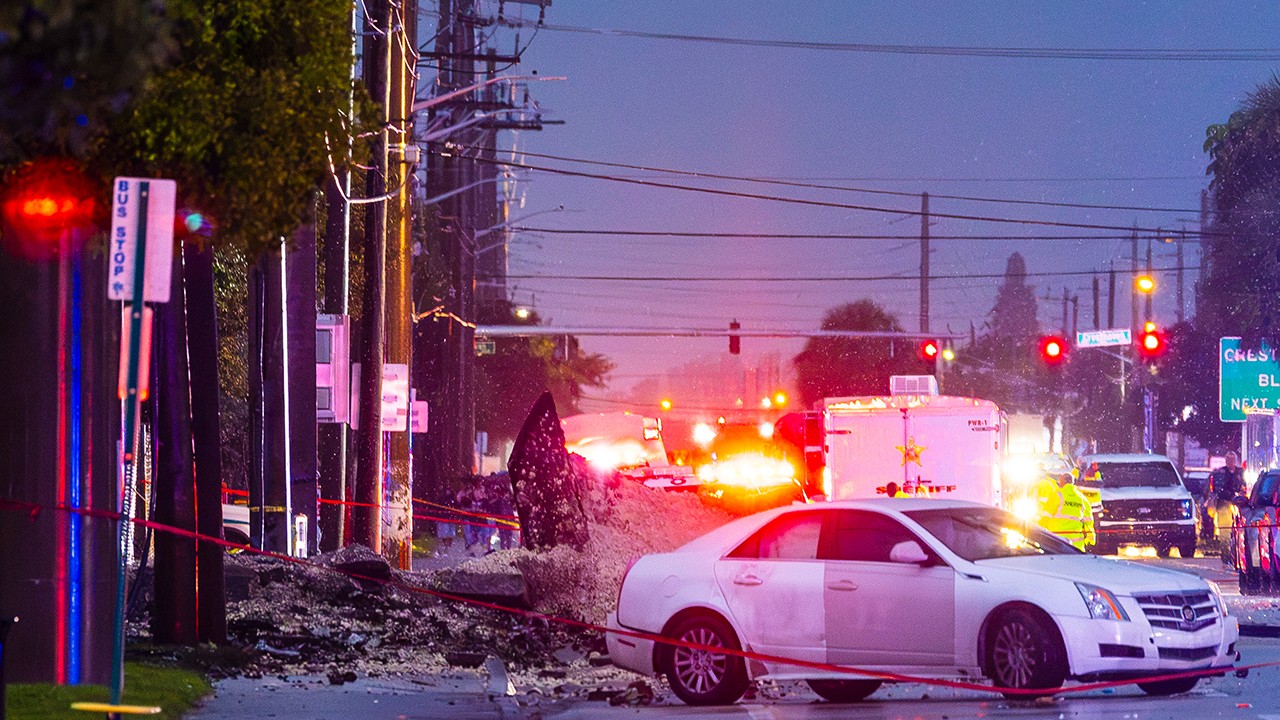
Why So Little Wreckage Was Visible After the Florida Plane Crash
Early videos from an aircraft accident scene can raise understandable questions, especially when viewers cannot immediately see recognizable sections of a plane. However, images captured shortly after a crash rarely provide enough reliable evidence to explain what happened, how fast an aircraft was traveling, or what caused it to lose control.
Claims circulating online about a Learjet 60 crash in Greenacres, near West Palm Beach, have included descriptions of a large impact area, fire, evacuation activity, and little visible aircraft wreckage. At the time of writing, those specific details should not be treated as confirmed unless they are supported by official statements from the Federal Aviation Administration (FAA), the National Transportation Safety Board (NTSB), local emergency agencies, or law-enforcement authorities.
That distinction matters. Aviation accidents are complex events, and investigators rely on physical evidence, aircraft records, radar data, weather information, maintenance documentation, witness interviews, and recorded cockpit data where available. A short video clip, particularly one filmed through smoke or from a distance, cannot establish the cause of an accident.
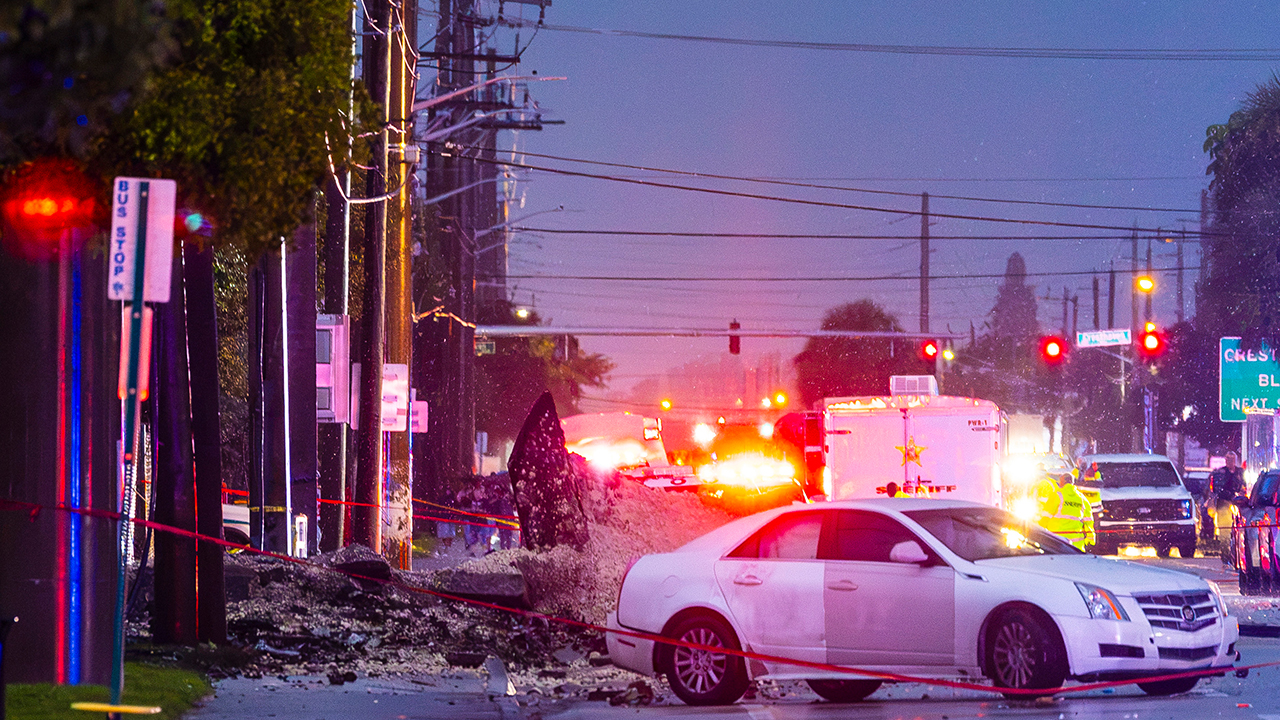
Why Aircraft Wreckage May Not Be Obvious in Early Footage
After a serious aircraft accident, the public often expects to see large, intact pieces of an airplane. In reality, the appearance of a crash site varies widely. The amount of visible debris depends on the aircraft’s speed, angle of impact, terrain, fuel load, fire conditions, weather, the camera’s location, and the work already underway by firefighters and investigators.
Aircraft are built from a mixture of aluminum alloys, composites, steel, wiring, insulation, plastics, and other materials. During a high-energy impact, these components can fragment, deform, burn, or become buried in soil and other surface material. Some debris may be spread over an area beyond the point that is visible in a single recording.
Even when substantial wreckage remains at a crash site, it may not be immediately recognizable to a viewer. Fuselage sections can be crushed or covered by firefighting foam. Wings and tail surfaces may be separated from the main impact location. Smaller components can be scattered across nearby roads, vegetation, roofs, or open ground. Smoke, darkness, emergency lighting, and the movement of first responders can further limit what a camera captures.
For these reasons, a video showing a crater, smoke, or burned ground does not prove that an aircraft “disappeared” or that there was no wreckage. It may simply show only part of a larger, secured accident scene.
What Investigators Look for at an Aircraft Accident Site
In the United States, the NTSB is the independent federal agency responsible for investigating civil aviation accidents. The FAA supports the investigation, particularly on matters involving aircraft certification, air traffic control, airport operations, and regulatory oversight. Local police, fire departments, medical examiners, and emergency-management agencies also play essential roles in the immediate response.
One of the first priorities is protecting people and securing the scene. Responders must address fire risks, fuel hazards, damaged structures, traffic, and public safety. Investigators then begin documenting the site with photographs, measurements, mapping tools, and detailed notes before wreckage is moved whenever possible.
Investigators commonly examine:
- The distribution of debris and the location of major aircraft components.
- Damage patterns on the ground, buildings, trees, and nearby infrastructure.
- The aircraft’s engines, flight-control surfaces, landing gear, and fuel system.
- Maintenance history, inspection records, and any recent repairs.
- Pilot qualifications, training records, rest history, and operational decisions.
- Weather observations, forecasts, radar data, and reports of icing or turbulence.
- Air traffic control recordings and flight-tracking information.
- Data recorders, electronic devices, and avionics equipment that may preserve flight information.
The NTSB often releases a preliminary report within weeks of an accident, but that report generally provides factual information rather than a conclusion about probable cause. A final report can take considerably longer because it requires laboratory analysis, technical review, and a full assessment of all relevant evidence.
Why Speed and Impact Energy Matter
Impact energy is an important factor in explaining why debris may be fragmented or difficult to identify. In basic physical terms, an object’s kinetic energy increases with the square of its speed. That means a relatively modest increase in speed can produce a much larger increase in the energy released during an impact.
However, it is not responsible to estimate an aircraft’s speed from social-media footage alone. Video angles can be misleading, timestamps can be unclear, and online clips may omit the period before impact. Accurate calculations require verified radar data, recorded flight information, wreckage analysis, and, in some cases, satellite or surveillance records.
Aviation specialists may eventually be able to determine whether an aircraft was descending, climbing, turning, or operating outside expected parameters. Until then, descriptions such as “uncontrolled dive,” “overspeed,” or “vertical impact” should be presented as unconfirmed possibilities rather than established facts.
Could Fire and Smoke Hide Evidence?
Fire can significantly change the appearance of an accident scene. Jet fuel is designed to power turbine engines, but when released during an accident it can ignite under certain conditions. A post-impact fire may consume combustible interior materials, damage lightweight structures, and produce thick smoke that obscures the scene.
At the same time, a fire does not erase every part of an aircraft. Engines, landing-gear assemblies, structural components, and many metal parts often remain available for examination. The evidence may be damaged, dispersed, or partially buried, but aviation investigators are trained to identify components that are not obvious to the public.
Firefighters may also use water or foam to suppress flames and prevent the fire from spreading to homes, vehicles, vegetation, or other structures. These emergency actions are necessary to protect lives and property, even though they can change the visible appearance of debris in the first hours after an accident.
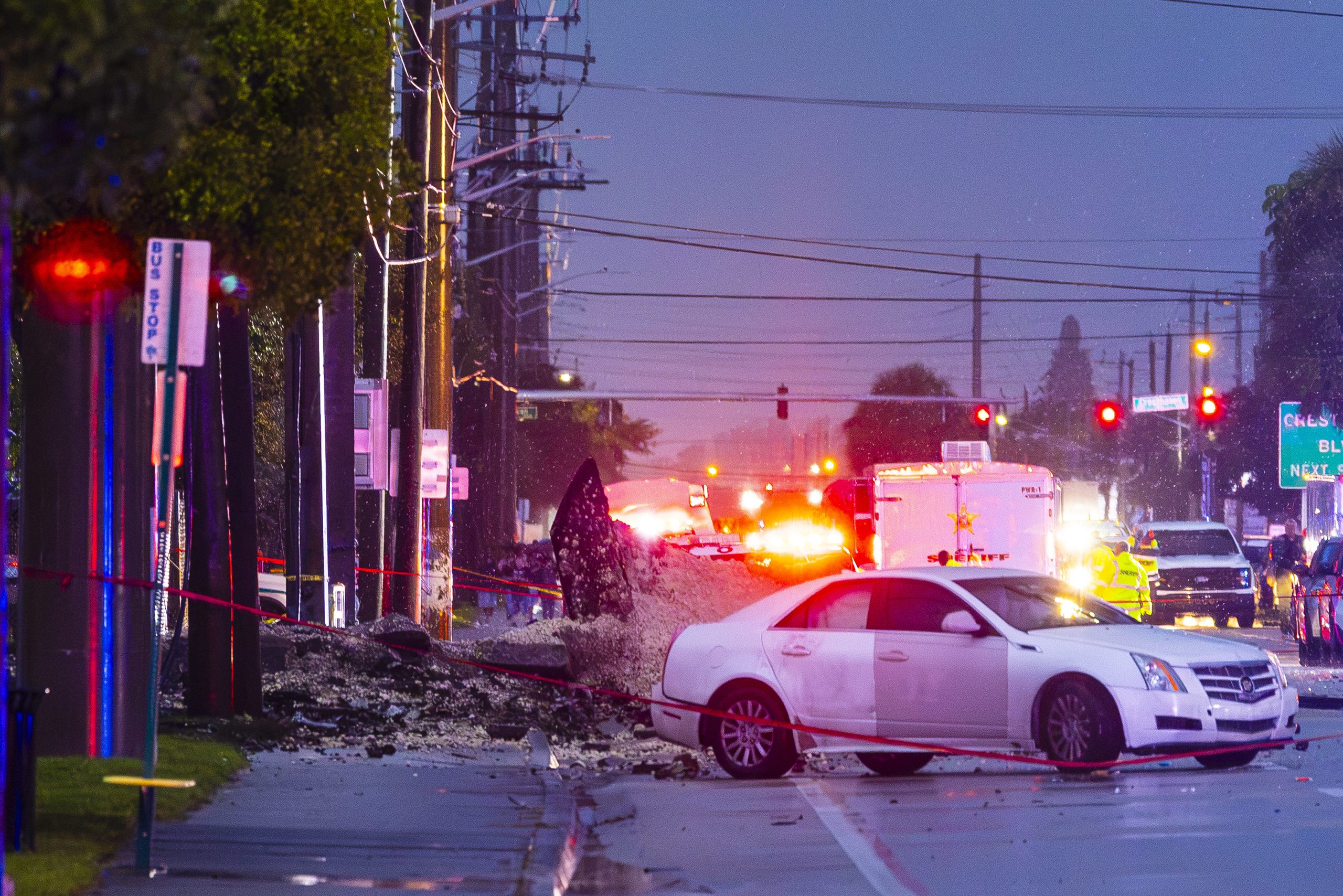
Weather, Icing and Aircraft Control: What Can Be Said Responsibly
Icing is a recognized aviation hazard, especially when aircraft operate in visible moisture at temperatures near or below freezing. Ice can accumulate on wings, stabilizers, propellers, engine inlets, and sensors. Depending on the aircraft type and conditions, it can alter airflow, increase drag, reduce lift, affect sensor readings, or interfere with the movement of control surfaces.
Business jets such as the Learjet 60 are equipped for operations in challenging weather, including systems intended to address ice accumulation. Nevertheless, the presence of de-icing equipment does not mean that icing can never pose a risk. Pilots must follow aircraft-specific procedures, monitor weather conditions, and respond appropriately to warnings or changing performance.
It would be premature, though, to blame icing for any particular crash without verified evidence. Investigators would need to establish the aircraft’s exact route and altitude, atmospheric conditions, temperature data, pilot reports, system status, and the condition of relevant aircraft components. They would also consider other possibilities, including mechanical issues, operational factors, weather-related turbulence, medical events, and other circumstances.
The same caution applies to reports of an engine failure. A loss of engine thrust can affect an aircraft’s ability to maintain altitude, but the way an airplane responds depends on its height, airspeed, configuration, weight, weather, and the number of operable engines. Accident investigators do not draw conclusions solely from the visible trajectory in a brief video.
Understanding the Learjet 60 and Business Jet Safety
The Learjet 60 is a midsize business jet developed by Bombardier Aerospace. It is designed for corporate, charter, and private operations and is powered by two turbofan engines. Like other aircraft in its category, it is subject to FAA certification standards, continuing airworthiness requirements, maintenance rules, and operating regulations.
Aircraft safety is not measured only by individual accidents. Regulators and safety organizations analyze trends across many flights, including maintenance reports, incident data, weather-related events, runway excursions, loss-of-control accidents, and human-factors issues. This work can lead to safety recommendations, updated training guidance, inspection requirements, or changes in aircraft procedures.
The NTSB’s broader safety work has consistently emphasized the importance of loss-of-control prevention, pilot training, weather awareness, sound maintenance practices, and effective risk management. These principles apply across general aviation, charter operations, corporate aviation, and commercial flying.
Why Evacuations and Scene Restrictions Are Important
When an aircraft crashes near homes or populated areas, authorities may order evacuations or restrict access even if there is no immediate confirmed danger to every nearby resident. Such measures can be necessary because of fire, fuel vapors, damaged utility lines, unstable structures, hazardous debris, or the need to preserve evidence.
Residents and bystanders can assist emergency operations by avoiding the area, following local instructions, and not collecting debris. Aircraft fragments may be sharp, contaminated, or essential to the investigation. The NTSB advises members of the public who find possible wreckage to report it to authorities rather than moving it.
Families, local residents, and first responders may also experience distress after an accident. Public discussion should avoid speculation about victims, sharing unverified personal details, or circulating disturbing imagery. Accurate information and respectful language are especially important while authorities notify families and conduct their work.
How to Follow Aviation Accident News Responsibly
In the first hours after an accident, information changes quickly. Flight-tracking websites, video clips, and witness accounts can provide useful context, but they are not substitutes for an official investigation. Readers should look for updates from the NTSB, FAA, local authorities, and established news organizations that clearly distinguish confirmed facts from preliminary reports.
It is also important to be cautious with dramatic claims about speed, altitude, cockpit communications, or suspected equipment failures. Aviation reporting can involve technical language that is easily misunderstood. A report that a crew mentioned turbulence, weather, or a system issue does not by itself establish the cause of an accident.
The central question raised by footage of limited visible wreckage has a straightforward general answer: serious impacts, fires, smoke, debris dispersion, and the limitations of camera footage can all make an aircraft difficult to recognize at the scene. The specific explanation in any individual case can only come from the evidence-based findings of the official investigation.
Sources
- National Transportation Safety Board — Aviation Accident Investigations
- Federal Aviation Administration — Newsroom and Official Updates
- National Transportation Safety Board — Safety Recommendations
- Federal Aviation Administration — Pilot Safety Resources
- BBC News — Aviation and Breaking News Coverage
- Reuters — Verified International News Coverage
Disclaimer: This content is intended for entertainment purposes only and is not based on real events.