Christine Armstrong and the 2014 Tathra Shark Incident

Christine Armstrong’s disappearance during an ocean swim near Tathra, New South Wales, in April 2014 remains a deeply sad event for her family, friends and the local swimming community. The incident drew national attention because it occurred during a familiar group swim route used by experienced ocean swimmers, highlighting both the benefits of coastal recreation and the unpredictable nature of open water.
Reports from the time stated that Armstrong, aged 63, had been swimming with a regular group from Tathra Wharf toward Tathra Beach on the far south coast of New South Wales. She was an experienced swimmer and a long-standing member of the Tathra Surf Life Saving Club. While the exact sequence of events could not be fully reconstructed, authorities treated her disappearance as a shark-related incident after personal swimming equipment and human remains were found in the area.
It is important to approach accounts of the event carefully. Early news reports included distressing and speculative descriptions of what may have happened. The confirmed reality is that a respected local swimmer did not return from the water, leaving a family and community to grieve. Responsible reporting should keep the focus on her life, the evidence available at the time, and practical ocean-safety information rather than sensational language.
A Regular Ocean Swim Near Tathra
Tathra is a small coastal town on the Sapphire Coast of New South Wales, known for its beaches, wharf and strong connection to surfing, swimming and marine life. Its coastline offers spectacular views, but, as with many parts of Australia, it is an open ocean environment where conditions can change quickly.
On April 3, 2014, Armstrong joined fellow swimmers for a route reported to be approximately 600 metres between Tathra Wharf and Tathra Beach. Group ocean swimming is popular because it provides companionship, fitness and an added degree of support in an environment that can include currents, cold water, changing visibility and marine wildlife.
According to contemporaneous media reports, Armstrong told others in the group that she was not feeling well and turned back after swimming part of the route. Other swimmers continued before noticing signs that concerned them, including activity on the water and seabirds above the surface. They returned to shore, initially believing that Armstrong may have already made her way back safely.
When she could not be located, emergency services began searching the area. The following day, searchers found Armstrong’s goggles and swimming cap, along with remains. Police and other officials said at the time that the available evidence was consistent with a shark attack. No definitive public identification of the shark species was made.
What Was Known About the Shark Incident
Public discussion of the Tathra incident often includes claims about the shark’s size and species. However, wildlife investigations can be limited when there is no clear sighting, photographic evidence or physical sample that permits a scientific identification. Authorities and reputable reports can assess circumstances and evidence, but they may not be able to establish every detail with certainty.
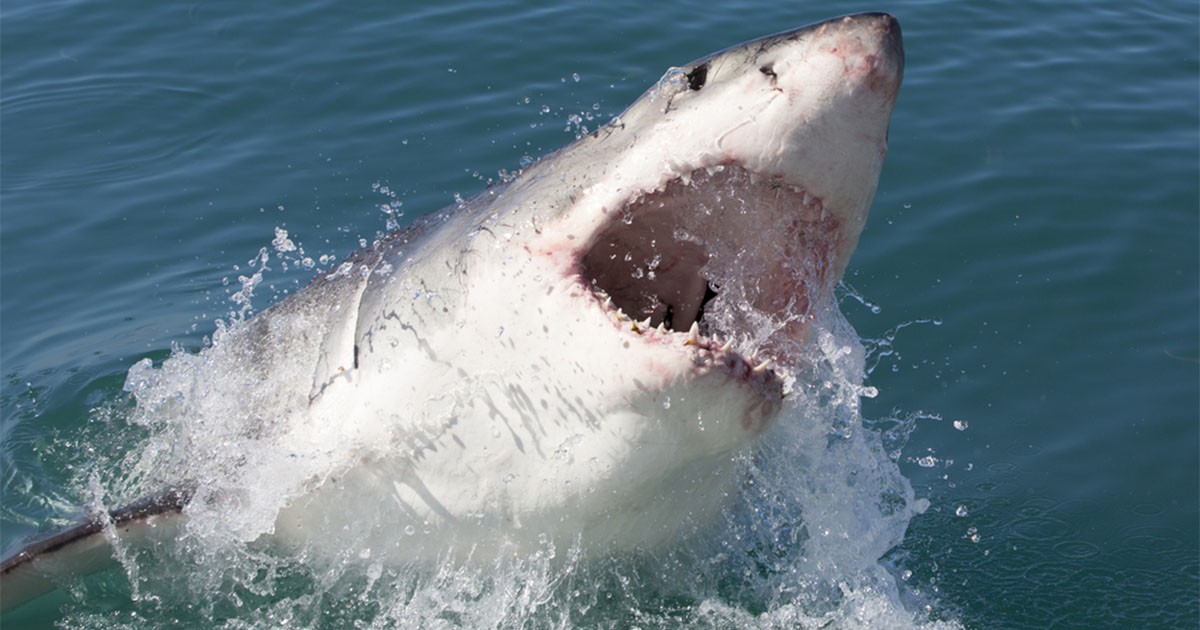
Some reports suggested that a large shark, possibly a great white shark, was involved. Great white sharks are found in Australian waters and are among several large shark species that may travel through coastal areas. Yet “possibly” is an important qualification: the animal involved in this incident was not conclusively identified in publicly available reporting.
Armstrong’s husband, Rob, was also in the water nearby with the group. In comments widely reported after the tragedy, he spoke of his belief that the incident happened very quickly. His words reflected the shock and grief experienced by a family trying to understand an unimaginable loss. They should be understood as the response of a bereaved husband, rather than as a scientific determination of precisely what occurred.
The case also illustrates why authorities increasingly use cautious terminology such as “shark bite incident” or “shark interaction” when discussing marine events. These terms do not diminish the seriousness of a fatality. Instead, they avoid implying motive or certainty where evidence is incomplete. Sharks are wild animals acting within their natural habitat, and most human-shark encounters remain exceptionally uncommon relative to the number of people who enter Australian waters each year.

Remembering Christine Armstrong
For the Tathra community, Christine Armstrong was far more than the subject of a news story. She was described by the Tathra Surf Life Saving Club as an experienced and committed member whose involvement in swimming brought friendship and enjoyment. Local surf clubs often form close communities, bringing together volunteers, athletes, families and people who share a respect for the sea.
Her death was especially painful because she was participating in an activity she knew well. Experience is valuable in open-water swimming, but it cannot remove every risk associated with the natural environment. This is true not only of wildlife encounters but also of rips, waves, weather changes, fatigue, medical emergencies and reduced visibility.
In the years since 2014, the story has resurfaced periodically online, sometimes accompanied by dramatic descriptions that go beyond what can be verified. Such renewed attention can be upsetting for relatives and local residents. A respectful account recognises that a real family continues to live with the consequences of loss, and that online interest should not turn a tragedy into entertainment.
Shark Encounters in Australia: Risk and Reality
Australia has a long coastline and a strong beach culture, so shark sightings and incidents naturally receive considerable public attention. However, the overall risk to an individual swimmer remains low. Millions of people visit Australian beaches, surf, dive, fish and swim each year without a shark encounter.
According to shark research organisations and government agencies, the likelihood of an incident varies by location, season, water conditions and activity. Surfing, swimming, diving and spearfishing each involve different patterns of movement and time spent in the water. Researchers continue to study shark movement, habitat use and the environmental factors that may affect where sharks are found.
Great white sharks, tiger sharks and bull sharks are commonly discussed in Australian shark-safety guidance because they are large species that can occur in coastal waters. But their presence does not mean that an incident is likely. Sharks play important roles in marine ecosystems, and most species pose little or no danger to people.
Scientists caution against viewing sharks as deliberate predators of humans. Sharks do not routinely seek out people as prey. In rare cases, an animal may investigate an unfamiliar object, respond to environmental cues, or be present in an area where people are swimming. The reasons for a particular interaction are often impossible to know with certainty.
This scientific perspective matters because fear can lead to calls for broad measures that may not be effective or may harm marine ecosystems. Australian governments and researchers have instead explored a combination of surveillance, education, beach patrols, shark-reporting systems, drones, tagged-shark monitoring and, in some locations, shark nets or other approaches. Each measure has limitations, and policies are regularly debated by scientists, coastal communities and conservation advocates.
How Beach Safety Systems Work
Beach safety in Australia involves many organisations, including local councils, state agencies, lifesaving clubs and emergency services. Lifeguards and volunteer lifesavers monitor popular beaches, communicate changing conditions and respond to a broad range of emergencies. Their work covers far more than shark safety, including rescues from rip currents and assistance for swimmers in difficulty.
When a shark is sighted near a patrolled area, beach authorities may clear the water temporarily while they assess the situation. The appropriate response depends on the species, location, behaviour of the animal and the availability of reliable information. Closures are precautionary measures designed to reduce risk while authorities monitor conditions.
Technology can provide useful information but cannot guarantee a shark-free ocean. Drone programs may help lifeguards observe marine animals in clear conditions. Acoustic receivers can detect tagged sharks that pass nearby, but only a small proportion of sharks carry tags. Aerial patrols, public sighting reports and warning signs are additional tools, yet the ocean remains a vast and changing environment.
Practical Advice for Open-Water Swimmers
People can reduce, though never eliminate, the risks associated with ocean swimming by following local advice. The most reliable recommendation is to swim at patrolled beaches and between the red and yellow flags when they are displayed. Lifeguards and lifesavers are familiar with local conditions and can provide current guidance.
Swimmers should avoid entering the water when authorities have issued warnings or when beaches are closed. It is also sensible to stay out of murky water, river mouths and channels after heavy rain, and to avoid swimming near fishing activity, schools of baitfish, seals or marine animal carcasses. These conditions can attract marine predators or make it harder to see hazards.
Swimming with others is generally safer than swimming alone, particularly in open water. A group can notice if someone is struggling, call for assistance and help ensure that swimmers remain accounted for. Still, group swimming does not make any natural setting entirely risk-free. Swimmers should consider their own health, fitness, fatigue level and the day’s weather and water conditions.
People who feel unwell before or during a swim should tell others and leave the water safely where possible. This advice is relevant to many water-related hazards, not just shark safety. Carrying a brightly coloured float, using appropriate visibility gear, checking forecasts and notifying someone of a planned route can also support safer open-water swimming.
A Community’s Lasting Loss
The 2014 Tathra incident is a reminder that coastal communities balance a love of the sea with an awareness of its uncertainties. For swimmers, surf lifesavers and local residents, the ocean is a source of exercise, work, recreation and connection. It is also a natural environment that deserves preparation and respect.
Christine Armstrong’s memory should be considered first through the people who knew her: her family, friends and fellow club members. The public record describes a committed swimmer and valued member of her community. Recounting the event responsibly means preserving that human context and avoiding claims that cannot be supported by evidence.
Ocean safety education, timely official alerts and a calm understanding of relative risk can help people make informed decisions. They cannot erase the sadness of rare tragedies, but they can support safer enjoyment of Australia’s remarkable coastline while recognising the importance of marine conservation and respectful public discussion.
Sources
- ABC News — Australian public broadcaster reporting and regional news coverage.
- Surf Life Saving Australia — beach safety information and lifesaving guidance.
- NSW SharkSmart — New South Wales shark-information and beach-safety resources.
- NSW Department of Primary Industries — information on sharks, marine management and the NSW Shark Management Program.
- CSIRO — Australian scientific information about sharks and marine ecosystems.
- BBC News — international news reporting and background coverage.
Disclaimer: This content is intended for entertainment purposes only and is not based on real events.