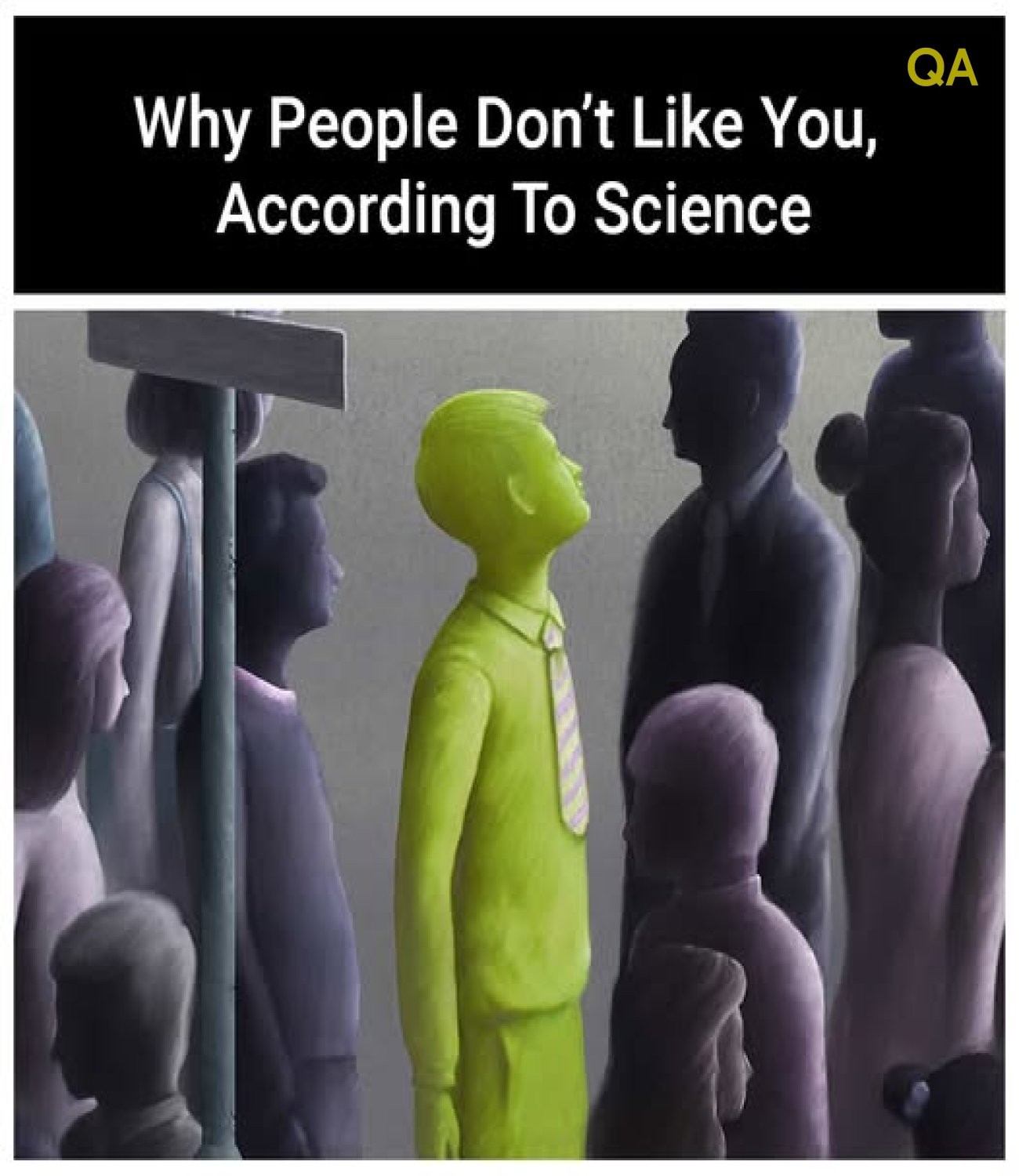
9 Reasons Why People Don’t Like You
As humans, the desire to be accepted and feel a sense of belonging is deeply ingrained in our social nature. When we perceive that others do not like us, it can lead to confusion and concern regarding our social interactions. While it is natural that not everyone will form close bonds or express approval, noticing a pattern where most people are less accepting can signal behaviors or attitudes worth examining. This article explores the most common reasons why people might not respond positively and provides insights, context, and scientific perspectives to help improve your social skills and enhance your relationships.
Social disconnection is not necessarily a reflection of your character or value; instead, it may be a byproduct of social dynamics, individual behavior, or external circumstances that affect how people perceive and interact with each other. Recent global events, such as lockdowns and periods of social distancing, have disrupted many people’s social rhythms, making it even more important to self-reflect and adapt. Identifying the factors that contribute to negative perceptions can empower you to make constructive changes and foster better connections.

Understanding Social Acceptance and Human Behavior
Research in psychology and social neuroscience confirms that acceptance is essential for mental well-being. According to the National Institutes of Health, social exclusion activates similar neurological pathways as physical pain, demonstrating how deeply rejection can impact individuals. People who struggle with social acceptance may experience lower self-esteem, withdrawal, or stress, making it crucial to understand the root causes behind such struggles.
To aid self-improvement, books like The Like Switch: An Ex-FBI Agent’s Guide to Influencing, Attracting, and Winning People Over offer practical strategies to become more likable and positive in social settings. These resources are aligned with scientific understanding of interpersonal relationships, emphasizing behaviors that support mutual respect and connection.
Common Reasons Why People May Not Respond Positively
1. Talking Too Much
Being conversational is valuable, but dominating conversations often alienates others. According to Harvard research (2016 study), active listening helps build rapport and trust, whereas excessive talking suggests self-centeredness and may prevent others from expressing themselves. Social scientists recommend balancing contributions in conversation and practicing attentive listening to foster inclusive communication.
2. Chronic Complaining
Consistently focusing on negatives can drive others away. People are naturally attracted to optimism and emotional resilience. Habitual complaining, as outlined in research published in Psychology Today, is linked with stress and can affect group morale. Being mindful of language and shifting towards solutions or gratitude helps establish a more positive presence. Suggestions from Dale Carnegie’s timeless How to Win Friends and Influence People include seeking positives and offering encouragement, which are vital for winning people over.
3. Speaking Negatively About Others
Gossip and disparagement create mistrust within social circles. Ethically, gossip is frowned upon and, according to studies from the University of Illinois, harms reputation and destroys group cohesion. People often assume that someone who speaks ill of others may do the same behind their back. Avoiding gossip and practicing empathy is recommended. Carnegie’s book also stresses empathy and positive communication for nurturing enduring relationships.
4. Interrupting Others
Frequent interruptions communicate disregard for others’ opinions and damage relationships. According to a 2012 University of California study, interruptions can lead to perceived disrespect and exclusion from conversation. To build better connections, it is vital to wait for others to finish speaking and demonstrate respect by acknowledging their input. Resources like Influence: The Psychology of Persuasion offer guidance on effective interpersonal communication.
5. Know-It-All Attitude
Belief superiority, or assuming you are always right, discourages engagement and cooperation. Social psychology research suggests that collaboration thrives when individuals remain open-minded and receptive to others’ ideas. Additionally, humility is identified as a desirable trait in leadership and group settings. If you frequently insist on your view, it is recommended to examine your approach, allow for alternative perspectives, and be willing to admit mistakes when necessary.
6. Showing Off or Bragging
Boasting about achievements, possessions, or talents can alienate peers. The principle of humility, as outlined in influential works on social behavior, emphasizes that understated confidence is more effective in attracting respect. According to research from Stanford University, excessive self-promotion often backfires, leading to perceptions of arrogance. Instead, humility and gratitude are associated with stronger and more authentic relationships.
7. Being Judgmental
Judging others harshly or holding them to impossible standards is a common reason for social distancing. Constructive criticism is valuable, but unsolicited negative feedback is rarely well-received. Positive psychology emphasizes the importance of compassion and encouragement over criticism. When interacting with others, offering praise and being supportive makes you more approachable and trustworthy. “Captivate: The Science of Succeeding with People” expands on the science behind social perceptions, recommending behaviors that foster acceptance rather than criticism.
8. Controlling Behavior
Attempts to micromanage or control friends, colleagues, or loved ones disrupt harmony. Friendships and relationships require compromise and flexibility. Studies by the Mayo Clinic show that controlling behaviors are correlated with higher levels of interpersonal conflict and lower satisfaction in relationships. Practicing compromise, granting autonomy, and seeking common ground are cornerstones of strong relationships.
Vanessa Van Edwards’s research-based book, Captivate: The Science of Succeeding with People, offers practical advice for becoming more engaging, emphasizing behavioral flexibility and mutual respect as keys to social success.
9. Playing the Blame Game
Habitually shifting responsibility to others creates resentment and mistrust. Taking ownership of actions and admitting mistakes is vital for personal growth and demonstrates emotional maturity. Psychology studies confirm that accepting responsibility supports conflict resolution and encourages others to trust and support you. Individuals who avoid responsibility risk being perceived as having a victim complex, which is detrimental to building supportive networks.
Improving Social Skills and Building Better Relationships
Developing effective social skills requires self-awareness, adaptability, and ongoing practice. Leading experts recommend several actionable steps:
- Active Listening: Pay close attention to others when they speak, demonstrate understanding, and offer thoughtful responses.
- Maintain Positivity: Counter negative attitudes with optimism and solution-driven thinking.
- Practice Empathy: Consider others’ perspectives and communicate compassionately.
- Encourage Others: Offer genuine encouragement and acknowledge achievements without judgment.
- Compromise: Strive for balanced outcomes that respect everyone’s interests.
- Take Responsibility: Admit mistakes and learn from them to foster trust.
International and Societal Perspectives
Social dynamics differ across cultures, but fundamental principles of mutual respect, empathy, and humility are universal. In collectivist societies, emotional harmony and group cohesion are prioritized, so behaviors such as domination, negativity, or judgment have stronger negative repercussions. Individualist societies value assertiveness, but respect for autonomy and open-mindedness remains essential. Global studies from organizations such as the World Health Organization and Centers for Disease Control and Prevention show that mental and emotional health are closely linked with the quality of social relationships.
Overcoming social barriers requires not only individual change but also societal support. Educational programs, counseling, and community initiatives all play a role in strengthening social acceptance and reducing the impact of exclusion.
Expert Views on Social Connection
Leading psychologists and sociologists agree that fostering positive relationships relies on emotional intelligence, humility, and adaptability. According to Dr. Robert Cialdini (Influence: The Psychology of Persuasion), the principles of social influence should be used ethically to connect, not manipulate or dominate. Emotional intelligence, as outlined by Daniel Goleman (BBC feature), supports self-regulation and empathy, which are critical for building long-lasting bonds.
Practical advice from experts includes:
- Reflecting regularly on your behavior and the feedback you receive from others.
- Seeking out resources and education to develop social skills.
- Practicing openness and vulnerability in relationships.
- Valuing diversity and being mindful of cultural differences.
Conclusion
Recognizing the reasons why people may not respond positively to you is the first step in personal and social growth. By adopting evidence-based practices, staying mindful of how your behavior affects others, and striving for genuine connection, you can nurture stronger, more positive relationships. Improving social skills is a lifelong journey—anchored in self-awareness, empathy, and the values of respect and responsibility.
If you are seeking in-depth guidance or further resources, consider consulting the books referenced throughout this article. The recommendations are based on credible research and expert opinion, providing actionable strategies for becoming more likable and influential in various social contexts.

Sources
- Reuters
- BBC
- The Guardian
- Al Jazeera
- World Health Organization (WHO)
- Centers for Disease Control and Prevention (CDC)
- Mayo Clinic
Disclaimer: This content is intended for entertainment purposes only and is not based on real events.