
Cancer Rates Among Gen X and Millennials: Rising Incidence and Underlying Factors
Recent scientific studies have drawn significant attention to the shifting landscape of cancer incidence in the United States. In particular, a new comprehensive analysis has revealed an alarming rise in cancer rates among Generation X and Millennial populations. Compared to individuals born in 1955, data highlighted that these newer cohorts are two to three times more likely to be diagnosed with cancer and are at an increased risk for 17 types of cancer. The trend presents critical implications for public health, medical care systems, and the design of future preventive strategies. This article explores the scientific background, current findings, potential causes, and future outlook regarding this pressing issue.
The Growing Burden of Cancer in Younger Generations
Several research efforts over the past years have attempted to map cancer risks across different generations, but the most recent studies offer the most comprehensive picture yet. In 2019, researchers first observed increases in eight types of cancer in younger adults, but these analyses did not fully account for birth-year-specific risks and mortality rates. This newly published study bridges that gap, measuring both cancer incidence and mortality in relation to generational birth years for a clearer assessment of risk dynamics over time.

The evidence suggests that early-life exposure to various carcinogenic factors has a profound impact, with younger generations experiencing higher cancer rates not simply due to better diagnostic tools or increased screening. Instead, real risk factors appear to have intensified for Gen X and Millennials, particularly for individuals currently under the age of 50. Experts postulate that, barring major intervention or lifestyle change, these increased risks will likely persist as these populations age, progressively amplifying the national cancer burden in the coming decades.
Detailing the 17 Cancer Types on the Rise
The research leveraged data from 23,654,000 cancer-diagnosed individuals and 7,348,137 documented cancer deaths, focusing on diagnoses and fatalities between 2000 and 2019. Among the 34 types of cancer analyzed, incidence rates of 17 showed significant increases in Generation X and Millennials. These cancer types span several organ systems and can affect both men and women, emphasizing that the trend is broad-based rather than restricted to a single cancer or demographic group.
- Small intestine
- Cardia gastric (upper stomach)
- Ovary
- Estrogen receptor-positive breast cancer
- Non-HPV-associated oral and pharynx cancers (in females)
- Liver and intrahepatic bile duct cancers (in females)
- Kaposi sarcoma (in males)
- Anus (in males)
- Colorectal cancer
- Endometrial cancer
- Gallbladder and other biliary tract cancers
- Pancreatic cancer
- Kidney and renal pelvis cancers
- Myeloma
- Non-cardia gastric cancer (lower stomach)
- Leukemia
Several of these cancers—most notably colorectal, kidney, pancreatic, and endometrial cancers—have been the focus of parallel epidemiological studies due to their increasingly frequent diagnosis in younger age groups, strengthening the credibility and urgency of these findings.
Incidence and Mortality Trends: Beyond Just Better Detection

A striking aspect of this work is the clear evidence that rising cancer rates are not exclusively an artifact of enhanced screening or diagnostic methods. While improved awareness and diagnostic technology do contribute to more cancer cases being identified earlier, the magnitude of the increase exceeds what would be expected from improved detection alone.
The study reported especially strong trends in pancreas, kidney, renal pelvis, thyroid, and small intestine cancers. Mortality rates also rose significantly for several cancer types, including liver, endometrial, gallbladder, testicular, and colorectal cancers—a finding that underscores the clinical seriousness of the epidemic. According to researchers, the rapid increase in new diagnoses and deaths points to a true escalation in cancer risk at the population level, not just in the figures produced by screening.
The implications here resonate far beyond statistics. When cancer incidence outpaces advances in medical treatment, health systems face greater strain to care for larger populations of younger cancer patients alongside ongoing efforts for older age groups.
Investigating Causes: Obesity, Environment, and Lifestyle
While the comprehensive study mapped trends, its design did not directly identify the causes of the observed increases. Nonetheless, researchers and epidemiologists have underlined several factors likely contributing to these patterns.
Obesity is singled out as one of the most significant and modifiable risk drivers. In the United States, rates of overweight and obesity have escalated dramatically across all age groups since the 1970s. The trend is particularly evident among children and teenagers aged 2–19, suggesting that unhealthy weight begins early and accumulates over a lifetime. Notably, obesity is linked to at least 10 of the 17 cancer types featured in the study.
Environmental pollution is another area of concern. Widespread exposure to endocrine-disrupting chemicals, air pollutants, industrial solvents, and pesticides has evolved over recent decades. Though definitive links are still being established, growing evidence connects these exposures to increased cancer risks.
Additional factors include changes in sleep patterns, reduced physical activity, chronic stress, and a more sedentary lifestyle, all of which interact with genetic and metabolic processes and could cumulatively elevate cancer risk.
Gut Microbiome: The Diet-Cancer Connection
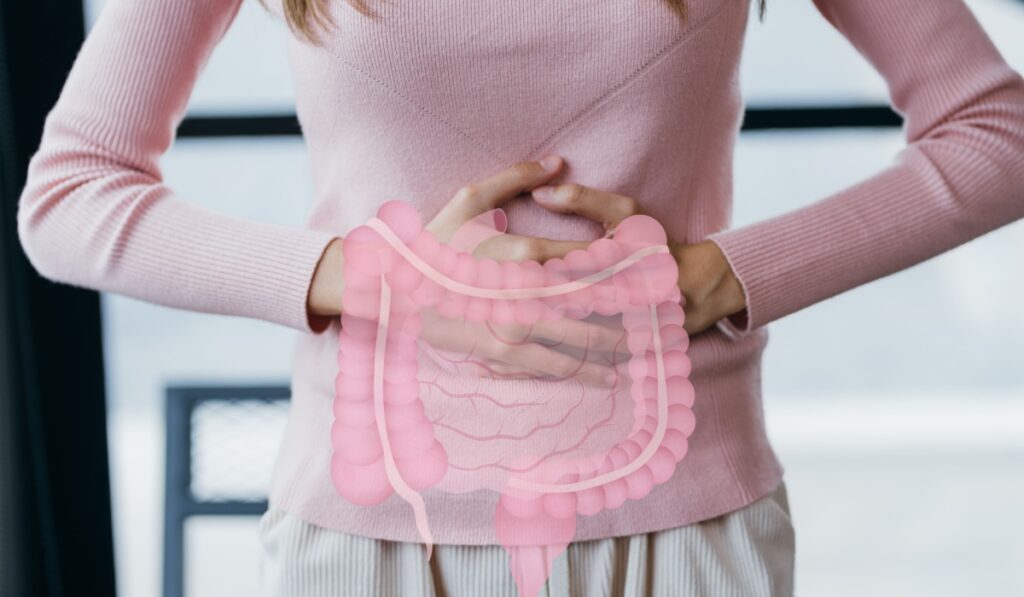
Dietary patterns have shifted dramatically in affluent countries, typified by the so-called “Western diet”—high in ultra-processed foods, sugars, saturated fats, and refined grains. These foods are associated with obesity and, independently, with increased risk for cancers of the gastrointestinal tract and breasts. Studies establish direct links between such diets and higher rates of colorectal and breast cancer.
Importantly, some cancers rising in incidence, such as small intestine and some forms of oral and pharyngeal cancers, are less directly tied to obesity. This implies other mechanisms are also at play. One leading hypothesis is the impact of diet and medication (notably antibiotics) on the gut microbiome—the complex ecosystem of bacteria and other microbes living in the gastrointestinal tract. Disruptions to the microbiome may promote inflammation, impair immune responses, and ultimately increase susceptibility to cancer. Researchers emphasize the need for more extensive studies to tease apart these relationships and identify actionable prevention strategies.
Progress and Hope: Declines in Certain Cancer Types

Despite the concerning rise in many cancers, there are bright spots in the data that illustrate the power of public health interventions. For instance, incidence of cervical cancer has dropped among women born around 1990. This decline is directly attributable to the introduction and uptake of HPV vaccination, which became widely available as this cohort reached adolescence.
Smoking cessation campaigns offer another major public health victory. Steadily declining rates of cigarette use have yielded falling rates of lung, larynx, and esophageal cancers, particularly among younger adults. Moreover, early detection methods for several cancers, including breast and colorectal cancers, have helped reduce mortality rates, ensuring better outcomes for those diagnosed at earlier stages. While these interventions have not been sufficient to neutralize the overall increase in cancer incidence, they serve as proof that collective action at the population level can make a measurable difference.
Expert Perspectives and International Context
Public health officials and cancer experts globally agree that the trends seen in the United States may foreshadow similar patterns worldwide as countries adopt Westernized diets and lifestyles. According to the World Health Organization (WHO) and the Centers for Disease Control and Prevention (CDC), middle- and high-income countries across Europe, Asia, and Oceania are reporting comparable upticks in early-onset cancers.
Epidemiologist Dr. Hyuna Sung, lead author of the landmark study published in The Lancet, notes that “the causes are likely multifactorial, reflecting deep-rooted changes in the environment, behavior, and social determinants of health over recent decades.” Dr. Sung and colleagues urge major investments in primary prevention—especially among children and teenagers—to reverse the increasing incidence.
Beyond prevention, there is an urgent need to adapt healthcare resources and screening guidelines for younger populations. Cancer is often not suspected in adults under 50, potentially delaying diagnosis and treatment.
Internationally, responses now include calls for greater regulation of harmful food additives, the design of urban spaces that promote physical activity, and broader environmental protections to limit harmful chemical exposures. Partnerships among governments, civil society, and private industry are vital to addressing this multifaceted risk.
Conclusion: Charting the Way Forward

The emergence of higher cancer incidence in Generation X and Millennials marks a significant public health challenge with roots in lifestyle, environmental exposures, and societal change. Scientific understanding of these multifactorial risks is rapidly evolving, making it essential for individuals to stay informed about cancer prevention, screening, and treatment options.
The positive example set by falling rates of cervical and smoking-related cancers demonstrates that the burden of cancer can be reduced through targeted, evidence-based interventions. However, to reverse the disturbing trends in other cancer types, coordinated national and international efforts are needed that address food systems, environments, and lifestyle choices from early childhood onward. As research continues to unfold, a commitment to healthier living and robust public health policies offers the best hope of reversing generational trends and promoting wellness for all.
Sources
- NCBI – Cancer Prevention with Nutrition and Lifestyle
- The Lancet – Differences in cancer rates among adults born between 1920 and 1990 in the USA
- NCBI – The importance of addressing early life environmental exposures in cancer epidemiology
- RGA – Western Lifestyle, Global Problem: Rising Rates of Cancer in the Young
- CDC – Early-Onset Cancers
- WHO – Cancer Fact Sheet
Disclaimer: This content is intended for entertainment purposes only and is not based on real events.