
Does Drinking Water on an Empty Stomach in the Morning Have Extra Health Benefits?
Many health trends and wellness tips circulate about the best ways to hydrate, including widely shared advice to drink a glass of water first thing in the morning, especially on an empty stomach. Claims range from improved digestion to accelerated detoxification and even enhanced mental performance. But do these assertions have a strong scientific foundation, or are they more the product of popular belief than real evidence? In this article, we dive deeply into the current research and expert perspectives to reveal the real relationship between hydration, timing, and health benefits.
Understanding the Morning Hydration Trend
According to numerous social media posts, health blogs, and online challenges, drinking water upon waking is presented as a powerful health hack. Often, the ritual is described as uniquely beneficial when practiced before eating or consuming any other beverage. Proponents claim a long list of advantages such as toxin elimination, kick-starting metabolism, and improving cognitive function right from the start of the day.
However, the current consensus among health experts and researchers is that these claims are largely overstated. While there is no doubt that proper hydration is essential to overall health, evidence demonstrates that the timing of your water intake is much less important than maintaining consistent hydration throughout the day.
The Essential Role of Water in Human Health
Humans cannot produce sufficient water through metabolism alone to meet daily needs, making regular consumption from food and beverages essential. Virtually every tissue and organ in the human body relies on water for optimal performance. Key roles of water include:
- Transporting nutrients and oxygen to cells
- Regulating body temperature through sweating and respiration
- Lubricating joints and maintaining optimal function of mucous membranes
- Helping organs act as shock absorbers for daily physical movement
Dehydration poses significant risks, from minor symptoms like fatigue, poor concentration, and diminished physical performance, to serious outcomes such as kidney damage, heat-related illnesses, and in severe cases, organ failure and death. Given the importance of water, it is not surprising that people seek strategies to maximize its health benefits. However, confusion abounds regarding optimal habits, including the precise amount and timing of water consumption.
Myth #1: Drinking Water on an Empty Stomach Removes Toxins
One of the most widespread beliefs is that drinking water first thing in the morning acts as a detoxifying agent. The rationale is that water on an empty stomach can flush toxins more effectively, thus maximizing organ function and promoting rapid “cleansing” of the system.
Scientific evidence does not support this claim. The kidneys are the body’s primary filtration system, constantly working to eliminate waste and manage fluid balance through urine production. Adequate hydration is necessary for kidneys to function optimally, yet the time at which the water is consumed does not alter this process. Whether you drink water at dawn, midday, or night, your kidneys will filter your blood and regulate urine production as long as they have a sufficient fluid supply.
Another related myth concerns the color of morning urine. While it’s true that urine may appear darker after a night’s sleep, this is attributed to natural concentration, as no water is consumed overnight and the bladder isn’t emptied. Studies have shown that darker color in the morning does not necessarily indicate serious dehydration; it’s simply a reflection of less frequent urination during sleep hours.
Myth #2: Drinking Water Before Breakfast Helps You Lose Weight
The association between water intake and weight loss is another popular topic, with claims that drinking water on an empty stomach reduces appetite, thereby promoting weight loss and supporting caloric restriction. Some nutritional experts suggest that water preloads the stomach, leading to an earlier feeling of fullness and consequently reducing food consumption at subsequent meals.
Research provides nuanced insights on this subject. Certain studies have indicated that drinking water before meals may help reduce calorie intake in older adults, likely because the sensation of fullness develops faster. However, this effect is not consistent across age groups, and there is scant evidence to suggest that drinking water before breakfast alone leads to significant, sustained weight loss in the general population.
Water does possess a mild thermogenic effect—the body expends energy to bring ingested water to body temperature, temporarily boosting metabolic rate. Although some studies record an increase in metabolic rate by 24-30% for about an hour after drinking water, this effect is not exclusive to the morning or to consumption on an empty stomach. The potential for water-induced thermogenesis to drive significant weight loss is minimal when considered against broader factors such as total dietary intake, exercise, and genetics.
Myth #3: Drinking Water First Thing Improves Mental Performance
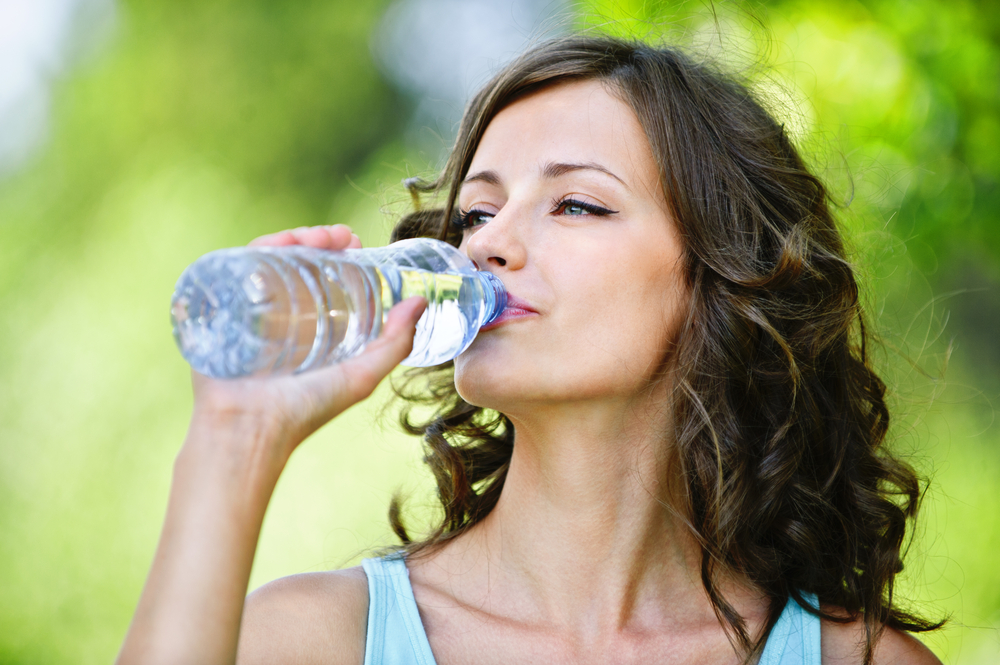
Another common assertion suggests that starting the day with water sharpens focus and boosts mental clarity. The relationship between hydration and cognitive function is real—mild dehydration can impair concentration, memory, and mood—but evidence does not indicate that the morning holds special advantages in this context.
Scientific studies have demonstrated that cognitive deficits from dehydration are reversible once normal hydration levels are restored. The most important factor for brain function is consistent hydration overall, not specifically drinking water at sunrise or before meals. Therefore, for anyone wishing to support mental performance, focusing on regular water intake throughout the day is more effective than relying on timing alone.
The Science of Hydration: What Really Matters
Individual Hydration Needs
The amount of water a person needs daily varies considerably based on:
- Age and biological sex
- Level of physical activity
- Environmental and climatic conditions
- Type of diet—including water-rich fruits and vegetables versus processed foods
- Overall health and the presence of certain illnesses or medications
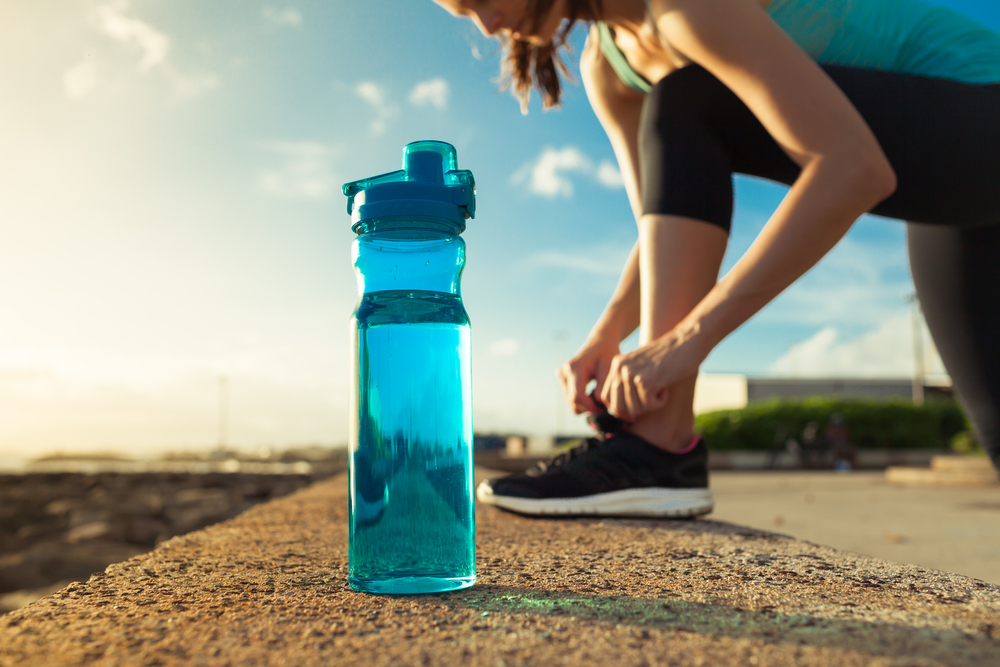
Individuals engaging in intense exercise or living in hot, humid environments will have increased water needs to compensate for the loss of fluids through sweat. Activities like endurance sports or heavy labor outdoors amplify moisture loss, while recovery and muscle repair post-exercise also require enhanced hydration. Dietary choices play a role as well; diets high in fresh produce contribute more water, whereas processed foods tend to be dehydrating and less hydrating overall.
As people age, thirst perception may decline, and older adults may require conscious strategies to maintain healthy hydration. Medical conditions such as kidney disorders, diabetes, and certain medications may also increase or reduce the need for water intake, reinforcing the importance of tailoring hydration habits to individual circumstances rather than following one-size-fits-all advice.
Maintaining a Balanced Approach: Practical Hydration Tips

Rather than focusing on a singular ritual, the best strategy for optimal health is maintaining a well-hydrated state at all times. This means listening to your body’s thirst signals, monitoring urine color (which should be pale yellow), and adjusting intake based on daily activity and environmental demands.
Individuals who find that a morning glass of water helps establish positive habits should feel free to continue, as personal routines can support overall consistency. However, the health impact does not depend on the water being consumed strictly on an empty stomach or at a set time of day. The body’s hydration systems adapt flexibly to patterns of intake, so long as total daily needs are met.
Overhydration, though rare, is also possible, especially with excessive intake during strenuous activities without appropriate electrolyte replacement. In situations involving profuse sweating (such as heavy exercise or working outdoors in heat), additional electrolyte-rich fluids may be needed to replace sodium and potassium losses, rather than relying on water alone.
Ultimately, finding a hydration routine that fits your lifestyle, environment, and physical demands—and sticking with it consistently—will yield the greatest health benefits, regardless of whether you drink your first glass of water before, with, or after breakfast.
Expanding the Global Conversation: Cultural Trends and Health Policy
The conversation surrounding hydration is global, with different cultures endorsing distinctive practices related to water intake. For example, some traditional medicine systems recommend warm water in the morning, while others emphasize sipping water throughout the day rather than in large quantities at meals. These customs are often based on centuries of observation, and while not always validated by contemporary research, they reflect the universal recognition of water’s importance in human health.
Meanwhile, public health organizations such as the World Health Organization (WHO) and the Centers for Disease Control and Prevention (CDC) focus on increasing access to clean, safe water and educating communities about the basics of hydration, rather than promoting specific schedules. Their consensus affirms that safe, adequate hydration prevents a range of acute and chronic illnesses, and should be tailored to the individual’s context rather than dictated by broad myths or viral fads.
As research on hydration science evolves, international guidelines continue to encourage a balanced approach, urging individuals to respond to thirst, monitor for signs of dehydration (such as dry mouth, infrequent urination, or dark-colored urine), and consult healthcare professionals if they have special needs due to age, health status, or climate.
Conclusion: Evidence-Based Hydration Habits
The belief that drinking water on an empty stomach in the morning offers unique health benefits is not substantiated by scientific evidence. While water is crucial for every aspect of physical and cognitive functioning, its health effects depend on consistent intake throughout the day—not on ritualized morning consumption. Understanding the individual variability in hydration needs, and relying on credible scientific research, is key to forming healthy, sustainable habits. By focusing on what is proven—listening to your body’s cues, consuming water-rich foods, managing intake according to activity and climate, and avoiding both dehydration and overhydration—you can support optimal health and well-being for the long term.
Sources
- Water as an Essential Nutrient: The Physiological Basis of Hydration – NCBI
- Water, Hydration and Health – NCBI
- Human Hydration Indices: Acute and Longitudinal Reference Values – NCBI
- The Impact of Water Intake on Energy Intake and Weight Status: A Systematic Review – NCBI
- Water Consumption Reduces Energy Intake at a Breakfast Meal in Obese Older Adults – NCBI
- Water Drinking Induces Thermogenesis through Osmosensitive Mechanisms – NCBI
- Hydration and Cognitive Performance – NCBI
- Water, Hydration and Health – NCBI
- The Water Myth – McGill University
- Get the Facts: Drinking Water and Intake Recommendations – CDC
- Drinking-water – World Health Organization
Disclaimer: This content is intended for entertainment purposes only and is not based on real events.