
Natural Remedies for Age Spots, Moles, Skin Tags, Warts, and Blackheads
Skin health is a vital aspect of overall well-being, and many people experience common skin concerns throughout their lives. Issues such as age spots, moles, skin tags, warts, and blackheads affect millions globally, often leading to discomfort or self-consciousness. While professional medical treatments provided by dermatologists are highly effective, natural skincare solutions are increasingly popular due to their affordability, accessibility, and reputation for causing fewer side effects. This article provides a comprehensive, science-backed guide on using natural remedies for various skin concerns, integrating expert analysis, safety considerations, and insights into societal trends in skin care.
Understanding Common Skin Issues
Before exploring natural remedies, it is essential to understand these skin concerns and their typical causes.
- Age Spots & Hyperpigmentation: These are flat, darkened patches of skin, usually appearing on sun-exposed areas due to cumulative sun damage or aging.
- Moles: Usually benign growths of pigment-producing skin cells, sometimes requiring monitoring for potential malignant changes.
- Skin Tags: Small, soft, benign growths typically forming where skin rubs together, such as the neck or underarms.
- Warts: Caused by the human papillomavirus (HPV), warts are contagious, rough-surfaced growths.
- Blackheads: Open comedones resulting when hair follicles become clogged with dead skin and sebum, turning dark upon contact with air.
Whether driven by cosmetic preferences or health monitoring, safe management of these conditions is important. Natural remedies, when used appropriately, can provide gentle alternatives or supplements to conventional care.
Addressing Age Spots and Hyperpigmentation Naturally
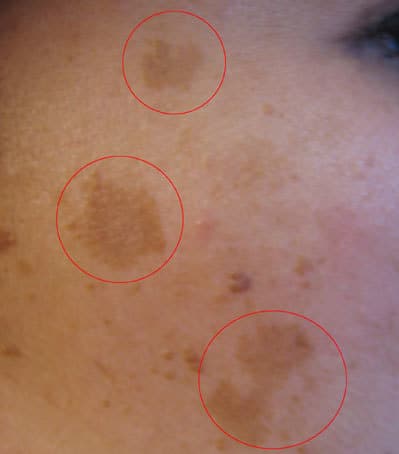
Age spots, medically known as solar lentigines, result from prolonged exposure to ultraviolet (UV) rays, which accelerate melanocyte activity and result in localised increases in pigment (melanin). Age spots commonly develop after the age of 40, particularly in fair-skinned individuals. According to dermatologists, prevention through daily sunscreen use (SPF 30 or higher), protective clothing, and sun avoidance remains the first line of defense.
Natural Components for Fading Age Spots
- Apple Cider Vinegar (ACV): Contains acetic acid, which has mild exfoliating properties. Studies suggest that regular application of a diluted ACV solution (one part ACV to at least two parts water) may gradually lighten hyperpigmented patches. Patch-testing is essential to avoid irritation.
- Aloe Vera: The compound aloin in aloe vera gel has been reported in small studies to reduce excessive pigmentation. Applying pure aloe vera gel nightly may result in gradual improvement.
- Green Tea Extract: Green tea polyphenols possess antioxidant and anti-inflammatory properties. Application of green tea extract serums may suppress melanin production; efficacy is best supported by following reputable product guidelines.
- Black Tea: Though large-scale human data are lacking, some animal research suggests that topical use of black tea may lighten dark spots because of its tannin content.
- Licorice Extract: Licorice root contains glabridin, a natural brightener. Creams or serums formulated with licorice extract have been shown to reduce melasma and sun-induced spots in various dermatology trials.
- Orchid Extracts: Orchid-based products, such as creams or sheet masks, may reduce the size and appearance of age spots, supported by comparative trials with vitamin C solutions.
- Lactic Acid Peels: As a gentle alpha-hydroxy acid (AHA), lactic acid chemically exfoliates and encourages the turnover of pigmented cells. Individuals should use such peels according to manufacturer recommendations and always follow up with sunscreen, as new skin is sensitive to UV rays.
If natural remedies do not produce the desired effect, retinol-based creams (vitamin A derivatives) or professional procedures like microdermabrasion, chemical peels, and laser therapy, administered by licensed professionals, are more potent but should be approached with medical supervision.
Skin Tags: Causes, Cautions, and Home Remedies
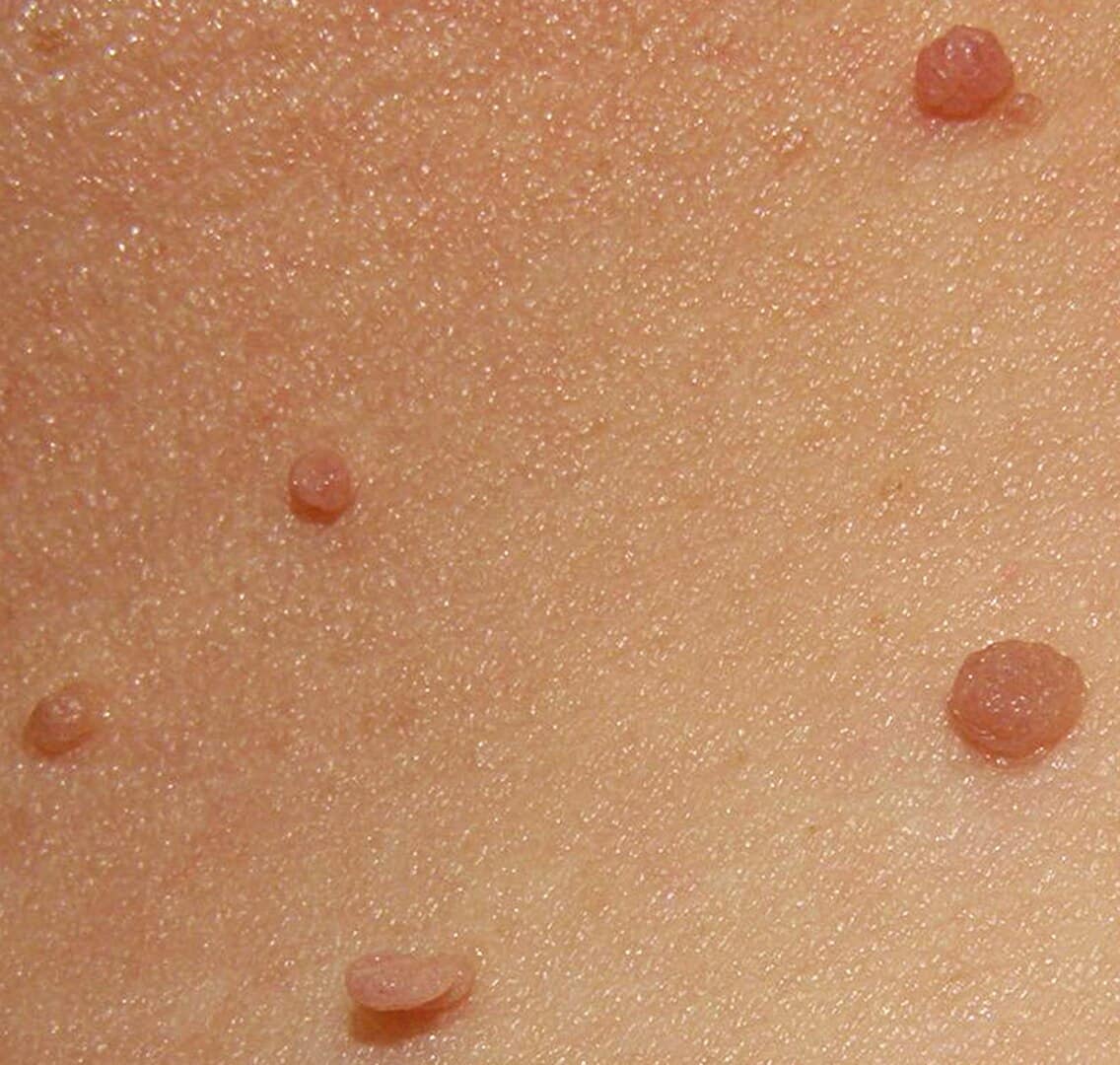
Skin tags (acrochordons) are noncancerous, soft, pedunculated growths most commonly found in skin folds—such as the underarms, neck, groin, and eyelids. They are associated with friction, hormonal fluctuations, and, in some cases, genetic factors. While harmless, skin tags can snag on clothing or jewelry, causing discomfort.
Most experts discourage cutting or tying skin tags at home due to bleeding or infection risk. However, several safe, non-invasive measures may be considered:
- Tea Tree Oil: Renowned for its antimicrobial and antifungal attributes, tea tree oil can sometimes dry out skin tags. To use, combine a few drops of tea tree oil with a carrier oil (like coconut or olive oil) and apply gently with a cotton swab nightly until the tag dries and falls off naturally. Discontinue use if irritation or allergic reactions develop.
- At-Home Freezing Kits: Over-the-counter cryotherapy products can freeze the tissue, causing the tag to drop off after several days to weeks. Individuals should strictly adhere to included instructions and consult a healthcare provider for tags in sensitive areas or if results are unsatisfactory.
Immediate medical attention is necessary if a skin tag changes shape, color, or becomes painful, as these may rarely indicate more serious conditions.
Treating Warts with Natural Solutions
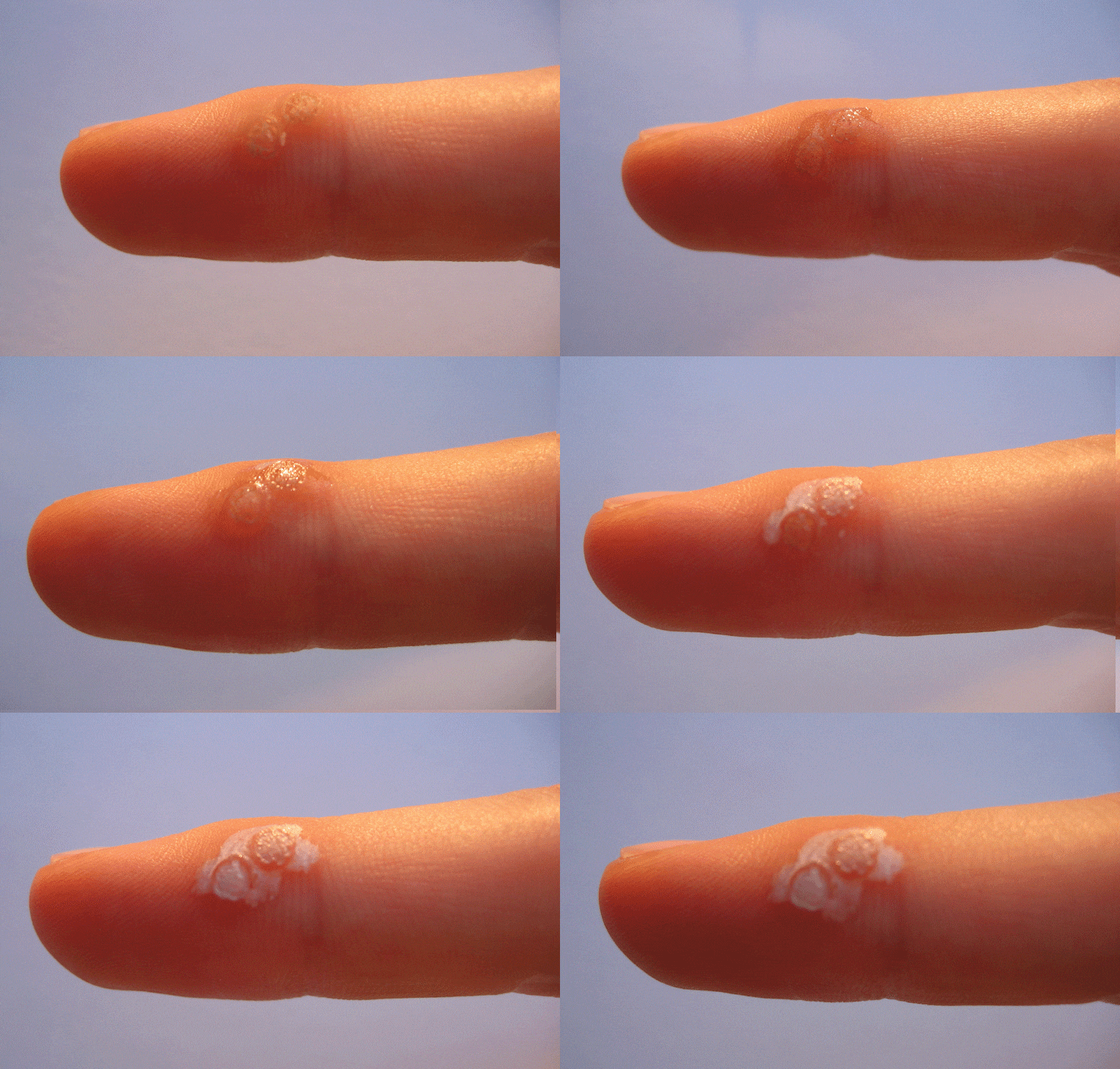
Warts are generated by infection with one of the numerous strains of the human papillomavirus (HPV). They frequently appear on the hands, feet (plantar warts), or other areas subject to trauma. While often resolving on their own in healthy individuals, warts are contagious and can be uncomfortable and cosmetically concerning.
Effective Natural Wart Treatments
- Apple Cider Vinegar (ACV): The acidic environment generated by ACV may help disrupt the wart tissue. Diluting ACV with water and applying via a cotton ball for a few minutes daily can aid removal, but prolonged exposure should be avoided to prevent skin irritation.
- Bee Propolis: Used in traditional medicine, bee propolis is a resinous mixture with demonstrated antiviral and healing properties. Preliminary reports suggest that topical propolis may hinder wart growth and support healthy skin regeneration when applied as a nightly dressing.
- Duct Tape Occlusion Therapy: In this method, affected warts are covered with duct tape for several days, followed by removal, soaking, and gentle exfoliation with an emery board or pumice stone. The cycle is repeated until the wart disappears. This technique is believed to trigger immune responses or mechanically remove affected tissue.
Natural remedies should only be considered for non-genital, non-facial warts. For persistent, painful, or rapidly spreading lesions—or for any wart occurring in immunocompromised individuals—consultation with a healthcare provider is strongly advised. Effective clinical treatments include cryotherapy, topical salicylic acid, and laser therapy.
Managing Blackheads: Natural Solutions for Clear Pores
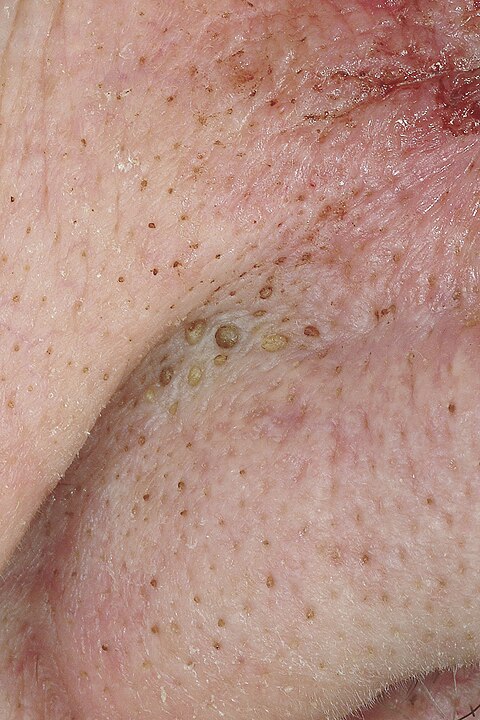
Blackheads are a form of acne most often appearing on the face’s T-zone (nose, forehead, chin)—but can also occur on the chest, back, and shoulders. They result when dead skin cells and excess sebum collect within hair follicles. Upon contact with the air, the plugged material oxidizes, creating a dark appearance. Blackheads differ from whiteheads by being open to the surface, which facilitates oxidization.
Science-Backed Strategies for Blackhead Management
- Salicylic Acid: A beta-hydroxy acid (BHA) that penetrates deeply into pores to dissolve debris and promote exfoliation. Salicylic acid cleansers or leave-on treatments (0.5-2%) are proven to reduce blackheads safely and effectively.
- Alpha-Hydroxy Acids (AHAs) and BHAs: Regular exfoliation with these acids (e.g., glycolic, lactic, malic acid) helps slough dead skin cells and prevents clogging. Limit exfoliation to two times per week to avoid irritation or barrier damage.
- Topical Retinoids: These vitamin A derivatives promote faster cell turnover, preventing the formation of micro-comedones (the earliest form of acne). Over-the-counter adapalene is widely used, but stronger preparations require prescription.
- Clay Masks: Natural clays (such as bentonite or kaolin) draw out oils and impurities, reducing shine and future clogging when used weekly.
- Charcoal Masks: Activated charcoal binds impurities, helping to cleanse pores when applied as a mask. Use as directed to avoid over-drying the skin.
- Baking Soda: While sometimes used as a gentle exfoliant, dermatologists caution about its alkalinity possibly disrupting the skin’s pH. Use sparingly and always moisturize afterward.
Experts emphasize that newly introduced products should be patch tested prior to widespread use, and individuals should avoid manual extraction (squeezing or using pore strips), which can damage skin tissue and worsen inflammation or scarring. Supporting the skin’s barrier with non-comedogenic moisturizers and adopting a gentle cleansing routine is essential for sustainable improvement.
When to Seek Professional Advice
While many natural approaches are safe for mild, superficial skin issues, persistent, painful, rapidly changing, or widespread conditions should always be evaluated by a board-certified dermatologist or healthcare provider. Suspicious moles, rapidly growing lesions, or any skin growth with irregular borders, multiple colors, or bleeding require urgent medical assessment to rule out malignancy.
Global and Societal Perspectives on Skin Care
The popularity of natural skincare remedies reflects global interest in holistic health, sustainability, and self-care. Across cultures, ingredients such as aloe vera, tea tree oil, charcoal, and various acids have been utilized in traditional medicine for centuries and are now validated by modern dermatology for their efficacy when used safely and appropriately. Awareness campaigns by organizations like the American Academy of Dermatology, the World Health Organization, and dermatology societies worldwide continue to educate the public about safe sun practices, screening for skin cancers, and recognizing when clinical intervention is needed.
It remains crucial to rely on credible health information and avoid treatments based on anecdote or unverified sources, especially regarding the use of caustic substances or aggressive home surgical techniques.
Conclusion: Achieving Healthy Skin with Safe Practices
Natural remedies can play a valuable role in the management of common skin concerns such as age spots, skin tags, warts, and blackheads. Their efficacy varies by individual, and successful application depends on proper use and an understanding of possible reactions. For those seeking gentle, affordable solutions, plant-based extracts, acid exfoliants, and non-invasive interventions can be beneficial first options. However, health and safety must always come first—consult healthcare professionals for any concerning or persistent condition and combine natural remedies with evidence-based skin health practices.
Sources
- Reuters Science & Health
- BBC Health
- World Health Organization (WHO): Skin Diseases
- Centers for Disease Control and Prevention (CDC): Skin Health
- American Academy of Dermatology (AAD): Skin Tags and Treatments
- Mayo Clinic: Age Spots
- Cleveland Clinic: Blackheads
Disclaimer: This content is intended for entertainment purposes only and is not based on real events.