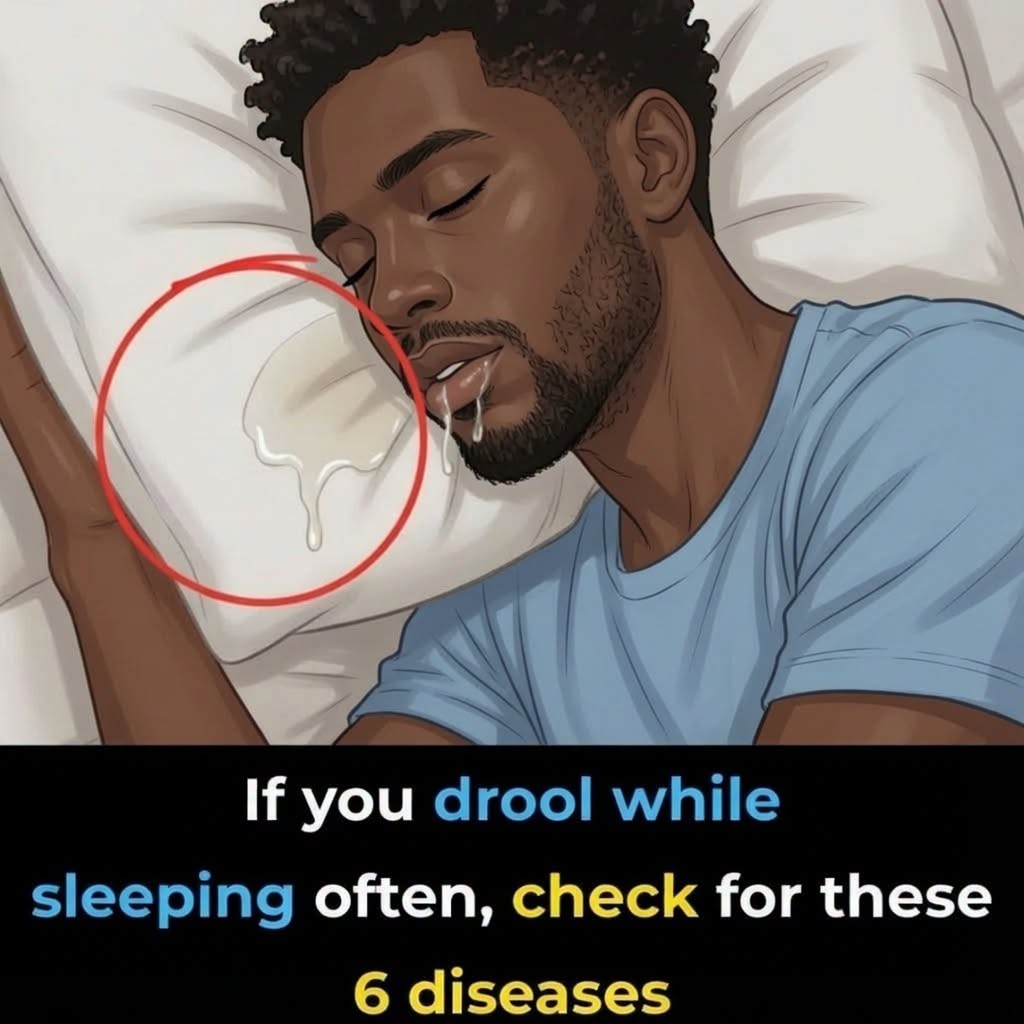
Why Do People Drool in Their Sleep?
Waking up with a damp pillow is a common experience for many people, though it can sometimes feel embarrassing or worrisome. Drooling during sleep, medically called sialorrhea or nocturnal drooling, is more prevalent than most individuals realize. In the majority of cases, it is harmless and connected to simple physiological or environmental factors. However, in certain situations, persistent drooling may signal an underlying health condition. This article explores why people drool in their sleep, the science behind it, potential health implications, and effective management strategies.
The Physiology of Saliva and Sleep
Saliva plays an essential role in oral health, aiding in digestion, protecting the teeth, and maintaining moisture in the mouth. On average, adults produce about 0.5 to 1.5 liters of saliva per day, primarily from the salivary glands. During waking hours, saliva is routinely swallowed, thanks to conscious muscle activity in the mouth and throat. However, during sleep, this swallowing reflex decreases. If saliva production continues unabated, excess saliva may accumulate and eventually escape the mouth—resulting in drooling.
Common Causes of Nocturnal Drooling
1. Sleep Position
One of the most frequent causes of drooling is sleeping position. Individuals who sleep on their side or stomach are more likely to experience drooling than back sleepers. In these positions, gravity makes it easier for saliva to escape from the mouth if the lips part during sleep. This phenomenon is entirely natural and, for most, not cause for concern.
2. Blocked Nasal Passages
Another significant factor involves blocked nasal passages. Conditions such as allergies, colds, sinus infections, and even structural nasal issues can make it difficult to breathe through the nose. When nasal breathing becomes compromised, the body often defaults to mouth breathing, which increases the risk of drooling. Temporary congestion due to seasonal allergies or respiratory infections is a common trigger.
3. Acid Reflux and GERD
Acid reflux, particularly gastroesophageal reflux disease (GERD), is another potential contributor. When stomach acid travels upward into the esophagus, the body reacts by increasing saliva production to help neutralize and flush out the acid. This protective response can lead to excess saliva during sleep, especially in individuals who lie flat or have untreated reflux conditions.
4. Sleep Disorders
Some sleep disorders have been linked to nighttime drooling. In particular, obstructive sleep apnea—a condition where the airway becomes intermittently blocked during sleep—can lead to mouth breathing or frequent arousals, both of which are associated with increased drooling. Other sleep-related disorders, such as bruxism (teeth grinding) or restless sleep, may also contribute by altering jaw or mouth positioning.
5. Neurological Conditions
While less common, certain neurological conditions can impair the neural and muscular mechanisms that regulate swallowing. Disorders such as Parkinson’s disease, amyotrophic lateral sclerosis (ALS), cerebral palsy, and stroke may affect the muscles involved in keeping saliva inside the mouth or coordinating effective swallowing. When these systems are compromised, saliva can accumulate and leak out, especially during unconscious sleep.
Additional Contributing Factors
Medications
Some medications can stimulate excess saliva production as a side effect. These include certain antipsychotics, anticonvulsants, and medications used to treat Alzheimer’s disease. Additionally, drugs with a sedative effect may relax the muscles of the mouth and throat, making drooling more likely.
Infections and Inflammation
Infections of the throat, tonsils, or adenoids can make swallowing uncomfortable, so individuals subconsciously avoid swallowing and inadvertently allow saliva to pool. Similarly, dental infections or oral ulcers can also trigger increased salivation and discourage normal swallowing during sleep.
Aging and Developmental Factors
Children often drool in their sleep, especially when teething or during the early developmental years. This is generally not a cause for worry and typically resolves with age as oral and neurological control matures. In older adults, age-related weakening of muscles, changes in oral sensation, or the use of dentures can also play a role.
When Is Drooling a Cause for Concern?
Occasional nighttime drooling is normal and usually not dangerous. However, persistent, excessive drooling (sialorrhea) or drooling accompanied by other symptoms may signal an underlying health issue that requires medical attention. Signs to watch for include:
- Sudden increase in drooling frequency or volume
- Difficulty swallowing or chewing (dysphagia)
- Speech difficulties or slurred speech
- Unexplained weight loss
- Drooling combined with chronic nasal congestion, sore throat, or reflux
- Persistent cough, choking, or risk of aspiration (inhaling saliva into the lungs)
- Changes in mental status or muscle control
In such cases, consultation with a healthcare provider is advised for proper diagnosis and management.
Medical and Lifestyle Strategies to Reduce Drooling
For those concerned about frequent drooling, several strategies may help reduce its occurrence. These include:
- Adjusting sleep position: Sleeping on the back (supine position) may help reduce the risk of saliva escaping the mouth.
- Treating allergies and congestion: Managing allergies with antihistamines, nasal sprays, or saline rinses can help maintain clear nasal passages and encourage nasal breathing.
- Managing acid reflux: Lifestyle changes such as elevating the head of the bed, avoiding heavy meals before bedtime, and following medical advice on treating reflux can minimize nighttime saliva production.
- Dental and oral hygiene: Regular dental care can reduce oral inflammation and maintain healthy swallowing function.
- Medication review: Talk to your doctor if you suspect your medications cause excess salivation. In some cases, dosage adjustments or alternative drugs may be considered.
- Speech and swallowing therapy: For those with neurological disorders or muscle-control issues, specialized therapy can help strengthen swallowing and oral muscles to reduce drooling.
- Medical interventions: In severe cases, physicians may suggest medication to reduce saliva production or, rarely, surgical interventions. These options are only considered after careful evaluation.
The Social and Emotional Impact of Drooling
While medically mild, drooling during sleep can affect a person’s confidence and self-esteem, particularly for adults who share beds or sleep in communal settings. Open communication and understanding that drooling is a common, often harmless issue can help reduce embarrassment. Increasing awareness and education about the benign nature of most nocturnal drooling can also diminish related anxiety and stigma.
Expert Perspectives and Ongoing Research
Medical experts emphasize that for the vast majority of people, drooling during sleep is normal. According to the Mayo Clinic and other leading health organizations, it is only when drooling significantly disrupts quality of life or is clearly linked to an underlying medical problem that further investigation is necessary. Ongoing research focuses on improving treatments for neurological conditions associated with sialorrhea and understanding how sleep disorders contribute to multiple symptoms, including drooling.
International and Societal Views on Nocturnal Drooling
Cross-cultural perspectives reveal varying attitudes toward drooling in sleep. In many societies, it is seen as a harmless quirk, while in others, it can be viewed as a sign of vulnerability. International sleep medicine associations encourage greater discussion about common sleep phenomena, promoting openness and reducing unwarranted shame or concern about behaviors like nighttime drooling.
Conclusion
Nocturnal drooling is a widespread phenomenon, usually stemming from natural physiological responses and benign sleep factors. In most cases, it does not indicate a serious medical issue and can be managed through simple changes in sleep hygiene and health habits. Those experiencing persistent, excessive drooling or associated worrying symptoms should consult a healthcare professional for personalized advice and evaluation. As with many health topics, greater awareness and accurate information can help individuals manage concerns and support overall well-being.
Sources
- Mayo Clinic – Sialorrhea Overview
- CDC – Children’s Oral Health
- Sleep Foundation – Sleep Apnea and Related Disorders
- NHS – Saliva: Purpose and Problems
- Reuters
- BBC Health
- World Health Organization – Allergies Fact Sheet
Disclaimer: This content is intended for entertainment purposes only and is not based on real events.