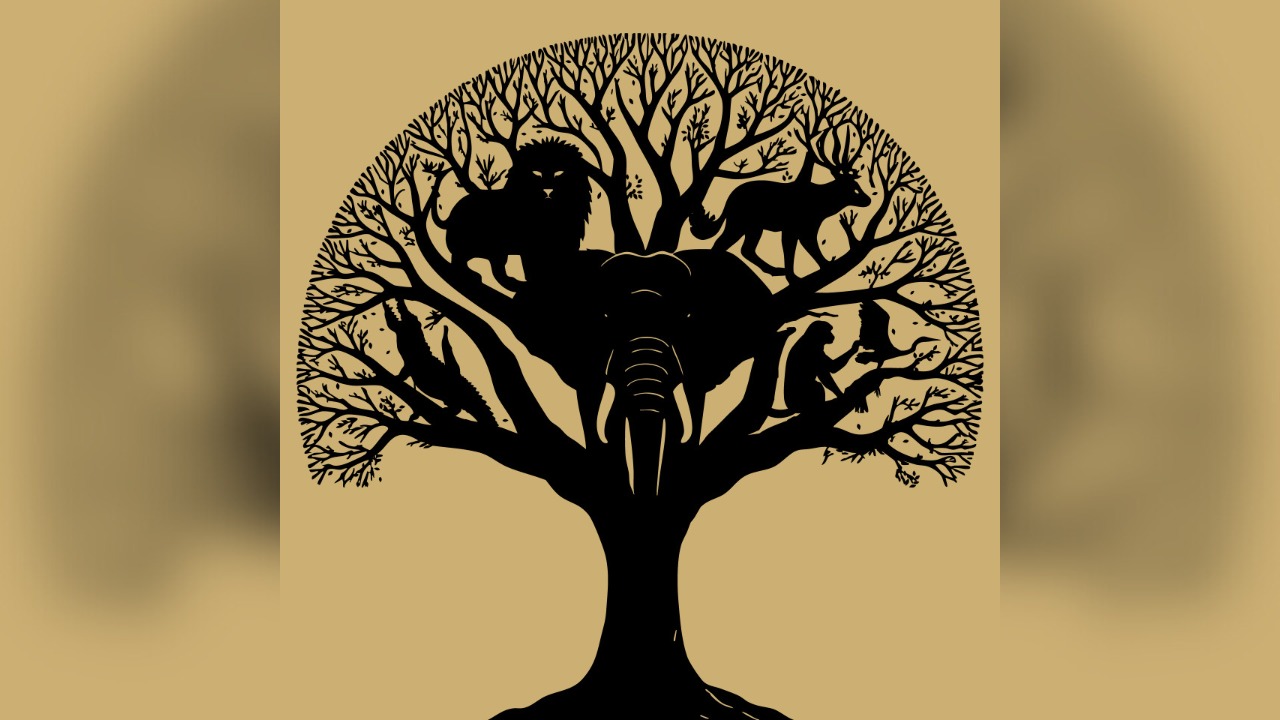
Optical illusions have long captured the public’s imagination, providing a fascinating glimpse into how the human brain processes visual information. A recent puzzle making rounds on social media asks viewers to observe a curious, ambiguous wooden-looking shape and quickly state which animal they notice first: a rabbit, a fish, or a dog. The suggestion is that your initial impression offers insight into the way you think, approach challenges, and interpret the world around you.
This optical illusion has sparked widespread discussion online, as people compare answers, debate interpretations, and contemplate what their responses might reveal about their personalities. But beyond the fun, what does science say about how we perceive images, and what—if anything—can such puzzles tell us about ourselves?
How Optical Illusions Work
Optical illusions are visual phenomena that trick the brain into seeing something that may not correspond to reality. They exploit the brain’s tendency to make rapid interpretations of stimuli using familiar patterns, context, and expectations. Psychologists note that our brains filter incoming information, prioritize some features over others, and fill in gaps based on previous experiences and knowledge.
Ambiguous illusions—such as the one in this puzzle—allow for multiple valid interpretations. The classic example is the “duck-rabbit” illustration, which can be seen as either animal depending on how the observer focuses their attention. This phenomenon highlights the subjective nature of perception and how individual differences influence what we see.
Anatomy of the Animal Optical Illusion
In this particular illusion, the image is designed to incorporate characteristics of a rabbit, a fish, and a dog, all blended into a single, abstract shape. The challenge asks viewers to trust their first impression rather than hunt for hidden details. According to the playful premise, the animal you notice first purportedly reveals something about your cognitive style:
- Rabbit: Associated with creativity and big-picture thinking.
- Fish: Linked to logic, structure, and methodical approaches.
- Dog: Described as “whole-brained,” blending detail orientation with creativity.
Each interpretation is presented as a lighthearted analysis of how the viewer’s mind works and their preferred strategies for tackling challenges.
The Rabbit: Hallmarks of Creativity and Intuition
People who immediately perceive a rabbit in the image are often described as imaginative and intuitive. This interpretation suggests that rabbit-viewers tend to think outside the box, value unconventional approaches, and seek inspiration from art, music, nature, or abstract concepts. They may be more comfortable considering the overall picture and making connections between seemingly unrelated ideas.
Creativity researchers note that such individuals often engage more with divergent thinking—the ability to generate multiple solutions to a problem. They may excel in environments where innovation and adaptability are valued and enjoy activities that involve storytelling, brainstorming, and exploring new perspectives.
However, it’s important to recognize that creativity is a complex trait influenced by both genetic and environmental factors. While the illusion suggests a link between first impressions and thinking style, expert psychologists caution against oversimplified conclusions.
The Fish: Symbols of Logic, Structure, and Practicality
Viewers who see a fish first are associated with a preference for structure, organization, and evidence-based reasoning. The “fish perspective” is often described as methodical, attentive to detail, and grounded in practical solutions. Such individuals may prefer analyzing facts, weighing options, and following clear steps before making a decision.
This interpretation resonates with traits commonly linked to “analytical” or “left-brained” thinking, such as systematic problem-solving and valuing clear processes. However, cognitive neuroscience research has debunked strict left-brain/right-brain stereotypes. Both hemispheres of the brain work together across various tasks, and real-world thinking styles exist on a continuum.
PATIENCE and steadiness are additional characteristics associated with those who identify a fish—suggesting a comfort with deliberation and a measured approach to complex scenarios. Nevertheless, seeing a fish does not imply a lack of imagination; it simply points to one possible way of processing new information.
The Dog: Integrating Logic and Creativity
Those who spot the dog first are said to be “whole-brained” or flexible thinkers, able to balance creativity with analytical rigor. This interpretation highlights adaptability: dog-viewers are comfortable switching between focusing on minute details and considering long-term goals. They may excel at adjusting their approach to suit different circumstances, combining resourcefulness with logic.
Studies in psychology suggest that cognitive flexibility—the ability to shift thinking strategies and adapt to changing information—is a valuable asset for learning and problem-solving. Such flexibility is associated with resilience, open-mindedness, and success in diverse environments.
Again, these playful personality descriptions are broad generalizations. They are intended to provoke thought and fun discussion, rather than offer a definitive assessment of anyone’s mental strengths or predispositions.
The Science Behind Personality Tests and Perception
The allure of personality tests and optical illusion quizzes lies in their promise of self-discovery. However, most mainstream psychological research does not support the correlation between “seeing a rabbit” or “noticing a fish” and stable, deeply-rooted personality traits. Instead, factors such as attention, previous experiences, cultural context, and even mood can influence what people notice first in ambiguous images.
Moreover, neuroscientific studies have consistently shown that both hemispheres of the brain are involved in a wide range of cognitive activities. The notion of being strictly “left-brained” (logical) or “right-brained” (creative) is a myth; both sides interact and communicate to process visual input, language, spatial reasoning, and emotion.
This does not mean optical illusions are without value. In fact, they serve as excellent tools for understanding perceptual processes and how the brain interprets ambiguous information. They reveal that perception is a dynamic process shaped by both biology and personal history.
Expert Perspectives on Visual Interpretation
According to leading psychologists and neuroscientists, the enjoyment of optical illusions comes from recognizing the brain’s remarkable ability to make sense of conflicting cues. As experts interviewed by the BBC explain, illusions highlight both our strengths (rapid pattern recognition) and our cognitive biases.
Dr. Richard Gregory, a pioneer in the study of perception, emphasized that “vision is not just about extracting data from the outside world, but about constructing reality from the available information.” Optical illusions such as the animal image puzzle show how personal experiences, cultural upbringing, and context can lead to different interpretations.
Personality tests tied to illusions are best regarded as light entertainment or conversation-starters. They promote social interaction, self-reflection, and an appreciation for the complexity of visual experience. However, experts caution against making life decisions or judgments about yourself or others based on these results alone.
International and Societal Interest in Optical Illusions
Optical illusions continue to be a global phenomenon, sparking intrigue across cultures, age groups, and educational backgrounds. Media outlets around the world regularly feature new illusions and puzzles, inviting audiences to test their perceptions and share their responses online. These interactions foster community, encourage discussions about the brain and perception, and sometimes even spark friendly debates about the “correct” answer.
Education professionals and mental health advocates often use optical illusions as teaching tools to illustrate how the mind works and why people might see things differently from one another. This can help build empathy, foster open-mindedness, and highlight the subjective aspect of perception.
Enjoying the Puzzle: An Entertaining and Enlightening Experience
While it is natural to wonder if your initial answer to the animal puzzle reveals something meaningful about your personality, it is essential to keep perspective. The real enjoyment lies in comparing answers with friends, discussing the possibilities, and marveling at the diversity of human experience.
Optical illusions invite us to realize that perception is not always objective, fostering humility and a willingness to consider multiple viewpoints. They also remind us of the complexity and adaptability of the human brain—qualities that enable us to navigate a world full of ambiguity and change.
Ultimately, whether you saw a rabbit, a fish, or a dog first, there is no right or wrong answer. What matters most is the conversation and curiosity that these illusions inspire.
Conclusion
Optical illusions, such as the rabbit-fish-dog puzzle, are captivating because they engage our senses, challenge our expectations, and provoke thoughtful discussion. While these illusions may not scientifically determine your personality, they offer a playful way to reflect on how you see and interpret the world. By understanding the limits of such tests and appreciating their role as entertaining diversions, we can use them to build connections, spark curiosity, and learn more about the fascinating workings of the human brain.
Sources
- BBC – Why Your Brain Loves Optical Illusions
- Association for Psychological Science – The Science of Optical Illusions
- American Psychological Association – What Optical Illusions Teach Us
- Scientific American – How Optical Illusions Work
- National Geographic – Why You Can’t Always Trust Your Eyes
Disclaimer: This content is intended for entertainment purposes only and is not based on real events.