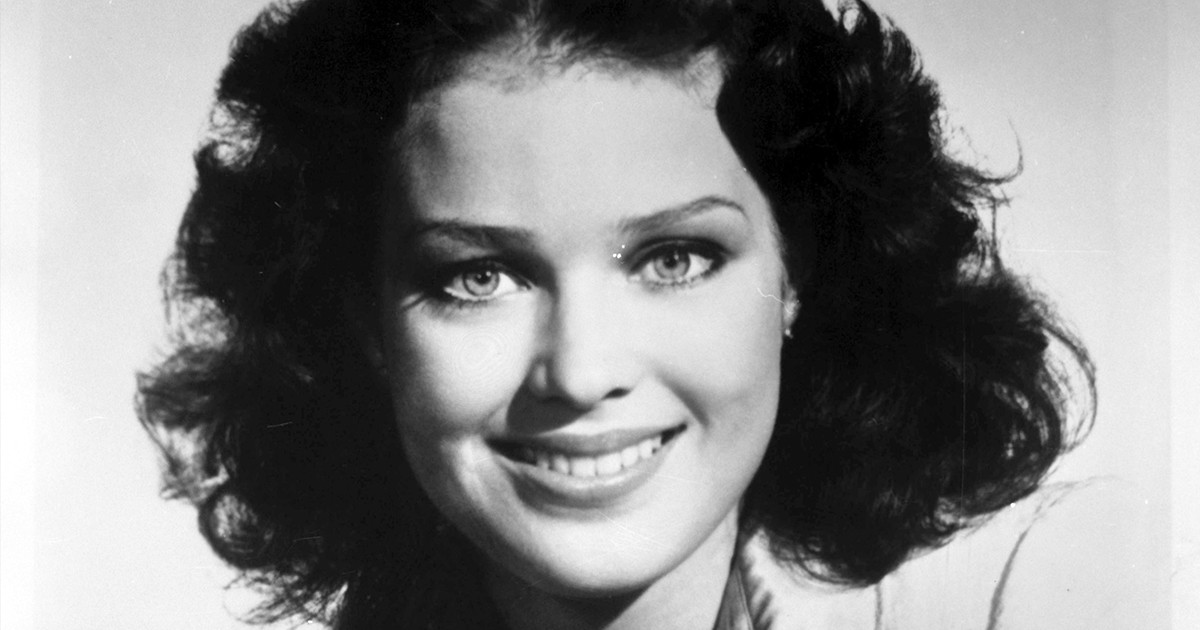
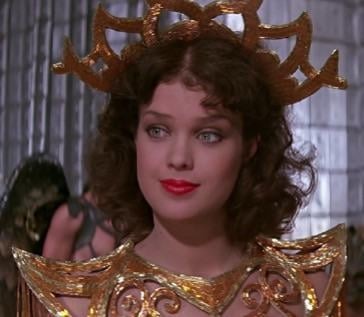
For many fans of 1980s cinema, Melody Anderson will forever be associated with one unforgettable character: Dale Arden in Flash Gordon.
With its colorful costumes, imaginative sets and larger-than-life adventure, the 1980 science-fiction film became a lasting part of pop culture. Anderson stood alongside Sam J. Jones as Flash and Max von Sydow as Ming the Merciless, helping bring the comic-book world to life.
But Anderson’s story did not end when the cameras stopped rolling.
Today, at 70, she has built a life that looks remarkably different from the Hollywood career many viewers expected her to have. Instead of remaining focused exclusively on acting, she pursued a second profession in social work and psychotherapy.
Her transformation was not simply about getting older. It was about making a deliberate decision about the kind of career and life she wanted to build.
And while she stepped away from regular Hollywood work, she never completely abandoned the world that first made her famous.
The Woman Behind Dale Arden
Born on December 3, 1955, in Edmonton, Alberta, Canada, Anderson did not initially plan to become a Hollywood actress.
Her educational background was in journalism. She studied at Carleton University in Ottawa and later worked as an on-air reporter for CBC.
Her early career also gave her opportunities to travel, including time spent in Southeast Asia and Australia. During that period, she became increasingly connected to the entertainment world through interviews and other media opportunities.
Modeling followed, as did commercial work and television appearances.
According to biographical information associated with her career, Anderson was even featured in the first Victoria’s Secret catalog in 1977.
Acting eventually became her primary profession.
Building a Television Career
Before Flash Gordon, Anderson had already accumulated a considerable list of television credits.
She appeared in programs including Welcome Back, Kotter, Dallas, CHiPs, The Love Boat, T.J. Hooker, The Fall Guy, The A-Team and Murder, She Wrote.
These appearances helped establish her as a recognizable television performer during a period when network television was a dominant part of American entertainment.
Then came the role that would define her career for generations of fans.
Becoming Dale Arden in Flash Gordon
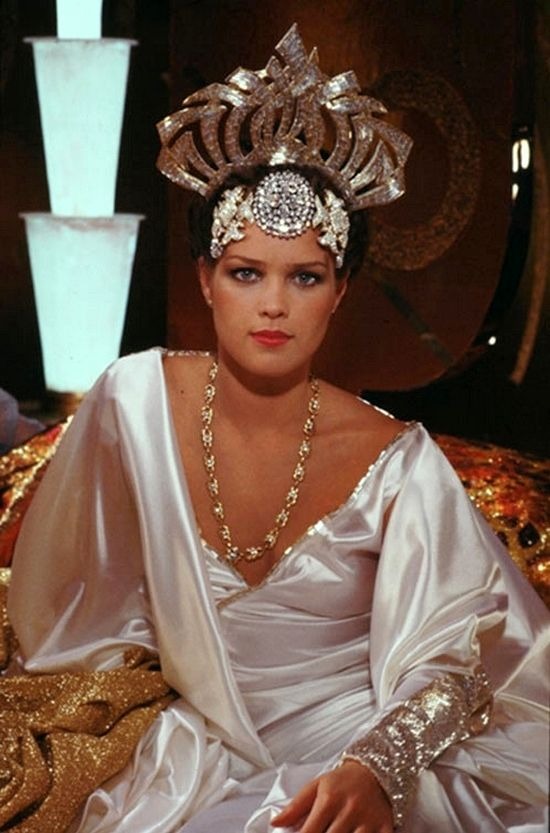
Released in 1980, Flash Gordon was a colorful adaptation of the famous comic-strip character.
Sam J. Jones played Flash, while Melody Anderson portrayed Dale Arden. Max von Sydow appeared as the imposing Ming the Merciless.
The movie combined science-fiction adventure with elaborate costumes, dramatic sets and an instantly recognizable soundtrack by Queen.
For Anderson, Dale Arden became her signature role.
The character was more than a visual presence within the story. Dale was portrayed as intelligent, determined and capable of navigating an extraordinary situation.
Decades later, the movie remains popular with audiences who grew up during the era and with younger viewers discovering it through its enduring cult following.
For many people, Anderson’s face remains inseparable from that distinctive period of 1980s cinema.
Her Career Continued Beyond the Movie
Although Flash Gordon became her most recognizable role, Anderson continued working throughout the 1980s.
She appeared opposite Chuck Norris in Firewalker and worked with Nicolas Cage in The Boy in Blue.
She also joined the television series Manimal, playing Detective Brooke McKenzie.
Her career demonstrated that she was capable of moving between science fiction, drama, action and television.
She later accepted another unusual acting challenge, portraying Marilyn Monroe in the 1993 television movie Marilyn & Bobby: Her Final Affair.
That project became her final film role.
Her last significant television appearance came in 1995 with a guest role on Burke’s Law.
After that, her screen appearances became increasingly rare.
The Career Change That Surprised Fans
Anderson’s disappearance from regular acting was not simply a decision to retire.
She was preparing for an entirely different professional life.
She had already earned a master’s degree in social work and later continued her education at New York University.
Her new direction eventually led her toward psychotherapy and clinical social work.
Rather than spending her days on film sets, Anderson began working with people dealing with difficult personal circumstances, including trauma, addiction, recovery and family challenges.
It was an extraordinary career change.
The actress who had once portrayed a fictional adventurer in an elaborate science-fiction universe was now building a profession based on listening, communication and helping people navigate complicated experiences.
Why Aging Influenced Her Decision
Anderson has spoken candidly about the realities of getting older in Hollywood.
The entertainment industry has historically placed significant emphasis on youth and appearance, particularly for women.
For Anderson, that reality helped shape her thinking about the future.
In an interview with Starburst, she discussed the difference between aging as an actress and aging as a therapist.
She explained that she wanted a profession she could continue practicing well into later life.
That decision was practical as much as personal.
Acting careers can be unpredictable, with opportunities depending on casting decisions, changing trends and the availability of suitable roles.
Therapy and social work offered Anderson the possibility of developing a career in which accumulated experience could become increasingly valuable.
Instead of trying to preserve her Hollywood identity indefinitely, she created another one.
From Actress to Licensed Clinical Social Worker
Anderson eventually became a Licensed Clinical Social Worker in both California and New York.
She also became a Certified EMDR Clinician and developed professional experience working with individuals, couples, families, children and adolescents.
Her work included positions at Hazelden in New York, where she worked from 1997 to 2002.
During that time, she created and coordinated programs designed to support families and people undergoing recovery.
She later served as clinical director at Friendly House, a women’s recovery treatment center.
These positions represented a dramatic change from the entertainment industry.
Instead of performing scripted characters, Anderson was now working directly with real people and their individual experiences.
Why Her Acting Experience Still Mattered
Interestingly, Anderson has suggested that the skills she developed as an actress were not completely separate from her work as a therapist.
Acting requires observation, emotional awareness and the ability to understand different perspectives.
Therapy requires many of those same interpersonal skills, although in a completely different professional context.
Anderson has described the connection between the two fields in interviews, noting similarities between understanding a character and understanding a client.
Her acting background therefore did not simply disappear.
Instead, some of the skills developed during her first career became part of the foundation for her second.
She Never Completely Left Acting Behind
Although Anderson stepped away from regular screen work, she did not reject her acting past.
She continued attending fan conventions and reconnecting with audiences who remembered her from Flash Gordon and Manimal.
Over the years, she appeared at events including New York Comic Con, London Film and Comic Con, Big Apple Comic Con, GalaxyCon and The Hollywood Show.
She has also reunited with Flash Gordon co-star Sam J. Jones.
These appearances demonstrate that Anderson understands the lasting affection fans have for the movie.
She may have changed professions, but she recognizes that Dale Arden remains an important part of many people’s childhood memories.
Anderson Still Misses Performing
Perhaps the most surprising part of her story is that Anderson has never suggested that she stopped enjoying acting.
In an interview, she acknowledged that she still missed performing and expressed interest in returning for smaller roles.
The idea was not necessarily to abandon her counseling career but to find a balance between the two.
That approach reflects the flexibility of her later career.
Rather than viewing her professional life as a choice between acting and therapy, Anderson appears to have left room for both.
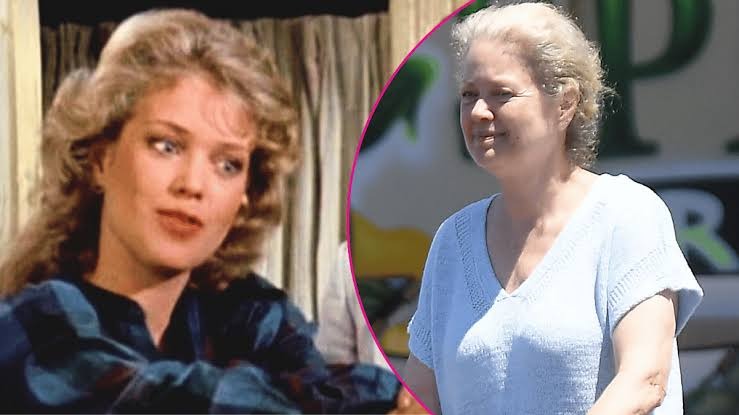
What Melody Anderson Looks Like at 70
For fans who remember Anderson from Flash Gordon, seeing her decades later can naturally be surprising.
She no longer resembles the highly styled version of Dale Arden seen on screen in 1980.
But that is hardly unusual.
More than four decades have passed since Flash Gordon was released. Anderson has lived through an entire career, developed a second profession and reached a completely different stage of life.
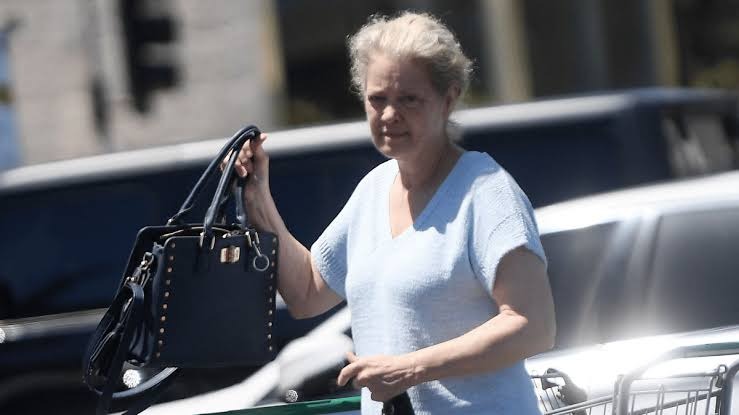
Recent images showing her in everyday settings offer a glimpse of someone far removed from Hollywood’s carefully constructed red-carpet image.
Fan reactions have largely focused on how naturally she has aged.
Many commenters praised her appearance and emphasized that changing over several decades is simply part of life.
Rather than attempting to recreate her younger screen persona, Anderson appears comfortable being recognized as the person she has become.
Why Her Story Resonates With Fans
There is something especially appealing about Anderson’s career transformation.
Hollywood often celebrates people who remain in the spotlight for decades, but there is another kind of success in choosing a different path.
Anderson did not simply vanish after becoming famous.
She acquired new qualifications, entered another profession and built an identity outside entertainment.
Her decision also challenges the idea that a career must remain unchanged throughout a person’s life.
People can learn new skills, discover new interests and move into completely different fields.
In Anderson’s case, the transition was particularly dramatic because the two careers appear so different on the surface.
Yet both involve understanding people.
The Enduring Legacy of Dale Arden
Despite everything Anderson has accomplished since leaving regular acting, Dale Arden remains an important part of her public identity.
Flash Gordon has continued to attract fans through television screenings, home releases, conventions and discussions of classic science-fiction cinema.
The movie’s visual style and Queen soundtrack have helped it remain recognizable decades after its original release.
Anderson’s performance is an essential part of that legacy.
For fans, she represents an era when science-fiction movies could be colorful, theatrical and unapologetically imaginative.
That nostalgia explains why convention appearances featuring Anderson continue to attract attention.
A Career That Was Bigger Than Hollywood
Melody Anderson’s life demonstrates that a successful career does not have to follow a straight line.
She began in journalism, moved into modeling and acting, became known internationally through Flash Gordon, and eventually transitioned into social work and psychotherapy.
Each stage added another layer to her identity.
The decision to change careers also appears to have been motivated by long-term thinking.
Rather than measuring success solely through fame, Anderson considered what kind of professional life could remain meaningful as she grew older.
That perspective may be one of the most interesting parts of her story.
Final Thoughts: Reinvention Can Be Its Own Kind of Success
For fans who first encountered Melody Anderson as Dale Arden, seeing her at 70 may bring a rush of nostalgia.
But her most remarkable transformation is not simply how she looks after more than four decades.
It is what she chose to do with those decades.
Anderson moved beyond the expectations attached to a recognizable Hollywood face and created a second career in social work and psychotherapy. She developed expertise in areas far removed from movie sets, while continuing to maintain a connection with the fans who remember her most famous role.
She also left the door open to acting, showing that reinvention does not require abandoning the past.
Dale Arden may always be part of Melody Anderson’s story, but she is only one chapter.
The larger story is about education, professional reinvention, longevity and the freedom to decide what comes next.
At 70, Anderson’s career offers a refreshing reminder that life does not have to follow the path other people imagined for us. Sometimes the most interesting chapter begins after the one everyone remembers.
Sources
Flash Gordon (1980), Universal Pictures, for information concerning Anderson’s role as Dale Arden and the film’s principal cast.
Carleton University, educational background information concerning Anderson’s journalism studies.
New York University, information concerning Anderson’s graduate studies.
Starburst Magazine, interview with Melody Anderson discussing acting, aging and her transition into therapy.
IMDb, career credits and filmography for Melody Anderson.
Melody Anderson’s official professional materials and public career information concerning her work as a Licensed Clinical Social Worker and therapist.