Introduction: An Ordinary Family Dinner Followed by a Life-Changing Medical Crisis
What began as a simple family celebration at a popular Illinois restaurant has evolved into a major legal battle involving a retired firefighter, seafood suppliers, medical experts, and a well-known steakhouse.
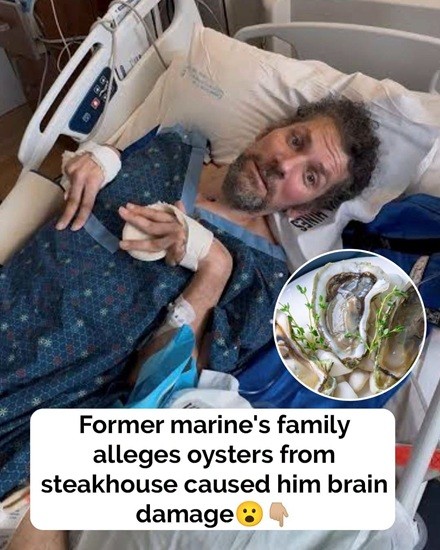
Joe Belgio, a former U.S. Marine and retired firefighter from Illinois, alleges that raw oysters he consumed during a family dinner in June 2025 caused a severe illness that ultimately resulted in cardiac arrest and a permanent brain injury. More than a year later, Belgio remains at the center of a lawsuit seeking accountability and compensation for the devastating medical consequences that followed.
The case has attracted widespread attention because of both the severity of Belgio’s condition and the unresolved questions surrounding what caused it. While Belgio’s legal team argues that contaminated oysters triggered the chain of events leading to his injuries, the restaurant involved strongly denies responsibility and says its own investigation found no evidence connecting its food to the medical emergency.
As the lawsuit moves through the courts, the dispute highlights broader discussions about food safety, raw oyster consumption, and the importance of distinguishing allegations from established facts.
Who Is Joe Belgio?

Before the medical crisis, Joe Belgio had spent much of his adult life serving others.
Belgio served in the United States Marine Corps before beginning a career with the Cicero Fire Department in Illinois. Friends, family members, and former colleagues describe him as someone deeply involved in his community.
In addition to his military and firefighting service, Belgio was also a father, fiancé, coach, son, and brother. Relatives have said he remained active in community activities and youth sports after retiring from the fire service.
Those who know him say public service was a defining part of his identity.
Today, however, his life looks dramatically different from the one he knew before the medical emergency that changed everything.
The June 2025 Family Dinner

According to court filings, Belgio visited Gibsons Bar & Steakhouse in Oak Brook, Illinois, on June 30, 2025.
The dinner included his fiancée, Melanie Stayer, and several family members. By all accounts, the gathering was intended as a routine family celebration and an opportunity to spend time together.
During the meal, Belgio reportedly consumed raw oysters.
At the time, neither he nor his family had any reason to believe the dinner would later become the focus of a major lawsuit.
According to public statements from family members, the evening appeared entirely normal.
The events that followed would prove anything but ordinary.
A Medical Emergency Days Later
According to the lawsuit, Belgio became seriously ill in the days following the restaurant visit.
On July 3, 2025, he suffered a severe cardiac event that resulted in cardiac arrest.
His attorneys allege that the cardiac arrest deprived his brain of oxygen, causing what medical professionals describe as an anoxic brain injury. Such injuries can occur when the brain is deprived of oxygen for an extended period and may result in long-term neurological complications.
Belgio reportedly required emergency medical treatment and remained in a coma for several months.
More than a year after the incident, reports indicated that he continued to require extensive medical care and rehabilitation.
There is no dispute that Belgio suffered a catastrophic medical event.
The primary disagreement involves what caused it.
What the Lawsuit Alleges

The lawsuit filed on Belgio’s behalf in August 2026 alleges that contaminated oysters were responsible for the illness that ultimately led to his cardiac arrest and brain injury.
According to court filings, Belgio’s attorneys claim medical testing identified several pathogens, including Enteropathogenic E. coli (EPEC), Plesiomonas shigelloides, and Vibrio cholerae.
The complaint argues that these organisms caused severe illness that triggered the medical crisis.
Belgio’s legal team further alleges that his treating physicians connected the illness and resulting complications to the oysters consumed during the June 2025 dinner.
However, these claims represent allegations made within the lawsuit rather than conclusions that have been established through a court ruling.
That distinction remains important because the case has not yet been resolved.
Gibsons Restaurant Denies Responsibility
Gibsons Restaurant Group has publicly expressed sympathy for Belgio and his family while strongly rejecting the allegations.
According to public statements, the company says it conducted its own review of the incident and found no evidence linking the restaurant to Belgio’s condition.
The restaurant has also pointed out that no other illnesses were reported in connection with the oysters served during the relevant period.
Gibsons maintains that it takes food safety seriously and considers customer safety a top priority.
While acknowledging the tragic nature of Belgio’s medical condition, the company disputes claims that its food caused the illness.
As a result, the lawsuit presents two competing explanations that will ultimately need to be evaluated through the legal process.
Seafood Suppliers Also Named in the Case
The lawsuit does not focus solely on the restaurant.
Several seafood suppliers and companies involved in the oyster supply chain have also been named as defendants.
According to court records, defendants include Supreme Lobster and Seafood Company, Taylor Shellfish Company, and other entities connected to the sourcing and distribution of the oysters.
Belgio’s attorneys argue that contaminated oysters entered the supply chain and eventually reached consumers.
The companies involved will have opportunities to challenge those allegations and present their own evidence as the case moves forward.
Determining responsibility may require examining multiple stages of the supply chain, including harvesting, transportation, storage, handling, and preparation.
Understanding the Health Risks of Raw Oysters
Although the lawsuit remains unresolved, public-health agencies have long recognized that consuming raw oysters carries certain risks.
Oysters are filter feeders, meaning they process large volumes of water and can accumulate microorganisms present in their environment.
Because oysters are often eaten raw, harmful bacteria and other pathogens may survive if contamination occurs.
According to the U.S. Centers for Disease Control and Prevention (CDC), many cases of vibriosis, an illness caused by Vibrio bacteria, are associated with consuming raw or undercooked oysters.
The U.S. Food and Drug Administration (FDA) similarly advises that raw shellfish can pose health risks, particularly for individuals who may be more vulnerable to severe foodborne illness.
Importantly, oysters containing harmful microorganisms may appear completely normal.
Appearance, smell, and taste are not reliable indicators of contamination.
What Public Health Agencies Recommend
Federal health agencies consistently recommend caution when consuming raw shellfish.
The CDC advises that thoroughly cooking oysters significantly reduces the risk of foodborne illness. The FDA also recommends that individuals in certain higher-risk categories avoid raw oysters and other raw shellfish products.
These recommendations are based on general food-safety principles rather than any specific restaurant or supplier.
They should not be interpreted as evidence regarding Belgio’s lawsuit.
Instead, they illustrate why foodborne illnesses linked to raw shellfish remain a topic of ongoing public-health concern.
The broader safety message is widely accepted even though the specific allegations in Belgio’s case remain disputed.
The Impact on Belgio and His Family
Regardless of how the legal case ultimately concludes, the impact on Belgio and his family has been profound.
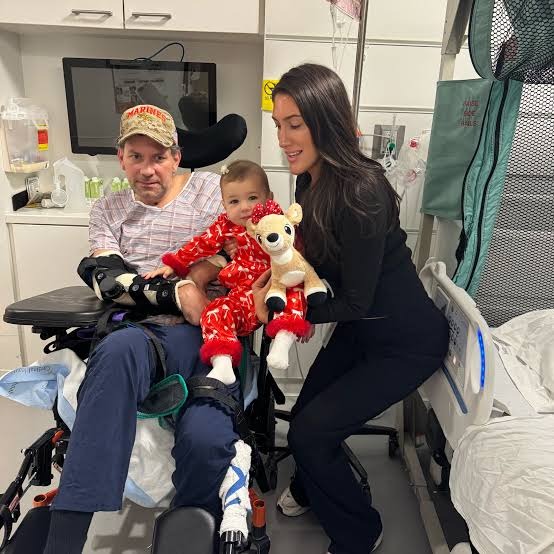
According to his attorneys, he has experienced severe cognitive impairments and requires ongoing rehabilitation, therapy, and medical support.
His legal team has stated publicly that he may require around-the-clock care for the foreseeable future.
The consequences extend beyond Belgio himself.
His fiancée, Melanie Stayer, and their young daughter have faced significant emotional and practical challenges as they adjust to a dramatically different reality.
Family members have spoken about milestones and everyday experiences that have occurred while Belgio remained hospitalized and undergoing treatment.
The situation has also created substantial financial burdens.
According to public statements from attorneys, medical expenses have already reached seven figures and continue to grow due to ongoing treatment needs.
Community Support and Fundraising Efforts
In response to Belgio’s condition, friends, relatives, firefighters, Marines, police officers, and community members have organized support efforts.
A GoFundMe campaign was established following the July 2025 cardiac event to help the family manage medical expenses and household costs.
The fundraiser described Belgio as a devoted father, former Marine, retired firefighter, fiancé, son, and brother.
Community support has continued throughout his recovery journey, reflecting the many lives he touched during his years of service.
While fundraising efforts help address financial needs, they do not play a role in determining the legal questions at the center of the lawsuit.
Those issues remain for the courts to evaluate.
The Legal Questions Still Awaiting Answers
The central question in the case remains unresolved.
Did contaminated oysters cause the illness that allegedly led to Belgio’s cardiac arrest and brain injury?
Belgio’s attorneys say medical evidence supports that conclusion.
Gibsons and other defendants dispute it.
The case will likely involve extensive review of medical records, food-safety practices, laboratory findings, supply-chain documentation, and expert testimony.
Until the legal process reaches a conclusion, responsibility cannot accurately be described as established fact.
This is why careful reporting continues to use phrases such as “the lawsuit alleges” and “according to court filings.”
Those distinctions help ensure that allegations are not mistaken for verdicts.
Conclusion: A Tragic Case With Unresolved Questions
Joe Belgio’s story is both a personal tragedy and a significant legal dispute.
There is no disagreement that he suffered a devastating cardiac event, survived, and now faces severe long-term medical challenges. There is also no dispute that the consequences have profoundly affected his family, finances, and future.
What remains disputed is whether oysters consumed during a June 2025 family dinner caused the illness that allegedly triggered those events.
Belgio’s legal team says the evidence points to contaminated oysters. Gibsons Restaurant Group and other defendants reject that conclusion.
As the lawsuit moves forward, courts will examine the evidence and determine whether liability exists.
Until then, the case serves as both a reminder of the importance of food safety awareness and an example of why unresolved legal claims must be reported with accuracy and caution.
For Belgio’s family, however, the story is not primarily about legal arguments or public debate.
It is about a husband, father, veteran, and former firefighter whose life changed dramatically in a matter of days—and whose future now depends on ongoing medical care and support.
Sources
-
U.S. Centers for Disease Control and Prevention (CDC) – Vibrio and Oyster Safety
https://www.cdc.gov -
U.S. Food and Drug Administration (FDA) – Shellfish Safety Information
https://www.fda.gov -
Illinois Court Records and Public Filings Related to the Belgio Lawsuit
-
CBS Chicago Reporting on the Case
https://www.cbsnews.com/chicago -
Edward Hines Jr. VA Hospital Information
https://www.va.gov/hines-health-care -
GoFundMe Campaign Information Provided by Family Supporters
-
National Institute of Neurological Disorders and Stroke (NINDS) – Brain Injury Resources
https://www.ninds.nih.gov