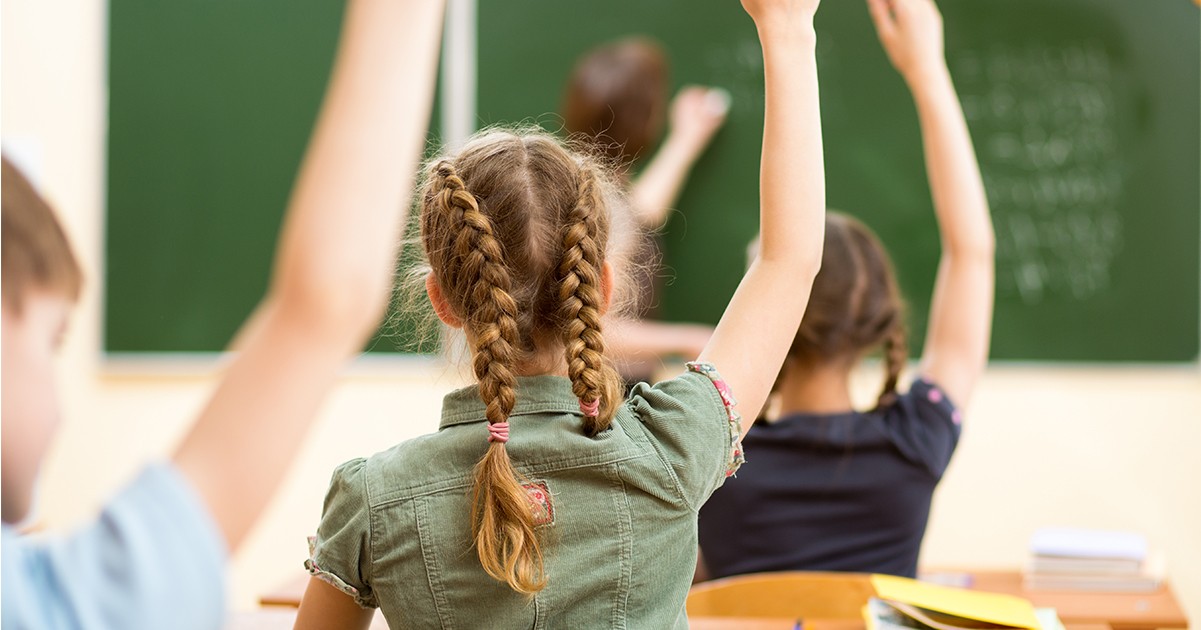
For decades, conversations about education have often centered on one familiar question: Who is responsible when students struggle at school?
Is it the teachers who spend hours in classrooms every day? Is it parents who shape children’s habits and attitudes at home? Or is the answer somewhere in between?
A letter written by retired teacher Lisa Roberson in 2017 reignited that debate after she argued that many of the challenges facing public schools cannot be solved by teachers alone.
Her message was direct: teachers cannot be expected to educate children academically while also carrying every responsibility that begins at home.
Years later, her words continue to circulate online because they touch on a question that remains highly relevant: What role should parents play in their children’s education?
The Letter That Started the Conversation
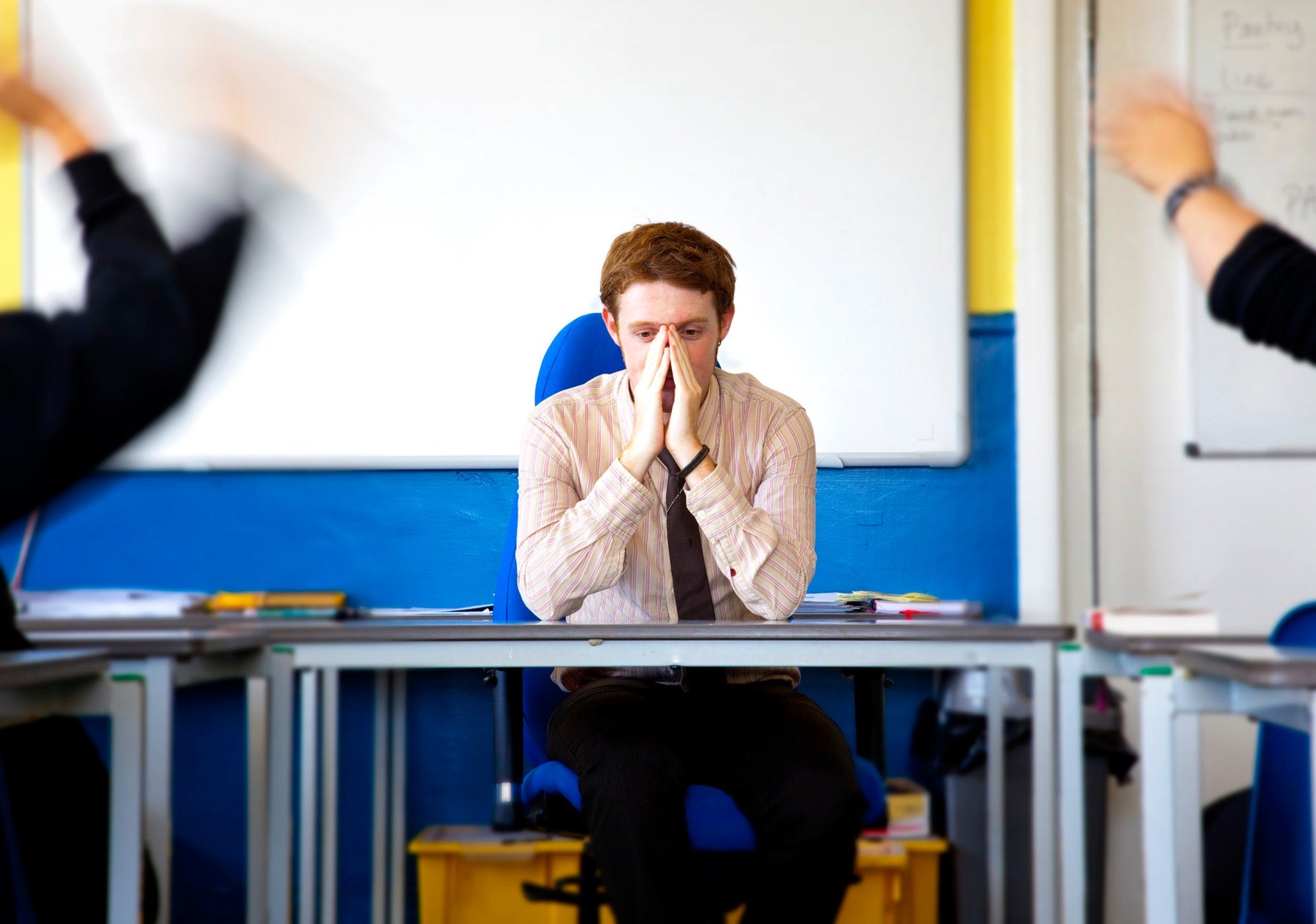
Roberson’s letter was published by the Augusta Chronicle in 2017.
As someone who had spent years working as a teacher, she wrote from the perspective of an educator who had witnessed the daily realities of the classroom.
Her frustration was aimed particularly at people who criticized public schools without having recent experience inside one.
She argued that teachers were frequently blamed for problems that could also be connected to circumstances outside the classroom.
Her central message was that education is a shared responsibility.
Teachers can provide instruction, guidance, encouragement and academic support. Parents, however, have an equally important role in preparing children to participate successfully in that environment.
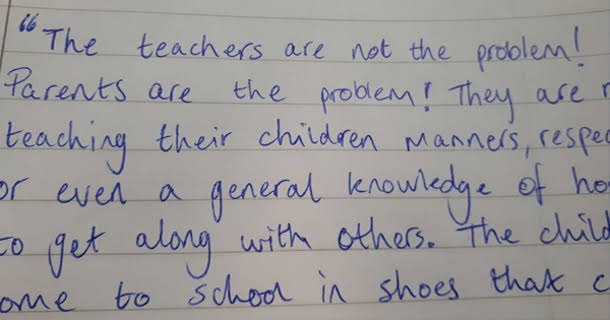
“The Teachers Are Not the Problem”
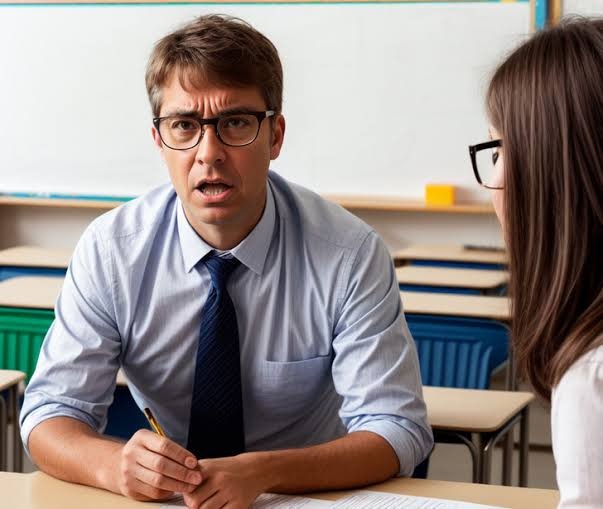
The strongest part of Roberson’s letter was her statement that teachers were not the primary problem.
Instead, she argued that some parents were failing to provide children with basic preparation before they entered the classroom.
Among the examples she raised were manners, respect, responsibility and the ability to interact appropriately with others.
Her argument was not simply about academic performance.
It was about the habits children develop long before they sit at a school desk.
A child who understands how to listen, follow instructions, respect classmates and take responsibility for assignments may find it easier to participate in a classroom environment.
Those behaviors, Roberson suggested, cannot be created by teachers alone.
Education Begins Before the School Day
The debate surrounding Roberson’s letter highlights an important distinction between education and schooling.
School provides structured academic instruction.
But children learn continuously from the people and environments around them.
Parents often introduce children to reading, communication, responsibility and social expectations long before they enter kindergarten.
Simple routines can make a difference.
Learning to organize belongings, complete small responsibilities, listen when someone else is speaking and prepare for the following day are all skills that can support classroom learning.
Teachers can reinforce those behaviors, but they cannot realistically establish every habit from the beginning for every student.
The Challenge of Classroom Supplies
One of the specific issues Roberson mentioned was school supplies.
She described situations in which students arrived at school without basic materials such as pencils or paper, leaving teachers to provide them.
Her observation points toward a broader issue facing educators: teachers often spend their own money on classroom resources.
The exact circumstances vary from school to school, and not every family has the same financial resources.
That distinction matters.
A lack of supplies does not necessarily mean that parents are careless or uninterested. Some families may be experiencing financial difficulties or other circumstances that make purchasing school materials difficult.
Still, Roberson’s broader point was that teachers frequently find themselves filling gaps that extend beyond their traditional teaching responsibilities.
Parents and Teacher Communication
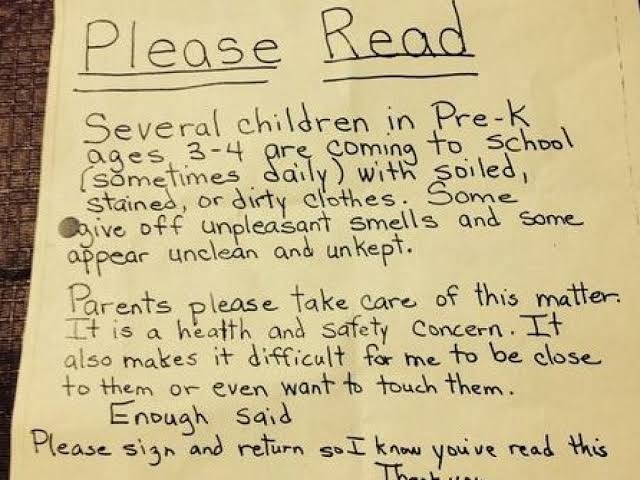
Another major theme in Roberson’s letter was communication between parents and teachers.
She questioned whether parents regularly attend school events, communicate with educators and stay informed about their children’s progress.
Parent-teacher communication can be valuable because teachers see aspects of a child’s behavior and learning that parents may not observe at home.
Parents, meanwhile, understand their children in ways teachers cannot always know from the classroom.
When these perspectives are shared, it becomes easier to identify challenges early and work toward solutions.
A teacher may notice that a student is struggling with a particular subject.
A parent may know that the child has been dealing with a significant change at home.
Neither perspective necessarily provides the complete picture by itself.
Homework Is More Than an Assignment
Roberson also questioned whether parents make sure their children complete their homework.
Homework remains a controversial subject in education.
Some educators believe that carefully designed assignments can reinforce concepts taught in class. Others question how much homework students should receive, particularly younger children.
Regardless of the debate, Roberson’s broader argument was about responsibility.
When children learn that completing commitments matters, they begin developing habits that extend beyond school.
Parents can encourage those habits by establishing routines and helping children understand why their assignments matter.
That does not mean parents need to complete the work for them.
Instead, support can involve providing a quiet place to study, asking about assignments and encouraging children to take responsibility for completing them.
Classroom Behavior Matters Too
One of the most important concerns raised by Roberson involved classroom behavior.
Teachers must manage groups of students while simultaneously presenting lessons.
When students consistently interrupt, refuse to listen or distract others, the learning environment can become more difficult for everyone.
Good classroom management is certainly part of a teacher’s professional responsibility.
However, expectations surrounding respect and appropriate behavior are also shaped at home.
Children who learn that other people’s time and attention deserve respect may carry those lessons into school.
At the same time, educators must recognize that children have different personalities, developmental stages and individual needs.
There is no single explanation for every behavioral challenge.
Are Parents Really the Problem?
This is where the debate becomes more complicated.
Roberson’s letter presents a powerful argument, but placing responsibility entirely on parents would oversimplify the education system.
Schools operate within a much larger environment.
Teachers face different class sizes, resource limitations, curriculum requirements, administrative expectations and varying levels of support.
Students also arrive with different learning styles and personal circumstances.
Some children may struggle academically despite having highly involved parents.
Others may succeed despite limited support at home.
That means educational outcomes rarely have one simple cause.
Teachers Carry a Huge Responsibility
Teachers undeniably play an enormous role in children’s development.
They are responsible not only for delivering lessons but also for adapting instruction, monitoring progress, managing classrooms and helping students develop confidence.
Many teachers form meaningful relationships with students and become important sources of encouragement.
They may recognize a child’s potential before the child recognizes it themselves.
They can also provide stability and structure for students who may not always have those things elsewhere.
For these reasons, criticism of teachers should also be approached carefully.
A struggling school does not automatically mean that its teachers are failing.
Parents Cannot Do Everything Either
The other side deserves equal consideration.
Parents are often expected to balance employment, household responsibilities, childcare and financial pressures.
Some may work multiple jobs or have limited access to educational resources.
Others may want to become more involved but struggle to understand how to navigate the school system.
Therefore, telling every parent to simply “do better” does not address the circumstances that make involvement difficult for some families.
A more productive approach may be to ask what support parents need in order to become more engaged.
Schools can make communication easier.
Teachers can provide clear expectations.
Parents can stay informed and participate when possible.
The responsibility becomes collaborative rather than adversarial.
The Importance of a Partnership
The strongest lesson from Roberson’s letter may not actually be about choosing between teachers and parents.
It may be about recognizing that both are necessary.
Teachers understand education.
Parents understand their children.
When those two forms of knowledge come together, students can benefit.
A strong partnership might involve regular communication, clear expectations, consistent routines and mutual respect.
Parents should be able to ask questions without feeling judged.
Teachers should be able to communicate concerns without being treated as opponents.
And children should understand that the adults around them are working toward the same goal.
Why Roberson’s Message Still Resonates
Although Roberson’s letter was written before the major educational disruptions associated with the COVID-19 pandemic, its central question remains relevant.
The pandemic changed how families, teachers and schools interacted with one another.
Remote learning placed greater responsibility on households.
Teachers had to adapt to unfamiliar technology and changing classroom environments.
Parents gained a new perspective on how complicated teaching can be.
For many families, those experiences highlighted just how interconnected home and school really are.
The question is therefore not simply who should be blamed.
It is what each group can realistically contribute.
A More Balanced Way to Look at Education
Rather than asking whether parents or teachers are responsible for educational problems, perhaps the better question is:
What can parents, teachers and schools do together to help children succeed?
Parents can encourage curiosity, responsibility and respect.
Teachers can provide instruction, mentorship and academic guidance.
Schools can provide resources, structure and professional support.
Communities can contribute additional programs and opportunities.
None of these pieces works perfectly in isolation.
Education is a long process, and children are influenced by many people throughout their development.
Final Reflection
Lisa Roberson’s letter clearly struck a nerve because it challenged a common tendency to look for one group to blame when something goes wrong in education.
Her experience as a teacher gave her a perspective worth considering.
At the same time, the complexity of modern education suggests that neither parents nor teachers can reasonably carry the entire responsibility alone.
Children do not grow and learn within a single environment.
They move between home, school, friendships and their wider communities, absorbing lessons from each.
Perhaps the most constructive takeaway from Roberson’s message is not that parents are the problem or that teachers are the solution.
It is that education works best when the adults responsible for a child’s well-being recognize that they are partners rather than opponents.
Teachers cannot replace parents.
Parents cannot replace teachers.
But when both sides communicate, cooperate and show children that learning matters, they create something far more valuable than either could provide alone.
And that may be the part of Roberson’s message that deserves the most attention today: instead of asking “Who is to blame?”, perhaps we should be asking “What can we do together?”
Sources
Augusta Chronicle — Original publication of Lisa Roberson’s 2017 open letter.
U.S. Department of Education — Resources and research concerning family engagement and student achievement.
National Education Association — Resources discussing parent-teacher relationships and family involvement in education.
Harvard Family Research Project — Research and resources concerning family engagement in children’s learning.