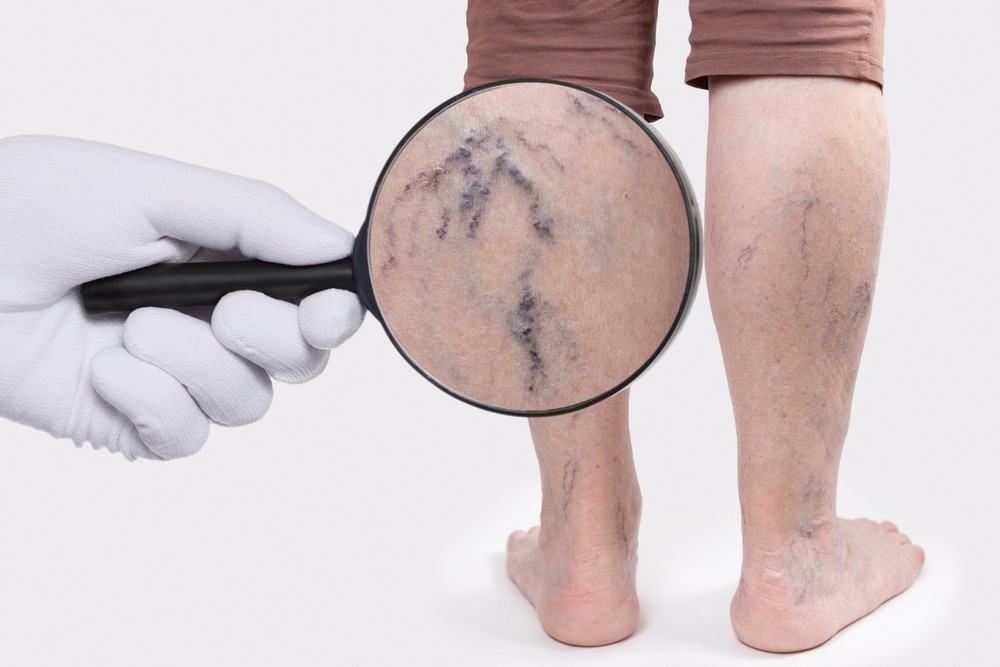
Bulging Veins: Causes, Risks, Prevention, and When to Seek Help
Visible or bulging veins are a common occurrence, often linked to physical activity, heat, or simple genetics. While these veins may sometimes appear alarming, their presence is frequently harmless and temporary. However, persistent or unexplained bulging veins may indicate an underlying venous or circulatory problem that deserves careful attention. This in-depth guide explores the mechanism behind bulging veins, common causes, associated risks, symptoms requiring medical attention, complications, treatment options, and practical prevention strategies, all supported by insights from leading medical institutions.
Understanding the Vein System and Why Veins Bulge
The human venous system operates as a vital network, transporting deoxygenated blood back to the heart for re-oxygenation. Unlike arteries that benefit from gravity when carrying blood away from the heart, veins—especially in the legs—must work against gravity. They rely on one-way valves and the contracting muscles surrounding them to push blood upward. When this “muscle pump” system falters due to valve failure or excessive pressure, blood may pool and veins can bulge or swell near the skin surface.
Bulging veins, also known as prominent veins or venous distension, can result from increased blood flow demand, temporary dilation, or more serious circulatory issues. Recognizing why veins become visible is essential for distinguishing benign situations from medical causes.
Common Causes of Bulging Veins
There are numerous reasons why veins become more noticeable, ranging from normal physiological responses to signs of venous insufficiency. Below are some of the most prevalent factors:
- Physical activity: During exercise, muscle contraction and heightened blood flow cause veins to become temporarily more visible, especially among athletes and those with low body fat. This change is usually harmless and resolves after rest.
- Age: As people get older, veins and their valves gradually lose elasticity and strength, making vein bulging more common.
- Genetics: A family history of visible veins increases your probability of developing prominent veins yourself due to inherited vein structure traits.
- Warm temperatures: Heat causes blood vessels to dilate, pushing veins closer to the skin’s surface.
- Tight clothing: Garments that squeeze the waist, thighs, or groin can increase pressure on veins, contributing to temporary bulging.
- Excess weight: Carrying extra body weight puts increased mechanical strain on leg veins, causing them to expand.
- Prolonged standing or sitting: Lack of movement prevents effective circulation, encouraging blood to pool in the lower extremities.
For most individuals, these triggers have only temporary effects. However, repeated exposure can create long-term conditions that raise the risk of chronic venous disorders, such as varicose veins and chronic venous insufficiency.
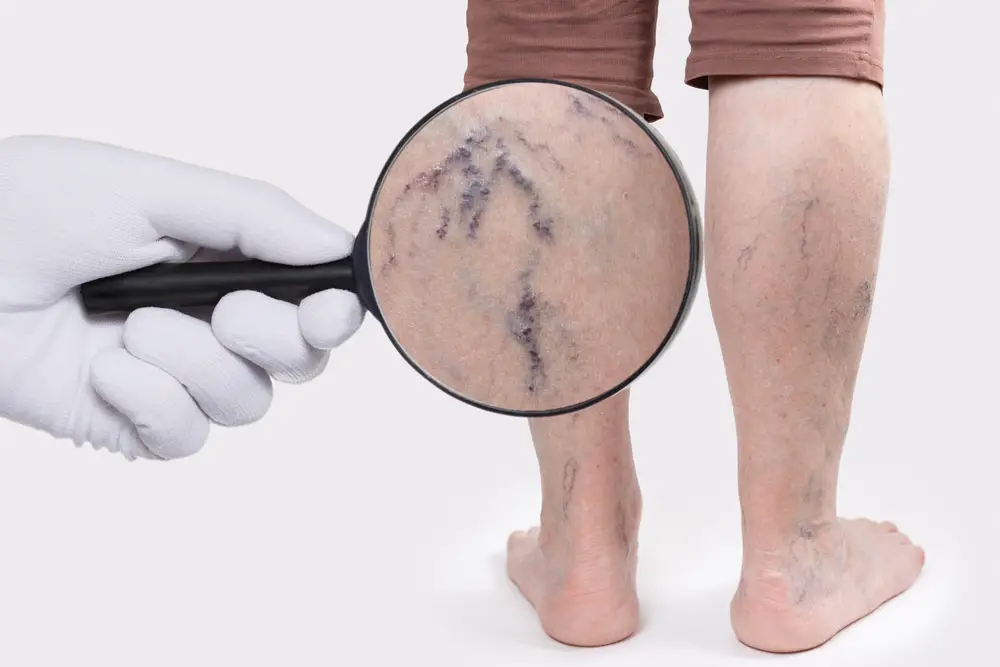
Varicose Veins: When Bulging Signals a Medical Condition
In some cases, bulging veins indicate an early warning of varicose veins, a form of chronic venous disorder. Varicose veins develop when the internal valves in veins become dysfunctional, allowing blood to flow backward and pool within the vessel. This increased pressure stretches the vein walls, resulting in an enlarged, twisted, often bluish or purplish appearance—most commonly in the legs and feet, but in rare instances, also in arms or pelvic areas.
Not everyone with varicose veins develops symptoms, but some experience sensations of heaviness, aching, and discomfort, most significantly after long periods of standing or sitting. According to the NHS, this mechanical failure of the valves is the foundational cause of varicose veins. The likelihood rises with certain risk factors.
Main Risk Factors and Triggers for Varicose Veins
Varicose veins are influenced by a combination of lifestyle, genetic, and biological factors. The primary contributors include:
- Hormonal changes: Life events and periods such as puberty, pregnancy, and menopause can damage or relax vein walls due to shifts in estrogen and progesterone levels.
- Pregnancy: Pregnancy increases overall blood volume and exerts pressure on pelvic veins, making varicose veins more common among expectant mothers.
- Sedentary lifestyle: Extended cycles of sitting or standing without movement restrict circulation and amplify vein pressure.
- Smoking: Smoking is associated with vascular damage and impaired blood flow, both of which may promote bulging and unhealthy veins.
- Age: Aging naturally leads to wear and tear of venous valves.
The Mayo Clinic notes that women experience varicose veins more frequently than men, largely due to hormonal and reproductive factors.
Warning Symptoms: When to See a Healthcare Professional
While visible veins alone may not signify illness, certain symptoms require prompt medical evaluation, as they could indicate serious circulatory problems:
- Persistent pain, aching, or heaviness in the limbs
- Swelling of ankles or feet that doesn’t resolve overnight
- Skin changes (shiny, thickened, or discolored areas)
- Ongoing itchiness or eczema-like rash near veins
- Veins that are hard, warm, or sensitive to touch
- Any sudden worsening or rapid increase in symptoms
Particular attention should be given to skin discoloration, as it may signal reduced oxygen or nutrient delivery in the affected area, possibly leading to further tissue changes over time.

How Varicose and Bulging Veins Affect the Body
When vein valves are malfunctioning, blood flowing backward increases vein pressure and stretches vein walls. This impedes normal nutrient and oxygen exchange in nearby tissues and can result in Chronic Venous Insufficiency (CVI)—a progressive, lifelong condition marked by worsening circulation, swelling, and skin problems.
Possible Complications of Untreated Bulging and Varicose Veins
If varicose veins are left untreated, various complications may arise, threatening long-term health:
Venous Ulcers
Venous ulcers are slow-healing or recurring open wounds, generally on the lower legs or ankles. They are caused by chronic fluid accumulation and skin tissue breakdown due to poor circulation. These ulcers are notoriously difficult to treat and have a high recurrence risk, as highlighted by the Cleveland Clinic.
Blood Clots
Impaired circulation increases the likelihood of blood clots forming. Clots along surface veins can cause superficial thrombophlebitis; if they form in deep muscles, the result can be Deep Vein Thrombosis (DVT). DVT is a medical emergency because a part of the clot can dislodge and travel to the lungs, causing a potentially fatal pulmonary embolism. The CDC emphasizes the importance of recognizing and addressing DVT symptoms quickly due to the severity of potential outcomes.

Diagnosis and Medical Evaluation of Bulging Veins
A clinical assessment of bulging or painful veins typically starts with a physical examination, generally performed while standing. The healthcare provider will inquire about personal and family medical history. To obtain detailed imagery and information about vein function, a non-invasive duplex ultrasound is routinely ordered—which maps blood flow and identifies valve dysfunction.
Modern Treatments for Bulging and Varicose Veins
Treatment largely depends on the severity of symptoms and any accompanying complications. For those with mild, temporary bulging, conservative approaches can often help. For more advanced cases, outpatient medical procedures can restore proper blood flow and relieve discomfort.
- Compression stockings: Special elastic stockings gently press the legs, supporting veins and improving upward blood flow. These are a widely recommended first step.
- Leg elevation: Raising the legs above heart level multiple times per day allows gravity to help reduce swelling and discomfort.
- Lifestyle interventions: Maintaining a healthy weight, walking regularly, and changing positions can all prevent further progression.
- Sclerotherapy: Medications are injected into small or moderately sized varicose veins, causing them to close and gradually fade.
- Endovenous procedures (laser or radiofrequency ablation): These minimally invasive techniques use heat to seal off problematic veins internally.
- Vein surgery: Reserved for severe cases, surgical options like vein stripping or ligation physically remove or reroute diseased veins.
The primary goal of all these treatments is to improve circulation and reduce symptoms, as well as to prevent serious complications.

Prevention: Reducing the Risk of Bulging and Problem Veins
Although you cannot alter inherited risk factors or halt aging, several lifestyle adaptations can relieve stress on your vascular system and reduce the risks of chronic vein issues:
- Stay active: Regular movement helps the “muscle pump” system work effectively, keeping blood moving toward the heart.
- Avoid prolonged sitting or standing: Take breaks to move, stretch, or elevate your feet throughout the day.
- Maintain a healthy weight: Reducing excess weight lessens pressure on leg veins.
- Wear comfortable clothing: Loose-fitting garments prevent unnecessary restriction of veins in the waist, groin, or thighs.
- Do not smoke: Smoking weakens blood vessel walls and impairs overall circulation.
- Elevate your legs: At the end of each day or during breaks, rest with your legs elevated to allow veins to recover.
Routine healthy habits, according to the Cleveland Clinic, are the best way to minimize deterioration and prevent future vein complications.
Conclusion
In most situations, bulging veins that appear after exercise, in hot weather, or in people with low body fat are minor and temporary. Nevertheless, persistent, painful, or unusually colored veins—especially when joined by swelling, skin changes, or other symptoms—should prompt medical consultation. Early identification and corrective strategies prevent long-term circulatory issues and related complications such as ulcers or blood clots. By understanding the mechanisms and risk factors, and by following expert-recommended prevention tips, you can effectively support your vascular health.
Medical disclaimer: This article is for informational and educational purposes only and is not a substitute for professional medical advice, diagnosis, or treatment. Consult a healthcare professional for any medical concerns you may have.
Sources
- NHS – Varicose Veins Information
- Mayo Clinic – Varicose Veins
- Cleveland Clinic – Venous Ulcers
- Cleveland Clinic – Chronic Venous Insufficiency
- CDC – Blood Clots: Deep Vein Thrombosis (DVT) / Pulmonary Embolism (PE)
Disclaimer: This content is intended for entertainment purposes only and is not based on real events.