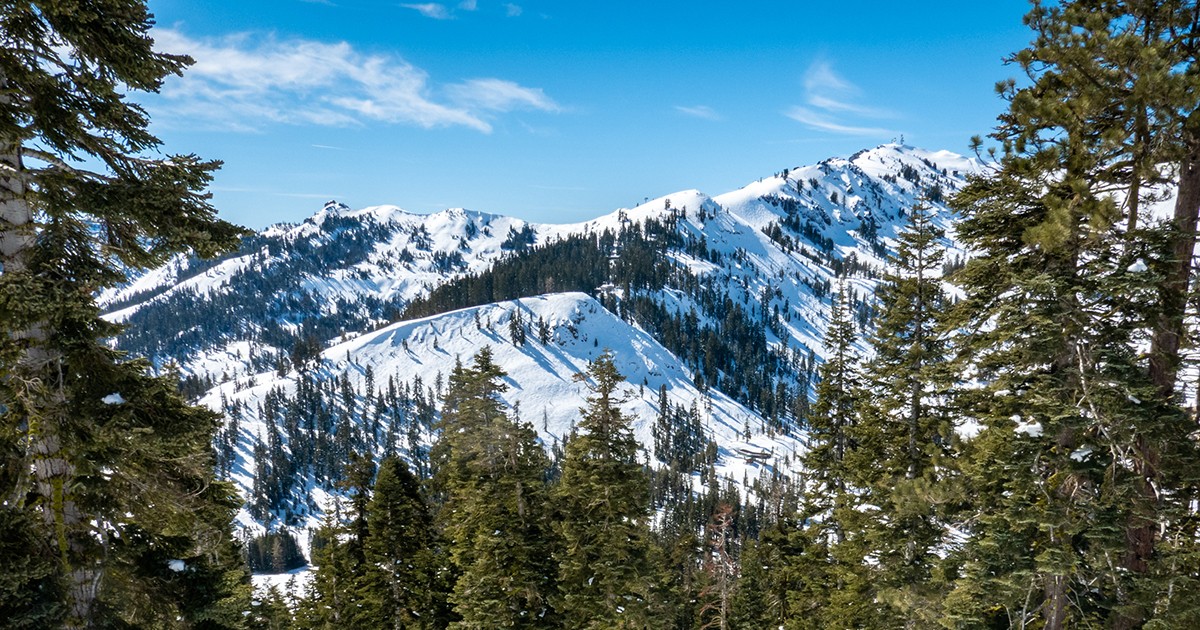
Cause of Death Revealed for 9 Skiers Killed in Tahoe Avalanche in February
In February, the Lake Tahoe region in California was the scene of a devastating avalanche that resulted in the deaths of nine accomplished backcountry skiers. Upon recent disclosure by local authorities, it was confirmed that all nine victims lost their lives due to asphyxiation after being buried by snow. This harrowing event not only shook the community but also reignited critical conversations about mountain safety, avalanche risk, rescue operations, and the increasing popularity of backcountry skiing in the United States and around the world.
The February Lake Tahoe Avalanche: What Happened?
On February 17, a group of 15 skiers set out near Castle Peak in the Lake Tahoe area, despite a formidable winter storm and worsening weather conditions. The party consisted of nine members from Blackbird Mountain Guides—three professional guides and six clients—alongside several other skilled skiers. The group was reportedly well-equipped with avalanche safety devices, including beacons, probes, and shovels, and trusted in the expertise of their guides.
Tragically, at around 11:30 a.m., a massive slab of snow, approximately 100 feet wide, suddenly broke loose as the group was traversing a slope near Perry’s Peak. The released snow traveled an estimated 400 feet downslope, engulfing nearly everyone in its path. While five skiers were able to avoid the burial or quickly extricate themselves, the remainder were swept under deep, heavy snow.
The avalanche unfolded as experts had warned: the area was under a high avalanche danger advisory by the Sierra Avalanche Center, which had advised travelers to avoid the mountain backcountry due to unstable layers in the deep recent snowpack.
The Victims: Their Backgrounds and Legacy
The avalanche claimed the lives of guides Andrew Alissandratos (34), Michael Henry (30), and Nicole Choo (42), all accomplished mountaineers affiliated with Blackbird Mountain Guides.
The six clients—Carrie Atkin (46), Lizabeth Clabaugh (52), Danielle Keatley (44), Kate Morse (45), Caroline Sekar (45), and Katherine Vitt (43)—were described by their families as “passionate, skilled skiers who cherished time together in the mountains.” In a statement to CNN, their families emphasized that all were well-prepared, trusted the guides, and took avalanche safety seriously. Their loss left a profound mark not only on their loved ones but also on the broader mountain sports community.
Details of the Avalanche and Immediate Rescue Operations
Survivors of the avalanche acted immediately, digging frantically in an attempt to locate and rescue those buried. Within the chaos, they managed to recover four individuals, but the remaining skiers were trapped under massive amounts of snow. Two among the rescued were injured, requiring urgent attention as the blizzard conditions intensified, lowering visibility and complicating any further rescue attempts.
Rescue was hampered by the ongoing storm. Search and rescue teams, notified shortly after the avalanche, faced treacherous route conditions and only arrived at the site around 5:36 p.m.—hours after the incident. Despite these challenges, first responders succeeded in locating and extricating eight of the nine victims that evening. Tragically, worsening weather forced the suspension of recovery efforts, and responders placed the bodies together under a tarp, marking the site with GPS and physical poles.
The blizzard persisted, preventing a return to the site for two days. It was not until February 20 that the rescue teams were able to safely access the area again, at which point they completed the recovery of all nine victims.
Investigation into Avalanche Safety and Protocol Violations
The Sierra Avalanche Center had issued a clear advisory on the dangers of avalanche in the region, particularly warning backcountry travelers against venturing into suspect terrain during the ongoing winter storm. The incident report published following the tragedy indicated that established avalanche safety procedures were not fully observed. According to this report, the group, after encountering rapidly deteriorating weather, attempted to exit the backcountry but deviated from recommended safe routes.
Decision-making in avalanche-prone terrain depends on an evolving assessment of weather, snowpack stability, slope angle, and the presence of avalanche warning signs such as recent slides, collapsing snow, or audible ‘whumphs’. Industry guidelines—like those advocated by the American Institute for Avalanche Research and Education (AIARE) and the International Commission for Alpine Rescue (ICAR)—recommend groups be conservative in route selection during known periods of instability.
The Nevada County Sheriff’s Office, tasked with investigating the incident, focused on whether potential criminal negligence occurred, given that avalanche warnings were in effect. While their investigation concluded, the matter has been referred to local prosecutors, though no charges have been filed and none are currently anticipated. The tragedy underscores the complexity of evaluating risk in dynamic, unpredictable mountain environments, even by experienced professionals.
Understanding Avalanche Fatalities: Asphyxiation as the Leading Cause
In August, a partially redacted coroner’s report was released confirming that each of the nine victims died of asphyxiation—suffocation due to a lack of oxygen while buried under the snow. Asphyxia is the primary cause of death in most avalanche accidents, according to data from the Colorado Avalanche Information Center and international avalanche safety organizations.
When an individual is trapped beneath avalanche debris, the weight of the snow plus the mechanical action of burial can quickly prevent breathing. Even with avalanche airbags or modern rescue equipment, the timeline for survival is extremely short: most fatalities occur within the first 15 minutes of burial, with chances of survival dropping precipitously after 30 minutes. The “live burial window” is thus a critical aspect of avalanche rescue and emphasizes the paramount importance of prevention and immediate response by those on the scene.
Expert Views on Preventing Avalanche Tragedies
Experts, including snow scientists, avalanche forecasters, and rescue professionals, continually stress the importance of education, risk assessment, and adherence to guidance. Danny Arnold, a senior avalanche forecaster with the Sierra Avalanche Center, explains, “Avalanche warnings are based on rigorous analysis of weather, terrain, and previous slides. Ignoring or misinterpreting these warnings greatly amplifies the risks for even the most skilled backcountry travelers.”
Organizations such as the American Avalanche Association and professional guiding agencies offer training on route selection, group communication, rescue techniques, and hazard recognition. These skills, while vital, must be paired with situational awareness and prudent decision-making, especially in rapidly changing conditions where failing to turn back can have fatal consequences.
Chris Davenport, a world-renowned ski mountaineer, has often spoken publicly about the delicate balance between adventure and respecting the power of mountains. “Everyone in the mountains has to make personal decisions about risk,” Davenport says, “but collective discipline is necessary when warnings are issued. Peer support within groups can sometimes be the critical factor to ensure safety over summits.”
Impact on the Ski Community and Broader Safety Lessons
The tragedy at Lake Tahoe reverberated strongly throughout the ski and mountaineering community, both in the United States and abroad. Professional organizations and local regulators called for renewed emphasis on avalanche safety education, especially as interest in backcountry travel continues to grow. The popularity of off-piste skiing surged after the COVID-19 pandemic, as more people sought wilderness experiences beyond resort boundaries. This trend has increased the number of people exposed to avalanche risks, making public awareness campaigns and formal training more critical than ever.
Memorials and moments of silence were held across ski towns to honor the memory of the victims. Many guiding services have since reviewed their protocols, using this incident as a catalyst to refresh safety practices and educate clients on the real and omnipresent dangers posed by avalanches.
International Perspectives on Avalanche Risk and Safety
Avalanches are a global hazard, from the Alps and the Rockies to the Himalayas and Andes. International mountain safety bodies, such as the International Federation of Mountain Guides Associations (IFMGA), frequently collaborate to harmonize training standards and promote best practices for both professionals and recreational athletes.
Countries like Switzerland, Norway, and Canada offer robust public avalanche forecasting and invest heavily in rescue infrastructure. Their experiences demonstrate that while equipment and education are essential, the greatest reductions in avalanche fatalities are achieved when people consistently respect official warnings and understand that the mountain environment is inherently unpredictable.
Moving Forward: A Collective Commitment to Mountain Safety
The February tragedy near Lake Tahoe stands as a solemn reminder that, despite expertise and preparation, nature can be unpredictable and unforgiving. The findings from the Nevada County Sheriff’s Office concluded that the nine victims, all accomplished and cautious in their approach, ultimately were caught in circumstances outside their control after a series of fateful decisions.
Backcountry enthusiasts are encouraged to seek education, attend avalanche safety courses, carry essential rescue tools, practice companion rescue, and above all, heed all official advisories. The collective responsibility of the mountain sports community is to learn from such incidents, foster a safety-first culture, and honor those lost by supporting safer decision-making in these beautiful but dangerous places.
Sources
- CNN
- New York Post
- Sierra Avalanche Center
- American Avalanche Association
- Reuters
- BBC
- World Health Organization (WHO)
Disclaimer: This content is intended for entertainment purposes only and is not based on real events.