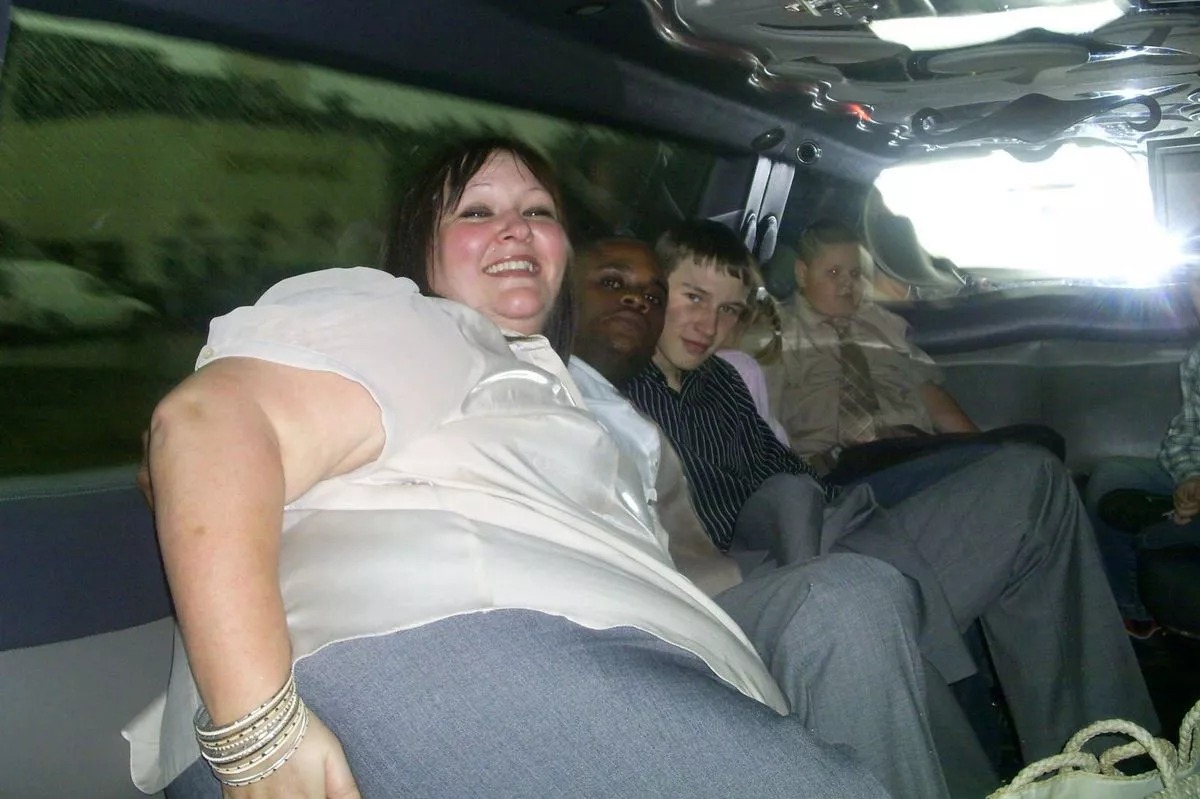
For Lisa Smith, losing more than 16 stone was the result of years of determination.
The mother of three from St Helens, Merseyside, had once weighed around 28 stone. Following serious health problems after the birth of her son in 2008, she decided to make major changes to her lifestyle and eventually brought her weight down to just over 11 stone.
But after the dramatic transformation, Lisa says she encountered a new and unexpected problem: large amounts of excess skin left behind after her weight loss.
She now says she has found herself caught between medical needs and NHS eligibility requirements, claiming that she was told she may need to regain weight before she could qualify for further treatment.
A Health Scare Changed Her Life
Lisa’s health difficulties began after the birth of her son.
She says she was hospitalized after experiencing significant breathing problems and was eventually diagnosed with diabetes-related heart failure. At the time, she recalls being warned that her health was in serious danger.
The experience became a turning point.
Determined to improve her health, Lisa adopted a strict eating plan and gradually lost a substantial amount of weight. According to her account, she went from around 28 stone to slightly above 11 stone and reduced her BMI dramatically.
The change also transformed her clothing size, from approximately a size 36 to a size 8.
For Lisa, the weight loss represented years of hard work and a major personal achievement.

The Challenge That Came After Weight Loss
Significant weight loss can sometimes leave people with excess skin, particularly when a large amount of weight has been lost.
For Lisa, the excess skin around her abdomen became a major source of physical and emotional difficulty.
She says she initially believed that reaching her target weight would eventually allow her to receive NHS-funded surgery to remove some of the excess skin. However, according to her account, she later learned that funding for the procedure was not available.
The situation became even more complicated when she says she was subsequently assessed under different eligibility considerations related to her medical history.
Lisa claims that she was told regaining some weight could potentially change her eligibility for another form of treatment.
That left her struggling to understand why losing weight and improving her health appeared to have created another barrier.
A Complicated Question of NHS Eligibility
Access to non-essential or reconstructive procedures through the NHS can depend on local policies, clinical need, eligibility criteria and available funding.
Excess-skin removal after substantial weight loss is not automatically available to everyone through the NHS. In some cases, patients may need to demonstrate that certain criteria have been met before a procedure is considered.
Lisa says the rules have left her feeling caught in a difficult situation.
She argues that requiring someone who has successfully lost a substantial amount of weight to regain it can appear contradictory, particularly when the person has underlying health conditions.
However, individual NHS decisions can vary, and eligibility depends on the specific circumstances of each patient and the policies applied by the relevant health authority.
The Emotional Impact

Lisa’s story also highlights the less visible challenges that can follow major weight loss.
Although her physical transformation was substantial, she says the experience had a serious impact on her relationship with food and her mental wellbeing.
She has spoken publicly about developing anorexia and bulimia during her efforts to meet weight-related requirements. These are serious eating disorders that require appropriate professional support and should not be treated simply as consequences of a weight-loss journey.
Her experience illustrates why major changes in weight and eating habits should ideally be managed with medical guidance, particularly for people living with chronic health conditions.
Wanting Her Life to Move Forward
Despite the difficulties, Lisa says she does not regret taking steps to improve her health.
Her frustration is focused on what she describes as the lack of a clear path toward dealing with the excess skin left after her weight loss.
For her, the issue is not simply cosmetic.
She says the situation has affected her confidence, daily life and emotional wellbeing, and she wants the opportunity to discuss realistic treatment options with healthcare professionals.

Her story also raises a broader question about how health services support people after significant weight loss.
Losing a large amount of weight can be a major medical and personal achievement, but it does not necessarily mark the end of someone’s health journey. Some people may continue to need treatment, nutritional support, psychological care or reconstructive procedures afterward.
For Lisa, the hope is that her experience will encourage greater attention to what happens after major weight loss—not only the number on the scales, but also the physical and emotional challenges that can remain.
Ultimately, her story is a reminder that health transformations are rarely as simple as before-and-after photographs suggest. Behind a dramatic change in weight can be years of medical challenges, difficult decisions and adjustments that continue long after the weight itself is gone.