
Online headlines sometimes claim that one vegetable can “eat” all the sugar in the body, reverse diabetes, or eliminate the need for medical treatment. These claims can be appealing, particularly to people seeking simple answers to a complex health condition. However, they are not supported by medical evidence. No food can literally remove glucose from the bloodstream, cure every form of diabetes, or replace individualized care from a qualified healthcare professional.
That said, everyday food choices can meaningfully influence blood glucose levels over time. Beans, lentils, chickpeas, peas, and other legumes are among the foods often recommended within balanced eating patterns because they provide fiber, plant-based protein, complex carbohydrates, vitamins, and minerals. When eaten in appropriate portions and as part of an overall healthy diet, legumes may help support steadier blood sugar responses after meals.
The key distinction is important: beans are not a cure, but they can be a nutritious tool for blood sugar management. Understanding why requires a closer look at how the body processes carbohydrates, the role of insulin, and the nutritional properties of legumes.
How Blood Sugar and Insulin Work
Blood sugar, also called blood glucose, is the body’s main source of readily available energy. Much of it comes from carbohydrates in foods and drinks, including fruit, grains, milk, starchy vegetables, sweets, and legumes. During digestion, many carbohydrates are broken down into glucose, which enters the bloodstream.
Insulin is a hormone made by the pancreas. It helps glucose move from the blood into cells, where it can be used for energy or stored for later use. In people without diabetes, this system generally keeps blood glucose within a healthy range. In diabetes, however, the process is disrupted.
Type 1 diabetes is an autoimmune condition in which the body produces little or no insulin. People with type 1 diabetes require insulin treatment. Type 2 diabetes, the most common form, develops when the body does not use insulin effectively and may gradually produce less insulin over time. Gestational diabetes occurs during pregnancy and requires careful monitoring and treatment to protect the health of both parent and baby.
Diet is one important part of managing blood glucose, but it is not the only part. Medication, physical activity, sleep, stress, other health conditions, and individual metabolism can all affect blood sugar. People using insulin or medicines that lower glucose should make meaningful dietary changes in consultation with their healthcare team, especially if they are at risk of low blood sugar.
Why Beans May Support Healthier Blood Sugar Levels
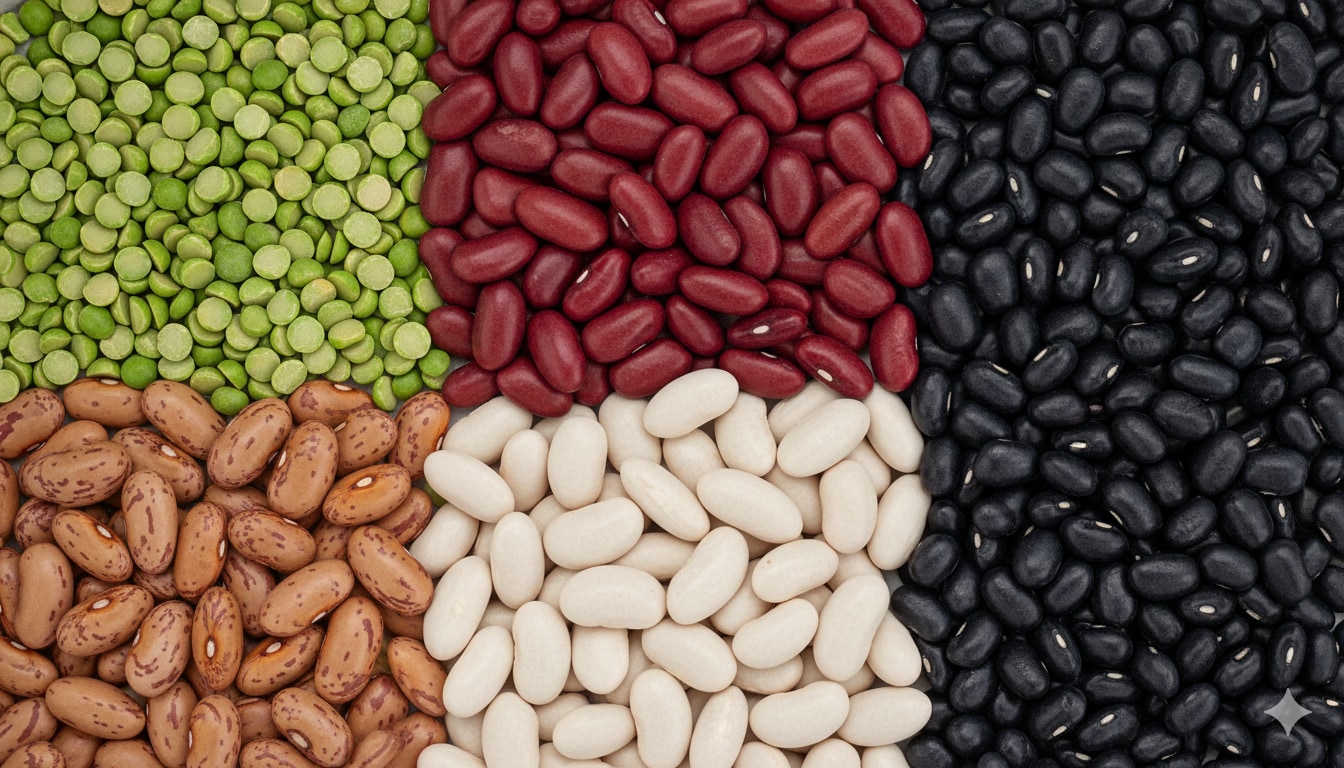
Legumes include black beans, kidney beans, pinto beans, navy beans, white beans, lentils, chickpeas, split peas, and soybeans. Although their nutritional profiles vary, most legumes share several characteristics that can be useful in a diabetes-friendly or blood-sugar-conscious eating pattern.
Fiber Slows Digestion
Beans are a notable source of dietary fiber. Fiber is the part of plant foods that the body does not fully digest. Soluble fiber forms a gel-like substance in the digestive tract, while insoluble fiber contributes bulk and supports regular bowel function. Both types are important for overall health.
Because fiber can slow the digestion and absorption of carbohydrates, meals containing beans may lead to a more gradual rise in blood glucose than meals centered on highly refined carbohydrates. For example, a meal containing lentils or black beans may have a different blood sugar effect than a meal based primarily on white bread, sugary cereal, or sweetened snacks.
Fiber also supports fullness after eating. Feeling satisfied for longer may make it easier for some people to maintain regular meals and avoid frequent intake of highly processed foods. This can be helpful for weight management, which may improve insulin sensitivity for some people with type 2 diabetes.
Protein and Complex Carbohydrates Create a Balanced Meal
Beans contain carbohydrates, but they also provide plant-based protein. This combination distinguishes them from many refined carbohydrate foods, which are often lower in fiber and protein. Protein can help make meals more satisfying, while complex carbohydrates tend to be digested more gradually than rapidly absorbed sugars.
It is still important to remember that beans contribute carbohydrate to a meal plan. A person who counts carbohydrates or uses mealtime insulin should include beans in their total carbohydrate estimate. Exact values vary by type of bean, serving size, recipe, and whether ingredients such as sugar-rich sauces or fatty meats are added.
Resistant Starch May Play a Role
Some legumes contain resistant starch, a type of carbohydrate that is not fully digested in the small intestine. Instead, it reaches the large intestine, where gut bacteria can ferment it. Research into resistant starch and the gut microbiome is continuing, but this process may contribute to beneficial metabolic effects and support digestive health.
Scientists are still studying how these effects differ from person to person. Resistant starch should not be considered a treatment on its own, but it is one reason legumes are often recognized as nutritionally valuable foods.
Glycemic Index: Useful, but Not the Whole Story
Many beans, lentils, and chickpeas have a relatively low glycemic index, or GI. The glycemic index is a measure of how quickly a carbohydrate-containing food tends to raise blood glucose compared with a reference food. Lower-GI foods generally produce a slower, smaller increase in blood glucose than high-GI foods when tested under standardized conditions.
However, glycemic index is only one part of the picture. The amount eaten matters, as does the full meal. A serving of beans combined with vegetables, whole grains, lean protein, and healthy fats may affect blood glucose differently than beans served with a large portion of refined rice, sugary sauce, or processed meat.
Cooking methods and food processing can also influence the response. Whole or minimally processed legumes generally retain more fiber and structure than highly processed bean-based products. Individual glucose responses also differ based on medication, activity level, sleep, stress, and personal physiology.

What Research and Health Organizations Say About Legumes
Nutrition research has consistently linked diets rich in minimally processed plant foods with benefits for heart health and metabolic health. Legumes are commonly included in dietary patterns such as the Mediterranean-style diet, DASH eating plan, and other eating patterns that emphasize vegetables, fruits, whole grains, nuts, seeds, and lean or plant-based protein sources.
The American Diabetes Association recognizes that there is no single eating pattern that works best for every person with diabetes. Instead, it emphasizes individualized nutrition plans that support glucose management, cardiovascular health, personal preferences, culture, and long-term sustainability. Legumes can fit well within these plans because they provide fiber and protein while being naturally low in saturated fat.
Heart health is especially relevant for people with diabetes, who may have a higher risk of cardiovascular disease. Replacing foods high in saturated fat, added sugars, and refined grains with nutrient-dense options such as beans can support broader health goals. Still, overall dietary quality matters more than any one ingredient.
How to Include Beans in a Blood-Sugar-Conscious Diet
Adding legumes to meals does not need to be complicated. Canned beans can be convenient, while dried beans may be economical and allow greater control over sodium and seasonings. When choosing canned products, look for options labeled low sodium or no salt added, and rinse canned beans under water before use to reduce sodium content.
Practical meal ideas include:
- Adding chickpeas or lentils to a vegetable salad with olive oil and herbs.
- Using black beans in tacos with vegetables, salsa, and a modest portion of whole-grain tortillas.
- Making lentil soup with non-starchy vegetables and limiting added salt.
- Combining beans with brown rice or another whole grain, while keeping portions appropriate for individual carbohydrate goals.
- Replacing part of the meat in chili, pasta sauce, or casseroles with beans or lentils.
- Serving a bean-based side dish alongside fish, poultry, tofu, or vegetables.
Portion awareness remains important. A healthcare professional, registered dietitian, or certified diabetes care and education specialist can help determine a suitable portion based on a person’s health goals, medication, activity level, and usual eating pattern.
Foods and Habits That Also Matter for Blood Sugar Management
Beans work best as part of a wider pattern of health-supporting choices. Other foods that may help create balanced meals include leafy greens, broccoli, tomatoes, berries, whole grains, nuts, seeds, plain yogurt, fish, and unsweetened beverages. The most suitable choices depend on dietary needs, allergies, cultural preferences, kidney function, and other medical considerations.
Many public health organizations advise limiting sugar-sweetened drinks, which can raise blood glucose quickly and add calories without providing much nutritional value. Reducing frequent intake of refined grains, desserts, heavily processed snack foods, and products high in added sugars may also be helpful for many people.
Physical activity is another important factor. Muscles use glucose during movement, and regular activity can improve insulin sensitivity. The Centers for Disease Control and Prevention notes that activities such as walking, cycling, swimming, and strength training can be part of diabetes management when adapted to an individual’s abilities and medical advice.
Sleep and stress also deserve attention. Poor sleep and long-term stress may affect hormones involved in appetite, insulin response, and glucose regulation. These issues are common and can be difficult to address, but consistent sleep routines, stress-management strategies, social support, and professional care can all be valuable.
Important Safety Considerations
People with diabetes should not stop prescribed medication because of claims about a “miracle” food. Untreated or poorly controlled diabetes can lead to serious complications affecting the heart, kidneys, eyes, nerves, and blood vessels. Evidence-based medical care remains essential.
People taking insulin or certain glucose-lowering medicines may need to monitor their blood sugar more closely when changing their diet or activity level. A clinician can help adjust a care plan safely when necessary. People with kidney disease, digestive conditions, food allergies, or a medically prescribed diet should also seek individualized advice before making major changes to legume intake.
For those who are not used to eating high-fiber foods, increasing beans gradually and drinking adequate fluids may help reduce digestive discomfort such as gas or bloating. Thorough soaking and cooking of dried beans can improve texture and digestibility. Canned beans should be fully cooked before packaging, but they can still be rinsed and warmed as desired.
Beans Are Helpful, but They Are Not a Diabetes Cure
The idea that a single vegetable can “destroy” sugar in the body is inaccurate. Glucose is necessary for normal body function, and the goal of diabetes care is not to eliminate it. The goal is to maintain blood glucose within an appropriate range while supporting energy, nutrition, and long-term health.
Beans, lentils, chickpeas, and peas can be excellent additions to a balanced diet. Their fiber, protein, complex carbohydrates, and micronutrients may promote steadier post-meal blood sugar responses and support heart and digestive health. But results depend on the whole diet, portion sizes, activity, medication, and individual medical needs.
For reliable blood sugar management, focus on sustainable habits rather than dramatic claims. Build balanced meals, choose minimally processed foods more often, stay physically active when possible, take prescribed medication, monitor glucose as recommended, and work with qualified healthcare professionals. In that context, beans can be a practical, affordable, and evidence-informed part of everyday nutrition.
Sources
- American Diabetes Association: Food and Nutrition
- Centers for Disease Control and Prevention: About Diabetes
- Centers for Disease Control and Prevention: Healthy Eating and Diabetes
- World Health Organization: Diabetes Fact Sheet
- Mayo Clinic: Diabetes Diet
- National Institute of Diabetes and Digestive and Kidney Diseases: What Is Diabetes?
Disclaimer: This content is intended for entertainment purposes only and is not based on real events.