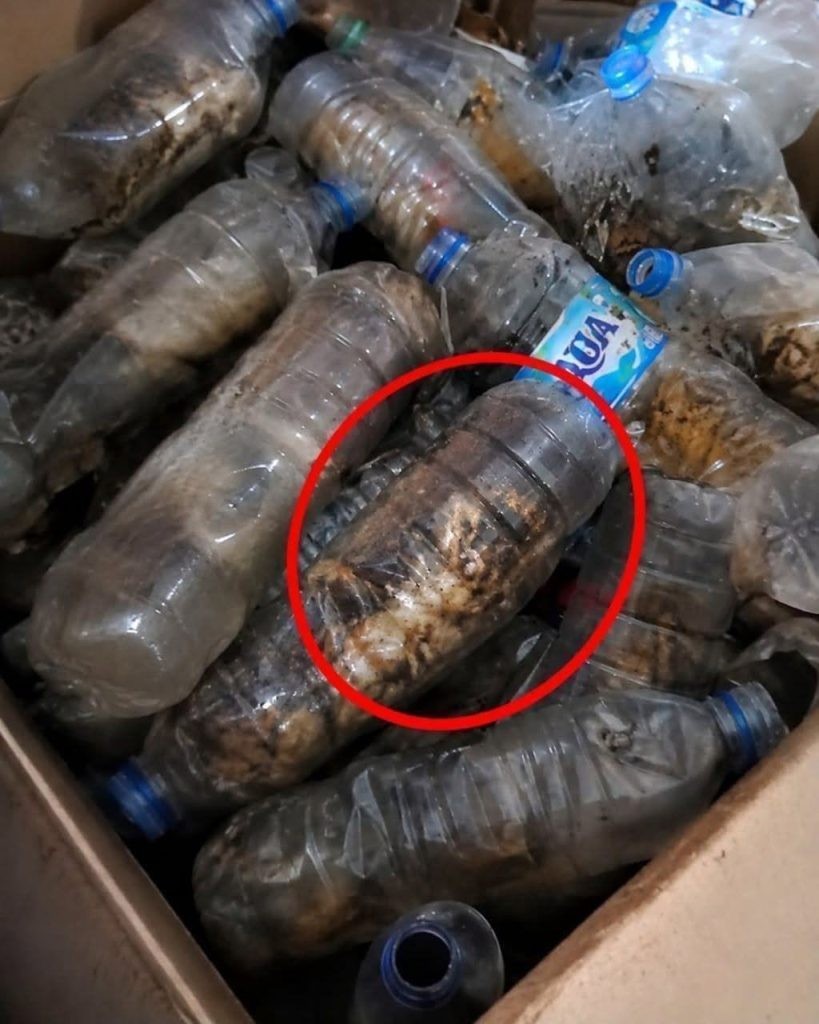
Marcus was a 28-year-old mechanic who lived alone in a modest apartment. He worked six days a week, paid his bills, and generally kept his home reasonably clean. Yet one small evening habit gradually became difficult to manage: after finishing a bottle of water, he would place the empty plastic container beneath his bed rather than putting it in a recycling bin or rubbish container.
At first, the habit seemed insignificant. Marcus planned to collect the bottles later, but later became next week, and next week became several months. Before long, the space beneath his bed contained dozens of plastic bottles alongside old newspapers, cardboard, a broken shoe, dust, and other forgotten belongings.
This fictional scenario reflects a common real-life challenge. Household clutter often does not begin with a major event or a lack of care. It can build slowly through repeated decisions made when someone is tired, busy, stressed, or focused on more immediate responsibilities. A single item left out of place may not matter much. However, when the same choice is repeated every day, the result can affect cleaning, household safety, recycling, and personal wellbeing.
Why Small Clutter Habits Are Easy to Ignore
Hidden clutter is particularly easy to overlook. Items stored beneath beds, behind furniture, inside cupboards, or in rarely used rooms are outside a person’s daily line of sight. Unlike food waste left on a kitchen counter, dry plastic bottles and old papers may not create an immediate smell or visibly change the appearance of a room. That lack of urgency can make postponement feel harmless.
For people with demanding jobs, household tasks may also compete with basic needs such as sleep, meals, social connection, and recovery time. Marcus spent long hours at an auto repair shop, lifting equipment, diagnosing mechanical problems, and carrying out repairs. After returning home, he understandably wanted to shower, eat, and rest. Cleaning beneath the bed did not seem as important as recovering from a physically demanding day.
Many people experience a similar pattern. The issue is not necessarily laziness or irresponsibility. It may be linked to limited time, fatigue, stress, executive-function challenges, illness, or the simple difficulty of starting a task that feels larger than it is. Public-health and mental-health guidance commonly emphasizes that routines should be realistic and broken into manageable steps rather than treated as all-or-nothing goals.
How Clutter Can Affect Household Hygiene
Empty plastic bottles are not automatically a sanitation hazard, especially if they are clean, dry, and stored briefly. However, bottles that retain liquid, have no caps, or are mixed with other household waste can make cleaning more difficult. Dust can collect around stored items, and spills may go unnoticed in enclosed spaces. Cardboard, paper, textiles, and containers can also create crowded areas where routine vacuuming or inspection is less likely to happen.
Good indoor hygiene does not require a perfectly spotless home. It does, however, benefit from regular cleaning, sensible waste disposal, and access to floors and surfaces. The United States Environmental Protection Agency notes that indoor environmental conditions can influence health and comfort. Dust, moisture, pests, and inadequate cleaning can all contribute to poorer indoor conditions, particularly for people with allergies or respiratory sensitivities.
Moisture deserves special attention. Water left in bottles, cups, or other containers can spill or contribute to dampness if it leaks. Damp areas should be dried promptly because moisture can support mould growth on suitable materials. The World Health Organization has reported that damp and mouldy buildings are associated with increased respiratory symptoms, allergies, and asthma in susceptible people. Plastic bottles themselves do not create mould, but liquid spills and neglected dampness can create conditions that should be addressed.
Stored Items and Pest Prevention
A cluttered area does not guarantee a pest problem, and it is important not to make unsupported assumptions about any individual home. Still, reducing unnecessary stored materials can support general pest-prevention efforts. Pests are more likely to be attracted by accessible food, standing water, entry points, and sheltered areas that are difficult to inspect and clean.
Health agencies commonly recommend keeping food sealed, disposing of rubbish regularly, cleaning spills, and reducing places where pests may hide. Empty bottles should be drained before disposal or recycling. Cardboard and paper should not be allowed to build up indefinitely, particularly in areas that are damp or difficult to access. Regularly checking behind furniture and beneath beds also makes it easier to identify leaks, dust accumulation, lost items, or other maintenance needs before they become more complicated.
In Marcus’s case, the concern was not that every bottle posed a serious risk. The greater issue was the accumulation itself. A growing pile made it harder to clean the space, easier to forget what had been stored there, and more difficult to notice whether a bottle had leaked or whether another household issue needed attention.
The Safety Risks of Hidden Household Clutter
Clutter can create practical safety concerns even when it is not dirty. Objects left on floors or near walkways may increase the risk of trips and falls. Heavy or unstable piles can topple when moved. Electrical cords may become hidden under stored items, making them harder to inspect. In emergencies, crowded routes can make it more difficult to move through a home quickly.
Under-bed clutter may not block a doorway, but it can still complicate ordinary household maintenance. It may prevent effective vacuuming, make it harder to retrieve items, or create sharp edges and unstable objects in a place where someone might reach without looking. Broken footwear, loose cardboard, and containers with missing caps are examples of items that are better sorted, repaired, recycled, or discarded rather than left forgotten for long periods.
Fire-safety organizations also encourage households to keep escape routes clear and to avoid excessive accumulation of combustible materials such as paper and cardboard. This does not mean every stack of newspapers is dangerous. Rather, reducing unnecessary build-up is a sensible part of an overall home-safety routine.
Clutter, Stress, and Everyday Wellbeing
The effect of clutter is not the same for everyone. Some people are comfortable with a lived-in environment, while others find visual disorder distracting or stressful. Research has explored links between home environments, stress, and daily mood, although clutter alone is not a medical diagnosis and should not be used to judge someone’s mental health.
What matters most is whether the environment is making daily life harder. A person may feel frustrated when they cannot find needed items, embarrassed about inviting friends over, overwhelmed by a growing task, or unable to use parts of their home as intended. Hidden clutter can be especially frustrating because it may represent unfinished responsibilities that remain mentally present even when they are physically out of sight.
For Marcus, the bottles beneath the bed became more than containers. They represented a task that he repeatedly intended to complete but kept postponing. This is a familiar experience: the longer a small chore is delayed, the more effort it can appear to require. Breaking the task into small stages can reduce that pressure and make progress feel achievable.
Practical Ways to Prevent Household Clutter From Building Up
A sustainable cleaning routine does not need to be elaborate. The most effective approach is usually one that fits a person’s schedule, energy level, and living space. For someone who works long hours, a brief routine completed consistently may be more useful than an ambitious weekend plan that never happens.
Create an easy disposal point
Place a small recycling bin or bag near the area where bottles are usually used. If a person drinks water in the bedroom, keeping a designated container near the door can remove the extra step of carrying bottles elsewhere. When recycling collection is available, rinse containers if required by local rules and keep them dry enough to prevent spills.
Use the “one-minute” approach
Many household tasks take less time than people expect. Throwing away a receipt, returning a shoe to its place, or putting an empty bottle in a recycling bin can be done immediately. The goal is not perfection; it is to stop small items from becoming a large collection.
Schedule brief weekly checks
A 10- or 15-minute weekly reset can be enough to check under a bed, clear a bedside area, empty bins, and remove recyclable materials. Setting a reminder on a phone may help people whose work schedules are unpredictable. A regular check also makes it easier to notice maintenance issues, such as leaks or damaged furniture.
Sort items into clear categories
When clutter has already accumulated, sorting can make the process less overwhelming. Use categories such as recycle, rubbish, donate, repair, keep, and unsure. Start with obvious items, including empty containers and damaged objects. If the task feels too large, cleaning one small section at a time is a reasonable strategy.
Ask for support when needed
Some people may need practical help from a trusted friend, family member, landlord, community service, or professional organizer. If clutter is causing serious distress, interfering with safe use of the home, or feels impossible to manage, speaking with a healthcare professional or mental-health provider may also be helpful. Support should be respectful and free of shame.
Recycling Plastic Bottles Responsibly
Plastic bottles are widely used because they are lightweight and convenient, but they should be handled responsibly after use. Recycling requirements differ by location, so residents should check guidance from their local council, waste authority, or recycling provider. Some programmes ask households to empty bottles, replace caps, and place containers loose in recycling bins, while others have different instructions.
Reducing unnecessary single-use waste can also help. Refillable water bottles, where safe drinking water is available, may reduce the number of disposable containers used at home. The United Nations Environment Programme and other environmental organizations have highlighted the importance of reducing plastic pollution through reuse, improved collection systems, and responsible waste management.
For individuals, the most practical step is simple: do not let empty containers disappear into hidden spaces. A bottle placed in the correct bin today is one less item to sort later.
A Manageable Home Routine Matters More Than Perfection
Marcus’s story shows how a minor habit can slowly become a larger household issue. His long workdays and need for rest were understandable, but the bottles beneath his bed continued to accumulate because they were easy to ignore. The lesson is not that every home must look immaculate. It is that small, repeatable actions can protect comfort, cleanliness, safety, and peace of mind.
Regularly removing waste, recycling containers, checking hidden spaces, and addressing spills or dampness are practical habits that support a healthier home environment. For busy people, even a few minutes of maintenance can prevent a small task from becoming an intimidating project. A clean and functional living space is not about judgment; it is about creating a home that is easier, safer, and more comfortable to live in.
Sources
- U.S. Environmental Protection Agency: Indoor Air Quality
- World Health Organization: WHO Guidelines for Indoor Air Quality: Dampness and Mould
- Centers for Disease Control and Prevention: Healthy Homes and Environmental Health Information
- National Fire Protection Association: Home Fire Safety
- United Nations Environment Programme: Plastic Pollution
Disclaimer: This content is intended for entertainment purposes only and is not based on real events.