Maria Branyas Morera: What the World’s Oldest Verified Woman Can Teach Us About Healthy Aging

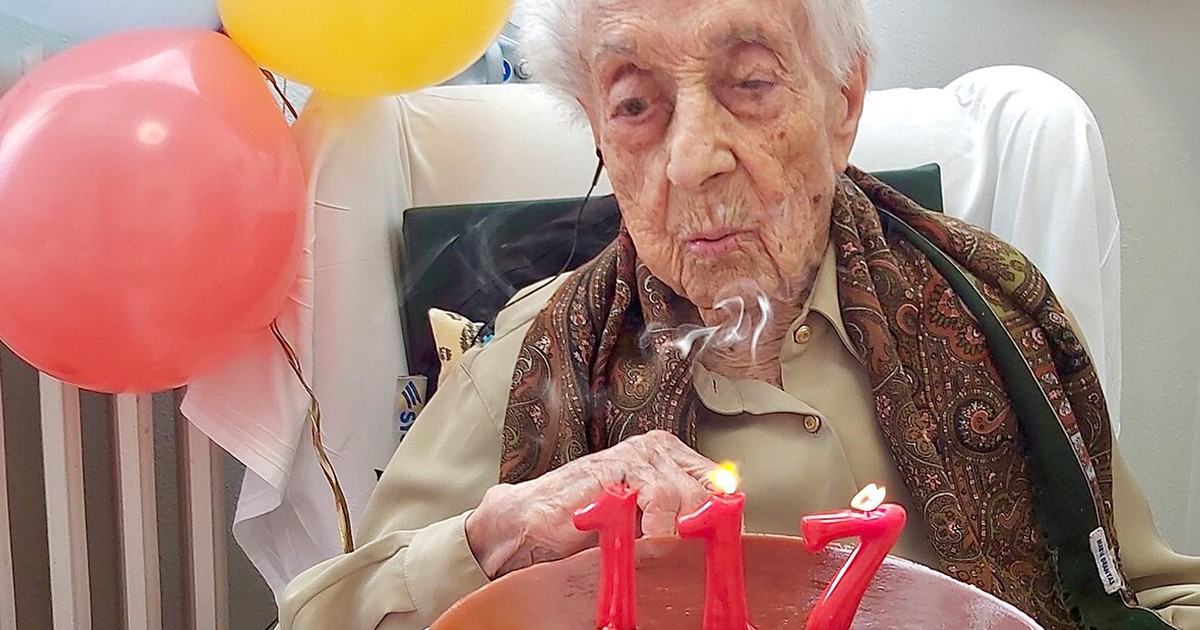
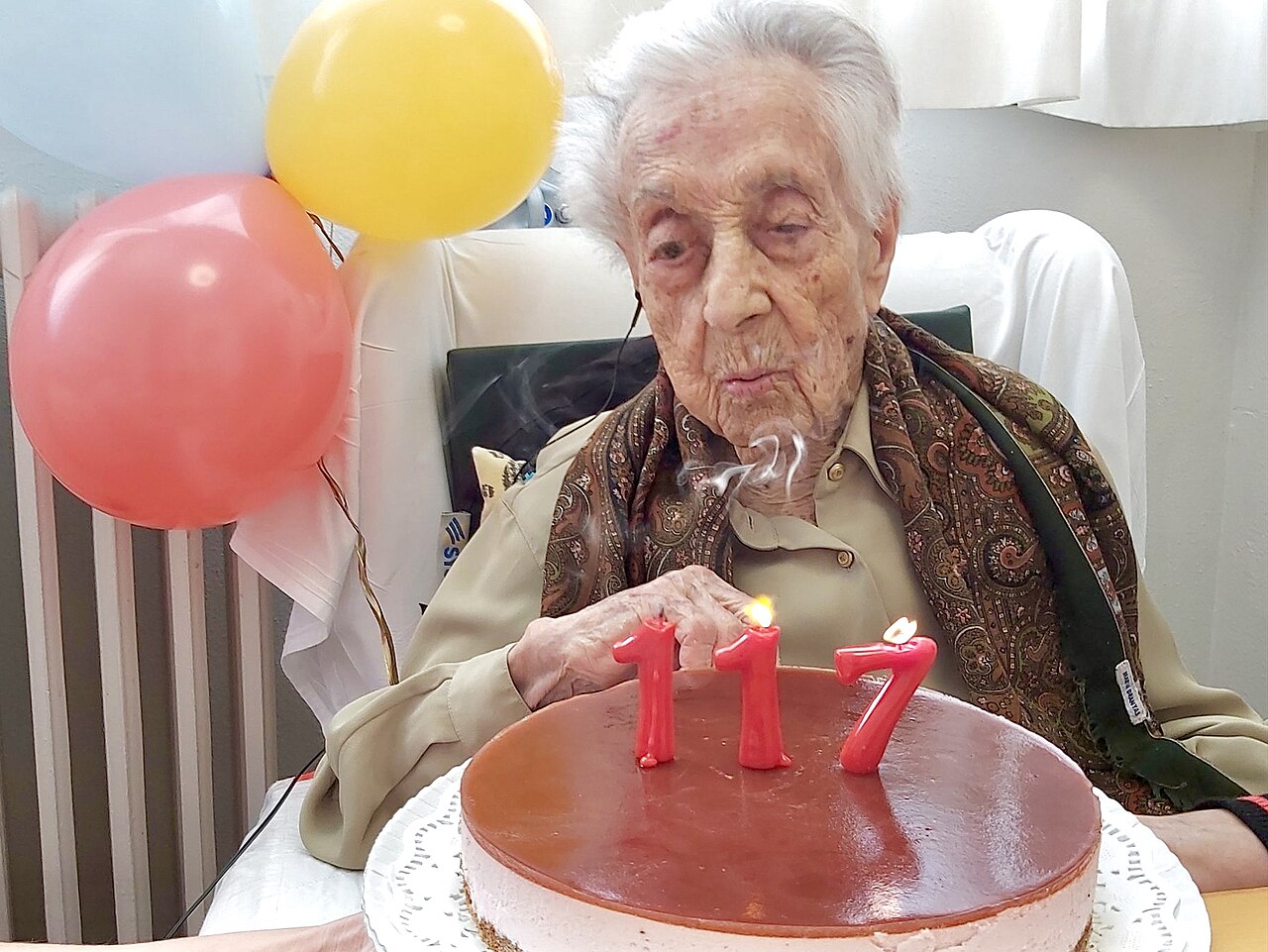
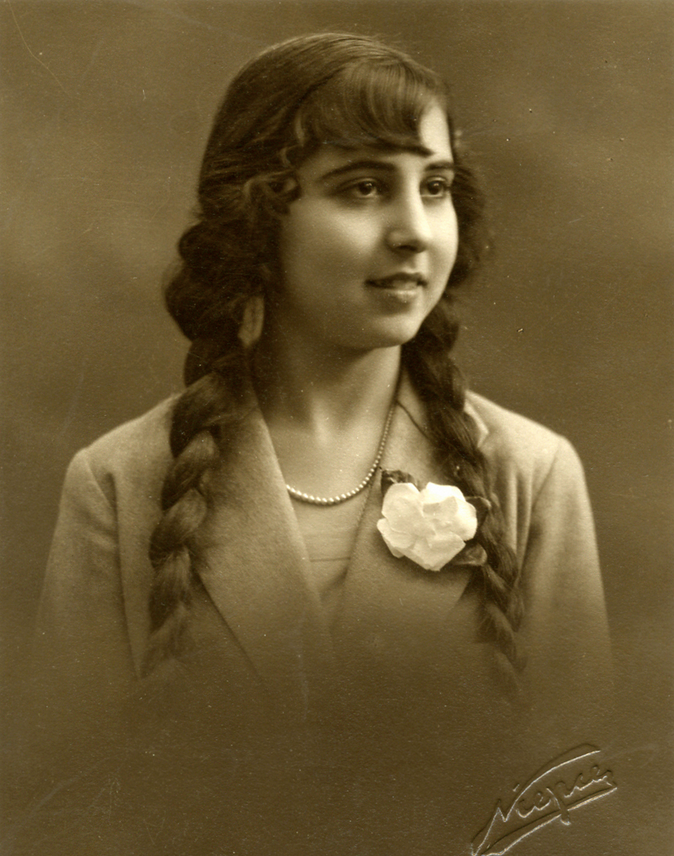
Maria Branyas Morera lived through more than a century of profound social, scientific and technological change. Born in San Francisco on March 4, 1907, she later moved to Catalonia, Spain, where she spent nearly all of her life. When she died on August 19, 2024, at the age of 117 years and 168 days, she was recognized as the world’s oldest verified living person.
Her exceptional lifespan naturally drew global interest. Scientists, journalists and members of the public have long asked why a small number of people reach extreme old age while retaining relatively good health and independence. Branyas herself supported efforts to examine that question, allowing researchers to study biological samples that could offer clues about the relationship between genetics, lifestyle and healthy aging.
Her story is important not because it offers a simple formula for living indefinitely, but because it illustrates a central question in longevity research: can people live longer while also spending more of those years in good health? Researchers often call this goal extending healthspan, rather than merely extending lifespan.
Scientists caution that one person’s biology cannot provide universal answers. Still, the study of exceptional longevity may help researchers better understand the processes linked to age-related illness, including inflammation, metabolic changes and cardiovascular risk. Maria Branyas Morera’s life is therefore a valuable scientific case study as well as a remarkable personal story.
Maria Branyas Morera’s Early Life and Extraordinary Longevity
Branyas was born to Spanish parents in the United States. Her family began a journey back to Spain in 1915, during a period shaped by the First World War and the global influenza pandemic that followed a few years later. The journey was marked by personal loss: her father died of pulmonary tuberculosis near the end of the trip. Branyas, however, settled in Catalonia and built a long family life there.
Over the decades, she witnessed two world wars, major political changes, the rise of aviation, television, computers, the internet and modern medicine. She lived through the 1918 influenza pandemic, the Spanish Civil War, and the COVID-19 pandemic. In 2020, she recovered from COVID-19, an outcome that attracted considerable attention because of her age.
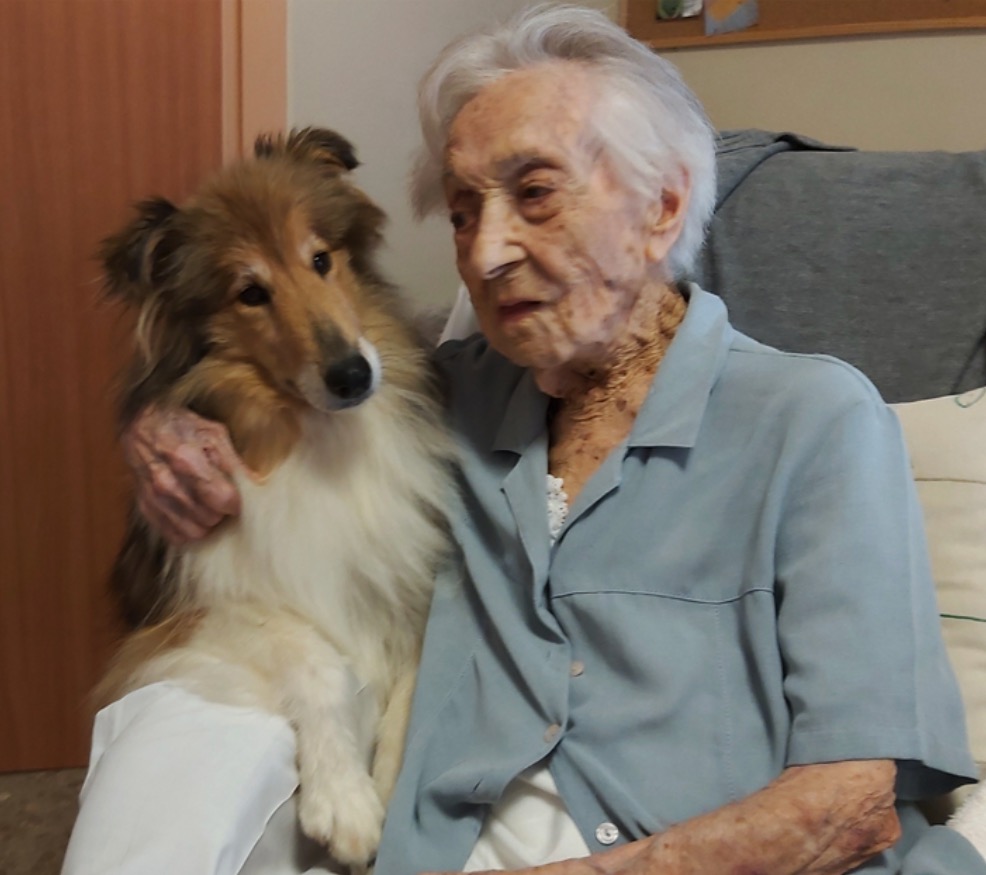
Branyas later lived at a residence for older people in Olot, in the province of Girona. She was a mother of three, grandmother of 11 and great-grandmother of 13. Her family helped her communicate with a wide audience online, where she became known for a dry sense of humor and thoughtful comments about family, social connection and the dignity of older people.
Although her age was extraordinary, it is important to use precise language around longevity records. The title of world’s oldest living person is based on verified documentation and can change over time as individuals die and records are confirmed. Branyas held the recognized title from January 2023, after the death of French supercentenarian Lucile Randon, known as Sister André, until her own death in 2024.
Why Researchers Studied Her DNA and Biological Profile
Before her death, Branyas agreed to participate in research intended to explore the biology of exceptional longevity. Researchers associated with the University of Barcelona and the Josep Carreras Leukaemia Research Institute examined a broad range of biological features, including genetic information, blood markers and measures related to metabolism and aging.
This type of work is often described as a multi-omics approach. Rather than looking at a single gene or test result, multi-omics research combines several layers of biological data. These may include genomics, which studies DNA; epigenomics, which examines chemical changes that influence gene activity; metabolomics, which measures small molecules involved in metabolism; and microbiome research, which investigates microorganisms living in the body.
The approach is useful because aging is not controlled by one “longevity gene.” Human lifespan reflects a complex interaction between inherited traits, environmental exposures, access to health care, nutrition, physical activity, social circumstances and chance. A person may inherit biological advantages but still face risks from smoking, inactivity, untreated disease or harmful environmental conditions.
Researchers involved in the study reported that Branyas showed biological characteristics associated with relatively favorable cardiovascular and metabolic health. Reports on the research described low levels of some blood fats linked with cardiovascular risk, including triglycerides and low-density lipoprotein cholesterol, often called LDL cholesterol. She also reportedly had comparatively high levels of high-density lipoprotein cholesterol, or HDL cholesterol.
These findings are interesting, but they should not be read as proof that any single cholesterol level causes exceptional lifespan. Cholesterol results are only one part of a person’s health profile. Medical decisions about cholesterol, diet and medication should always be made with a qualified health professional who can consider overall cardiovascular risk.
What Her Case Suggests About Healthy Aging
One of the most significant ideas emerging from research on very old adults is that chronological age and biological health are not identical. Chronological age is simply the number of years a person has lived. Biological age is a broader concept that attempts to describe how well cells, organs and body systems are functioning compared with what may be expected at a given age.
Scientists use several methods to estimate biological age, including epigenetic clocks. These tests analyze patterns of DNA methylation, a chemical process that can affect how genes are used. Such clocks are promising research tools, but they are not perfect measures of an individual’s health or future lifespan. Their results can vary according to the test and the population being studied.
In Branyas’s case, researchers reported that some of her biological measures appeared younger than her chronological age. This does not mean that she had stopped aging or that aging can be reversed by a specific product or routine. Instead, it supports the possibility that some people can reach very advanced ages with a lower burden of disease than might be expected.
The distinction matters for public health. Longer lives are most beneficial when people can retain mobility, cognitive function, social connection and independence. The World Health Organization emphasizes healthy aging as the process of developing and maintaining the functional ability that enables well-being in older age. That definition recognizes that health is not merely the absence of disease; it also includes the ability to meet daily needs, maintain relationships and participate in society.
Telomeres, Aging and the Limits of Simple Explanations
Branyas’s case also renewed attention on telomeres. Telomeres are protective structures at the ends of chromosomes, often compared with the plastic tips on shoelaces. They help preserve chromosome stability during cell division. In many studies, telomeres tend to shorten with age, although the process is affected by many factors and varies widely among individuals and tissues.
Because of this relationship, telomere length is sometimes presented as a straightforward “aging clock.” The science is more complicated. Telomere length alone cannot accurately determine how long someone will live, whether they are healthy, or whether they will develop a particular condition. Research findings can differ depending on the methods used and the people being studied.
Scientists studying Branyas noted that her telomeres were short, despite her exceptional longevity. This observation reinforces the view that telomeres should not be interpreted in isolation. Shorter telomeres can reflect the long history of cell division across a lifetime, but they do not automatically mean that an individual is in poor health. Researchers continue to investigate how telomere biology interacts with cancer risk, immune function and cellular aging.
The key lesson is scientific humility. Exceptional individuals can reveal important patterns, but their experiences may not apply directly to everyone else. A single case can generate hypotheses for larger studies; it cannot establish a treatment, prove causation or justify anti-aging claims.
Genetics and Lifestyle Both Matter
Experts generally agree that longevity is influenced by both genetics and environment. Family studies suggest that inherited factors play a role in lifespan, particularly at the most advanced ages. However, genes are not destiny. Everyday habits and social conditions can significantly affect the likelihood of developing heart disease, type 2 diabetes, some cancers and other chronic illnesses.
Accounts of Branyas’s life describe habits commonly associated with better health: she did not smoke, remained socially engaged and valued emotional calm, relationships and routine. She also reportedly enjoyed yogurt, including probiotic yogurt, and ate a breakfast containing several cereals. These details are interesting but should not be transformed into exaggerated claims about “superfoods.”
Yogurt can be a nutritious source of protein, calcium and, depending on the product, live bacterial cultures. However, no credible evidence shows that one particular yogurt brand can guarantee a longer life. A balanced dietary pattern matters more than a single food. Public-health guidance generally favors a varied diet rich in vegetables, fruits, whole grains, legumes, nuts and appropriate protein sources, while limiting highly processed foods, excessive salt and added sugars.
Similarly, emotional well-being and social connection are meaningful parts of healthy aging. Loneliness and social isolation have been associated with poorer health outcomes in many studies. Regular contact with family, friends and community can support mental health, practical assistance and a sense of belonging. Branyas’s emphasis on close relationships therefore aligns with broader research, even though no lifestyle practice can eliminate the effects of aging.
Maria Branyas Morera’s Advice on Life and Relationships
Branyas often spoke in practical, human terms rather than scientific ones. She attributed her long life to order, tranquillity, positive relationships, contact with nature and avoiding unnecessary stress. She also stressed the value of family and friends.
Her comments during the COVID-19 pandemic reflected concern for older adults who experienced isolation and vulnerability. She argued that older people deserved respect and better care, noting the sacrifices many had made throughout their lives. Her remarks resonated internationally at a time when the pandemic had highlighted longstanding gaps in elder care, social support and access to health services.
Her perspective remains relevant as populations age worldwide. According to the United Nations and the World Health Organization, the number and proportion of older adults are increasing in many countries. This demographic shift creates opportunities for societies to benefit from the experience and contributions of older people, but it also increases the need for accessible health care, age-friendly housing, supportive communities and policies that reduce isolation.
What People Can Learn From Her Story Without Chasing Anti-Aging Myths
Maria Branyas Morera’s life offers inspiration, but it should not be used to market unproven anti-aging products, genetic tests or restrictive diets. There is currently no validated intervention that can guarantee a person will live to 100 or beyond. Claims that a supplement, detox plan, hormone treatment or consumer DNA test can reliably reverse aging should be approached with caution.
Evidence-based healthy aging focuses on actions that are beneficial at many ages: avoiding tobacco, staying physically active within one’s abilities, eating a balanced diet, getting recommended vaccines and health screenings, managing blood pressure and cholesterol, sleeping adequately, maintaining social ties and seeking medical care for persistent symptoms. These steps cannot control every aspect of health, but they can reduce preventable risks.
Branyas’s scientific legacy may ultimately lie in helping researchers distinguish between old age and illness. Her case suggests that very advanced age does not inevitably mean severe disease or complete loss of function. It also underlines how much remains unknown about the biology of aging.
Her life was shaped by a rare combination of factors: a supportive family, a long-standing social environment, individual habits, access to care, resilience and likely inherited biological traits. Rather than searching for one secret to longevity, her story encourages a more realistic conclusion. Healthy aging is multifactorial, and scientific progress will depend on careful research across many people, populations and generations.
Sources
Disclaimer: This content is intended for entertainment purposes only and is not based on real events.