Woman in China Breaks Five Ribs After Husband Hugs Her
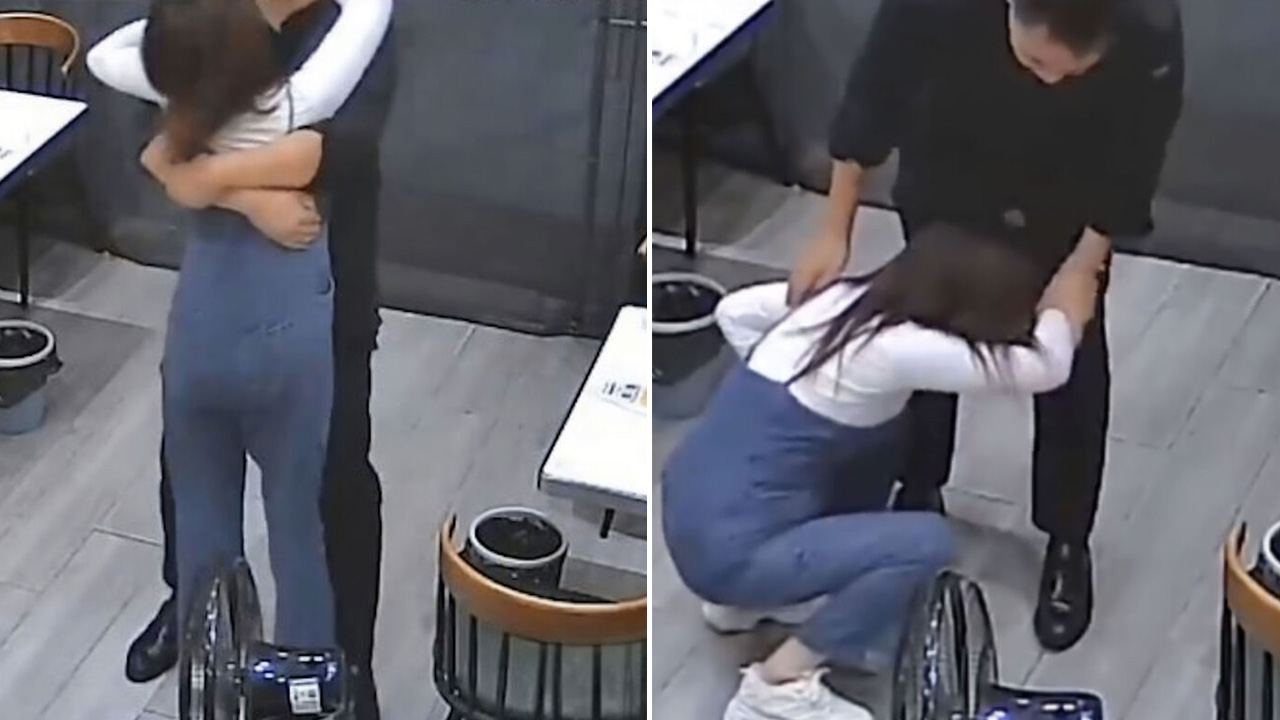
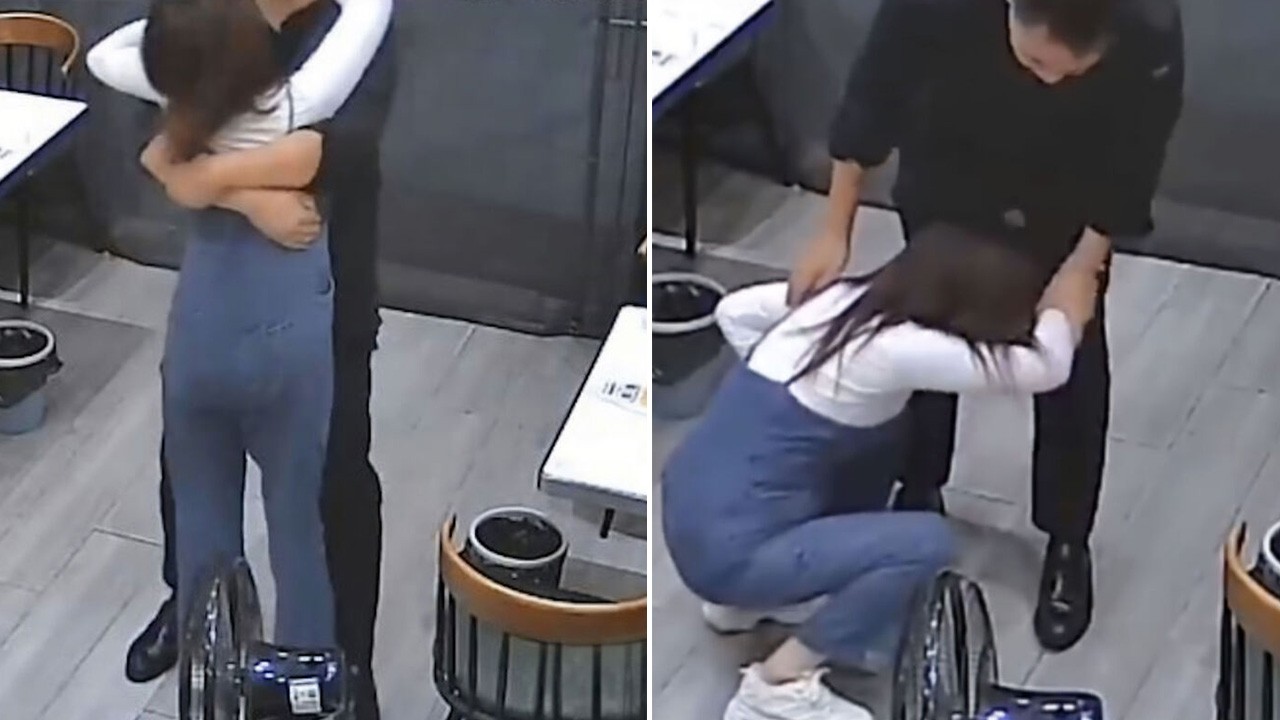
A reported case involving a woman in Jiangsu province, China, has prompted renewed discussion about osteoporosis, a common condition that can make bones fragile enough to fracture during everyday activities. According to reports cited by Chinese media and international news websites, the woman sustained multiple rib fractures after her husband hugged her when she said she felt cold.
The circumstances may sound unusual, but health specialists say that low-impact fractures can be an important warning sign of weakened bone strength. Osteoporosis is often described as a “silent” disease because it can progress for years without causing noticeable symptoms. In many cases, a fracture is the first indication that bone density has fallen significantly.
Details of the individual case have been published through secondary media reports and cannot replace a medical assessment. However, the wider health issue is well established: bones affected by osteoporosis can break after a fall from standing height or less force than would normally be expected to cause an injury.
Reported Incident in Jiangsu Raises Bone Health Questions
Reports said the woman’s husband, identified only by the surname Wang, embraced her after she told him she was feeling cold. During the hug, he reportedly heard a cracking sound and she experienced immediate pain. She was said to have remained uncomfortable overnight before seeking medical attention the following day.
A chest CT scan reportedly found five broken ribs and a crack in another rib. Medical staff reportedly advised rest and conservative treatment rather than surgery. The woman was later reported to be recovering at home.
Medical reporting of individual cases can be incomplete, and fracture care depends on many factors, including the location of the break, the patient’s breathing, age, overall health and whether there are complications. Rib fractures in particular should be assessed by a qualified clinician, because pain can make it difficult to take deep breaths and may affect normal movement.
What makes the report medically relevant is not the hug itself, but the suggestion that the injury occurred with relatively low force. When this happens, doctors may consider whether a person has osteoporosis or another condition affecting bone strength.
What Is Osteoporosis?
Osteoporosis is a disease that reduces bone mass and changes the internal structure of bone, making it more susceptible to fractures. The National Institutes of Health describes osteoporosis as a condition in which bones become weak and are more likely to break. Fractures commonly occur in the hip, spine and wrist, although other bones, including ribs, can also be affected.
Bone is living tissue that is continually broken down and rebuilt. During childhood and early adulthood, the body generally builds bone faster than it loses it. Bone mass usually reaches its peak in early adulthood. With age, bone rebuilding can slow, particularly after menopause, when lower estrogen levels can accelerate bone loss.
Not everyone with osteoporosis is older. The condition is most common among postmenopausal women and older adults, but it can also affect men and younger people. Certain medical conditions, medications and lifestyle factors may raise the risk of developing low bone density.
Osteopenia is another term people may encounter. It refers to bone density that is lower than normal but not low enough to meet the diagnostic threshold for osteoporosis. Osteopenia does not always lead to fractures, but it can indicate an increased future risk and may warrant a discussion with a healthcare professional.
Why Osteoporosis Is Often Called a Silent Disease
Osteoporosis usually does not cause fever, stomach symptoms, headaches or another obvious early illness signal. A person may feel completely well while their bones gradually lose density. This is why screening and risk assessment are important for people who may be more likely to experience fractures.
Possible signs of advanced bone loss can include losing height over time, developing a more rounded or stooped upper back, or experiencing unexplained back pain caused by a spinal compression fracture. These signs do not prove that someone has osteoporosis, but they should not be ignored.
A fracture after a minor fall, a simple twist or another low-force event should also be discussed with a clinician. Health professionals sometimes call these “fragility fractures.” An evaluation can help identify osteoporosis and other possible causes of bone weakness, such as vitamin D deficiency, hormonal disorders, digestive diseases that affect nutrient absorption, or certain long-term medications.
Risk Factors for Low Bone Density and Fractures
Some osteoporosis risk factors cannot be changed. Age is one of the most important, as bone strength naturally declines over time. Women are at higher risk than men, especially after menopause. A family history of osteoporosis or hip fractures may also matter, as can having a smaller body frame.
Other risks are potentially modifiable. Limited physical activity, smoking, heavy alcohol use and inadequate intake of calcium or vitamin D may contribute to poorer bone health. People who spend little time outside may have lower vitamin D levels, although sunlight exposure is only one part of a complex picture. Vitamin D can also come from food, fortified products and supplements when advised by a healthcare professional.
Long-term use of corticosteroid medicines, including some treatments for inflammatory conditions, is a recognized risk factor for bone loss. Conditions such as rheumatoid arthritis, celiac disease, chronic kidney disease, hyperthyroidism and some eating disorders can also affect bone health. Anyone taking regular medication or managing a long-term health condition should ask their clinician whether bone density monitoring is appropriate.
Low body weight may be associated with increased fracture risk in some people, but weight alone cannot diagnose osteoporosis. Nutritional status, hormone levels, physical activity, genetics, medical history and age all need to be considered together.
How Doctors Diagnose Osteoporosis
The standard test for measuring bone density is a dual-energy X-ray absorptiometry scan, commonly called a DXA or DEXA scan. The test is quick, painless and uses a low dose of radiation. It typically measures bone density at the hip and lower spine, areas where fractures can have major effects on health and independence.
Doctors may also use fracture history, age, medication use and other risk factors to estimate a person’s likelihood of future fractures. In some countries, clinicians use validated assessment tools such as FRAX, which combines several risk factors to estimate the chance of a major osteoporotic fracture over the following decade.
Routine screening recommendations vary by country and by individual risk. In the United States, the U.S. Preventive Services Task Force recommends screening for osteoporosis in women aged 65 and older, as well as younger postmenopausal women who are at increased risk. Men and people with medical risk factors may also need testing based on a clinician’s judgment.
People should not wait for a fracture to ask about their bone health. A primary care doctor, endocrinologist, rheumatologist or specialist in bone health can review personal risk factors and determine whether testing is needed.
Calcium, Vitamin D and Everyday Bone Health
Calcium is a key mineral used to build and maintain bones. Good dietary sources include dairy products, fortified plant-based drinks, calcium-set tofu, canned fish with edible bones, leafy green vegetables and some fortified cereals. The amount a person needs varies by age, sex and health status.
Vitamin D helps the body absorb calcium. It is found in relatively few foods naturally, but can be obtained from fatty fish, egg yolks, fortified foods and supplements. The body can also make vitamin D after skin exposure to sunlight. However, individual vitamin D needs vary, and excessive supplementation can be harmful. Testing and supplement decisions should be made with professional guidance, particularly for people with kidney disease or other chronic health conditions.
Regular weight-bearing and muscle-strengthening exercise can support bone health. Weight-bearing activity includes walking, climbing stairs, dancing and jogging, while resistance exercises use body weight, bands, machines or free weights to strengthen muscles and bones. Balance training may also reduce fall risk, especially for older adults.
For someone already diagnosed with osteoporosis or recovering from a fracture, exercise should be tailored to their needs. A doctor or physiotherapist can recommend safe movements and advise which activities to avoid.
Treatment Can Reduce the Risk of Future Fractures
When osteoporosis is diagnosed, treatment may include lifestyle measures, fall-prevention strategies and medication. Drug options can include bisphosphonates, denosumab, hormone-related therapies and bone-building medicines. The best choice depends on fracture risk, medical history, kidney function, prior treatment and other individual factors.
Medication decisions should always be made with a qualified healthcare professional. Treatment can substantially reduce the risk of certain fractures for many patients, but it requires follow-up and a clear plan. Stopping some medicines abruptly, particularly denosumab, may lead to rapid bone loss and should only be done under medical supervision.
Preventing falls is also essential. Practical measures can include improving lighting at home, removing loose rugs or clutter, wearing supportive shoes, having vision checked and discussing medications that may cause dizziness. These steps are particularly important for older adults and anyone who has previously fractured a bone.
A Reminder to Take Unexpected Pain Seriously
The reported Jiangsu case has attracted attention because a familiar gesture was followed by an unexpected injury. While such reports are uncommon, the larger message is clear: severe pain after minor force, a fall or an everyday movement should not automatically be dismissed.
Prompt medical care is important for chest pain after an injury, difficulty breathing, worsening pain, dizziness or any other concerning symptoms. A clinician can assess the injury and determine whether imaging, pain management or further investigation is needed.
Osteoporosis is not an inevitable part of aging, and it is not something people need to face alone. Earlier risk assessment, adequate nutrition, appropriate exercise, treatment when indicated and fall prevention can all help protect bone health. For people with concerns about fractures or bone density, speaking with a healthcare professional is the most reliable next step.
Sources
- National Institute of Arthritis and Musculoskeletal and Skin Diseases: Osteoporosis
- Centers for Disease Control and Prevention: About Osteoporosis
- World Health Organization: Falls
- U.S. Preventive Services Task Force: Osteoporosis Screening
- Mayo Clinic: Osteoporosis Symptoms and Causes
- Cleveland Clinic: Osteoporosis
Disclaimer: This content is intended for entertainment purposes only and is not based on real events.