
Cucumbers are a familiar part of salads around the world. Their mild flavor, crisp texture, and high water content make them an easy addition to lunches, dinners, sandwiches, and snacks. While cucumbers are not a cure-all food, eating them regularly as part of a varied diet can contribute useful nutrients, add volume to meals, and help people eat more vegetables overall.
Nutrition professionals generally emphasize dietary patterns rather than single “superfoods.” In that context, cucumbers can be a practical choice. They are naturally low in calories, contain substantial water, and provide modest amounts of fiber, vitamin K, vitamin C, potassium, and naturally occurring plant compounds. Their benefits are most meaningful when they are eaten alongside other vegetables, fruits, beans, whole grains, lean proteins, and healthy fats.
Here is what evidence-based nutrition guidance suggests may happen when cucumber becomes a regular ingredient in your salads.
Cucumbers Add Water-Rich Foods to Your Diet
A raw cucumber is made up mostly of water. According to the U.S. Department of Agriculture, cucumbers with peel contain about 95% water. This does not replace the need to drink fluids, but water-rich foods can contribute to total daily hydration.
Water is essential for normal body functions. It helps regulate temperature, supports blood circulation, carries nutrients, assists digestion, and allows cells and organs to function properly. Individual fluid needs vary depending on age, activity level, climate, health status, pregnancy, and medications. Plain water remains a dependable choice, but foods such as cucumbers, tomatoes, lettuce, oranges, soups, and yogurt can also make a contribution.
Adding cucumber to salads may be especially appealing during warm weather or after physical activity because its crisp texture and cool taste can make meals feel more refreshing. People who find it difficult to drink enough water may also find that regularly eating fruits and vegetables with high water content helps them maintain better overall fluid intake.
However, thirst, urine color, climate, and medical advice should guide hydration decisions. People with kidney, heart, or liver conditions may receive individualized advice about fluids from a clinician, so general dietary suggestions should not override a treatment plan.
Cucumbers Provide Modest but Useful Nutrients
Cucumbers are not as nutrient-dense as some dark leafy greens, legumes, or brightly colored vegetables. Still, they provide several nutrients that support normal health. Keeping the peel on, after washing the cucumber thoroughly, generally preserves more fiber and micronutrients than peeling it.
One notable nutrient is vitamin K. This vitamin is involved in normal blood clotting and helps support bone health. Cucumbers also supply small amounts of vitamin C, which is needed for collagen formation and supports normal immune system function. Collagen is a structural protein found in skin, blood vessels, bones, cartilage, and other tissues.
Cucumbers contain small amounts of potassium as well. Potassium is an essential mineral involved in fluid balance, nerve signaling, and muscle function. It also plays a role in healthy blood pressure regulation. Cucumbers should not be viewed as a major source of potassium compared with beans, potatoes, leafy greens, dairy products, and some fruits, but they can still contribute to an overall nutrient-rich eating pattern.
Like many plant foods, cucumbers contain phytochemicals, including flavonoids and other antioxidant compounds. Antioxidants help the body manage oxidative processes that occur naturally during metabolism and in response to environmental exposures. Research on plant compounds is ongoing, and it is more accurate to say that a diet rich in a wide range of plant foods supports health than to attribute major disease-prevention effects to cucumber alone.

Eating Cucumber With the Peel May Support Digestive Regularity
Salads that include cucumber can support digestive health primarily because they add water and a small amount of dietary fiber. Fiber is found in plant foods and is important for normal bowel function. It can help add bulk to stools and, together with sufficient fluid intake, may support regularity.
The amount of fiber in cucumber is modest, so it is best considered one component of a higher-fiber meal rather than a complete solution. Combining cucumber with foods such as leafy greens, tomatoes, carrots, cabbage, chickpeas, lentils, beans, whole grains, nuts, and seeds can create a more substantial source of fiber.
For people who are increasing fiber intake, gradual changes are often more comfortable than dramatic ones. Increasing fiber too quickly can lead to bloating or gas in some individuals. Drinking enough fluids and introducing more fiber-rich foods over time can help the digestive system adjust.
Some people may find raw cucumber difficult to tolerate because of its texture, seeds, or naturally occurring compounds that can cause burping. This is usually a matter of individual sensitivity rather than a sign that cucumbers are unhealthy. Choosing seedless varieties, removing some seeds, eating smaller portions, or trying peeled cucumber may improve comfort for some people.
Cucumbers Can Make Salads More Filling Without Adding Many Calories
For people aiming to manage their weight, cucumbers can be a useful ingredient because they are low in energy density. Energy density refers to the number of calories in a given weight or volume of food. Foods with a high water content, including many vegetables and fruits, often provide a larger portion for relatively few calories.
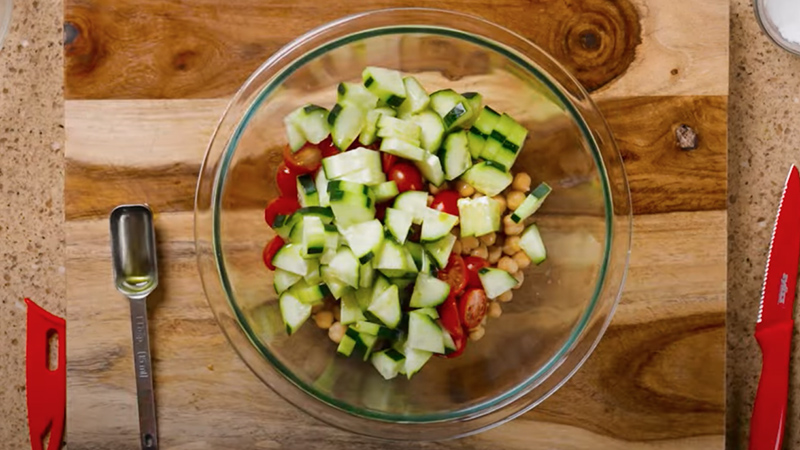
A bowl of salad that includes cucumber can feel more substantial because cucumber adds crunch, volume, and moisture. This may help make a meal more satisfying, particularly when it is paired with protein and fiber-rich ingredients. A balanced salad might include cucumber, leafy greens, tomatoes, peppers, beans or grilled chicken, whole grains, and a moderate amount of olive oil-based dressing.
It is important to keep expectations realistic. No food selectively burns body fat or causes automatic weight loss. Long-term weight changes are influenced by total eating patterns, physical activity, sleep, stress, health conditions, medications, and many social and environmental factors. Cucumbers may make it easier to build lower-calorie, vegetable-forward meals, but they are not a standalone weight-loss treatment.
Regular Cucumber Intake May Support Healthy Skin Indirectly
Cucumber is often associated with skin care, but eating cucumber should not be confused with a medical or cosmetic treatment. It will not remove wrinkles, cure acne, or dramatically change the skin overnight. Its potential role is more basic: cucumbers contribute water, and they provide small amounts of nutrients involved in normal skin function.
Hydration is important for the body as a whole, including the skin. Vitamin C also contributes to collagen production, which is necessary for the normal structure of skin and other connective tissues. In practice, healthy skin is supported by a broad range of habits: adequate nutrition, sufficient sleep, sun protection, avoiding tobacco, managing health conditions, and following professional medical advice for persistent skin concerns.
Eating a variety of colorful fruits and vegetables is likely more useful than relying heavily on any one ingredient. Berries, citrus fruits, peppers, tomatoes, leafy greens, carrots, and legumes offer different combinations of nutrients and plant compounds. Cucumber fits well within that wider pattern because it is easy to eat regularly and can make vegetables more enjoyable.
Cucumber Salads Can Fit Into a Heart-Healthy Eating Pattern
Major health organizations consistently recommend diets that emphasize vegetables, fruits, whole grains, legumes, nuts, and other minimally processed foods. Cucumbers can support this pattern by replacing less nutritious side dishes or by encouraging people to eat more vegetables at meals.
They contain little saturated fat and are naturally low in sodium. This can be helpful in a dietary pattern designed to support cardiovascular health, especially when cucumbers are prepared without excessive salt or high-sodium sauces. Fresh cucumber salads made with herbs, lemon juice, vinegar, olive oil, yogurt, or unsalted nuts can provide flavor without relying heavily on salt.
At the same time, not all cucumber dishes have the same nutritional profile. Pickled cucumbers can be high in sodium, depending on the product and serving size. People monitoring their sodium intake because of high blood pressure or another condition may wish to compare labels and choose lower-sodium options where possible.
Cucumbers alone do not prevent heart disease. Their value comes from their place in a broader dietary approach that includes regular vegetables, adequate fiber, appropriate portions, limited highly processed foods, and attention to personal medical guidance.
How to Add Cucumber to Salads and Everyday Meals
One reason cucumbers are so popular is their versatility. They can be sliced, chopped, grated, or served in sticks. English cucumbers and Persian cucumbers often have thinner skins and fewer noticeable seeds, while standard garden cucumbers may have a thicker peel and more seeds. All can be nutritious choices when prepared safely.
- Classic green salad: Combine cucumber with lettuce, tomatoes, peppers, carrots, and a simple olive oil and vinegar dressing.
- Protein-rich salad: Add chickpeas, lentils, tuna, eggs, tofu, chicken, or fish to cucumber and vegetables for a more complete meal.
- Yogurt cucumber dip: Mix finely chopped cucumber with plain yogurt, herbs, garlic, and lemon juice. Choose lower-sodium ingredients when appropriate.
- Whole-grain lunch: Serve cucumber with whole-grain pita, hummus, beans, and mixed vegetables.
- Simple snack: Pair cucumber sticks with hummus, a bean dip, or a small portion of unsalted nuts.
- Water flavoring: Add washed cucumber slices to a pitcher of water for a mild flavor, while still drinking plain water as desired.
Food safety matters. Wash cucumbers under running water before cutting, even if you plan to peel them. Use clean hands, utensils, and cutting boards, and refrigerate cut cucumber promptly. These basic steps help reduce the risk of contamination from surfaces or handling.
Who Should Be Mindful of Cucumber Intake?
For most people, cucumbers are a safe and healthy food. However, there are a few situations in which individualized advice may be helpful. People taking warfarin or another medication affected by vitamin K should aim for a consistent intake of vitamin K-containing foods rather than making sudden, major changes. They should discuss dietary changes with the clinician managing their medication.
Individuals with certain digestive conditions may notice discomfort after eating raw vegetables. Adjusting portion size or preparation method may help, but persistent symptoms should be discussed with a healthcare professional. Anyone with a known food allergy should avoid foods that trigger symptoms and seek medical guidance when needed.
It is also worth remembering that a salad’s nutritional value depends on the whole plate. A cucumber salad can be highly nutritious, but frequent large amounts of high-sodium dressing, processed meats, or sugary sauces may change the overall balance. Small, sustainable improvements are generally more useful than rigid rules.
Final Thoughts on Eating Cucumber in Salads Regularly
Eating cucumber regularly in salads can be a simple way to increase vegetable intake. Its high water content can contribute to hydration, while its fiber, vitamin K, vitamin C, potassium, and plant compounds add modest nutritional value. Cucumbers can also increase the volume and crunch of meals without adding many calories.
The strongest health benefits do not come from cucumber alone. They come from consistently eating a varied diet built around vegetables, fruits, whole grains, beans, lean or plant-based proteins, and healthy fats. When cucumber makes that pattern easier, more affordable, or more enjoyable, it is a worthwhile addition to the table.
Sources
Disclaimer: This content is intended for entertainment purposes only and is not based on real events.