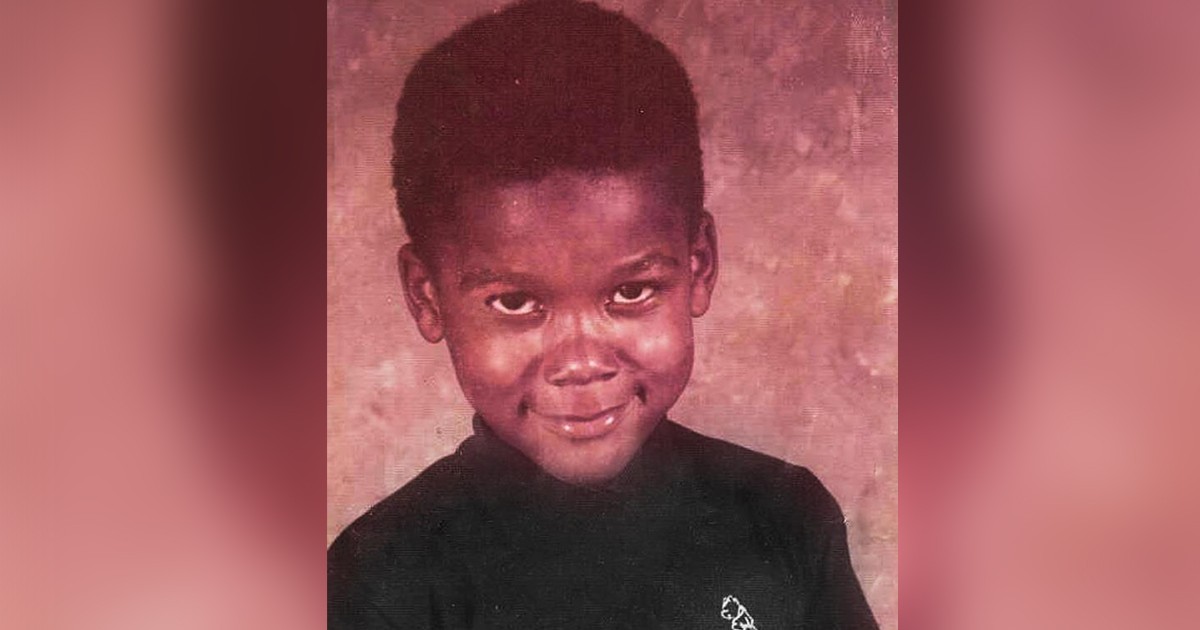
Tyler Perry – From Trauma to Triumph: The Life Journey of Hollywood’s Visionary
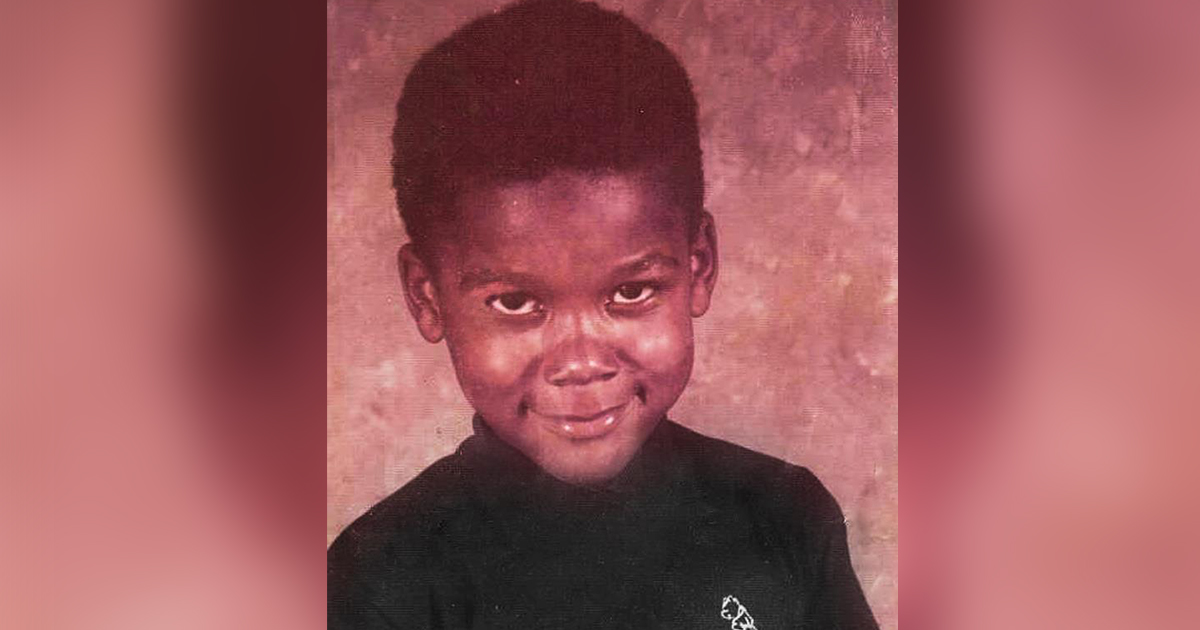
Tyler Perry stands among the highest-earning figures in entertainment, celebrated for producing and starring in a plethora of major Hollywood films. His immense wealth, with a net worth reportedly around $1 billion, reflects over three decades of dedication to the industry. Perry has collected prestigious accolades, including Emmys and Academy Awards, and is widely acknowledged as a pioneer – a visionary who recognized and created opportunities for audiences that Hollywood often overlooked.
Yet, behind the curtain of his acclaimed career lies a story of extraordinary resilience. Perry endured a deeply traumatic childhood marked by abuse and mistreatment. This harrowing early life would ultimately shape his creative voice and tenacity, both fueling his success and propelling his philanthropic endeavors.
Early Life and Childhood Trauma
Tyler Perry was born on September 13, 1969, in New Orleans, Louisiana. His childhood was overshadowed by abuse, neglect, and emotional turmoil. Perry has openly discussed his experiences, notably in interviews with Oprah Winfrey, where he revealed the extent of his father’s brutal mistreatment. He described episodes where his father whipped him with a vacuum cord, leaving deep welts and physical trauma, recounting how he would escape to his aunt’s house for solace and safety.
Perry’s account of fear was persistent: “To this day, I don’t know why he did it. But I remember him cornering me in a room and hitting me with this vacuum cleaner cord. He would just not stop. There are all these welts … the flesh that’s coming from my bone, and I had to wait for him to go to sleep. When he fell asleep, I ran to my aunt’s house, and she was mortified when she saw it,” Perry told Oprah.
These traumatic experiences had lasting effects, even resulting in periods of blackout and severe psychological distress. Perry recalled living in constant fear, never knowing what might trigger his father’s unpredictable rage.

The pain culminated in moments of despair so profound that Perry contemplated suicide. “I thought, ‘What is the point of living?’” he revealed. His mother, a source of comfort, introduced him to the church, offering a semblance of hope and faith amid the turbulence. Perry has often credited this spiritual foundation with helping him survive and eventually overcome the adversity of his youth.
Physical and Sexual Abuse: The Lasting Impact
The physical abuse Perry suffered was compounded by sexual abuse from multiple adults. At the age of five or six, he was molested by a neighbor while working on a birdhouse. Subsequently, a male nurse from Perry’s church molested him, and later, at age ten, he experienced abuse at the hands of a friend’s mother. These traumatic events left deep scars and confusion, shaping both his understanding of self and his relationship with trust and safety.
Perry candidly reflected on these experiences: “I’m thinking, ‘What is this?’ And I felt my body betraying me, because I felt an erection at that age.” These formative years were dominated by feelings of powerlessness, isolation, and emotional turmoil.
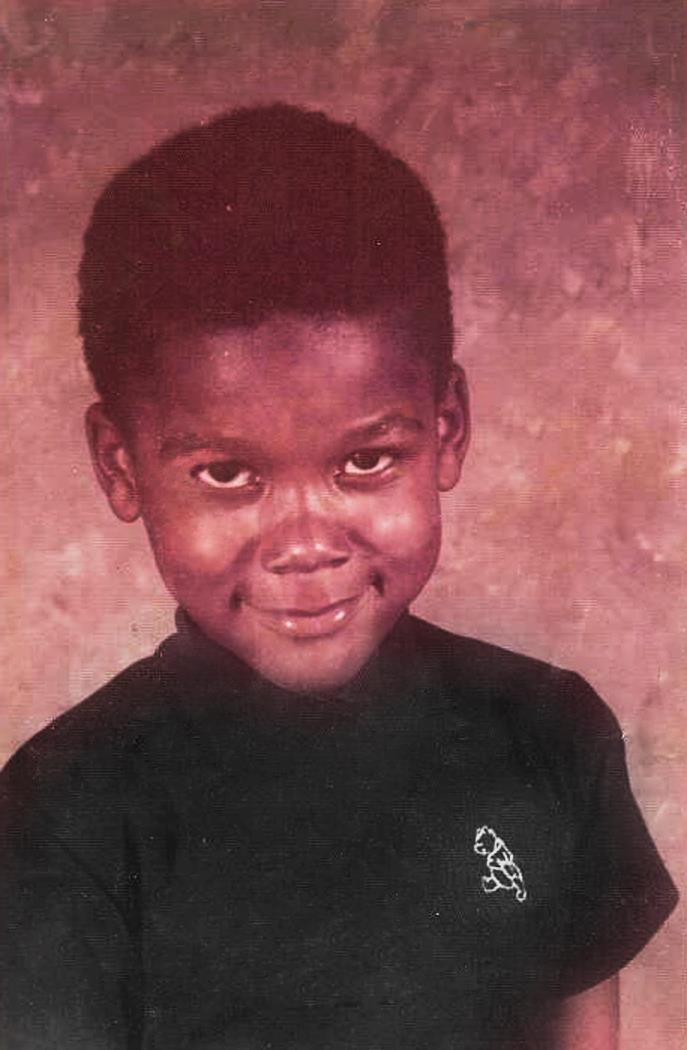
Perry’s childhood was a crucible of adversity. Yet, his openness about the horrors he endured has helped start important conversations about abuse and trauma, drawing attention to the long-term consequences and the need for healing and support for survivors.
Homelessness and Perseverance
Perry’s teenage years were equally challenging. He dropped out of high school and worked in various jobs, including at a hotel and as a car salesman. However, his aspirations for the stage and screen were unwavering. In the early 1990s, Perry invested everything he had into writing and producing his first stage play, “I Know I’ve Been Changed,” which drew on his personal experiences of abuse and redemption.
Despite his passion and determination, his initial efforts brought little financial reward. Perry ended up homeless, living for months in his car while struggling to keep his dream alive. He described this period as transformational, explaining, “I spent all my money to put this play up, and it didn’t work … For three months, I lived in a Geo Metro that I was hiding from the repo man.”
Perry’s perseverance eventually paid off. He continued to refine his work, travel city to city, and build a loyal audience. The breakthrough came when his stage shows began selling out, leading to wider recognition and success.

Madea and the Rise to Stardom
Perry’s most iconic creation is the character Mabel Earlene “Madea” Simmons. Madea, the tough, comical matriarch, became a centerpiece of Perry’s stage plays and films, resonating deeply with audiences. The franchise has grossed over $660 million through plays and movies, and Madea’s popularity cemented Perry’s reputation as a force in entertainment.
Perry’s productions often explore themes of adversity, faith, community, and redemption – all informed by his own experiences. His understanding of the nuanced struggles faced by many African Americans, and his dedication to representing their stories authentically, distinguish his contributions to Hollywood.
“I think that everyone who’s been abused, there is a string to the puppet master, and they’re holding you hostage to your behaviors and what you do. At some point, you have to be responsible for them. What I started to do is untie the strings and chase them down to where they came from. And I was able to free myself and understand that even though these things happened to me, it was not me,” Perry said in reflection.
An Empire Built on Resilience
Perry’s achievements extend far beyond Madea. He became a prolific producer of films and television shows, built his own massive film studio in Atlanta, and established himself as one of Hollywood’s richest and most influential figures. Forbes estimates Perry’s net worth at over $1 billion, a testament to his persistence and ingenuity.
The construction of Tyler Perry Studios marked a historic milestone – it is one of the largest film production facilities in the United States, and a symbol of Perry’s commitment to empowering others in the industry, particularly aspiring creatives from marginalized communities.
Perry’s success story is often cited as inspirational, demonstrating how determination and self-understanding can turn even the darkest early life into a source of creative power and purpose.

Philanthropy and Impact
Tyler Perry has not only achieved phenomenal success but also used his platform to give back. In 2006, he founded The Perry Foundation, dedicated to “transforming tragedy into triumph by seeding individual potential, supporting communities, and harvesting sustainable change.” Perry’s philanthropic work spans education, homelessness, health initiatives, and community empowerment. He has consistently advocated for survivors of abuse and for fair representation in entertainment.
Perry explained, “When you’ve been given a lot, you have to do a lot. And the need is great. I’ve tried to align myself with people who have the same sensibility when it comes to helping others.”
He has supported housing projects for homeless people, scholarships for underprivileged youth, and initiatives to foster diversity and inclusion both within and beyond Hollywood. Perry’s dedication reflects his belief that every child deserves safety, hope, and opportunity – values shaped by the hardships he endured and ultimately overcame.
Legacy and Societal Influence
Tyler Perry’s journey is recognized worldwide for its power and significance. His films and stage plays continue to draw huge audiences globally, and his story has inspired countless survivors of abuse and those facing adversity.
Beyond entertainment, Perry has used his visibility to start important conversations about trauma, mental health, and recovery. Experts and advocates in psychology have praised his openness, noting that sharing such personal testimony can encourage seeking help and destigmatize discussions of abuse and healing.
Internationally, Perry’s impact resonates in both artistic and humanitarian circles. His work contributes to the growing movement for greater representation and diversity in film, and his philanthropic efforts serve as models for social responsibility in the industry.
Perry’s influence is likely to endure, shaping the legacies of future generations in entertainment and beyond. His remarkable transformation, from a childhood marked by trauma to a life defined by achievement and generosity, offers hope and inspiration to many.
Conclusion
Tyler Perry’s story is a testament to the resilience of the human spirit and the capacity to transform suffering into creative power. While his success is monumental, so too is his commitment to helping others, raising awareness for childhood abuse, and fostering positive change within society. His life reminds us of the importance of empathy, perseverance, and giving back.
Every child deserves to feel safe. Tyler Perry’s rise, after all he went through, remains an inspiring example of triumph over adversity.
Sources
- Reuters – Tyler Perry’s Life and Hollywood Impact
- BBC – Perry’s Studio and Legacy
- Oprah Interview – Perry’s Childhood Trauma
- The Guardian – Perry’s Success Story
- AARP – Perry’s Journey from Homelessness to Success
Disclaimer: This content is intended for entertainment purposes only and is not based on real events.