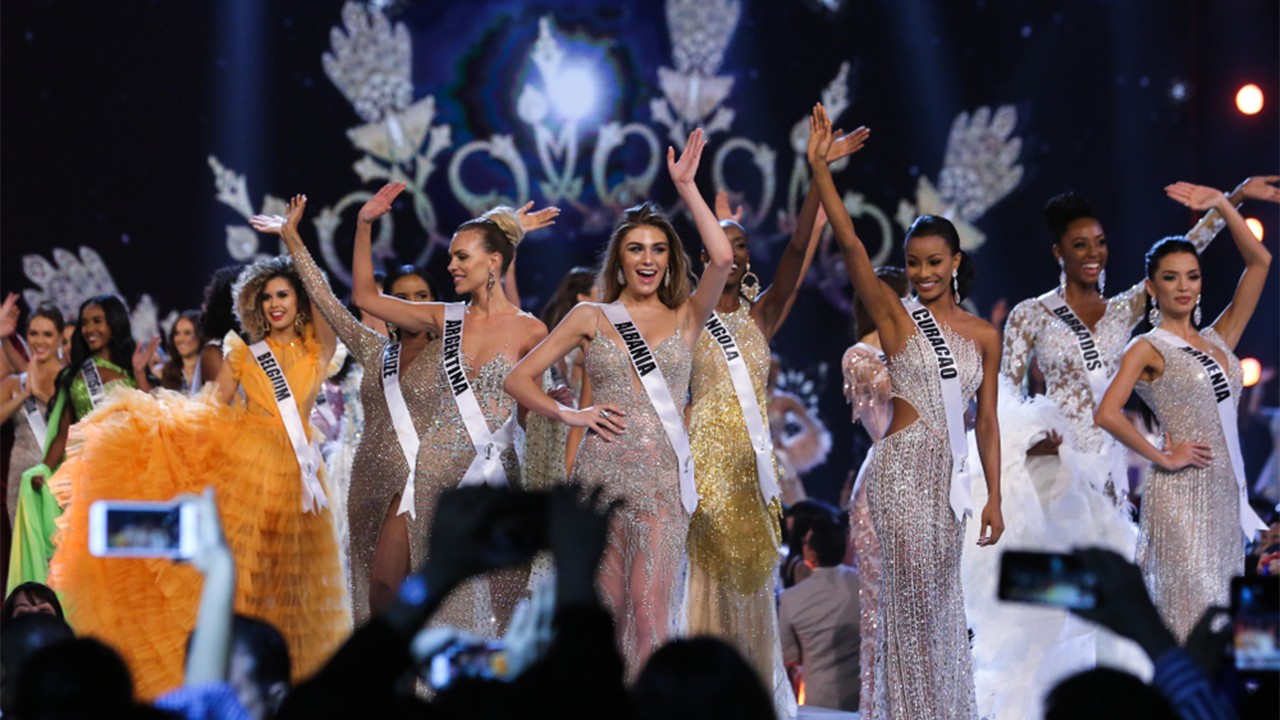
British Beauty Queen Faces Online Abuse After Universal Woman Pageant Announcement
Introduction
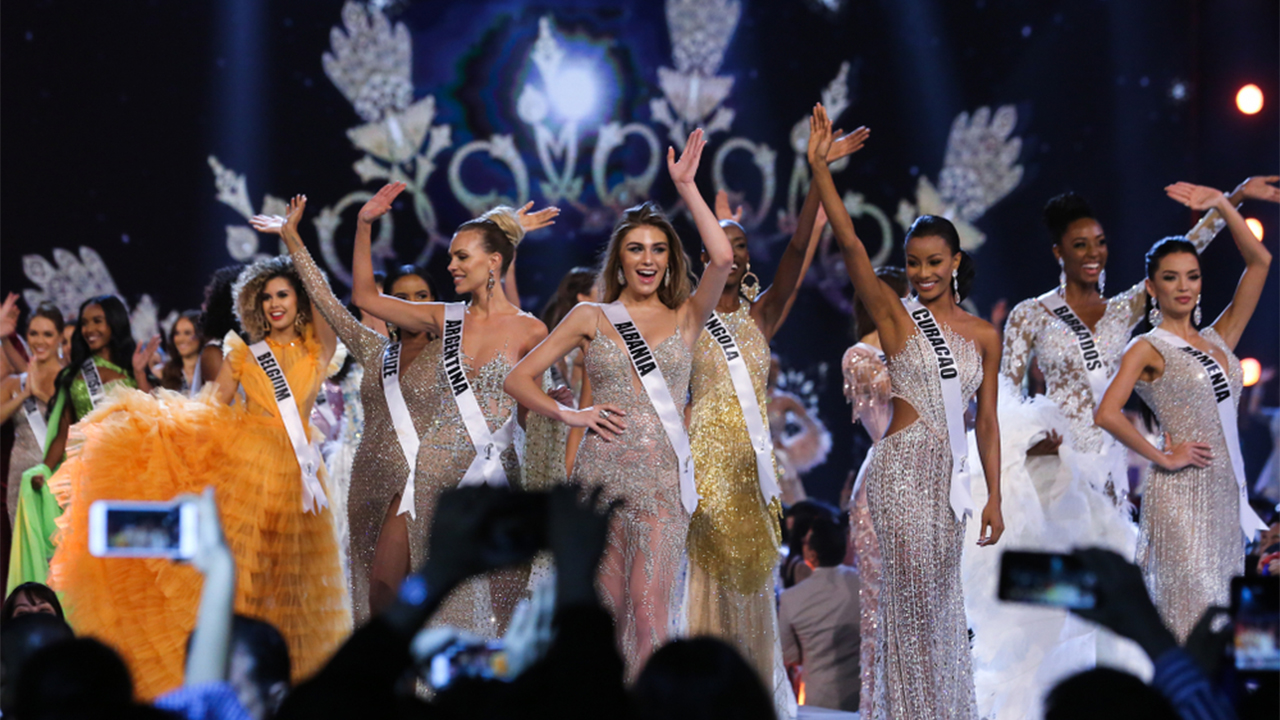
The announcement that Rebecca Afolabi, the reigning Universal Woman Great Britain, would represent the United Kingdom at the Universal Woman Pageant in Cambodia in October 2026 was expected to be a moment of national pride. Instead, it has become the focal point of significant online abuse, with negative comments about her appearance, suitability, and heritage dominating social media discussions. This situation has not only put Afolabi at the center of a public controversy but also reignited broader debates regarding race, representation, and standards of beauty in international pageantry.
Rebecca Afolabi’s Achievement and Backlash
Rebecca Afolabi earned her crown earlier in 2026, following her win as Universal Woman Great Britain. As part of her title, she qualified to represent Britain on a global stage—an honor reserved for those demonstrating excellence in competition, advocacy, and personal conduct. When her selection for the international pageant was made public, many expected congratulatory messages and encouragement. However, a wave of online negativity quickly took over.
Comments ranged from harsh critiques of her appearance to doubts regarding her eligibility to represent Great Britain. Numerous social-media users questioned whether she was “British,” referencing her Nigerian heritage. Examples of these posts include statements such as, “I have nothing nice to say,” and, “How did she make it to that stage?”. A further subset targeted her nationality, with comments such as, “She’s Nigerian not British,” and suggestions that her selection was a result of diversity, equity, and inclusion (DEI) policies.
Community Response to Online Abuse
The online abuse faced by Afolabi prompted a strong response from individuals within the pageant community. Holly Pirrie, talent manager, pageant coordinator, and finalist in Miss Great Britain 2026, publicly denounced the attacks as “disgusting racial abuse and trolling.” Pirrie labeled the posts circulating online as “abhorrent” and expressed concern over social media platforms’ inability or unwillingness to remove the offending content. She highlighted the emotional impact of such messages and the inadequacy of reporting systems like those run by Meta, the owner of Instagram and Facebook, in addressing abuse.
Pirrie’s praise for Afolabi’s response underscored the resilience required in such situations. Afolabi herself shared Pirrie’s supportive remarks, emphasizing gratitude and solidarity. Several other pageant contestants joined the conversation:
- Mrs. Lancashire Galaxy 2026/27 Eden Ronson described the abuse as “abhorrent” and called for action against racial discrimination.
- Miss Northampton 2026 Charlotte Levy reflected on the challenges faced by Black contestants, especially regarding makeup and hair preparation. She criticized pageant environments where Black women are blamed for not having the correct foundation shade and underscored the broader pressures experienced in the industry.
- Miss Manchester 2024 and Miss England finalist Vanessa Naddamba encouraged Afolabi, affirming her rightful place in the competition and urging her to take pride in representing women and girls who identify with her.
Racism, Representation, and Pageantry: Context and History
The controversy surrounding Afolabi’s selection echoes a longstanding debate about race and beauty standards within pageantry. Beauty competitions, particularly in the United States and UK, have historically excluded or marginalized women of color. The early years of Miss America, for instance, featured rules explicitly prohibiting non-white contestants, with Eurocentric features serving as idealized standards. Although official policies have since changed, these standards persist, as discussed by scholars and diversity advocates.
Over the past two decades, the industry has gradually diversified. Women of color are increasingly winning major titles, challenging conventional expectations and broadening definitions of beauty. Still, progress remains uneven. Public backlash, such as that directed at Afolabi, and stories from other pageant participants about inadequate industry support for diverse skin tones and hair types, highlight enduring systemic issues.
Recent Developments: Pageant Organizations Address Discrimination
Pageant organizations have begun to emphasize their commitment to inclusion and zero tolerance for discriminatory behavior. This commitment was notably tested recently when Brittany Boltinhouse, Miss North Carolina USA 2026, was stripped of her title over alleged racist and discriminatory statements revealed by a review of her social media activity.
The Miss USA organization’s president, Thom Brodeur, publicly condemned racism, homophobia, and any language that strips individuals of dignity, reinforcing evolving industry standards. Boltinhouse’s subsequent legal action focused not on contesting title removal, but on the narrative she felt was unfairly constructed in public discourse.
This case and Afolabi’s experience highlight the international scope of scrutiny and debate within pageantry. They demonstrate both the progress and ongoing challenges concerning representation, accountability, and respect for contestants of all backgrounds.
Expert Views on Race, Inclusion, and Social Media Impact
Academics and diversity advocates observe that online abuse directed at contestants like Afolabi reflects both societal issues and the limitations of current moderation systems. Dr. Hannah L. Smith, a sociologist specializing in digital communities, notes that pageantry remains a lightning rod for conversations about national identity and beauty ideals. “While pageants have become more inclusive, public reactions often reveal persistent biases—especially online, where anonymity breeds hostility,” she explains.
Experts have also called on social media companies to strengthen their commitment to removing hate speech and ensuring online safety, especially for individuals in public roles. The abuse of contestants is seen not just as a personal affront, but as symptomatic of broader cultural and infrastructural challenges.
Social psychologist Dr. Emily Jones identifies the need for “better community support, educational outreach, and clear policies that reward positive engagement.” Pageant volunteers and organizers, meanwhile, stress the importance of internal diversity training and supportive peer networks to offset negative external pressures.
International and Societal Reactions
International reactions to Afolabi’s selection and subsequent abuse have been mixed but increasingly sympathetic. Human rights organizations and prominent media outlets highlight her ordeal as evidence of the complexities surrounding national representation and evolving social attitudes. Analysts outside the UK view the controversy as part of a broader struggle within Western societies to reconcile traditional identity narratives with a multicultural reality.
British media and advocacy groups have used Afolabi’s story as both a call to action and a lesson. News coverage emphasizes the need for inclusive representation and the dangers of unchecked online behavior. Public commentators urge civil discourse and the celebration of achievement, suggesting that stories like Afolabi’s reinforce why pageant titles should not be limited by heritage but informed by accomplishment and character.
Nongovernmental organizations in the UK and beyond offer resources to address digital harassment and racial abuse, advocating for legislative changes and transparent social media policies. Their work seeks to ensure that future contestants—and individuals, in general—can participate in public life without fear of discriminatory backlash.
The Broader Significance: Challenges and Opportunities for Beauty Pageants
The debate sparked by Rebecca Afolabi’s experience reveals challenges and opportunities for the pageantry industry. While negative initial reactions dominated social media, the strong support from within the pageant community and ongoing dialogue about diversity indicate a shift toward greater acceptance and inclusion. Organizations that manage these competitions are increasingly expected to enforce standards both for contestants and for public engagement.
For future contestants, Afolabi’s journey serves as an example of courage and perseverance. It highlights the need for improved support systems and a commitment to celebrating diverse talent. As international pageants continue to evolve, their role in shaping social perceptions and fostering global dialogue will grow—making the challenge of balancing tradition and progress ever more critical.
Conclusion
Rebecca Afolabi’s selection as Great Britain’s representative in the Universal Woman Pageant has been met with both negativity and inspiring solidarity. The abuse she faced, while deeply concerning, brought attention to longstanding issues of race and beauty standards within pageantry. Through community support, advocacy, and evolving industry standards, the hope is that pageants can become truly inclusive spaces—where achievements are celebrated and differences honored. The conversation sparked by Afolabi’s experience underscores the importance of ongoing education, responsible public discourse, and empathetic engagement in shaping a better future for all participants.
Further Reading
- Target apologizes for racist Halloween costume – admits it was ‘hurtful’
- Sharon Osbourne blasts ‘woke people’, says they ‘bore me to death’
Sources
Disclaimer: This content is intended for entertainment purposes only and is not based on real events.