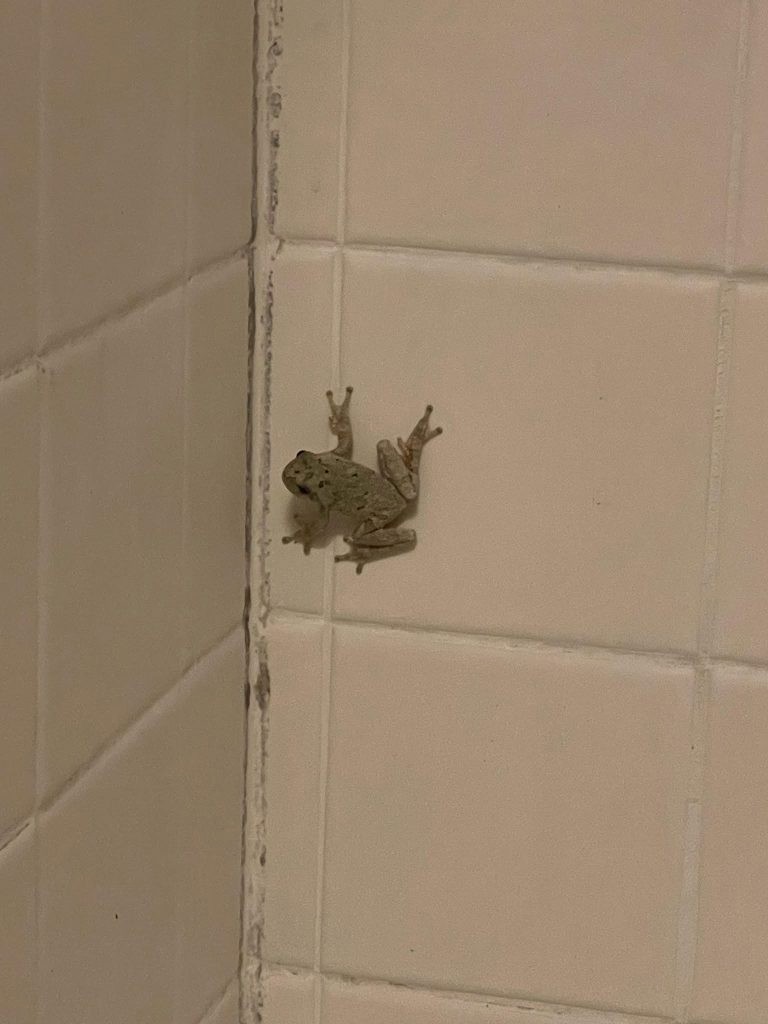
Finding a frog in your bathroom can be an unexpected experience. A small amphibian near a bathtub, toilet, shower drain, or damp corner may prompt practical questions: How did it get inside? Is it safe? Does it mean something? While frogs have long been linked with symbolism in folklore and cultural traditions, the most likely explanation is usually environmental. A bathroom may offer moisture, shelter, and a cool place for a frog that has entered a home through a small opening.
Understanding both the cultural meaning and the scientific explanation can make the encounter less surprising. Frogs are important parts of many ecosystems, and their presence around homes may reflect nearby green space, rainfall, standing water, or favorable conditions for insects. In most cases, a frog indoors is simply looking for a temporary refuge or has accidentally found its way inside.
Why Frogs Sometimes Appear in Bathrooms
Frogs are amphibians, meaning they depend on environmental conditions that help keep their skin from drying out. Unlike reptiles, frogs generally have highly permeable skin that plays an important role in breathing, water balance, and health. This makes moisture especially important to many species.
Bathrooms can unintentionally provide the kind of microenvironment a frog seeks. Wet tiles, shower areas, dripping taps, damp bath mats, cool floor surfaces, and shadowy corners can all offer short-term shelter. During periods of warm, dry, or unusually wet weather, frogs may move through unfamiliar spaces in search of suitable conditions.
A frog may enter through a gap under an exterior door, a torn window screen, an open door, an uncovered vent, or openings around pipes and utility lines. In some homes, frogs can also reach indoor areas from garages, basements, laundry rooms, crawl spaces, or patios before making their way into a bathroom.
Not every frog found indoors has come through plumbing. Although people sometimes assume a frog emerged from a toilet or drain, this is not usually the most likely explanation. Most household plumbing systems contain water traps and other barriers that make this route difficult. Entry through nearby gaps, doors, windows, or vents is generally more plausible.
Frog Symbolism in Cultures Around the World
For centuries, frogs have appeared in stories, art, spiritual traditions, and popular beliefs. Their association with water, rain, seasonal change, and metamorphosis has given them symbolic importance in many parts of the world.
In agricultural societies, frogs have often been connected with rainfall and fertile land. Their calls are frequently heard during wet seasons, when water is available for breeding and crops may benefit from rain. As a result, frogs became symbols of abundance, renewal, and the changing cycle of nature.
Frogs are also widely associated with transformation because of their life cycle. Many species begin life as aquatic tadpoles before developing legs, lungs, and the ability to live partly on land. This remarkable biological process has inspired symbolic interpretations related to personal growth, adaptation, and new beginnings.
In Chinese folk culture and decorative traditions, the three-legged money frog, often called Jin Chan, is a well-known prosperity symbol. It is commonly displayed in homes or businesses by people who view it as a representation of wealth and good fortune. This cultural symbol is distinct from an actual frog appearing in a bathroom, but it helps explain why some people interpret an encounter with a frog as a favorable sign.
Other traditions may connect frogs with cleansing, emotional renewal, rain, healing, or good luck. These meanings can be personally meaningful, especially for people who enjoy folklore or use natural encounters as moments for reflection. However, these interpretations are beliefs and cultural expressions, not scientific predictions.
Does a Frog in the Bathroom Bring Good Luck?
There is no scientific evidence that a frog appearing indoors predicts financial success, happiness, a major life event, or future opportunities. A frog’s presence does not provide a reliable message about luck or destiny. From a scientific perspective, the animal is responding to its surroundings, such as humidity, cover, temperature, and access to food.
That said, people may choose to see the event in a positive light. A brief encounter with wildlife can be a reminder that homes exist within larger local ecosystems. It may encourage someone to notice the weather, consider the condition of their garden, or appreciate the biodiversity that can live nearby.
The most balanced interpretation is to separate symbolism from biology. If a frog has personal or cultural meaning to someone, that meaning can be respected. At the same time, the frog should be treated as a living wild animal that needs a safe way to return outdoors.
Are Frogs in the House Dangerous?
Most frogs found around homes are not dangerous to people. They are generally shy animals that try to avoid human contact. Frogs can also be beneficial in outdoor environments because many species eat insects and other small invertebrates.
However, it is sensible to avoid unnecessary handling. Some amphibians produce mild skin secretions as a defensive response, and these substances can irritate the eyes, mouth, or sensitive skin. The risk varies by species and region. Children and pets should not touch, lick, or attempt to play with an unfamiliar frog or toad.
It is also important to protect the frog. Human hands may carry soap residue, lotion, sunscreen, cleaning products, salt, or oils that can be harmful to an amphibian’s sensitive skin. If handling is necessary, use clean, wet hands or wear clean, powder-free disposable gloves moistened with water. Never use chemicals, insect sprays, or household cleaners to remove a frog.
After any contact with a wild amphibian, wash your hands thoroughly with soap and water. This is a standard hygiene precaution, as amphibians and reptiles can sometimes carry germs that may cause illness in people.
How to Safely Remove a Frog From Your Bathroom
If the frog appears healthy and is in a safe location, the simplest option may be to give it a path out. Close interior doors, keep pets away, and open an exterior door or a low window that leads to a shaded outdoor area. Reduce noise and movement so the frog has a chance to move on its own.
If it does not leave, use a gentle capture-and-release method. Place a clean container, such as a plastic tub or large cup, over the frog. Carefully slide a piece of stiff cardboard beneath the container, keeping the frog enclosed. Carry it outside and release it in a sheltered, damp location close to where it was found, such as beneath plants, leaf litter, or near vegetation.
Release should generally occur close to the capture site. Moving amphibians far away can expose them to unfamiliar habitat, predators, traffic, and unsuitable conditions. In some regions, wildlife laws may also restrict the collection or relocation of native species, especially protected frogs or salamanders.
If you cannot identify the animal, do not need to. Calm, minimal contact is usually best. If the frog seems injured, trapped, or unusually weak, contact a local wildlife rehabilitator, animal control office, nature center, or relevant wildlife agency for advice. Local experts can provide guidance appropriate to the species and area.
How to Prevent Frogs From Entering Your Home
A single frog indoors may be an isolated event, particularly after rain or during seasonal changes. Repeated visits, however, may indicate that frogs have easy access to the building or that moisture around the property is attracting them.
Start by checking likely entry points. Inspect door sweeps, screens, window frames, vents, and gaps where plumbing or electrical lines pass through exterior walls. Repair damaged screens and use appropriate mesh covers for openings, while ensuring that ventilation and building safety requirements are maintained.
Reducing excess moisture can also help. Repair leaking outdoor taps, address standing water where practical, and make sure gutters and drainage systems direct water away from the foundation. Indoors, fix persistent leaks and dry bathroom floors when possible. These steps may also discourage insects, which are a food source for many frogs.
Homeowners should avoid treating frogs as pests requiring harmful control measures. Amphibians are facing pressures globally from habitat loss, pollution, climate-related changes, disease, and invasive species. Humane exclusion methods, rather than chemicals or traps, are the most responsible approach.
Why Frogs Matter to Local Ecosystems
Frogs, toads, salamanders, and other amphibians are valuable members of ecosystems. They can help regulate insect populations and serve as food for birds, mammals, fish, and reptiles. Their life cycles also connect aquatic and land-based habitats, as many species breed in water but spend much of their adult lives on land.
Scientists often regard amphibians as important environmental indicators because their permeable skin and reliance on both water and land can make them sensitive to habitat changes. A decline in local amphibian populations may point to broader environmental concerns, including water pollution, habitat degradation, or changing climate conditions.
Conservation organizations have warned that many amphibian species worldwide face significant threats. Protecting wetlands, maintaining native vegetation, reducing pesticide use where possible, and keeping outdoor water sources clean can all support healthier habitat for wildlife. Even a small garden with shaded areas and native plants can provide useful cover for local species.
What a Bathroom Frog Really Means
A frog in the bathroom does not necessarily carry a supernatural message, and it is not evidence that something is wrong with a home. In practical terms, it most likely means that a small amphibian found moisture, shelter, or an accidental route indoors.
Still, the encounter can be meaningful in a different way. Frogs have inspired stories about renewal, resilience, rain, fertility, and change across many cultures. For those who value these traditions, seeing a frog can serve as a gentle personal reminder of growth or connection with nature.
Whether viewed through science, folklore, or simple curiosity, the best response is respectful and humane. Help the frog return safely outside, identify and close possible entry points, and remember that this small visitor is part of the natural world surrounding your home.
Sources
Disclaimer: This content is intended for entertainment purposes only and is not based on real events.